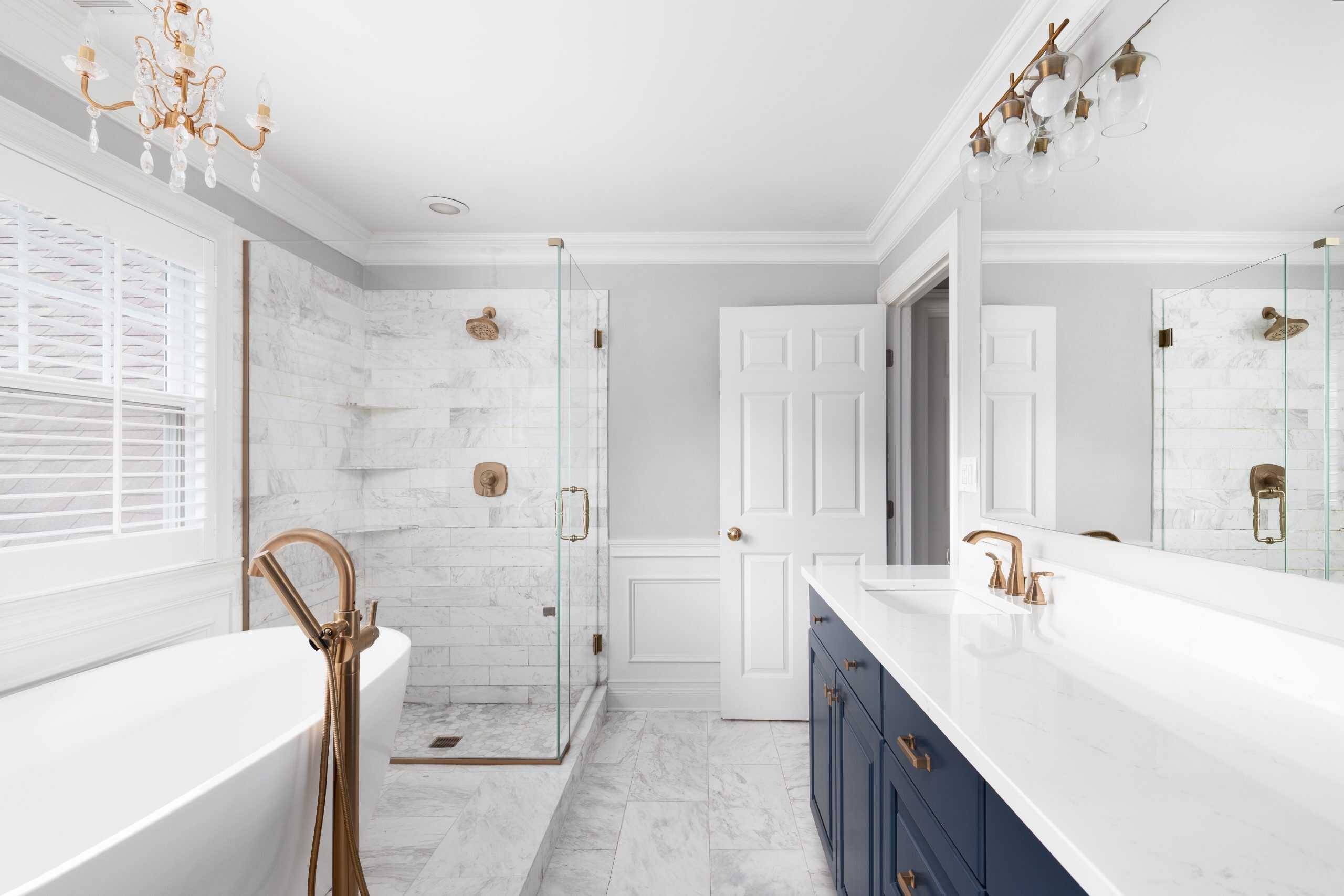
Renovating a bathroom in Trinity means working around converted buildings, co-op boards, and infrastructure that wasn’t built for residential plumbing. We know exactly what that looks like and how to handle it.
I needed a professional consultation explanation of procedure for safe removal of Asbestos in my apartment complex. Without having an account yet, I was very impressed with the caring, knowledgeable and generous advice offered by Jessica, and will look forward to doing business in the future. Thank you so much! I feel much more informed about a sometimes scary endeavor. Peace. Nancy Silva Mineola, NY.
Mia Munoz
Used this company to clean up some water flood in my house. They were fast and easy to work with.very professional, Would recommend to anyone!
Nini Valle
Great company, had a flood and they responded quickly and efficiently. Billed my insurance company directly. I highly recommend this company!
joe colapietro, jr
I had pipe freeze in my basement right before a snow storm and they made to within an hour to help start the clean up process. They we by our side throughout the entire process and even helped with the insurance company. They did such a great job with the cleanup, repair, remidiation, I contracted them to perform the repairs and finishes in the basement. They came with enough manpower and material to get the job done. Leo and Jessica were nothing but a pleasure to deal with!!
Cristian Arredondo c
I had some water damage in my home and Green Island was able to take care of my issue quickly and effectively. I am very pleased with the work they did. They responded quickly and were very professional.
Michael M
Outstanding service! From the office to the field crew everyone was friendly, helpful and responsive. I highly recommend Green Island Group.
A Bathroom That Finally Matches the Building You Paid For
A lot of Trinity apartments were converted from commercial buildings bank towers, office floors, institutional spaces that got retrofitted into residences somewhere between the 1980s and early 2000s. The bones are incredible. The original bathrooms? Usually an afterthought. If yours feels like it was squeezed in as a last step during conversion, that’s because it probably was.
A proper bathroom renovation in Trinity isn’t just about swapping tile. It’s about reworking a space that was never designed for residential plumbing in the first place non-standard drain runs, chase walls, aging supply lines that have been patched more than once in the last hundred years. Getting that right takes a contractor who’s actually opened up walls in buildings like yours, not one who learned on suburban tract homes.
And because Trinity sits a few blocks from the Hudson and the East River, humidity here isn’t seasonal it’s year-round. Waterproofing isn’t an upsell in Lower Manhattan. It’s the difference between a renovation that holds up and one that starts failing behind the tile before you’ve even finished unpacking the new towels. That’s the kind of detail that separates a bathroom remodel done right from one that looks fine on day one and causes problems by year three.
We've Worked in Buildings That Predate Your Grandparents
We are a licensed remodeling and remediation contractor serving New York City and Long Island. We handle bathroom renovations from start to finish demolition, plumbing, electrical, waterproofing, tile, fixtures without farming the work out to a rotating cast of subcontractors you’ve never met.
What sets us apart in Trinity isn’t just the quality of the work. It’s that we understand the environment. We’ve navigated DOB permit filings, pulled alteration agreements together for building management offices, and coordinated with co-op boards across Lower Manhattan. The Trinity and United States Realty Buildings at 111 Broadway were completed in 1907. A lot of the residential stock in this area isn’t far behind. We know what’s behind those walls and we know how to handle it when it’s not what anyone expected.
You don’t have to manage the process. That’s the point.
It starts with a consultation where we look at the actual space not just the surface, but the plumbing configuration, the wall construction, and anything that might affect how the project runs. In Trinity’s converted buildings, that early assessment matters a lot. What looks like a straightforward layout on paper can involve horizontal drain runs or plumbing systems that were retrofitted into a floor plate that was never meant to carry them.
From there, we handle the permit side. Any bathroom renovation in Manhattan that touches plumbing or electrical requires a DOB permit, and approval timelines in Community District 1 can run two to six months. We file, we track, and we coordinate with the Applicant of Record you don’t need to learn how that process works. While permits are in motion, we finalize materials, confirm your building’s alteration agreement requirements, and get everything staged so work can start without delay once approvals come through.
When the work begins, we respect your building’s noise restrictions 7 AM to 6 PM on weekdays, 10 AM to 4 PM on Saturdays and we keep the common areas clean. Demolition, rough-in, waterproofing, tile, fixtures, and final detail work all happen in sequence with one team managing the timeline. When we’re done, you get a finished bathroom and a closed permit. Not one or the other.
Full-Scope Work Built for Manhattan's Toughest Buildings
A bathroom remodel with us covers everything inside that room and everything that has to happen before you see the finished product. Demolition, plumbing rough-in, electrical updates, waterproofing membrane installation, cement board, tile work, vanity and fixture installation, and final trim. Nothing gets handed off to someone else mid-project.
In Trinity specifically, we bring something most bathroom remodel companies can’t: licensed environmental remediation capability. Buildings along Trinity Place and the surrounding Financial District blocks were constructed in an era when asbestos-containing materials were standard pipe insulation, floor tile adhesive, joint compound. When demo reveals something that needs to be handled carefully, we handle it in-house, legally, without stopping your project or sending you to find a separate specialist on short notice.
We work in co-op and condo buildings throughout Lower Manhattan, and we understand what building management offices need to see before work starts insurance certificates that meet your building’s specific thresholds, architect-stamped drawings where required, and a scope of work that doesn’t leave room for interpretation. Whether your building is a modern luxury condominium like 77 Greenwich or a pre-war conversion with twelve-foot ceilings and original details worth preserving, the process is the same: thorough, documented, and done right the first time.
Do I need a permit to remodel my bathroom in Trinity, NY?
If your renovation involves any changes to plumbing or electrical which includes relocating fixtures, replacing supply lines, adding an outlet, or upgrading ventilation yes, you need a New York City Department of Buildings permit. This applies to every residential unit in Trinity, whether you’re in a condo, a co-op, or a rental where the owner is doing the work.
The permit process in Manhattan requires a licensed professional to file as the Applicant of Record, and approval timelines for Community District 1 can run anywhere from two to six months depending on the scope and the current DOB queue. That’s not a reason to skip the permit unpermitted work in a Manhattan condo creates real problems at resale and can trigger issues with your building’s board. We handle the filing and track the approval so the timeline doesn’t catch you off guard.
How much does a bathroom remodel cost in Lower Manhattan?
Bathroom renovation costs in Manhattan run significantly higher than national averages typically 30 to 50 percent more because of labor rates, the complexity of working in multi-unit buildings, and the regulatory requirements that come with any permitted work in New York City. For a full renovation of a standard apartment bathroom in Trinity or the surrounding Financial District, you’re realistically looking at $20,000 to $35,000 for a solid mid-range project. Complex plumbing reconfigurations, high-end finishes, or unusually small or difficult spaces can push that to $50,000 or beyond.
What drives cost up in converted buildings specifically is what’s behind the walls. Retrofitted plumbing in a building that wasn’t originally designed as residential takes more time and more skill to work with than a purpose-built residential building. Getting an accurate number requires someone who’s actually looked at your space a ballpark from a website won’t account for what your specific building is working with.
What happens if asbestos or mold is found during my bathroom renovation?
In buildings constructed before 1980 which covers a large portion of the residential stock in Trinity and around Lower Manhattan asbestos-containing materials are a real possibility. Floor tile adhesive, pipe insulation, and joint compound from that era frequently contain asbestos. Mold is also common in bathrooms that have had aging waterproofing or plumbing leaks over the years, especially in a coastal environment like Trinity where ambient humidity stays elevated year-round.
Most bathroom remodeling companies are not licensed to handle either of these issues. If they find something during demo, they stop work and you’re left scrambling to find a remediation contractor before anything can continue. We are a licensed remediation contractor, which means we can identify, contain, and properly remove hazardous materials in-house without halting your project. It’s not a common situation, but when it happens, having one contractor who can handle it is a significant advantage.
How do I get my building's approval for a bathroom renovation in Trinity?
Most residential buildings in Trinity whether they’re co-ops, condominiums, or rental buildings with institutional landlords require you to submit an alteration agreement before any renovation work begins. The specific requirements vary by building, but typically include proof of contractor licensing, a certificate of insurance naming the building as an additional insured, a detailed scope of work, and in some cases architect-stamped drawings or a noise and work-hours management plan.
The approval process can take four to twelve weeks, and some buildings are more particular than others about what they need to see. We have prepared this documentation for buildings throughout Lower Manhattan and know what management offices typically ask for. We put together the package, submit what’s needed, and follow up so your project doesn’t sit in a queue longer than it has to. You shouldn’t have to learn how your building’s alteration process works just to get your bathroom renovated.
How long will a bathroom renovation take in a Manhattan apartment?
The physical work demolition through final installation typically takes two to four weeks for a standard apartment bathroom, assuming no major surprises behind the walls. In Trinity’s converted buildings, it’s smart to plan for the possibility that demo reveals something that adds time, whether that’s an unexpected plumbing configuration, aging infrastructure, or a materials issue that needs to be addressed before tile goes down.
What extends the overall timeline most in Manhattan isn’t the construction itself it’s the front end. DOB permit approval, building alteration agreement review, and materials procurement all happen before a single tool touches your bathroom, and that phase can take two to six months in Community District 1. The contractors who manage this well are the ones who start the permit and approval process early, keep the client informed, and have materials staged and ready so there’s no lag once approvals come through. That’s how we run it.
Is a bathroom renovation worth it in a Financial District condo?
In Manhattan’s real estate market, an updated bathroom is one of the highest-return improvements you can make before listing buyers discount heavily for dated bathrooms, and in a competitive market like the Financial District, an outdated space gives buyers a reason to negotiate down or move on entirely. Nationally, a midrange bathroom remodel returns around 72 cents on the dollar at resale. In Manhattan’s premium market, a well-executed renovation often performs better than that by eliminating the discount buyers build in when they’re looking at a space that needs work.
Beyond resale, there’s the daily reality of living in a space you’ve invested in. Trinity residents tend to own or rent in buildings with genuinely impressive architecture high ceilings, large windows, original details and a bathroom that doesn’t match that standard is noticeable every single day. A renovation that brings the bathroom in line with the rest of the apartment isn’t just a financial decision. It’s a quality-of-life one, and in a neighborhood like this, it’s a reasonable one to make.