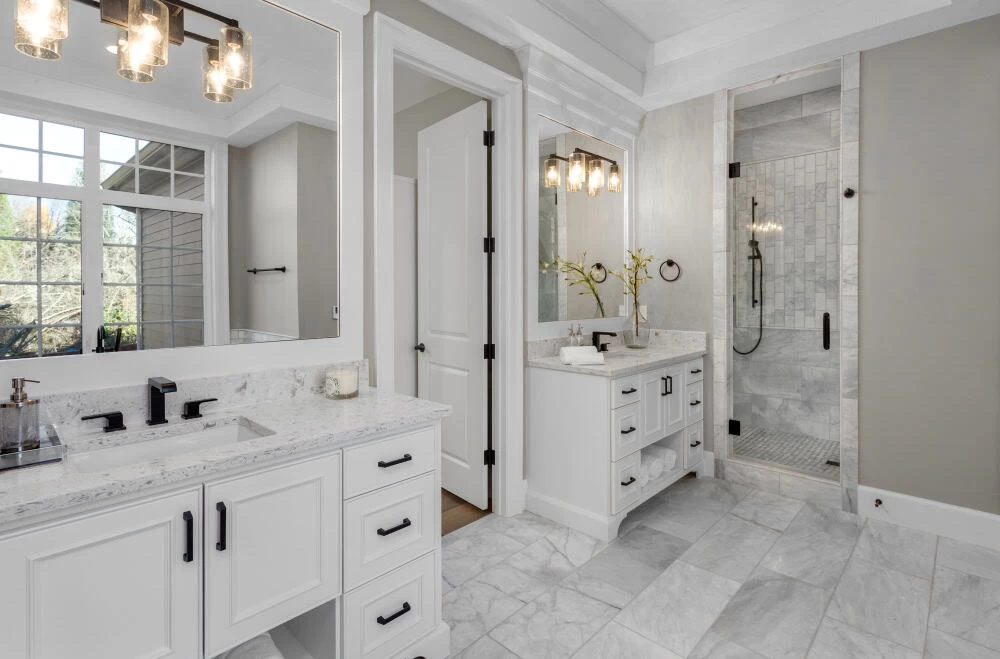
Most homes in Tuckahoe were built before 1960 and bathroom remodels in homes that old rarely go exactly as planned. We handle everything, including what’s hiding behind the walls.
I needed a professional consultation explanation of procedure for safe removal of Asbestos in my apartment complex. Without having an account yet, I was very impressed with the caring, knowledgeable and generous advice offered by Jessica, and will look forward to doing business in the future. Thank you so much! I feel much more informed about a sometimes scary endeavor. Peace. Nancy Silva Mineola, NY.
Mia Munoz
Used this company to clean up some water flood in my house. They were fast and easy to work with.very professional, Would recommend to anyone!
Nini Valle
Great company, had a flood and they responded quickly and efficiently. Billed my insurance company directly. I highly recommend this company!
joe colapietro, jr
I had pipe freeze in my basement right before a snow storm and they made to within an hour to help start the clean up process. They we by our side throughout the entire process and even helped with the insurance company. They did such a great job with the cleanup, repair, remidiation, I contracted them to perform the repairs and finishes in the basement. They came with enough manpower and material to get the job done. Leo and Jessica were nothing but a pleasure to deal with!!
Cristian Arredondo c
I had some water damage in my home and Green Island was able to take care of my issue quickly and effectively. I am very pleased with the work they did. They responded quickly and were very professional.
Michael M
Outstanding service! From the office to the field crew everyone was friendly, helpful and responsive. I highly recommend Green Island Group.
Tuckahoe’s housing stock is older than most people realize. More than half the homes in this village were built before 1960 which means original plumbing, original tile, and original everything. When you open those walls, you’re often looking at materials that weren’t meant to last another decade, let alone another generation. A bathroom remodel done right in Tuckahoe isn’t just about new tile and a fresh vanity. It’s about addressing what’s actually there.
Southern Westchester’s climate doesn’t make it easier. Hot, humid summers and hard winters with freeze-thaw cycles are brutal on grout, caulk, and ventilation systems that were designed for a different era. Bathrooms in this area fail faster when the underlying work isn’t done with that in mind and that’s exactly the kind of failure that leads to mold, rot, and a call to a restoration company two years later.
The result you’re looking for is a bathroom that’s properly waterproofed, adequately ventilated, and built to handle what Westchester weather and an older home will throw at it. That’s what a bathroom renovation in Tuckahoe actually requires and that’s the standard every project here gets held to.
We’ve completed over 5,000 restoration and remodeling projects across New York State. That’s not a round number pulled from a brochure it’s the result of years of working in homes exactly like the ones lining the streets between the Tuckahoe and Crestwood Metro-North stations. Colonials, Tudors, raised ranches, split-levels homes with history, quirks, and materials that don’t show up in new construction.
We hold asbestos abatement and lead-based paint abatement licenses alongside our home improvement credentials, which matters in a village where the median construction year is 1978 and a significant portion of homes predate that by decades. When demolition reveals something unexpected, the project doesn’t stop. There’s no scrambling for a separate crew. We handle it in-house and the work moves forward.
We also operate 24 hours a day, every day of the year. If you have a question at 8pm on a Wednesday or need to confirm a start time the morning of, someone picks up.
It starts with a walkthrough and an honest conversation about what you want, what the space allows, and what the budget looks like. In Tuckahoe, that conversation almost always includes a realistic discussion about the age of your home because what’s behind your bathroom walls will influence the scope, the timeline, and the cost. It’s just the reality of working in a pre-war or mid-century home, and it’s better to address it upfront than to discover it mid-demo.
From there, we pull permits with the Village of Tuckahoe building department. The village requires a valid Westchester County Home Improvement License to apply for permits, along with liability insurance naming the village as an additional insured. We handle all of that. You don’t fill out forms or navigate the building department yourself that’s part of the job.
Once permits are in place, demolition begins. If hazardous materials turn up asbestos floor tile, lead paint on original trim we handle them under proper protocol without stopping the project. After demo and any necessary remediation, the rebuild follows: waterproofing, tile, plumbing fixtures, vanity, lighting, and finishes. The job closes with a final inspection, and you walk away with a permitted, code-compliant bathroom that’s documented for resale.
A bathroom renovation with us covers the full scope demo, hazardous material testing and abatement if needed, plumbing modifications, electrical work, waterproofing, tile installation, vanity and fixture installation, lighting, ventilation, and final inspections. Everything is handled by one team under one contract. There’s no handoff to a separate crew for the environmental work, no gap in accountability, and no moment where the project stalls because two subcontractors can’t coordinate their schedules.
For Tuckahoe homeowners specifically, the environmental piece is worth understanding clearly. Roughly 37% of homes in this village were built between the 1940s and 1960s, and another 18% predate the 1940s entirely. Asbestos was standard in floor tile, pipe insulation, and drywall compound through the late 1970s. Lead paint was on virtually every surface in homes built before 1978. Discovering these materials during demo is not unusual in Tuckahoe it’s statistically common. We hold the abatement licenses to handle both, which means your project keeps moving rather than sitting open while you locate a separate hazmat contractor.
Whether you’re updating a single full bath in a Bronxville-adjacent Colonial or gutting a primary suite in a Tudor off Marbledale Road, the scope gets built around what your specific home and space actually need not a one-size package applied to every job.
Do I need a permit for a bathroom remodel in Tuckahoe, NY?
Yes, in most cases. The Village of Tuckahoe requires building permits for any bathroom renovation that involves plumbing changes, electrical work, or structural modifications. That covers the vast majority of meaningful bathroom remodels if you’re moving a drain, adding a circuit for a new vanity light, or reconfiguring a layout, a permit is required before work begins.
The permit process through the Village of Tuckahoe building department also requires contractors to hold a valid Westchester County Home Improvement License and to carry liability insurance naming the Village of Tuckahoe as an additional insured. We meet all of those requirements and handle the permit application, coordination, and final inspection on your behalf. You don’t need to learn the process or manage the paperwork that’s included in the project. The end result is a bathroom that’s permitted, inspected, and properly documented, which matters when you sell.
What happens if asbestos or lead paint is found during my bathroom demo in Tuckahoe?
It depends entirely on who you hired. If your contractor isn’t licensed for asbestos abatement or lead-based paint remediation, work has to stop. They can’t legally disturb those materials, which means your bathroom sits in a partially demolished state while you find a separate hazmat contractor, wait for their availability, and coordinate schedules between two different companies. In Tuckahoe, where more than half of homes were built before 1960, this isn’t a remote possibility it’s a realistic outcome on a significant percentage of bathroom remodels.
We hold both asbestos abatement and lead-based paint abatement licenses. When these materials turn up during demo and in a 1950s Tuckahoe Colonial or Tudor, they often do we handle the work in-house under proper protocol and the project continues. The abatement is documented, which matters for your records and for any future sale of the home. It’s the single most practical reason to hire a contractor with environmental credentials when you’re working in an older Westchester home.
How much does a bathroom remodel cost in Tuckahoe, NY?
The honest answer is that it depends on scope, and in Tuckahoe specifically, it also depends on what your home reveals during demo. A midrange full bathroom renovation nationally averages around $26,000, but Westchester County runs higher than national averages labor costs more here, permit fees add up, and working in pre-war or mid-century homes often means addressing conditions that don’t exist in newer construction. A realistic budget for a midrange gut renovation in Tuckahoe is $35,000 to $60,000. Upscale primary suite renovations can exceed $80,000 to $100,000 depending on finishes and scope.
What drives cost up unexpectedly in this area is usually what’s found behind the walls asbestos tile, lead paint, deteriorated plumbing, or subfloor damage from years of moisture infiltration. A contractor who gives you a firm number before seeing the space and discussing your home’s age is either guessing or building in a large contingency they’re not telling you about. Transparent, itemized pricing based on a real walkthrough is the standard you should expect and it’s the only way to avoid the budget overruns that affect more than half of all renovation projects nationally.
How long does a bathroom renovation typically take in Tuckahoe?
A standard full bathroom gut renovation typically runs two to four weeks from demo to final inspection, assuming no major surprises. In Tuckahoe, “no major surprises” is a phrase worth examining carefully. Homes built in the 1940s through 1960s which make up a large portion of the village’s housing stock frequently have original plumbing that needs to be brought up to current code, subfloor conditions that require repair before tile can go down, and ventilation configurations that don’t meet modern standards. Each of those adds time.
The permit process with the Village of Tuckahoe building department also has its own timeline, and work cannot legally begin before permits are issued. Planning for that lead time upfront rather than treating it as a surprise delay is part of how a well-run project stays on schedule. If you’re planning a spring renovation, which is the peak season for project starts in Westchester County, getting the process started in late winter gives you the best chance of a timeline that doesn’t stretch into summer.
What bathroom styles actually work well in Tuckahoe's older Colonial and Tudor homes?
Older Colonials and Tudors in Tuckahoe tend to have smaller bathrooms by today’s standards tighter footprints, lower ceilings in some cases, and plumbing configurations that reflect how homes were built in the 1940s and 1950s. That doesn’t mean you’re stuck with a cramped, dated space. It means the design has to work with the architecture rather than against it.
Frameless glass enclosures open up small bathrooms visually without requiring a layout change. Large-format tile on the floor creates the illusion of more space and reduces grout lines, which also means less maintenance over time. Recessed niches in shower walls replace the need for bulky shelving. Heated floors which are increasingly common in Westchester renovations are particularly practical in homes where the original radiant or baseboard heat doesn’t reach the bathroom efficiently. The goal is a bathroom that feels intentional and current while respecting the bones of a home that was built to last.
How do I verify that a bathroom contractor is properly licensed to work in Tuckahoe?
The Village of Tuckahoe requires contractors to hold a valid Westchester County Home Improvement License before they can pull permits for renovation work. That license is administered by the Westchester County Department of Consumer Protection, and you can verify any contractor’s license status through the Westchester County Clerk’s online records system at wro.westchesterclerk.com. It takes about two minutes and tells you whether the license is active, expired, or has any associated complaints.
Beyond the county license, it’s worth asking specifically about environmental credentials if your home was built before 1980. Asbestos abatement and lead-based paint remediation require separate state-issued licenses these are not covered by a general home improvement license. A contractor who can’t produce both is legally prohibited from handling those materials if they’re discovered during your renovation. In a village where the majority of homes predate 1978, that’s not a hypothetical concern. Asking for license numbers upfront and verifying them before you sign anything is the simplest way to protect yourself from a project that stalls mid-demo.