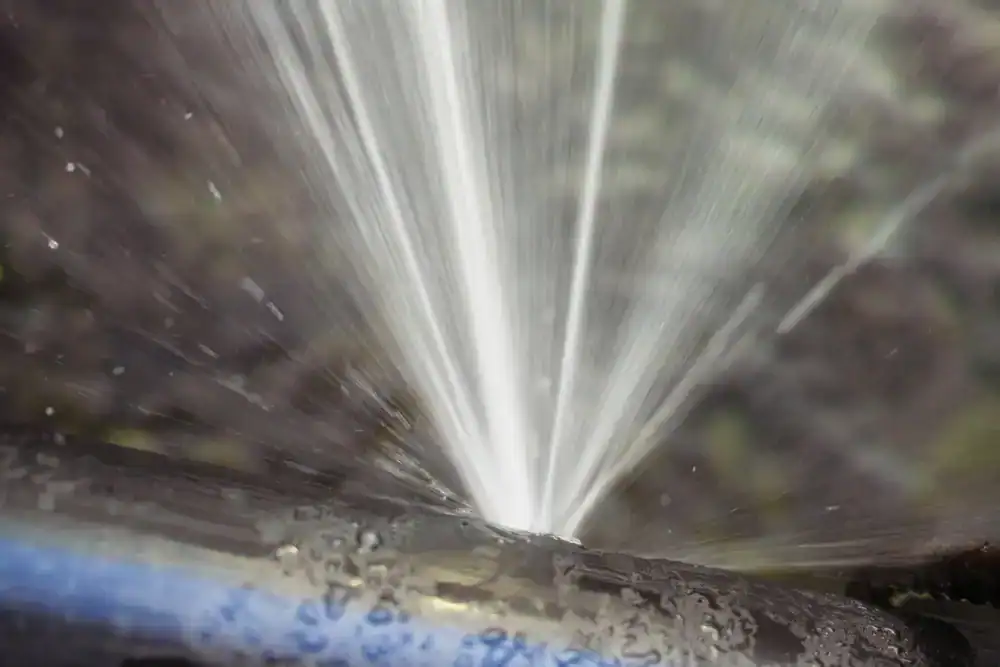
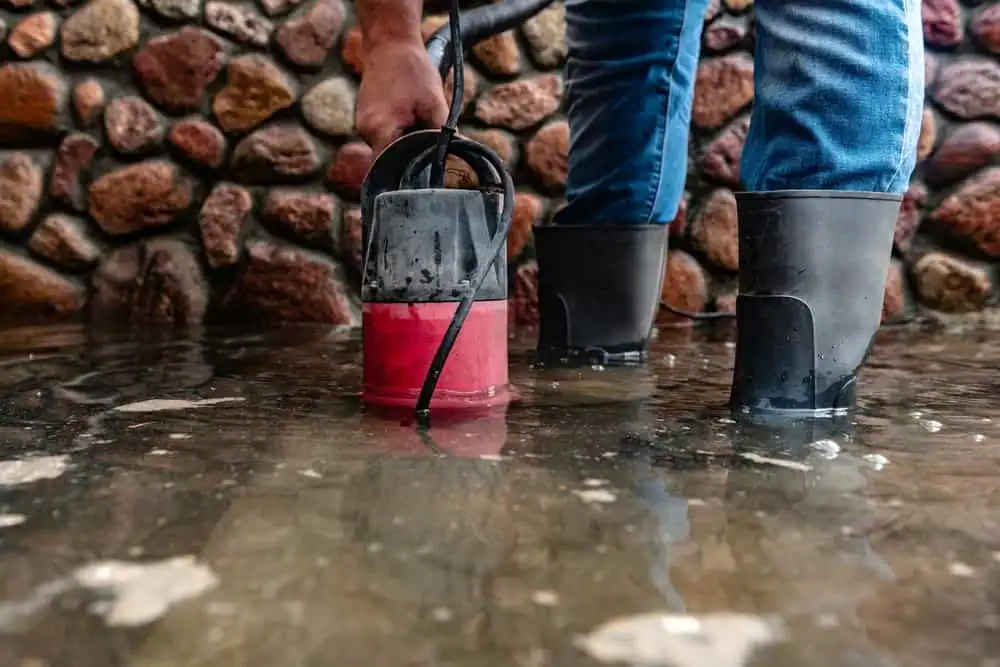
A burst pipe in an Ardsley home doesn’t wait for business hours, and neither do we. We respond 24/7 with full-scope burst pipe repair and water damage restoration — arriving fast enough to stop the spread before hidden damage takes hold in your walls and floors.
I needed a professional consultation explanation of procedure for safe removal of Asbestos in my apartment complex. Without having an account yet, I was very impressed with the caring, knowledgeable and generous advice offered by Jessica, and will look forward to doing business in the future. Thank you so much! I feel much more informed about a sometimes scary endeavor. Peace. Nancy Silva Mineola, NY.
Mia Munoz
Used this company to clean up some water flood in my house. They were fast and easy to work with.very professional, Would recommend to anyone!
Nini Valle
Great company, had a flood and they responded quickly and efficiently. Billed my insurance company directly. I highly recommend this company!
joe colapietro, jr
I had pipe freeze in my basement right before a snow storm and they made to within an hour to help start the clean up process. They we by our side throughout the entire process and even helped with the insurance company. They did such a great job with the cleanup, repair, remidiation, I contracted them to perform the repairs and finishes in the basement. They came with enough manpower and material to get the job done. Leo and Jessica were nothing but a pleasure to deal with!!
Cristian Arredondo c
I had some water damage in my home and Green Island was able to take care of my issue quickly and effectively. I am very pleased with the work they did. They responded quickly and were very professional.
Michael M
Outstanding service! From the office to the field crew everyone was friendly, helpful and responsive. I highly recommend Green Island Group.
What Happens When the Water Stops — and the Real Work Begins
A burst pipe doesn’t just soak your floor. In Ardsley’s older housing stock — much of it built before 1960, with original plaster walls, old-growth lumber framing, and pipes that have been doing their job for decades longer than they were designed to — water gets into places you can’t see and doesn’t come out on its own. Wall cavities hold moisture. Subfloors absorb it. Insulation traps it. And within 24 to 48 hours, mold can start.
What you need after a pipe bursts in Ardsley isn’t just someone to pull out the wet stuff. You need to know the walls are actually dry — not just dry on the surface. You need documentation your insurance adjuster will accept. You need the room to look and function the way it did before any of this happened. That’s the full picture, and that’s what a proper restoration looks like.
For homeowners along the Saw Mill River corridor in Ardsley, there’s an added layer. This area has a documented flooding history, and many homes here face dual exposure — aging plumbing that’s been under stress for decades, plus seasonal water intrusion from storm events that push the river past its banks. If you’ve dealt with a wet basement in March and a frozen pipe in January, you already know Ardsley has its own specific relationship with water damage. The response has to match that reality.
12 Years in Westchester. Ardsley Homes Are Our Specialty.
We’ve been handling water damage, mold remediation, and full restoration work across Westchester County for over 12 years. That means we’ve worked in homes throughout Ardsley — pre-1960 colonials and capes near Ashford Avenue, townhomes in communities like Boulder Ridge and St. Andrews, and older properties throughout the Rivertowns corridor where aging infrastructure is the norm, not the exception.
We’re NYS and NYC M/WBE certified, fully licensed for mold remediation under Article 32 of New York State Labor Law, and fully insured including liability and workers’ compensation. We’ve worked with the NYS Office of General Services, which means we’ve been vetted to standards that most private contractors never face.
What that means for you is straightforward: you’re not calling a franchise that dispatched someone from out of state. You’re calling a company that knows Ardsley, knows the housing stock here, and has the credentials to back up every step of the job — from emergency water extraction to the finished wall.
From the First Call to a Dry, Finished Room in Ardsley
When you call, someone actually answers — any hour, any day. Ardsley is accessible directly off Exit 17 on the Saw Mill River Parkway at Ashford Avenue, and we know these streets. Response time matters here, and we treat it that way.
Once on-site, our first priority is stopping the spread. We extract standing water, assess the full scope of damage using moisture meters and thermal imaging, and identify every affected area — including what’s hidden inside walls and under flooring. In Ardsley’s older homes, that step matters more than most people realize. Original plaster and old-growth lumber absorb moisture deeply and dry slowly. You need actual data, not a visual guess.
From there, we move into structural drying — industrial air movers, dehumidifiers, and daily moisture readings documented in a drying log that follows IICRC S500 standards. If your Ardsley home was built before 1980, we’ll also assess for asbestos-containing materials before any walls are opened, because disturbing them without proper abatement is a legal and health issue that doesn’t get better by ignoring it. We handle abatement in-house, so there’s no second contractor to find and no scheduling gap that lets the damage sit longer than it should. When drying is complete and clearance is confirmed, we move into reconstruction — and the job isn’t done until the room is back to where it was.
Most restoration companies stop at remediation. They dry things out, remove damaged materials, and hand you a bill — leaving you to find a general contractor to put everything back together. We handle the entire scope: emergency water extraction, structural drying, mold remediation, asbestos abatement when it’s needed, and complete reconstruction. One company, one point of contact, from the emergency call to the finished room.
For Ardsley homeowners, that matters in a specific way. A significant portion of the homes here predate 1980, which means asbestos-containing materials — pipe insulation, floor tiles, joint compound, ceiling materials — may be present behind the walls that need to be opened. New York State requires licensed abatement contractors and certified workers for this work. We carry those credentials in-house, which means no subcontractor delays and no legal exposure for you.
We also work directly with your insurance carrier throughout the process. We document the damage in the format adjusters require, communicate with them directly, and advocate for what the job actually needs — not what’s easiest to approve. And if there’s a timing gap between the event and the insurance check, we offer financing up to $200,000 at 0% APR so you can start remediation now, before the mold window closes, without waiting on the claims process to catch up.
How quickly does mold grow after a pipe bursts in an Ardsley home?
Mold can begin growing on wet building materials within 24 to 48 hours of a water intrusion event — and in Ardsley’s older housing stock, that window is less forgiving than in newer construction. Homes built before 1960 often have original plaster walls, old-growth lumber framing, and pre-1980 wall assemblies that absorb moisture deeply and hold it longer than modern materials. The surface may look and feel dry while moisture is still trapped inside the wall cavity or beneath the floor.
That’s why the response timeline matters so much. Calling at midnight and getting a crew dispatched that night isn’t just convenient — it’s the difference between a contained remediation and a mold remediation project that costs three to four times as much. If you’re in the core village near Ashford Avenue or in one of the older neighborhoods off the Saw Mill River corridor in Ardsley, don’t wait until morning to make the call.
Does homeowners insurance typically cover burst pipe damage in Ardsley?
In most cases, yes — sudden and accidental pipe bursts are covered under standard homeowners insurance policies. The key word is “sudden.” If the damage resulted from a slow leak that went unaddressed over time, insurers may push back on the claim. That distinction matters in Ardsley, where many homes have older plumbing systems — galvanized pipes in pre-1960 homes can show years of gradual corrosion before they fail entirely, and adjusters will sometimes argue that the damage wasn’t sudden if there’s evidence of long-term deterioration.
Proper documentation from the start is what protects your claim. When we respond to a burst pipe in Ardsley, we document the damage thoroughly — moisture readings, photos, scope reports — in the format insurance adjusters require. We communicate with your adjuster directly throughout the process and advocate for what the job actually needs. That kind of documentation and representation is what separates a fully covered claim from a disputed one.
What is the difference between a plumber and a water damage restoration company?
A plumber fixes the pipe. That’s a necessary first step, but it’s only the beginning of what a burst pipe actually requires. Once the pipe is repaired and the water stops flowing, you still have standing water to extract, wet building materials to dry out, hidden moisture inside wall cavities to identify and address, and potentially mold to remediate — none of which a plumber is equipped or licensed to handle.
A water damage restoration company handles everything that comes after the pipe is fixed. That includes emergency water extraction, structural drying with industrial equipment, moisture mapping using thermal imaging and calibrated meters, mold assessment and remediation, and full reconstruction of any damaged materials. In Ardsley, where many homes have older wall assemblies and plumbing that’s been under stress for decades, the restoration scope after a burst pipe is often more involved than it looks on the surface. Getting the pipe fixed and stopping there is how a $5,000 remediation job turns into a $20,000 mold problem six weeks later.
Do I need asbestos testing before water damage repair in an older Ardsley home?
If your home was built before 1980, it’s worth taking seriously. Asbestos-containing materials were commonly used in pipe insulation, floor tiles, ceiling tiles, joint compound, and wall insulation throughout that era — and a significant portion of Ardsley’s housing stock falls into that category, particularly in the core village neighborhoods near Ashford Avenue where many homes were built before 1960.
New York State law requires licensed abatement contractors and certified workers to handle asbestos-containing materials. If a burst pipe repair requires opening walls or disturbing materials that contain asbestos, proceeding without proper abatement isn’t just a health risk — it’s a legal liability. We handle asbestos abatement in-house, which means we identify the issue before walls are opened, address it properly, and keep the project moving without the delay of finding and scheduling a separate abatement contractor. It’s one of the most overlooked parts of water damage restoration in older Ardsley homes, and it’s one of the most important ones to get right.
Can a burst pipe in one Boulder Ridge or St. Andrews townhome affect neighboring units?
Yes, and it’s one of the more complicated scenarios we see in Ardsley. Boulder Ridge and St. Andrews are attached and semi-attached townhome communities, which means shared walls, shared structural assemblies, and sometimes shared plumbing infrastructure. When a pipe bursts in one unit, water doesn’t respect property lines — it follows the path of least resistance through shared wall cavities, subfloor assemblies, and insulation that connects your unit to your neighbor’s.
That creates two immediate complications. First, the scope of damage may extend beyond your unit, which affects both the remediation process and the insurance claim. Second, the documentation requirements become more complex when multiple units and potentially multiple insurance policies are involved. We’ve handled this exact scenario in Ardsley’s townhome communities. We document the full scope across affected units, communicate with all relevant parties and adjusters, and manage the remediation as a single coordinated project — which is the only way to make sure everything actually gets dry and stays that way.
How long does structural drying take after a burst pipe in an Ardsley home?
The honest answer is that it depends on the materials involved — and in Ardsley, that often means it takes longer than homeowners expect. Standard structural drying in a newer home with modern drywall and engineered lumber typically takes three to five days under controlled conditions. In an older Ardsley home with original plaster walls, old-growth lumber framing, and pre-1960 wall assemblies, the timeline can extend to seven to ten days or more. Those materials absorb moisture deeply and release it slowly, and rushing the process by declaring a job dry before it actually is creates the exact conditions mold needs to establish itself inside the wall.
Proper drying isn’t a visual assessment — it’s a daily data process. We track moisture readings every day using calibrated meters, document them in a drying log that follows IICRC S500 standards, and don’t move to reconstruction until every material has returned to an acceptable moisture level confirmed by the data. That documentation also matters beyond the job itself: in Ardsley’s real estate market, a fully documented remediation by a licensed contractor is a clean record at resale. Undocumented or incomplete drying work is the kind of thing that surfaces in a buyer’s inspection and creates real problems.