When a Pipe Bursts in a Bardonia 1970s Home, Hours Matter
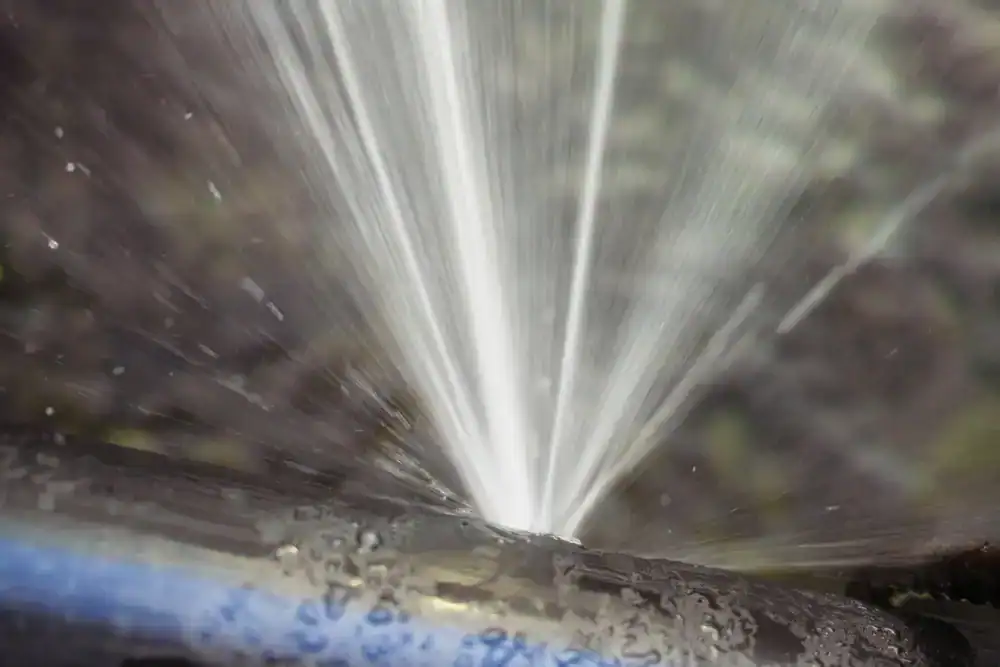
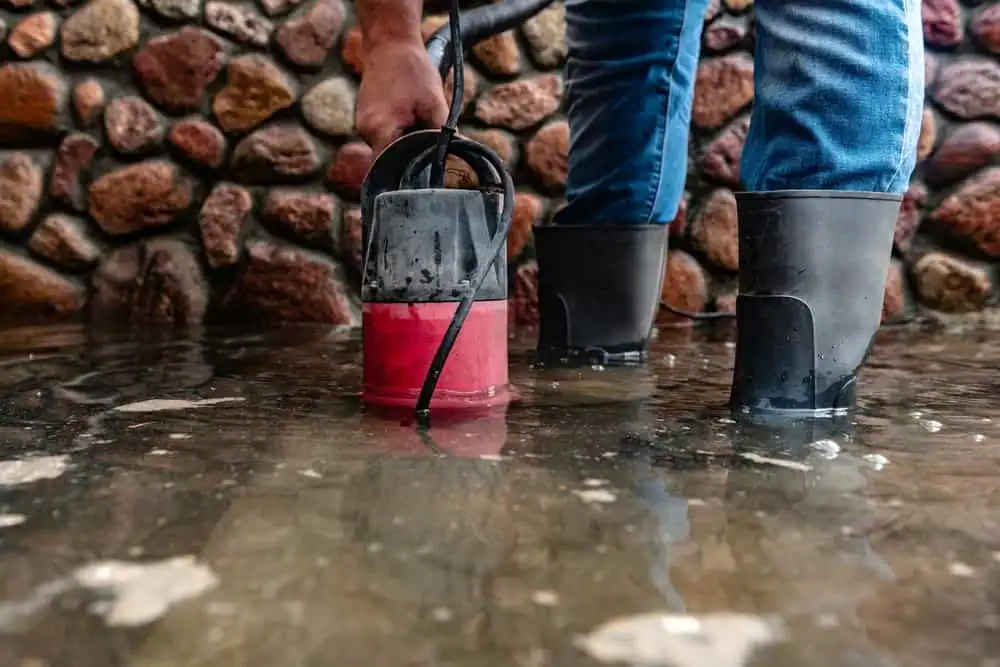
Water doesn’t stay where you can see it. When a pipe bursts in one of Bardonia’s split-levels off Bardonia Road, the water travels into wall cavities, insulation, and subfloor assemblies before most homeowners even realize the full scope of what happened. We respond 24/7 — extracting, drying, and rebuilding before the damage compounds into a mold problem that costs three times as much to fix.
I needed a professional consultation explanation of procedure for safe removal of Asbestos in my apartment complex. Without having an account yet, I was very impressed with the caring, knowledgeable and generous advice offered by Jessica, and will look forward to doing business in the future. Thank you so much! I feel much more informed about a sometimes scary endeavor. Peace. Nancy Silva Mineola, NY.
Mia Munoz
Used this company to clean up some water flood in my house. They were fast and easy to work with.very professional, Would recommend to anyone!
Nini Valle
Great company, had a flood and they responded quickly and efficiently. Billed my insurance company directly. I highly recommend this company!
joe colapietro, jr
I had pipe freeze in my basement right before a snow storm and they made to within an hour to help start the clean up process. They we by our side throughout the entire process and even helped with the insurance company. They did such a great job with the cleanup, repair, remidiation, I contracted them to perform the repairs and finishes in the basement. They came with enough manpower and material to get the job done. Leo and Jessica were nothing but a pleasure to deal with!!
Cristian Arredondo c
I had some water damage in my home and Green Island was able to take care of my issue quickly and effectively. I am very pleased with the work they did. They responded quickly and were very professional.
Michael M
Outstanding service! From the office to the field crew everyone was friendly, helpful and responsive. I highly recommend Green Island Group.
A burst pipe in Bardonia isn’t just a plumbing problem. It’s a wall cavity full of water you can’t see, insulation that’s holding moisture like a sponge, and a mold clock that started ticking the moment it happened. The EPA is clear on this: mold can begin growing on wet building materials within 24 to 48 hours. In a home built in the 1970s — which describes nearly half the housing stock in Bardonia — that means paper-faced drywall, wood framing, and fiberglass insulation are all at risk before most people have even called anyone.
What changes when this is handled right is that you get a real answer. Not “it looks dry” — but calibrated moisture readings behind the walls, a documented drying log, and a structure that’s confirmed dry by IICRC standards before anyone closes anything back up. That’s the difference between a remediated home and a mold problem that shows up inside your walls three months later.
Bardonia’s position adjacent to Lake DeForest and the Hackensack River watershed also matters here. The ambient moisture levels in this part of Clarkstown are higher than in drier inland communities, which means wet building materials don’t dry on their own the way homeowners hope they will. Getting professional drying equipment in place quickly isn’t cautious — it’s necessary.
12 Years Working Inside Bardonia's Homes — We Know What These Walls Hold
We’ve been working in Rockland County for over 12 years, and that means we’ve been inside the split-levels and bi-levels that make up the bulk of Bardonia’s neighborhoods — homes built in an era when pipes ran through exterior wall cavities without the insulation standards that protect modern construction. We know what these Bardonia homes look like from the inside, and we know what water does to them.
We’re NYS and NYC M/WBE certified, fully insured including liability and workers’ compensation, and licensed for mold remediation under Article 32 of New York State Labor Law. We also work directly with the NYS Office of General Services — which means our credentials have been reviewed and verified by state agencies, not just self-reported.
For Bardonia homeowners with significant equity in homes along the Clarkstown Central School District corridor, that level of vetting matters. You’re not rolling the dice on a crew you found through a lead-generation site.
From the 2 AM Call to a Finished Room — Here's How We Handle It
It starts with the call. Our 24/7 emergency line connects to dispatch — not a voicemail, not a scheduling queue. A crew mobilizes and gets to your Bardonia home fast, because every hour water sits in the wall cavities of a 1970s home is an hour closer to a mold problem that’s significantly more expensive than the original burst pipe.
Once on-site, the first step is assessment and containment. We use thermal imaging and moisture meters to map exactly where the water traveled — not just where it’s visible. In Bardonia’s older construction, water routinely travels further than it looks, especially in homes with the open-cavity wall framing common to that era. We bring in extraction and structural drying equipment, and we track moisture levels daily until the structure hits acceptable readings.
From there, any damaged materials — drywall, insulation, subfloor — are removed and documented. If your Bardonia home was built before 1980, which covers the majority of the housing stock here, any work that disturbs wall assemblies gets checked for asbestos-containing materials before demolition begins. That’s not optional under New York State law, and we handle it in-house. No separate abatement contractor, no scheduling gap, no project delay while you find someone else. Reconstruction follows — and the job isn’t done until the room looks and functions the way it did before.
Most restoration companies in Rockland County stop at remediation. They dry the structure, pull the damaged materials, and hand you a report. Then you’re finding a general contractor, waiting on scheduling, and managing two separate project timelines while your walls are still open. We don’t work that way.
Our full scope covers emergency water extraction, structural drying with documented moisture monitoring, mold remediation licensed under NYS Article 32, in-house asbestos abatement for Bardonia’s pre-1980 homes, and complete reconstruction back to finished condition. One contractor, one timeline, one point of contact through the entire process.
Insurance coordination is built into our process, not bolted on as an afterthought. We work directly with carriers — documenting damage in the format adjusters require and advocating for the full scope of what needs to be covered. For a homeowner in Bardonia with a property valued at $618,000 or more, the difference between a well-documented claim and a poorly documented one can be tens of thousands of dollars. If you need to start before the settlement clears, we offer financing up to $200,000 at 0% APR — so the right decision is also the easy one. Any reconstruction work that requires a permit through the Clarkstown Building Department is handled as part of the project, keeping your home’s records clean for any future sale.
How fast does mold actually grow after a burst pipe in Bardonia?
Faster than most people expect. The EPA documents that mold can begin growing on wet building materials within 24 to 48 hours of a water intrusion event. That window applies to any home, but it’s particularly relevant in Bardonia because of two compounding factors. First, nearly 42% of homes here were built in the 1970s — construction that uses paper-faced drywall and fiberglass insulation, both of which support mold colonization quickly once wet. Second, Bardonia sits adjacent to Lake DeForest and the Hackensack River watershed, which means ambient moisture levels in this part of Clarkstown are higher than in drier inland areas. That combination — older building materials and a moisture-rich local environment — means the 48-hour window isn’t a worst-case scenario here. It’s the realistic one. Getting professional extraction and drying equipment in place within hours of the event is the single most effective thing you can do to limit both the mold risk and the total cost of the project.
Does homeowners insurance cover burst pipe repair and water damage in New York?
In most cases, yes — but the details matter more than the general answer. Standard homeowners insurance policies in New York typically cover sudden and accidental water damage from a burst pipe. What they often don’t cover is damage resulting from long-term neglect or a slow leak that went unaddressed. The distinction between “sudden” and “gradual” is where a lot of coverage disputes happen, and it’s where documentation becomes critical. The other place homeowners run into problems is in the scope of the claim. Initial adjuster offers frequently undervalue what proper remediation and reconstruction actually cost — especially in Bardonia, where homes have significant value and the full scope of damage in older wall assemblies isn’t always obvious from a surface inspection. We document damage in the format adjusters require and work directly with your carrier throughout the process. That’s not a courtesy — it’s a meaningful difference in what your claim ultimately covers.
Do I need a permit to repair water damage in my Bardonia home?
It depends on the scope of the work. Cosmetic repairs — repainting a wall, replacing a small section of drywall — generally don’t require a permit. But structural repairs after a burst pipe often do. If the work involves replacing framing, significant drywall sections, flooring systems, or any mechanical systems, you’re typically in permit territory under the Town of Clarkstown’s Building Department requirements. This matters more than people realize when it comes time to sell. Unpermitted work on a home in Rockland County’s real estate market — where Bardonia properties are selling at median prices above $618,000 — has to be disclosed and can create complications with title insurance and mortgage financing for the buyer. Getting the permits pulled correctly as part of the restoration project keeps your home’s records clean and protects your equity. We handle the permit process as part of reconstruction, so it doesn’t fall on you to navigate separately.
What happens if my Bardonia home has asbestos and a pipe bursts inside the wall?
If your home was built before 1980 — which covers the majority of Bardonia’s housing stock — asbestos-containing materials may be present in pipe insulation, floor tiles, ceiling tiles, or joint compound. When a burst pipe requires opening walls or disturbing those materials, New York State law requires proper testing and abatement before demolition proceeds. Proceeding without it isn’t just a health risk — it’s a legal one. The practical problem for most homeowners is that standard restoration companies don’t handle asbestos abatement in-house. That means a separate contractor, a separate scheduling process, and a gap in the project timeline while your home sits with open walls. We have in-house asbestos abatement capability, so if testing identifies a hazard, it’s addressed as part of the same project — no additional contractor to find, no delay, no separate cost negotiation. For a Bardonia home built in 1974, this isn’t an edge case. It’s a real possibility that should be planned for from the start.
How long does it take to dry out a house after a burst pipe in Clarkstown?
The honest answer is that it depends on how far the water traveled and how quickly professional drying equipment was brought in. In a typical scenario where extraction starts within a few hours of the event, structural drying in a residential home takes three to five days. If the water sat for longer — or if it traveled into subfloor assemblies, wall cavities, or crawl spaces — that timeline extends. In Bardonia’s 1970s construction specifically, water tends to travel further than it appears on the surface. Open-cavity wall framing and fiberglass batt insulation both allow water to migrate well beyond the visible damage zone. That’s why moisture mapping with calibrated equipment matters — not just at the start, but throughout the drying process. We track moisture readings daily and don’t declare the structure dry until the numbers confirm it by IICRC standards. “It feels dry” isn’t a measurement. A documented drying log is.
Why should I call a restoration company instead of just a plumber for a burst pipe in Bardonia?
A plumber fixes the pipe. That’s the right first call — stopping the source of the water is the immediate priority. But once the water is off, the plumber’s job is done. What’s left is a structure that has absorbed water into places that aren’t visible, materials that need to be extracted and dried with commercial-grade equipment, and a mold clock that’s already running. In Bardonia, where most homes are 1970s construction with wall assemblies that hold moisture and a local environment that doesn’t naturally dry things out quickly, that second phase of the response is where the real damage either gets controlled or compounds. A restoration contractor brings the moisture mapping, the extraction equipment, the structural drying capacity, the mold remediation licensing, and — in our case — the full reconstruction capability to put the home back together. Calling a plumber and then waiting to see how it dries out is the sequence that turns a manageable event into a $30,000 mold remediation project.