When You Get Home and the Damage Already Has a Head Start
Bedford Hills homeowners are away during the day — and pipes don’t wait. We respond 24/7, handle your insurance, and restore your home start to finish.
I needed a professional consultation explanation of procedure for safe removal of Asbestos in my apartment complex. Without having an account yet, I was very impressed with the caring, knowledgeable and generous advice offered by Jessica, and will look forward to doing business in the future. Thank you so much! I feel much more informed about a sometimes scary endeavor. Peace. Nancy Silva Mineola, NY.
Mia Munoz
Used this company to clean up some water flood in my house. They were fast and easy to work with.very professional, Would recommend to anyone!
Nini Valle
Great company, had a flood and they responded quickly and efficiently. Billed my insurance company directly. I highly recommend this company!
joe colapietro, jr
I had pipe freeze in my basement right before a snow storm and they made to within an hour to help start the clean up process. They we by our side throughout the entire process and even helped with the insurance company. They did such a great job with the cleanup, repair, remidiation, I contracted them to perform the repairs and finishes in the basement. They came with enough manpower and material to get the job done. Leo and Jessica were nothing but a pleasure to deal with!!
Cristian Arredondo c
I had some water damage in my home and Green Island was able to take care of my issue quickly and effectively. I am very pleased with the work they did. They responded quickly and were very professional.
Michael M
Outstanding service! From the office to the field crew everyone was friendly, helpful and responsive. I highly recommend Green Island Group.
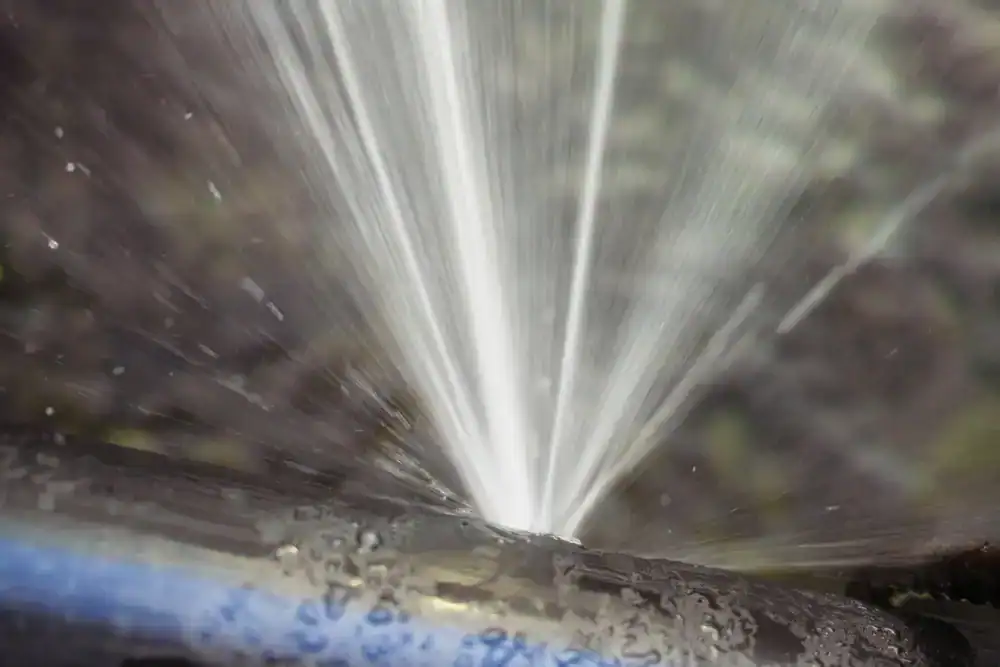
A burst pipe in an older Bedford Hills home isn’t just a plumbing problem. It’s water moving through walls, into subfloors, behind plaster — and a 24 to 48-hour window before mold starts taking hold. What happens in the first few hours after you call determines whether this is a contained repair or a months-long project.
When you get extraction started fast, the drying logs, moisture readings, and documentation are already building your insurance case while the crew is still working. You’re not chasing paperwork later. You’re not managing two separate contractors. The damage gets addressed, the walls get opened safely, and the reconstruction happens under the same roof — one company, one timeline, one point of contact from the emergency call to the finished room.
Bedford Hills has a real commuter dynamic. A lot of households are empty on weekdays, and a pipe that lets go on a Tuesday morning might not be found until evening — or later if you’re traveling. The homes along the older streets near the Metro-North station, many of them built in the early 1900s, carry aging plumbing infrastructure that doesn’t announce itself before it fails. The sooner the call gets made, the more of your home stays intact.
12 Years In Bedford Hills and Westchester — We Know What's Behind These Walls
We’ve been doing this work in Westchester County for over 12 years. That’s not a tagline — it means we’ve been inside the older homes near the Bedford Hills Metro-North station, the larger properties along Harris Road and Babbitt Road, and the townhomes in Guard Hill Manor. We know what northern Westchester construction looks like behind the drywall, and we don’t get surprised by what we find.
We’re NYS and NYC M/WBE certified, fully insured including liability and workers’ compensation, and licensed under New York State’s Article 32 for mold remediation. We also hold an in-house asbestos abatement license — which matters more in this area than most people realize. A significant portion of Bedford Hills homes predate 1978, and when walls need to come open, that has to be handled correctly and legally.
We work with all major insurance carriers and handle the documentation, adjuster communication, and claims process on your behalf. You don’t have to figure out how to talk to your insurance company. That’s our job.
From the First Call to Your Finished Home — Here's How We Handle It
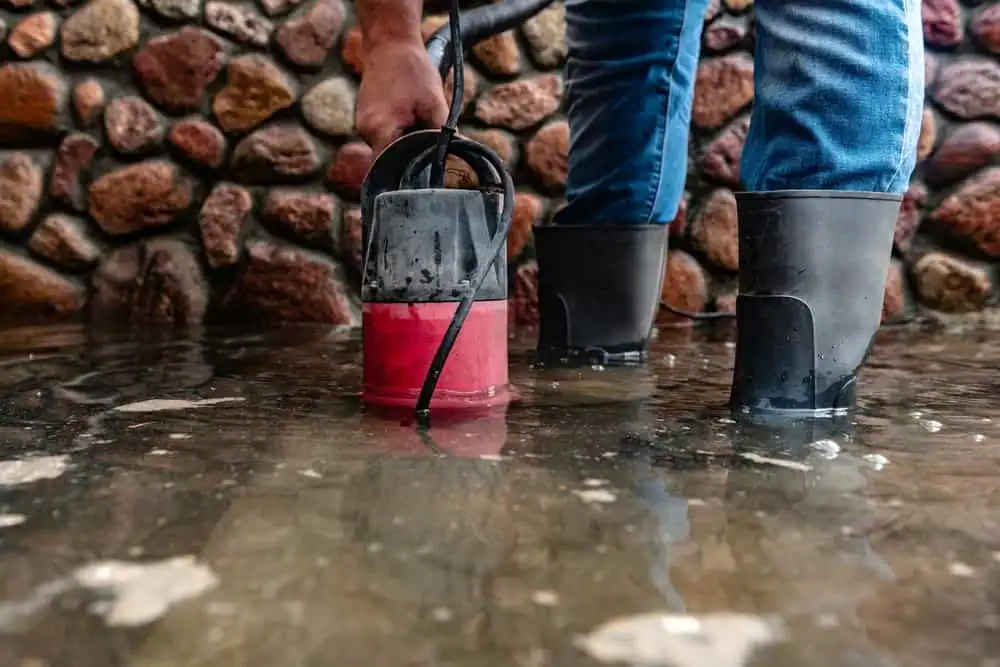
When you call, you reach someone who can dispatch a crew — not a voicemail, not a scheduling form. We get to your Bedford Hills property, assess the scope of the damage, and start extraction immediately. The goal in the first hours is simple: stop the spread and document everything your insurance company is going to need.
Once the water is out, we set up commercial-grade drying equipment and use thermal imaging cameras and calibrated moisture meters to find water that’s moved into wall cavities, under flooring, and into structural framing that looks dry on the surface. This step matters because what you can’t see is usually where mold starts. We map it, we log it, and we don’t move forward until the readings confirm the structure is actually dry — not just surface dry.
If your home was built before 1978 — which covers a lot of the housing stock in Bedford Hills, particularly near the Metro-North station and along the Route 117 corridor — we test for asbestos before walls are opened. This is a legal requirement under New York State Department of Labor regulations, and we handle it in-house without adding a separate contractor or a week of delay to your timeline. After remediation is confirmed and any required Town of Bedford building permits are in place, reconstruction begins. You get your home back — not a dried-out shell waiting on someone else’s schedule.
Mold Remediation and Water Damage Repair Bedford Hills
Everything the Job Requires, Handled Under One Roof
Burst pipe repair in Bedford Hills isn’t a single service — it’s a sequence of connected work that has to happen in the right order by people who know what they’re doing at each stage. We cover the full scope: emergency water extraction, structural drying, moisture mapping, mold remediation, asbestos abatement when required, and complete reconstruction back to finished condition.
The asbestos piece is worth saying plainly. Homes in Bedford Hills and throughout the Town of Bedford that were built before 1978 may contain asbestos in pipe wrap insulation, floor tiles, ceiling materials, and joint compound. When a burst pipe requires opening walls — and it usually does — any asbestos-containing materials that get disturbed have to be handled by a licensed abatement contractor under NYS DOL regulations. We carry that license in-house. You don’t have to find a separate abatement company, wait for their availability, or delay remediation while water continues sitting in your structure.
We also carry up to $200,000 in financing at 0% APR, which means if your insurance claim is under review, your deductible is higher than expected, or you need work started before payment clears, you’re not stuck waiting. Waiting is the most expensive thing you can do after a burst pipe. We make it possible to move immediately regardless of where the insurance process stands.
Does homeowners insurance actually cover burst pipe damage in Bedford Hills, NY?
In most cases, yes — sudden and accidental burst pipe damage is covered under a standard homeowners insurance policy. What insurers look at is whether the damage was sudden or the result of long-term neglect. A pipe that froze and ruptured during a hard cold snap — the kind Bedford Hills sees regularly in January and February when temperatures drop to single digits — is typically covered. A pipe that was visibly corroded and leaking slowly for months may not be.
The more important issue is documentation. Carriers require specific evidence: moisture readings, drying logs, photos taken at each stage of remediation, and a clear record of what was damaged and how it was addressed. We handle all of that documentation as part of the job and work directly with your adjuster throughout the claims process. We’ve been doing this in the Westchester market for over 12 years, and we know what carriers need to process a claim efficiently. You don’t have to figure that out on your own.
How fast does mold actually grow after a burst pipe, and should I be worried?
Mold can begin growing on wet building materials within 24 to 48 hours of a water intrusion event. In older homes with plaster walls, wood framing, and insulation that holds moisture — common in Bedford Hills properties built before the 1970s — that window can be even tighter because those materials absorb water and don’t release it quickly.
The real risk isn’t the mold you can see on the surface — it’s the mold growing inside wall cavities where it’s invisible and where standard drying methods don’t reach. We use thermal imaging cameras and calibrated moisture meters to find water that has migrated into structural framing and wall cavities that appear dry from the outside. We don’t close walls or sign off on a job until the readings confirm the structure is actually dry throughout. If mold has already established, we handle remediation under our NYS Article 32 Mold Remediation Contractor License — which is a legal requirement for any company doing this work in New York State.
My Bedford Hills home was built in the 1950s — do I need asbestos testing before repairs start?
If your home was built before 1978 and walls need to be opened for remediation — which is standard in most burst pipe situations — then yes, asbestos testing is required before disturbing those materials. New York State Department of Labor regulations are clear on this: pipe wrap insulation, floor tiles, ceiling tiles, and joint compound in pre-1978 construction commonly contain asbestos, and any work that disturbs those materials must be performed by a licensed asbestos abatement contractor.
A lot of homes in Bedford Hills along the streets near the Metro-North station and the Route 117 corridor fall into this category. The issue isn’t just health risk — it’s legal exposure. Hiring a restoration contractor who proceeds without proper abatement creates liability for the homeowner and can create serious complications if you sell the property later. We carry an in-house asbestos abatement license, so this step is handled as part of the same project without adding a separate contractor, a separate schedule, or days of delay while water continues sitting in your walls.
What's the difference between a restoration company and just calling a plumber for a burst pipe?
A plumber fixes the broken pipe — that’s their job, and it’s an important first step. But the pipe is usually the smallest part of the problem. By the time a pipe bursts and water has been moving through your home, you’re dealing with saturated drywall, wet insulation, water in subfloors, potential mold risk, and in older homes, possible asbestos-containing materials that need to be handled before walls can be opened safely.
A restoration contractor handles what comes after the plumber leaves. That means water extraction, structural drying, moisture mapping, mold remediation if needed, and reconstruction back to finished condition. We also handle the insurance documentation and claims process, which a plumber isn’t equipped to do. In a northern Westchester home — especially one with the older construction common in Bedford Hills — the restoration scope is almost always more significant than the plumbing repair itself. Getting both handled quickly and correctly is what determines your final cost and timeline.
How much does burst pipe water damage repair typically cost in Westchester County?
The range is wide because the scope varies so much. A contained burst in a newer home with accessible plumbing and no secondary damage might run $3,000 to $8,000. A burst pipe in an older Bedford Hills home — particularly one that went undetected for a day or more while the homeowner was commuting or traveling — can easily reach $20,000 to $50,000 or more once you factor in structural drying, mold remediation, asbestos abatement if required, and full reconstruction.
The single biggest cost driver is time. The longer water sits in a structure, the deeper it penetrates and the more material has to be removed and replaced rather than dried in place. This is why the commuter dynamic in Bedford Hills matters — a pipe that fails on a weekday morning in an empty house has hours to work before anyone finds it. We offer financing up to $200,000 at 0% APR, so cost or insurance timing doesn’t have to be a reason to delay getting the work started. Delay is what turns a manageable repair into a major reconstruction.
Why should I choose Green Island Group over a national franchise like SERVPRO in Bedford Hills?
National franchises have name recognition, but what you’re actually getting is a local franchise operator using a national brand. The quality, the crew, and the capabilities vary significantly from one franchise location to the next — and in the restoration industry, capabilities matter a lot. Most restoration companies, franchise or independent, stop at remediation. They dry things out and hand the project off to a general contractor for reconstruction. That means you’re managing two contractors, two timelines, and two billing relationships while your home sits in an unfinished state.
We handle the full scope in-house — extraction, drying, mold remediation, asbestos abatement, and complete reconstruction — under one roof, with one point of contact. We’ve been operating in Westchester County for over 12 years, hold NYS and NYC M/WBE certification, carry an in-house asbestos abatement license that’s specifically relevant to the pre-1978 housing stock throughout Bedford Hills and the Town of Bedford, and we handle your insurance claim directly. For a homeowner who commutes to the city and doesn’t have time to manage a multi-contractor restoration project, that difference is not a small one.