When Blauvelt's Older Homes Spring a Leak, Act Fast
Burst pipe damage spreads fast — and in Blauvelt, where most homes were built in the 1950s and 60s, what’s inside those walls matters. We respond 24/7 and handle everything from water extraction to finished reconstruction.
I needed a professional consultation explanation of procedure for safe removal of Asbestos in my apartment complex. Without having an account yet, I was very impressed with the caring, knowledgeable and generous advice offered by Jessica, and will look forward to doing business in the future. Thank you so much! I feel much more informed about a sometimes scary endeavor. Peace. Nancy Silva Mineola, NY.
Mia Munoz
Used this company to clean up some water flood in my house. They were fast and easy to work with.very professional, Would recommend to anyone!
Nini Valle
Great company, had a flood and they responded quickly and efficiently. Billed my insurance company directly. I highly recommend this company!
joe colapietro, jr
I had pipe freeze in my basement right before a snow storm and they made to within an hour to help start the clean up process. They we by our side throughout the entire process and even helped with the insurance company. They did such a great job with the cleanup, repair, remidiation, I contracted them to perform the repairs and finishes in the basement. They came with enough manpower and material to get the job done. Leo and Jessica were nothing but a pleasure to deal with!!
Cristian Arredondo c
I had some water damage in my home and Green Island was able to take care of my issue quickly and effectively. I am very pleased with the work they did. They responded quickly and were very professional.
Michael M
Outstanding service! From the office to the field crew everyone was friendly, helpful and responsive. I highly recommend Green Island Group.
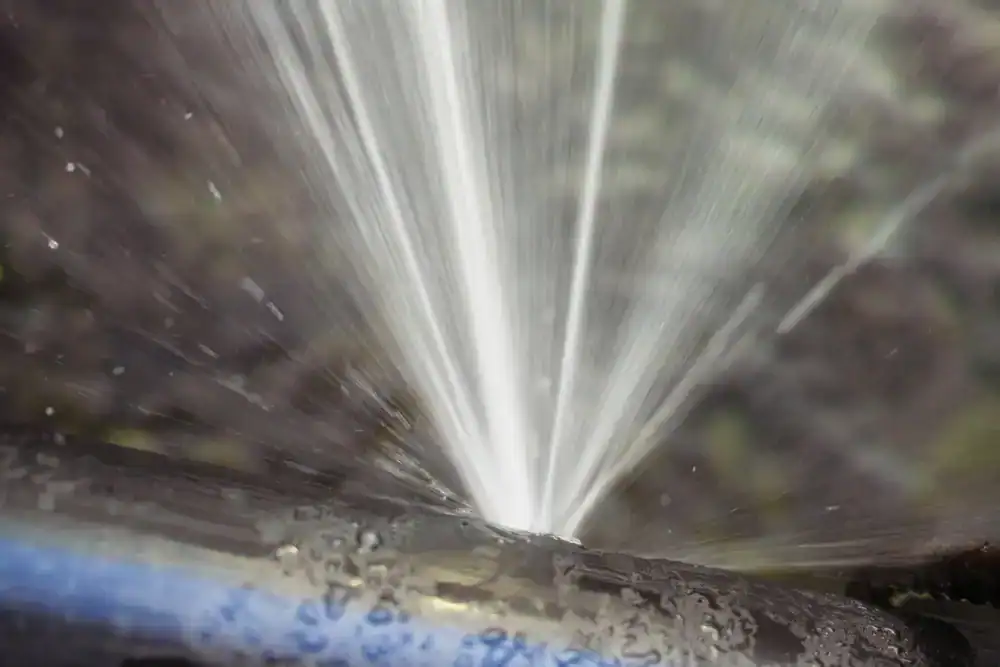
The moment a pipe bursts, water starts moving — into your subfloor, behind your drywall, under your baseboards. By the time you notice the stain on the ceiling or the warped floor in your Blauvelt home, it’s already been sitting. And in a house built in the 1950s or 60s, that water isn’t just touching drywall — it’s touching decades-old materials that absorb moisture fast and dry slowly.
Mold can start growing within 24 to 48 hours on wet building materials. This is what the EPA documents, and it’s why the response window matters as much as the response itself. When you call us, you’re not scheduling a consultation. You’re getting a crew dispatched to start extracting, drying, and protecting your home before that window closes.
What you end up with isn’t just a dry house. It’s a fully restored one — walls rebuilt, flooring replaced, everything back to where it was before the pipe failed. One company, one point of contact, and a finished room at the end of it. For Blauvelt homeowners protecting a property worth well over half a million dollars, that kind of complete follow-through isn’t a luxury. It’s the only approach that actually makes sense.
We’ve been doing this work in Rockland County and the Hudson Valley for over 12 years. That means we’ve worked in the ranches and Cape Cods off Route 303 in Blauvelt, the older Colonials closer to Blauvelt State Park, and the Dutch sandstone properties that make this hamlet genuinely unlike anywhere else in the county. We know what aging plumbing looks like in these homes, and we know what it takes to restore them properly.
We hold NYS and NYC M/WBE certification — a government-administered credential, not a self-assigned badge — and we’ve worked with the NYS Office of General Services on state-level contracts. That level of accountability carries over to every residential job we take on. We’re fully insured, including liability and workers’ compensation, and we’re licensed for mold remediation under New York State’s Article 32 requirements.
When something goes wrong in your home, you want one company that can handle all of it. We’re built exactly that way.
From the First Call to the Finished Room — Here's Our Process
It starts the moment you call. We operate a real 24/7 emergency line — not a voicemail, not an after-hours answering service. Someone picks up, and a crew gets dispatched. In Blauvelt, where most homes are owner-occupied and fully lived-in year-round, that response time is everything. You’re not dealing with a vacant property. You’re standing in your kitchen watching water spread across the floor.
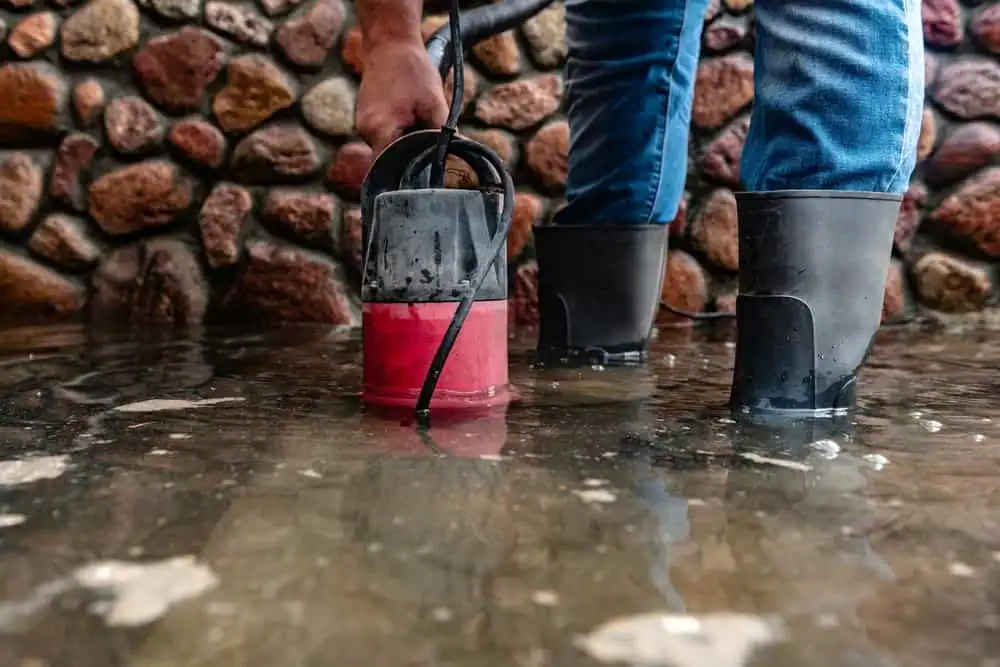
Once our crew arrives, the first priority is stopping the spread. Water extraction, containment, and moisture mapping come before anything else. Industrial drying equipment goes in — not fans from a hardware store, but commercial-grade dehumidifiers and air movers positioned based on where the moisture readings actually are. This isn’t guesswork. It’s tracked with tools that show what’s wet inside the wall, not just what’s visible on the surface.
From there, any damaged materials get removed and assessed. If your home was built before 1980 — which covers the majority of Blauvelt’s housing stock — we check for asbestos-containing materials before opening walls. We handle abatement in-house, which keeps your project moving without the delay of scheduling a separate subcontractor. Once everything is clean, dry, and safe, reconstruction begins. Drywall, flooring, trim, paint — whatever the scope requires. And because Orangetown requires building permits for significant reconstruction work, that process is handled as part of the job, not handed back to you to figure out.
This isn’t a remediation-only service that leaves you with open walls and a referral to a general contractor. We cover the full scope — emergency water extraction, structural drying, moisture mapping, mold remediation, asbestos abatement when needed, and complete reconstruction back to pre-loss condition. Every phase is handled under one roof, by one team, with one point of contact throughout.
For Blauvelt homeowners specifically, the asbestos piece matters more than most people realize. Homes built in the 1950s and 60s — the dominant housing stock in this hamlet — commonly contain asbestos in pipe insulation, floor tiles, ceiling tiles, and joint compound. Disturbing those materials without proper abatement isn’t just a health risk; it can create legal liability under New York State law. Because we handle abatement in-house, you don’t lose days or weeks waiting for a separate crew to come in before restoration can continue.
Insurance is also handled directly. We work with all major carriers, document the damage in the format adjusters require, and manage the communication on your behalf from start to finish. If there’s a timing gap between when remediation needs to start and when your claim settles, we offer financing up to $200,000 at 0% APR so you never have to delay protecting your home for financial reasons. That combination — full-scope restoration, in-house abatement, insurance advocacy, and flexible financing — is what separates us from every other option serving the Blauvelt area.
Does homeowners insurance cover burst pipe damage in Blauvelt, NY?
In most cases, yes — but the details matter. Standard homeowners insurance policies typically cover sudden and accidental water damage from a burst pipe, including the cost of drying, remediation, and reconstruction. What they often don’t cover is the pipe repair itself, or damage that resulted from a slow leak that went unaddressed over time. Insurers draw a clear line between sudden damage and neglected maintenance.
For Blauvelt homeowners, the age of the housing stock adds a layer of complexity. If your home has older galvanized plumbing — common in homes built in the 1950s and 60s — and an adjuster determines the pipe failure was due to long-term deterioration rather than a sudden freeze event, there can be coverage disputes. We document the damage thoroughly from the start, handle all adjuster communication, and advocate for your interests throughout the claims process. You don’t have to become an insurance expert to get a fair outcome.
How fast does mold grow after a pipe bursts inside a wall?
Mold can begin growing on wet building materials within 24 to 48 hours of a water intrusion event. This timeline is documented by the EPA and FEMA, and it applies to any organic material that stays wet — drywall, wood framing, insulation, subfloor. The tricky part is that the materials most at risk are the ones you can’t see. Water travels fast inside wall cavities, and by the time you notice visible damage, the conditions for mold growth may already be in place.
This is why response time matters as much as the quality of the work itself. A burst pipe discovered on a Sunday night in Blauvelt needs professional extraction started that night — not scheduled for Monday morning. Our 24/7 emergency response exists precisely for this reason. Getting commercial-grade drying equipment in place within hours of a pipe failure is what separates a contained remediation project from a mold remediation project that’s three times the scope and three times the cost.
Do I need a permit for water damage restoration work in Blauvelt?
It depends on the scope of the work. In Blauvelt, building and zoning is administered by the Town of Orangetown’s Office of Building, Zoning, Planning, Administration and Enforcement — the OBZPAE — located in Orangeburg. Emergency mitigation work like water extraction and drying typically doesn’t require a permit. But once you move into reconstruction — replacing drywall, flooring, structural framing, or modifying any plumbing — Orangetown generally requires a building permit before that work begins.
This is an area where working with an experienced, licensed contractor matters. We handle the permit process as part of the job. You don’t need to file applications, schedule inspections, or navigate Orangetown’s requirements on your own. It’s built into how we manage the project from remediation through reconstruction, so nothing gets held up and nothing gets done out of order. For a homeowner who’s already dealing with the stress of a burst pipe, having that handled is one less thing to think about.
My Blauvelt home was built in the 1950s — should I be worried about asbestos during restoration?
It’s a legitimate concern, and it’s one that doesn’t get enough attention in the restoration industry. Homes built before 1980 — which includes the vast majority of Blauvelt’s housing stock — were commonly constructed with asbestos-containing materials. Pipe insulation on older steam heating systems, floor tiles, ceiling tiles, and joint compound are among the most common sources. When a pipe bursts and restoration crews start opening walls, those materials can be disturbed without anyone realizing it.
Under New York State law, disturbing asbestos-containing materials without proper abatement first creates real legal and health liability. Most restoration companies either don’t check, or they have to stop the project and bring in a separate abatement subcontractor — which can add days or weeks to your timeline. We perform asbestos abatement in-house. We assess before we open anything, and if abatement is needed, it gets handled by the same team without breaking the project’s momentum. For a pre-1980 home in Blauvelt, that capability isn’t a bonus — it’s a necessity.
How long does burst pipe remediation and restoration typically take?
The honest answer is that it depends on how much water got in, how long it sat, and what it touched. A contained pipe failure caught quickly — say, a supply line under a sink that was discovered within an hour — might be fully dried and ready for minor reconstruction within three to five days. A pipe that failed overnight in a finished basement, soaking into framing, subfloor, and drywall across a larger area, is a different situation entirely.
The structural drying phase alone typically takes three to five days with commercial equipment in place, and that’s before any reconstruction begins. If asbestos abatement is required — which is a real possibility in Blauvelt’s older homes — that adds time before walls can be opened. We use moisture mapping to track drying progress scientifically, so the timeline isn’t guesswork. We don’t move to reconstruction until readings confirm the structure is genuinely dry, because rebuilding over moisture is how mold problems develop months later.
Can Green Island Group handle the insurance claim directly, or do I have to manage that myself?
We handle the insurance process directly on your behalf. We document the damage in the format adjusters require, communicate with your carrier throughout the claim, and advocate for a settlement that reflects the actual scope of the work. You don’t have to learn how to write a damage report or spend hours on the phone with an adjuster while also managing a household disruption.
This matters in Blauvelt specifically because the homes here aren’t simple to restore. A 1950s Colonial with original hardwood floors, plaster walls, and period trim requires documentation that captures the true replacement cost of those materials — not a generic square-footage estimate. Adjusters don’t always volunteer the highest applicable coverage, and having a restoration contractor who knows how to document and present the claim accurately makes a measurable difference in the outcome. We’ve been doing this in Rockland County for over 12 years, and direct insurance billing is a core part of how we work — not an add-on.