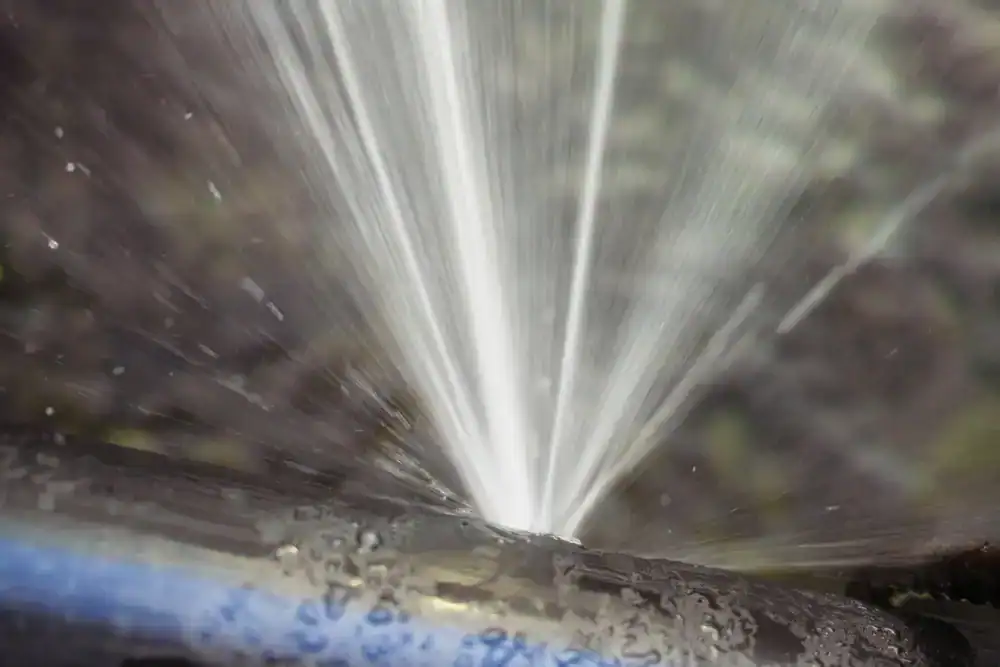
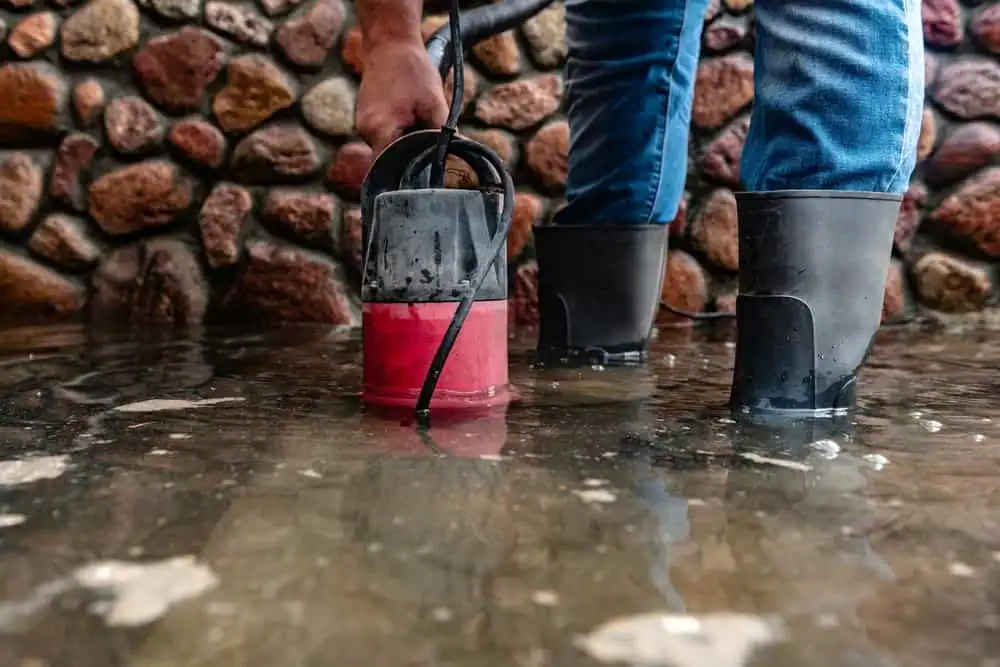
One call gets you a crew tonight — not a voicemail, not a next-day estimate. We handle burst pipe repair in Carmel, NY from emergency extraction through full reconstruction.
I needed a professional consultation explanation of procedure for safe removal of Asbestos in my apartment complex. Without having an account yet, I was very impressed with the caring, knowledgeable and generous advice offered by Jessica, and will look forward to doing business in the future. Thank you so much! I feel much more informed about a sometimes scary endeavor. Peace. Nancy Silva Mineola, NY.
Mia Munoz
Used this company to clean up some water flood in my house. They were fast and easy to work with.very professional, Would recommend to anyone!
Nini Valle
Great company, had a flood and they responded quickly and efficiently. Billed my insurance company directly. I highly recommend this company!
joe colapietro, jr
I had pipe freeze in my basement right before a snow storm and they made to within an hour to help start the clean up process. They we by our side throughout the entire process and even helped with the insurance company. They did such a great job with the cleanup, repair, remidiation, I contracted them to perform the repairs and finishes in the basement. They came with enough manpower and material to get the job done. Leo and Jessica were nothing but a pleasure to deal with!!
Cristian Arredondo c
I had some water damage in my home and Green Island was able to take care of my issue quickly and effectively. I am very pleased with the work they did. They responded quickly and were very professional.
Michael M
Outstanding service! From the office to the field crew everyone was friendly, helpful and responsive. I highly recommend Green Island Group.
Here’s what most people don’t realize after a burst pipe: the water you can see is rarely the water that causes the most damage. It moves fast — into wall cavities, under subfloor assemblies, through insulation — and it sits there invisibly while the surface feels completely dry to the touch. By the time you notice a smell or see discoloration, mold has already had a head start. The EPA documents that mold can begin growing on wet materials within 24 to 48 hours of a water event. That window matters enormously.
For Carmel residents, the risk is higher than most people expect. A large portion of the homes around Lake Carmel were originally built as summer bungalows in the 1930s and 1940s — seasonal structures that were never designed with year-round plumbing in mind. Many have been converted to full-time residences over the decades, but the crawl spaces, wall configurations, and pipe runs haven’t always been updated to match. When a January cold snap hits and temperatures drop hard overnight, those are exactly the homes that fail first. If you’re commuting to Westchester or the city and you don’t discover it until you walk in at 6 PM, that’s potentially ten or eleven hours of water running before anyone makes a call.
The difference between a manageable water loss and a full mold remediation project often comes down to how fast the right crew gets there — and whether they’re equipped to handle everything on the spot, not just the visible part.
We’ve been doing this work in the Hudson Valley and Putnam County for over 12 years. That means we’ve worked inside the Lake Carmel bungalows, the older homes near the Putnam County Courthouse on Gleneida Avenue, and the lakefront properties around Lake Mahopac that sit empty for weeks at a time. We know what these structures look like on the inside, and we know what to look for when a pipe fails in one of them.
We’re NYS and NYC M/WBE Certified, fully insured with liability and workers’ compensation coverage, and we hold a New York State Mold Remediation Contractor License — which is a legal requirement under Article 32 of the Labor Law, not a voluntary badge. We handle the full scope in-house: water extraction, structural drying, mold remediation, asbestos abatement when the building calls for it, and complete reconstruction. You’re not managing two contractors or waiting on a subcontractor to free up. One company, start to finish.
What Happens From Your First Call to Finished Reconstruction
When you call, you reach someone who can dispatch a crew — not a scheduling system that books you for Tuesday. For a burst pipe, response time is the single most important variable in what this ends up costing you, so we move fast.
Once we’re on-site, the first priority is stopping the active damage and assessing the full scope. We use calibrated moisture meters and thermal imaging to map where the water actually traveled — not just where it’s visible. In a Lake Carmel cottage or an older hamlet home, water can wick through unexpected paths, and missing a wet section behind a wall is how mold problems develop weeks after the job looks finished. We document everything thoroughly, because that documentation is also what your insurance adjuster needs to process the claim correctly.
From there, we move into extraction and structural drying — industrial-grade equipment, not consumer fans. If the walls need to come open and the home was built before 1980, we test for asbestos before proceeding. That’s not optional under New York State law, and skipping it creates real liability for you as the homeowner. The Town of Carmel Building Department also requires permits for structural reconstruction work, and we handle that process on your behalf. When the drying is confirmed complete by instrument readings — not by feel — reconstruction begins. The job ends when the room looks and functions the way it did before the pipe failed.
A lot of restoration companies stop when the drying equipment comes out. They hand you a report, close the job, and leave you to find a contractor for the reconstruction. That’s a real problem for Carmel homeowners who are already stretched thin managing a commute, an insurance claim, and a house that’s partially torn apart.
We cover the complete scope. Emergency water extraction. Industrial structural drying with moisture verification. Mold remediation performed under a separate licensed assessor as required by New York State law. In-house asbestos abatement for the pre-1980 housing stock that makes up a significant portion of the Lake Carmel community and the historic areas around the hamlet of Carmel. Full reconstruction back to finished condition, including permit coordination with the Town of Carmel Building Department. And direct insurance billing — we document the damage, communicate with your carrier, and handle the claims process so you’re not navigating that alone.
For homeowners dealing with coverage gaps, high deductibles, or a disputed claim, we also offer financing up to $200,000 at 0% APR. Delaying remediation to manage cash flow almost always increases the total cost, because the damage doesn’t wait. Getting the work done now and paying over time at no interest is almost always the better financial decision.
Does homeowners insurance actually cover burst pipe damage in Carmel, NY?
In most cases, yes — sudden and accidental pipe bursts are covered under standard homeowners insurance policies. The key word is “sudden.” If an adjuster determines that the pipe failed due to long-term neglect, gradual leakage, or a maintenance issue that went unaddressed, coverage can be denied or reduced. This distinction matters a lot in Carmel’s older housing stock, particularly in the Lake Carmel bungalow community where pipes may have been aging for decades without a documented maintenance history.
The documentation you submit with the claim makes a significant difference in how it’s processed. Adjusters need specific information — moisture readings, scope of damage, affected materials — presented in a format they work with. We handle this documentation process directly and communicate with your carrier throughout. Homeowners who try to manage the claims process themselves while also dealing with an active water damage situation frequently end up with lower settlements than they’re entitled to, simply because the documentation wasn’t complete or formatted correctly.
How quickly can mold develop after a pipe bursts in my Carmel home?
Mold can begin growing on wet building materials within 24 to 48 hours of a water intrusion event. That’s not a worst-case scenario — that’s the standard biological timeline under normal indoor conditions. In a Carmel home during winter, where humidity levels inside can fluctuate significantly as heating systems run, the conditions for mold growth can develop even faster in certain materials like drywall, insulation, and wood framing.
For commuter households in Carmel — where both adults may be away from home for ten to twelve hours on a workday — this timeline is particularly relevant. A pipe that fails at 7 AM may not be discovered until evening, meaning the mold clock has already been running for most of the day before anyone calls. That’s the scenario that turns a straightforward water extraction job into a mold remediation project. Getting a crew on-site the same day the damage is discovered is the most effective way to stay ahead of that timeline.
Why are pipes in Lake Carmel homes more likely to freeze and burst?
The Lake Carmel community was developed between 1928 and the late 1940s as seasonal summer housing — small bungalows and cottages built for New York City families looking for a weekend retreat. They were not designed for year-round occupation, and they were certainly not built with freeze protection in mind. Over the decades, many of these homes have been converted to full-time residences, but the underlying plumbing configurations often haven’t been fully updated. Pipes that run through unheated crawl spaces or along exterior walls — common in these structures — are the most vulnerable to freezing when temperatures drop hard overnight.
Putnam County winters are meaningfully colder than what you’d experience in coastal Westchester. Extended periods below 20°F are a regular feature of January and February in Carmel, and that’s the threshold where uninsulated or inadequately protected pipes are at serious risk. If your Lake Carmel home still has its original or early-replacement plumbing, or if you’re not certain where the pipes run, those are worth having assessed before the next cold snap — not after.
Do I need to worry about asbestos if a pipe bursts in my older Carmel home?
If your home was built before 1980, yes — this is something you need to address before remediation work begins. Asbestos was commonly used in pipe insulation, floor tiles, ceiling tiles, and joint compound in homes built through the late 1970s. When a burst pipe requires opening walls or disturbing those materials, New York State law requires that asbestos-containing materials be identified and properly abated by a licensed contractor before any remediation proceeds.
This applies directly to a large portion of Carmel’s housing stock — virtually the entire Lake Carmel bungalow community falls into this category, as do many of the older homes in and around the hamlet of Carmel near Gleneida Avenue. A restoration contractor who skips the asbestos testing step in a pre-1980 home is creating legal liability for themselves and for you as the homeowner. We handle asbestos abatement in-house, which means this step doesn’t add a separate contractor, a separate schedule, or a separate negotiation to an already complicated situation.
What happens if my vacation property near Lake Mahopac had a pipe burst while I was away?
This is one of the more serious scenarios we deal with regularly in Carmel. Lakefront properties around Lake Mahopac and Lake Gleneida are frequently used seasonally or as weekend retreats, and when they’re left unoccupied during a cold stretch — especially if the heat is set to a minimum temperature — a pipe failure can go undetected for days. By the time the owner returns or a neighbor notices something, the water has had time to saturate floors, walls, and structural framing throughout the property.
Water damage that has been sitting for 48 hours or more is classified differently than a fresh loss, and the remediation scope reflects that. Mold is likely already present or developing, affected materials may need to be removed rather than dried in place, and the reconstruction scope is typically more extensive. The most important thing you can do in this situation is call immediately and get a crew on-site for a full moisture assessment — not just a visual check. The longer the gap between discovery and response, the higher the final cost.
How long does burst pipe repair and water damage restoration take in Carmel?
The honest answer is that it depends on how much water moved and where it went. A contained burst in a single room of a newer home, caught within a few hours, can be fully dried and reconstructed in one to two weeks. A more extensive loss — particularly in one of Carmel’s older Lake Carmel bungalows where water can reach multiple rooms quickly through a small floor plan, or in a home where the damage sat for an extended period — can take four to six weeks or longer when you factor in drying time, mold remediation, asbestos abatement if required, and reconstruction.
The drying phase alone typically takes three to five days minimum, and it shouldn’t be called complete based on how the walls feel — it should be confirmed with instrument readings. Rushing that step and closing walls before the structure is genuinely dry is one of the most common causes of mold problems that show up months later. We also coordinate building permits with the Town of Carmel for any structural reconstruction work, which adds a step but protects you legally and ensures the work is done to code. We’ll give you a realistic timeline at the assessment — not an optimistic one designed to win the job.