When a Pipe Bursts in Chappaqua, We Respond Before the Damage Spreads
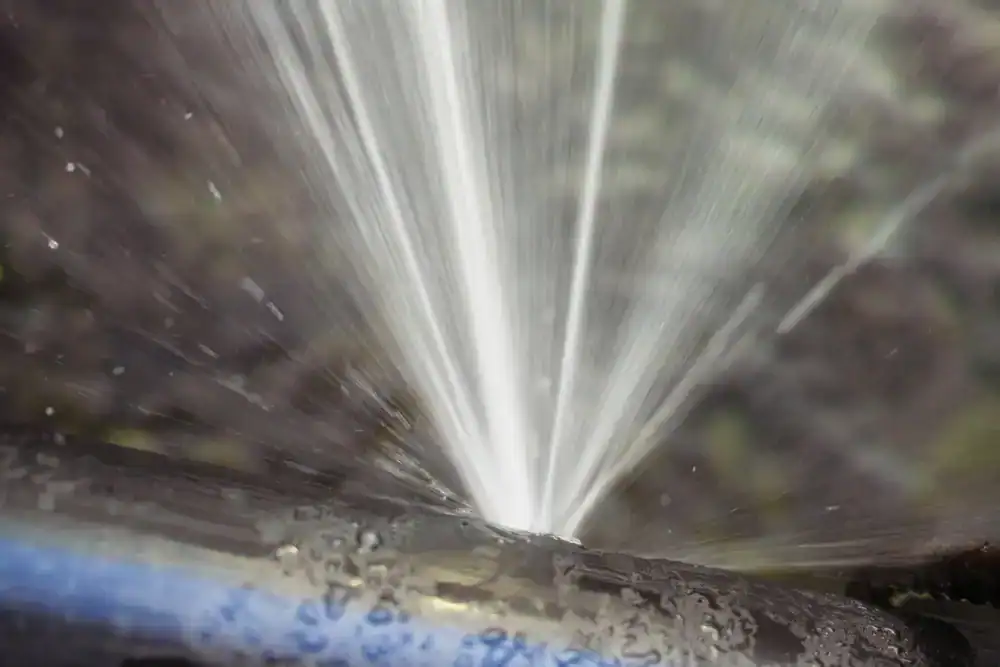
When a pipe bursts in a Chappaqua home worth over a million dollars, every hour matters. We respond 24/7 and handle burst pipe repair from emergency extraction to finished reconstruction — including your insurance claim. In a community where homes were built in the 1940s through 1960s with galvanized steel pipes running through unheated spaces, we know exactly what’s at stake when water gets inside the walls.
I needed a professional consultation explanation of procedure for safe removal of Asbestos in my apartment complex. Without having an account yet, I was very impressed with the caring, knowledgeable and generous advice offered by Jessica, and will look forward to doing business in the future. Thank you so much! I feel much more informed about a sometimes scary endeavor. Peace. Nancy Silva Mineola, NY.
Mia Munoz
Used this company to clean up some water flood in my house. They were fast and easy to work with.very professional, Would recommend to anyone!
Nini Valle
Great company, had a flood and they responded quickly and efficiently. Billed my insurance company directly. I highly recommend this company!
joe colapietro, jr
I had pipe freeze in my basement right before a snow storm and they made to within an hour to help start the clean up process. They we by our side throughout the entire process and even helped with the insurance company. They did such a great job with the cleanup, repair, remidiation, I contracted them to perform the repairs and finishes in the basement. They came with enough manpower and material to get the job done. Leo and Jessica were nothing but a pleasure to deal with!!
Cristian Arredondo c
I had some water damage in my home and Green Island was able to take care of my issue quickly and effectively. I am very pleased with the work they did. They responded quickly and were very professional.
Michael M
Outstanding service! From the office to the field crew everyone was friendly, helpful and responsive. I highly recommend Green Island Group.
A burst pipe doesn’t just leave water on the floor. It soaks into the subfloor, travels behind the drywall, saturates the insulation, and starts the clock on mold — which the EPA documents can begin growing within 24 to 48 hours of a water intrusion event. In a Chappaqua home with finished hardwood floors, a renovated kitchen, or a basement family room, that window is not abstract. It’s the difference between a contained remediation job and a project that doubles in scope before you’ve even called your insurance company.
Chappaqua’s housing stock makes this more complicated than it sounds. The majority of homes in the Town of New Castle were built between 1940 and 1969 — the era when galvanized steel pipes were standard and asbestos was routinely used in pipe insulation, floor tiles, and joint compound. When burst pipe repair requires opening walls in a Chappaqua home of that age, disturbing those materials without proper testing and licensed abatement isn’t just a risk — it’s a violation of New York State law. Most restoration companies in Northern Westchester don’t have in-house abatement capability. We do.
When the job is done, you’re not left with open walls and a dehumidifier receipt. You get a fully restored home, documented for your insurance carrier, with every phase of work handled by one licensed team. That’s the outcome that actually matters.
12 Years Serving Chappaqua and Northern Westchester — Government-Vetted and Built for This Work
We’ve been operating throughout Westchester County and the Hudson Valley for over 12 years, with deep roots in Chappaqua and the surrounding communities. That’s not a marketing number — it’s a track record built on completed projects in homes like yours, insurance relationships with adjusters who know our work, and a customer base that keeps calling back. We hold NYS and NYC M/WBE certification, a government-administered credential that requires documentation, financial auditing, and operational verification by state agencies. We also work directly with the NYS Office of General Services, meaning we’ve passed procurement standards that most private contractors are never required to meet.
For Chappaqua homeowners — many of whom commute to demanding careers in finance, law, and medicine and have limited bandwidth to manage a restoration project — this matters. You’re not hiring a company that launched two years ago and learned the Westchester market on your dime. You’re hiring a team that has worked in homes like yours, in communities like New Castle, and knows exactly what older construction in this area looks like behind the walls.
We’re fully insured, including liability and workers’ compensation, and licensed for mold remediation under New York State Article 32 of the Labor Law. Every box that the Town of New Castle Building Division requires a contractor to check — we’ve checked it.
From the 2 AM Call to the Finished Room — Our Process
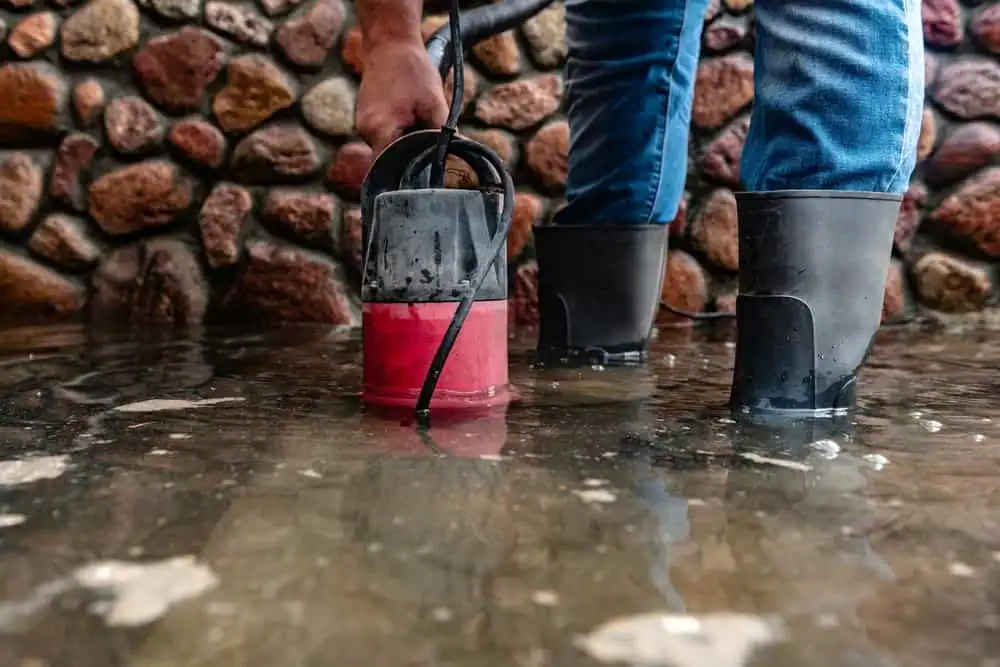
It starts with a phone call — any time, day or night. When you reach us, you’re not leaving a voicemail. A crew gets dispatched. The first priority on arrival is stopping the spread: water extraction begins immediately, and industrial drying equipment goes in to pull moisture out of walls, floors, and structural cavities before the damage migrates further. In January, during the kind of polar vortex events that have repeatedly hit the Chappaqua and Mount Kisco area, that response speed is the single biggest factor in how the project ends.
Once the emergency phase is stabilized, we conduct a full assessment. In homes built before 1980 — which covers a significant portion of Chappaqua’s housing stock — that assessment includes testing for asbestos-containing materials before any walls are opened. This isn’t optional in New York State, and skipping it isn’t something a licensed contractor can do legally. If asbestos is present, we handle abatement in-house, without adding a separate subcontractor or a separate timeline to your project.
From there, the work moves into remediation and reconstruction. Damaged drywall, flooring, and structural framing come out, the space is dried and treated, and then it gets rebuilt — to the standard it was at before, or better. Throughout the entire process, we manage the documentation and communication with your insurance adjuster directly. You don’t have to learn the vocabulary of a water damage claim on top of everything else.
Full-Scope Restoration, Not Just Dry-Out and Leave
The gap between what most restoration companies offer and what Chappaqua homeowners actually need is wider than it looks. A company that extracts the water, runs the drying equipment, and hands you a bill has done half the job. You’re still left with open walls, missing flooring, and the task of finding and scheduling a separate general contractor — while managing two billing relationships and coordinating two separate insurance documentation processes. We cover the full arc: emergency water extraction, structural drying, mold remediation, asbestos abatement when needed, and complete reconstruction.
In Westchester County, restoration work that involves opening walls or replacing structural elements requires a building permit, and the contractor must hold a Westchester County Home Improvement License and carry workers’ compensation and disability insurance. We meet all of these requirements. That matters not just for the work itself, but for what happens when you eventually sell a home in Chappaqua’s competitive real estate market — unpermitted restoration work creates title and disclosure problems that can derail a transaction.
If your insurance coverage has gaps, the deductible is higher than expected, or the damage scope grows during the project, we offer financing up to $200,000 at 0% APR. In a community where delaying remediation can turn a manageable water damage job into a full mold remediation project, that option exists so cost timing doesn’t force a bad decision.
What should I do first when a pipe bursts in my Chappaqua home?
The first thing to do is shut off the main water supply to the house — this stops the flow immediately and limits how much water reaches your walls, floors, and structural framing. In most Chappaqua homes, the main shutoff is in the basement or utility room near where the water line enters the foundation. If you can’t locate it or it won’t turn, call your water utility or a plumber to shut it at the street.
Once the water is off, call a restoration company — not just a plumber. A plumber fixes the broken pipe, but they’re not equipped to extract standing water, dry out wall cavities, test for mold, or handle reconstruction. In a Chappaqua home where the pipe burst during a cold snap and water has been sitting inside the walls for hours, you need someone who can assess the full scope of the damage, not just the visible break. We respond 24/7 and can dispatch a crew the same night — which matters enormously given the 24 to 48 hour window before mold growth can begin.
Does homeowners insurance typically cover burst pipe repair in New York?
In most cases, yes — sudden and accidental water damage from a burst pipe is covered under standard homeowners insurance policies in New York. What’s typically covered includes water extraction, drying, mold remediation if it results from the covered event, and reconstruction of damaged structural elements. What’s often excluded is the pipe repair itself, gradual leaks or seepage that the homeowner should have caught earlier, and flood damage from external water sources.
The complication in Chappaqua is that older homes — and most homes in the Town of New Castle were built between 1940 and 1969 — sometimes have galvanized steel pipes that are operating well beyond their designed service life. If an adjuster determines that the pipe failure was due to long-term corrosion rather than a sudden event, coverage can be disputed. This is one of the reasons working with a restoration contractor who handles insurance communication directly is worth it. We document the damage in the format adjusters require and advocate for you throughout the claims process, rather than leaving you to navigate that conversation alone.
How quickly can mold develop after a burst pipe in an older Chappaqua home?
The EPA and FEMA both document that mold can begin growing on wet building materials within 24 to 48 hours of a water intrusion event. In practice, that window can close faster in older Chappaqua homes because of how they’re built. Homes constructed in the Town of New Castle between the 1940s and 1960s typically have wood framing, plaster walls, and older insulation materials that absorb moisture readily and hold it longer than modern construction. Once water gets into those cavities, it doesn’t dry on its own — it migrates, spreads, and creates the conditions mold needs.
The scenario that catches Chappaqua homeowners off guard most often is the silent freeze. A pipe freezes during a multi-day cold snap — the kind that regularly hits the Chappaqua and Mount Kisco area during January and February — and doesn’t burst until the thaw. By the time water appears at a ceiling seam or a baseboard, it’s been sitting inside the wall for hours or longer. This is why calling a restoration company the moment you discover the damage, rather than waiting to see how bad it gets, is almost always the right call.
Do I need a permit for burst pipe water damage repairs in New Castle, NY?
It depends on the scope of work. Water extraction and drying equipment — the emergency phase — typically doesn’t require a permit. But once the work moves into removing and replacing drywall, flooring, or any structural framing, the Town of New Castle Building Division requires a building permit. The contractor performing that work must hold a Westchester County Home Improvement License and provide documentation of workers’ compensation and disability insurance before the permit is issued.
This is worth taking seriously for a specific reason: unpermitted renovation work in Chappaqua creates real problems when you sell the home. Buyers’ attorneys and home inspectors flag unpermitted work, and in a market where Chappaqua homes are selling for $800,000 to well over $1 million, a title issue tied to unpermitted restoration work can complicate or kill a transaction. We’re fully licensed and insured, meet all Westchester County contractor requirements, and can pull the permits required for restoration work in New Castle — so the job is done in a way that holds up legally and protects your investment long-term.
What is the difference between a plumber and a water damage restoration company for a burst pipe?
A plumber’s job is to fix the broken pipe — stop the leak, replace the damaged section, restore water pressure. That’s essential, and it’s where the process starts. But once the pipe is fixed, the work that actually protects your home is just beginning. Water that has been flowing inside a wall cavity, under a hardwood floor, or into a finished basement doesn’t disappear when the pipe is repaired. It needs to be extracted, the affected materials need to be dried with industrial equipment, and the space needs to be assessed for mold and structural damage.
Restoration companies handle everything after the plumber leaves. That includes water extraction, structural drying, mold testing and remediation if needed, asbestos testing in older homes before walls are opened, and full reconstruction of damaged areas. In Chappaqua, where many homes have finished basements, renovated kitchens, and high-end flooring that represents significant investment, the quality and completeness of the restoration work directly affects the value of the home. A plumber and a restoration contractor serve different functions — you typically need both, in that order.
Does Green Island Group handle burst pipe repairs in Chappaqua during winter emergencies?
Yes — 24 hours a day, seven days a week, including during the winter cold snaps and polar vortex events that Northern Westchester experiences regularly. The Chappaqua and Mount Kisco area has documented history with arctic freeze events that drive frozen and burst pipe calls, and our emergency response is built for exactly that scenario. When temperatures drop into the single digits and a pipe fails at 2 AM, you need a crew that can be dispatched that night — not a callback the next business morning.
Winter response matters more in Chappaqua than in communities with newer housing stock because of how older homes handle extreme cold. Homes built in the 1940s through 1960s often have pipes running through exterior wall cavities and unheated crawl spaces that weren’t designed with modern insulation standards. When temperatures fall below 20°F — which happens regularly in northern Westchester — those pipes are at real risk. Getting extraction and drying started within hours of a burst, rather than waiting until conditions are more convenient, is the single most effective thing you can do to limit the scope and cost of the damage.