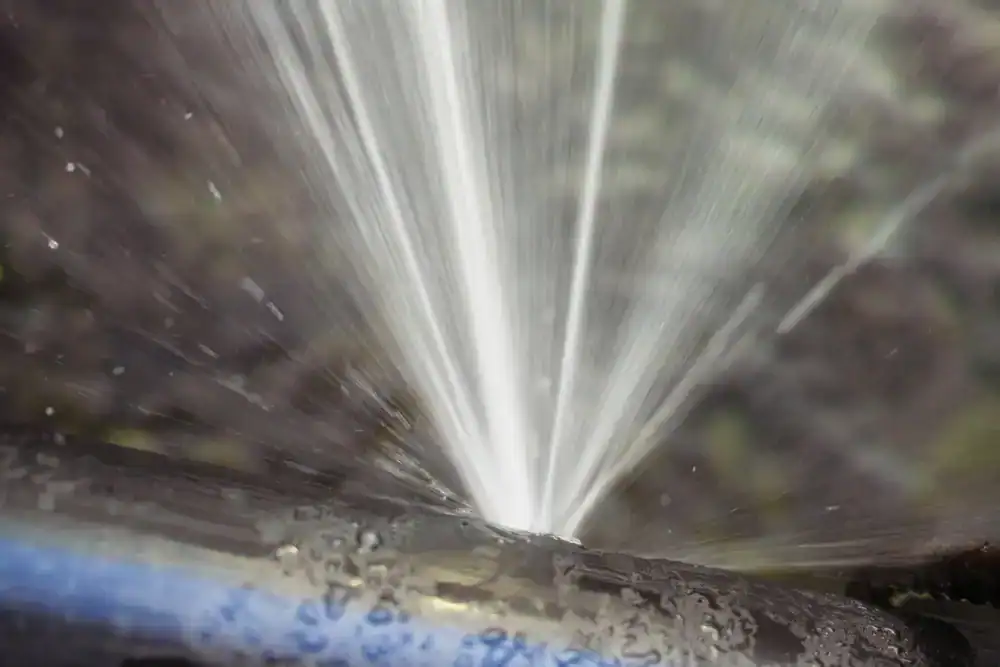
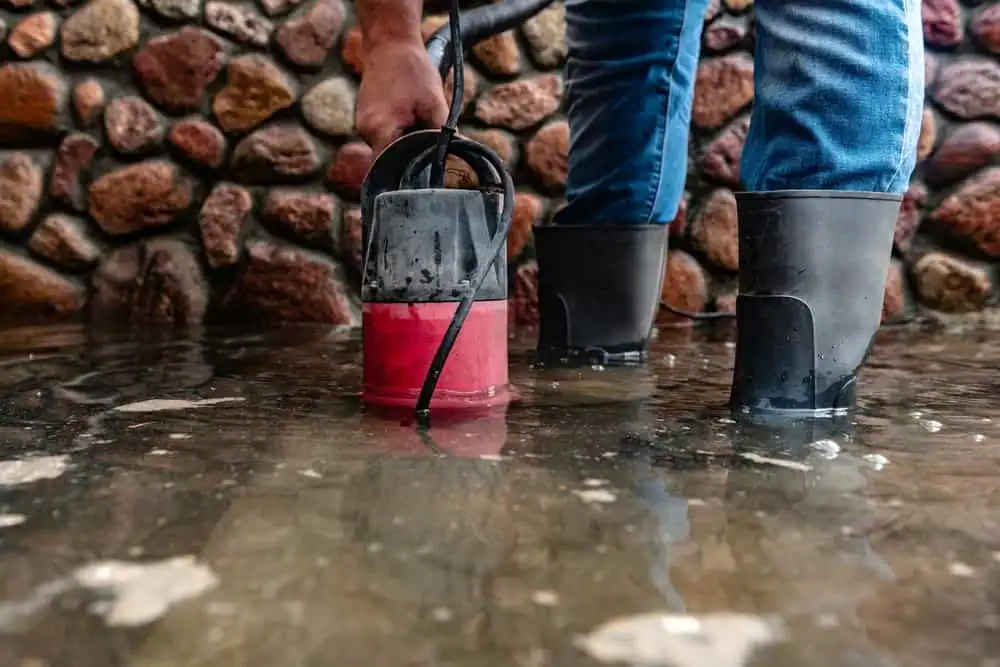
Cold Spring’s oldest homes were built to last — but not to handle a burst pipe alone. We respond 24/7 with extraction, drying, and full restoration before the damage compounds.
I needed a professional consultation explanation of procedure for safe removal of Asbestos in my apartment complex. Without having an account yet, I was very impressed with the caring, knowledgeable and generous advice offered by Jessica, and will look forward to doing business in the future. Thank you so much! I feel much more informed about a sometimes scary endeavor. Peace. Nancy Silva Mineola, NY.
Mia Munoz
Used this company to clean up some water flood in my house. They were fast and easy to work with.very professional, Would recommend to anyone!
Nini Valle
Great company, had a flood and they responded quickly and efficiently. Billed my insurance company directly. I highly recommend this company!
joe colapietro, jr
I had pipe freeze in my basement right before a snow storm and they made to within an hour to help start the clean up process. They we by our side throughout the entire process and even helped with the insurance company. They did such a great job with the cleanup, repair, remidiation, I contracted them to perform the repairs and finishes in the basement. They came with enough manpower and material to get the job done. Leo and Jessica were nothing but a pleasure to deal with!!
Cristian Arredondo c
I had some water damage in my home and Green Island was able to take care of my issue quickly and effectively. I am very pleased with the work they did. They responded quickly and were very professional.
Michael M
Outstanding service! From the office to the field crew everyone was friendly, helpful and responsive. I highly recommend Green Island Group.
What Stops a $4,000 Job From Becoming a $40,000 One
The moment a pipe lets go, the clock starts. Mold can begin growing on wet building materials within 24 to 48 hours — and in Cold Spring’s older homes, where original plaster walls and century-old lumber absorb moisture fast, that window closes faster than it does in newer construction. The difference between a contained remediation and a full gut job is almost always how quickly someone showed up.
Cold Spring’s river-valley position makes winters harder on older plumbing than most people realize. Cold air drains down from the Hudson Highlands and pools in the village, pushing temperatures several degrees lower than surrounding towns on still winter nights. Pipes running through exterior walls, unheated crawl spaces, or the kind of uninsulated basements common in 19th-century construction are under real stress during those stretches — and when one fails, the water doesn’t wait for business hours.
For the homeowners who commute into the city by Metro-North on weekdays, or who use their Cold Spring property as a weekend retreat, a pipe can burst Tuesday morning and go undetected until Friday evening. By then, the mold window is long gone. What you need is a contractor who can be there that night — not someone who schedules an assessment for the following week.
12 Years in Cold Spring and the Hudson Valley, Not a Call Center
We’ve been doing this work in the Hudson Valley for over 12 years, with deep roots in Cold Spring and the surrounding communities. That means real familiarity with the building conditions here — the galvanized plumbing in pre-1940 homes off Morris Avenue, the moisture behavior of original plaster wall assemblies, and the specific challenges of working inside Cold Spring’s National Historic District where restoration has to respect the character of the structure, not just make it structurally functional again.
We hold a NYS Mold Remediation Contractor License, carry full liability insurance and workers’ compensation, and are certified M/WBE by both New York State and New York City — credentials that require actual documentation and auditing, not just a membership fee. We also work directly with insurance carriers, handling the documentation and adjuster communication so you don’t have to manage that process on top of everything else.
When you call, you reach someone who dispatches — not an answering service that logs a ticket for the morning shift.
Water Extraction and Structural Drying Cold Spring
From the Night It Happens to a Fully Restored Room
The first call triggers an emergency dispatch — not a scheduled visit, not a callback window. Our crew arrives, assesses the source and scope, and begins water extraction immediately. Commercial-grade equipment pulls standing water fast, and thermal imaging combined with calibrated moisture meters maps exactly where water has traveled inside wall cavities, under flooring, and into structural framing. In Cold Spring’s older homes, water rarely stays where it’s visible.
Once the extraction is complete, we place industrial drying equipment and monitor it until moisture readings confirm the structure is genuinely dry — not just dry on the surface. If there’s any indication of mold growth, or if the timeline between the failure and discovery suggests the 48-hour threshold was crossed, a licensed mold assessment and remediation plan follows. In homes built before 1940 — a significant portion of Cold Spring’s housing stock — testing for asbestos-containing materials in pipe insulation, floor tiles, or joint compound happens before any walls are opened. We handle abatement in-house, which means no separate contractor, no weeks of delay waiting for a subcontractor’s schedule to open up.
Reconstruction comes last. Drywall, flooring, plaster repair, structural framing — whatever was removed or damaged gets restored. We pull permits through the Village of Cold Spring Building Department or the Town of Philipstown as required, and the finished result is a room that looks the way it did before the pipe failed.
Built for Old Homes, Not Just Standard Water Calls
Most water damage contractors handle the extraction and drying, then hand you a list of general contractors to call for the rebuild. In Cold Spring, where finding a contractor who understands historic construction is already a challenge, that gap costs time and money. We cover the full scope — emergency response, moisture mapping, licensed mold remediation, asbestos abatement, and complete structural reconstruction — under one roof and one point of contact.
The asbestos piece matters more in Cold Spring than almost anywhere else in the service area. The central village is a National Register Historic District, and a substantial portion of its homes were built before 1940 using materials that routinely contained asbestos — pipe wrap, floor tile, ceiling tile, and joint compound among them. Any contractor who opens walls in these homes without testing first is creating a legal and health problem. We test before anything is disturbed and handle abatement on-site if it’s needed, keeping the project moving without the delays that come with bringing in a separate abatement firm.
Insurance handling is part of our service too. The documentation, the adjuster communication, the scope negotiation — all of it is managed directly. For Cold Spring homeowners dealing with complex claims involving historic materials and high property values, that advocacy makes a real difference in what the final settlement looks like. We also offer financing up to $200,000 at 0% APR, so remediation never has to wait on an insurance timeline.
How quickly can mold grow after a burst pipe in a Cold Spring home?
Mold can begin growing on wet building materials within 24 to 48 hours of a water intrusion event — and that timeline is not conservative, it’s well-documented by the EPA and FEMA. In Cold Spring’s older homes, where wall assemblies often contain original horsehair plaster, old-growth lumber, and decades of accumulated organic material, the conditions for mold growth are even more favorable than in modern construction. These materials are porous and absorbent in ways that newer drywall and engineered lumber simply aren’t.
The practical implication is that speed of response is the single most important variable in how this plays out financially. A pipe that bursts in an unoccupied weekend home on a Tuesday and isn’t discovered until Friday has already crossed the mold threshold. That’s a mold remediation and reconstruction project, and the cost difference is significant. Getting extraction equipment in the same night the failure happens is what keeps the job contained.
Does homeowners insurance cover burst pipe water damage and restoration costs?
In most cases, yes — sudden and accidental water damage from a burst pipe is covered under standard homeowners insurance policies. What gets complicated is the scope. Insurance adjusters work from an initial damage assessment that may not account for hidden moisture inside wall cavities, under flooring, or in structural framing — areas that aren’t visible but are very much wet. If those areas aren’t documented before drying begins, they may not make it into the claim.
For Cold Spring homeowners dealing with damage in a historic home, there’s another layer: replacement cost calculations for original-period materials. What does it cost to restore original plaster walls to match the existing character of the home, rather than just replace them with standard drywall? What’s the replacement value of period-appropriate flooring? These are questions that affect the final settlement significantly, and having a contractor who documents damage in the format adjusters require — and who advocates for a full and accurate scope — changes the outcome. We manage the entire insurance process directly, from first documentation through final settlement.
Do I need asbestos testing before opening walls in an older Cold Spring home?
If your home was built before 1980 — and a significant portion of Cold Spring’s housing stock predates 1940 — the answer is yes, and it’s not optional. Asbestos-containing materials were standard in residential construction through the late 1970s, appearing in pipe insulation, floor tiles, ceiling tiles, and joint compound. Disturbing those materials without proper testing and abatement is a violation of New York State regulations and creates real health risk for anyone in the home during the work.
The practical problem is that most restoration contractors don’t handle abatement in-house. That means either subcontracting to a separate abatement firm — which adds cost and weeks of scheduling delay before restoration can begin — or skipping the testing entirely, which creates legal exposure for the homeowner. We test before any walls are opened and handle abatement on-site if it’s needed. For homes in Cold Spring’s historic village center, where the buildings were constructed in the 19th century for workers at the West Point Foundry, this capability isn’t a specialty add-on. It’s a baseline requirement.
What happens if a pipe bursts in my Cold Spring home while I'm away during the week?
This is one of the most common worst-case scenarios in a commuter and weekend-home community like Cold Spring. A homeowner catches the Metro-North train into the city Sunday night, temperatures drop to 15 degrees by Tuesday, a pipe in an unheated basement or exterior wall freezes and bursts, and water runs for 24 to 48 hours before anyone knows. By the time the owner returns Friday evening, the mold clock has expired and the scope of the damage has grown considerably.
The best protection is a combination of a monitored freeze alarm or water detection sensor — devices that can alert you or a neighbor remotely when a failure occurs — and a restoration contractor with a genuine 24/7 emergency dispatch. Our emergency line means that a neighbor, a property manager, or an alert from a monitoring system can trigger an immediate crew dispatch that same night. Extraction begins before the damage compounds, drying equipment is placed before the mold window closes, and the scope stays contained. For properties that sit unoccupied during the week in winter, that response capability is the difference between a manageable remediation and a major reconstruction project.
Does burst pipe repair and restoration require permits in Cold Spring, NY?
The remediation phase — extraction, structural drying, mold remediation — generally doesn’t require a building permit. But the reconstruction that follows almost always does. Replacing drywall, flooring, structural framing, or plumbing in Cold Spring requires permits through either the Village of Cold Spring Building Department at 85 Main Street or the Town of Philipstown Building Department, depending on whether the property falls within the village limits or the broader town boundary. Both jurisdictions enforce the New York State Uniform Fire Prevention and Building Code.
For properties within Cold Spring’s National Historic District — which covers the central village — restoration work that affects exterior appearance or historically significant features may involve additional review beyond a standard building permit. A contractor who isn’t familiar with these requirements may not flag this until the project is already underway, which creates delays and potential compliance issues. We have experience pulling permits in Putnam County and navigating the requirements specific to historic district properties, so this part of the process is handled as part of the job — not left for the homeowner to figure out separately.
How do I know if the water damage in my walls is fully dry after a burst pipe?
You can’t tell by touch or visual inspection alone — and that’s the problem with relying on surface drying as a measure of completion. A wall can feel dry to the touch while the cavity behind it still holds significant moisture inside the insulation, framing, or original plaster substrate. In Cold Spring’s older homes, where wall assemblies are often much thicker and more complex than modern construction, water can travel and settle in places that aren’t obvious from the surface.
The only reliable way to confirm a structure is genuinely dry is with calibrated moisture meters and thermal imaging. Moisture meters measure the actual moisture content of building materials at depth, and thermal cameras reveal temperature differentials that indicate where evaporative cooling — and therefore remaining moisture — is still present inside a wall or floor assembly. We use both tools throughout the drying process and don’t consider a job complete until readings confirm the structure has returned to acceptable moisture levels across the full affected area. That documentation also matters for your insurance claim and for any future sale of the property — it’s a record that the remediation was completed properly, not just assumed to be finished.