I needed a professional consultation explanation of procedure for safe removal of Asbestos in my apartment complex. Without having an account yet, I was very impressed with the caring, knowledgeable and generous advice offered by Jessica, and will look forward to doing business in the future. Thank you so much! I feel much more informed about a sometimes scary endeavor. Peace. Nancy Silva Mineola, NY.
Mia Munoz
Used this company to clean up some water flood in my house. They were fast and easy to work with.very professional, Would recommend to anyone!
Nini Valle
Great company, had a flood and they responded quickly and efficiently. Billed my insurance company directly. I highly recommend this company!
joe colapietro, jr
I had pipe freeze in my basement right before a snow storm and they made to within an hour to help start the clean up process. They we by our side throughout the entire process and even helped with the insurance company. They did such a great job with the cleanup, repair, remidiation, I contracted them to perform the repairs and finishes in the basement. They came with enough manpower and material to get the job done. Leo and Jessica were nothing but a pleasure to deal with!!
Cristian Arredondo c
I had some water damage in my home and Green Island was able to take care of my issue quickly and effectively. I am very pleased with the work they did. They responded quickly and were very professional.
Michael M
Outstanding service! From the office to the field crew everyone was friendly, helpful and responsive. I highly recommend Green Island Group.
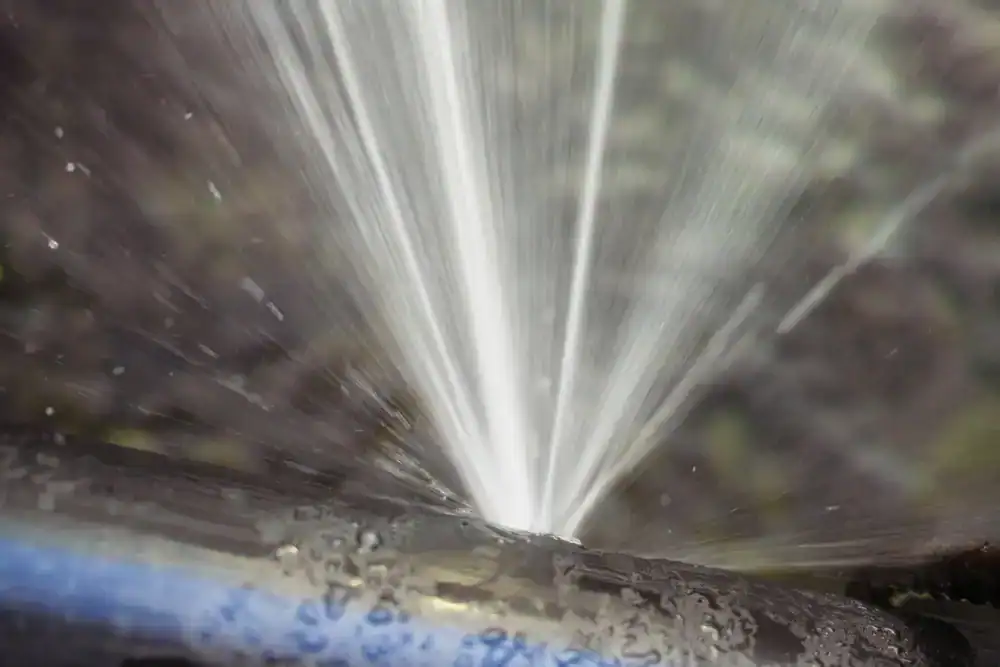
Congers sits between four lakes. Congers Lake, Rockland Lake, Swartwout Lake, and Lake DeForest account for nearly 20% of the hamlet’s total area — and that water table doesn’t stop at your property line. When a pipe bursts here, water doesn’t just pool on the surface. It moves through a substrate that’s already moisture-laden, spreads faster than it would in drier communities, and reaches wall cavities and subfloor assemblies before most homeowners even realize the extent of it.
That’s the part most restoration companies don’t tell you upfront. They come in, extract the standing water, run dehumidifiers for a few days, and hand you back a house with open walls and a certificate that says “dry.” What happens three months later — when mold shows up inside those walls — is your problem. We don’t work that way. The job isn’t done until your home is structurally dried, tested, and rebuilt to finished condition.
For homes along Kings Highway or in the older neighborhoods built during the postwar decades, there’s another layer to this. Pipes in homes from the 1950s and 1960s were typically galvanized steel, and many of those pipes are now operating well past their designed lifespan. When one fails, the walls that need to be opened may contain asbestos in the pipe insulation, floor tiles, or joint compound. That’s not a surprise to us — it’s something we’re equipped to handle in-house, without adding a separate contractor or a weeks-long scheduling delay to your project.
One Company Handles It All — No Gaps, No Guesswork
We’ve been serving Rockland County for over 12 years. That’s not a marketing number — it means we’ve worked in the lake-adjacent homes near Congers Lake, navigated Clarkstown’s building department permit process, and dealt with the kind of older construction that surprises contractors who haven’t seen it before. We know what’s inside the walls of a postwar ranch off Congers Road. We know what the high water table near Lake DeForest means for a basement that’s taken on water.
We’re NYS and NYC M/WBE certified — a government-audited credential, not a self-designation — and have been awarded contracts through the NYS Office of General Services. We carry full liability insurance and workers’ compensation, and we back every job with a 100% satisfaction guarantee. When you hire us, you’re not handing your home to a franchise operator running a corporate template. You’re working with a company that has earned its standing in this specific market, in this specific county, over more than a decade.
From the 2 AM Call to the Finished Room — Here's the Process
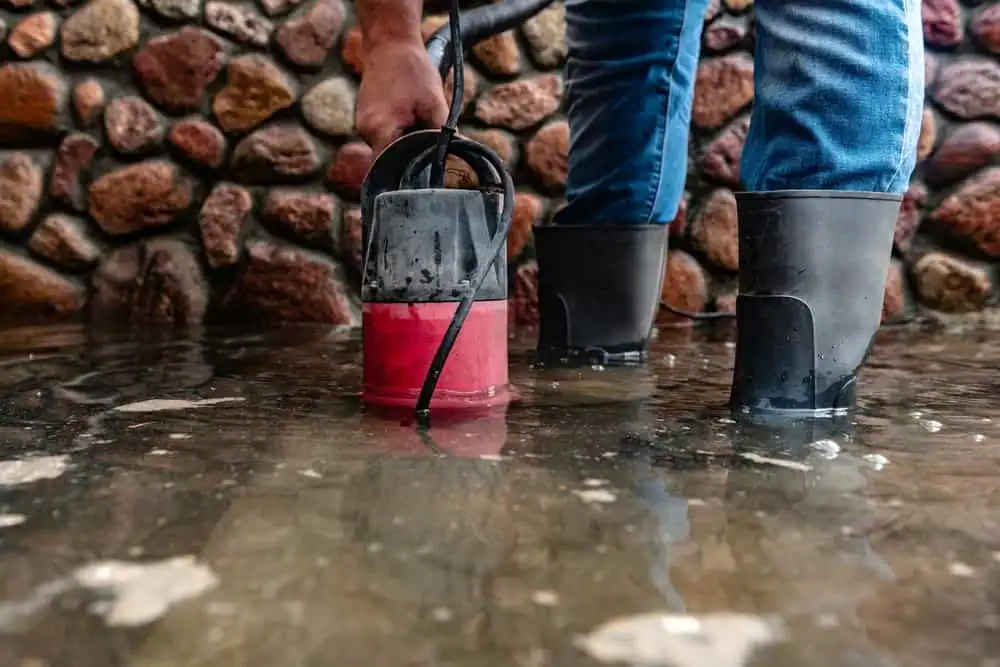
It starts with the emergency call. Our 24/7 line is a dispatch, not an answering service. Someone picks up, a crew gets mobilized, and extraction begins as quickly as possible — because in a Congers home with a high water table, every hour of delay is another hour of water spreading through materials that are already working against you. The faster the water comes out, the smaller the remediation scope.
Once the standing water is removed, the real diagnostic work begins. Moisture mapping identifies exactly how far water has traveled inside walls, under floors, and into structural assemblies — areas you can’t see and a basic visual inspection won’t catch. Industrial drying equipment runs until those readings confirm the structure is genuinely dry, not just surface-dry. If testing reveals mold has begun to develop — which can happen within 24 to 48 hours in a wet environment — that gets handled as part of the same project.
If the work requires opening walls in a pre-1980 home, our in-house asbestos abatement team handles any hazardous materials before reconstruction begins. From there, the rebuild phase restores everything to finished condition — drywall, flooring, paint, trim. Because Congers is administered by the Town of Clarkstown, any structural work requiring permits goes through Clarkstown’s Building Department, and we manage that process. You don’t have to track down a separate contractor or manage a permit application while your house is still torn apart.
What we deliver isn’t a partial fix. Emergency water extraction, structural drying, moisture mapping, mold remediation, asbestos abatement when needed, full reconstruction — it’s one continuous project managed by one company under one insurance billing relationship. That last part matters more than most people realize when they’re in the middle of a claim.
We work directly with insurance carriers. We document damage in the format adjusters require, handle adjuster communication throughout the process, and advocate for your interests when scope disputes come up. In a community like Congers — where median home values put a major burst pipe claim well into six-figure territory — the difference between a well-documented claim and a poorly handled one can be significant. We also offer financing up to $200,000 at 0% APR for situations where insurance timing creates a gap, a deductible is substantial, or a coverage dispute is holding things up. You don’t have to delay remediation to manage cash flow.
For Congers homeowners in older properties — particularly the postwar homes that make up a meaningful portion of the hamlet’s housing stock — the in-house asbestos abatement capability is not a niche add-on. It’s a practical necessity when walls need to be opened in a home built during the era when asbestos was standard in pipe insulation and building materials. New York State law requires licensed abatement for this work. We hold the required licensure and handle it without subcontracting, without scheduling delays, and without adding a separate contractor relationship to an already stressful situation.
Does homeowners insurance actually cover burst pipe damage in Congers, NY?
In most cases, yes — but the details matter. Standard homeowners insurance policies in New York typically cover sudden and accidental water damage from a burst pipe. What they often don’t cover is damage resulting from gradual leaks, lack of maintenance, or flooding from an external source. In Congers, where the water table near Lake DeForest and the surrounding lakes is notably high, it’s worth understanding the distinction between pipe-origin water damage and groundwater intrusion — insurers treat those differently, and the documentation you submit with your claim determines how the adjuster categorizes it.
We document damage in the format insurance adjusters require and handle adjuster communication directly. That matters because the scope of a claim — what gets covered, what gets disputed — often comes down to how the damage is described and supported in the initial documentation. Having a restoration company that knows how to present a claim correctly from the start protects your payout and reduces the back-and-forth that delays your project.
How fast does mold start growing after a pipe bursts in a basement?
Mold can begin developing on wet building materials within 24 to 48 hours under the right conditions — and basements in Congers tend to provide exactly those conditions. The combination of a high water table, limited natural airflow, and the moisture-retentive soil environment created by the hamlet’s lake-dense geography means that a wet basement here dries more slowly than it would in a drier, upland community. That slower drying window increases the mold risk meaningfully.
This is why the speed of the initial response matters so much. The faster water is extracted and industrial drying equipment is running, the smaller the window for mold to establish itself inside wall cavities and subfloor assemblies. If mold is already present by the time remediation begins — which can happen if a pipe burst went undetected for a day or more — it needs to be properly remediated under New York State’s Article 32 licensing requirements before reconstruction can proceed. We hold the required NYS Mold Remediation Contractor License and handle this as part of the same project.
What's the difference between a plumber and a water damage restoration company?
A plumber fixes the pipe. A water damage restoration company deals with everything the water did after it left the pipe. Those are two very different scopes of work, and confusing them is one of the most common reasons burst pipe projects drag on or end with hidden damage left inside the walls.
Once a plumber has stopped the water source, the restoration work begins: extracting standing water, mapping moisture inside walls and under floors, running structural drying equipment until the building materials reach safe levels, testing for mold, and — if walls need to be opened — managing any hazardous materials like asbestos that may be present in older Congers homes. After all of that is complete, the reconstruction phase restores the home to finished condition. We handle all of it. You don’t need to find a separate remediation company and then a separate general contractor to put the house back together. One call covers the full scope from the moment the water stops flowing to the moment the last coat of paint goes on.
Do I need a permit for water damage restoration work in Congers?
It depends on the scope of the work. Because Congers is an unincorporated hamlet within the Town of Clarkstown, all permitting is handled through Clarkstown’s Building Department — not a separate village hall. Cosmetic repairs and like-for-like replacements typically don’t require a permit. But if the restoration involves structural repairs, significant demolition, or changes to plumbing or electrical systems, a permit from Clarkstown is required.
This matters for a few reasons. Work performed without the required permits can create complications when you sell the property, trigger issues with your insurance claim, and create liability that follows the title. We’re familiar with Clarkstown’s permit process and manage the permitting side of the project as part of the job. You don’t have to navigate that separately while your home is still mid-restoration.
My Congers home was built in the 1960s — should I be worried about asbestos when walls get opened?
It’s a legitimate concern and one worth taking seriously. Homes built in the 1950s and 1960s — which represent a significant portion of Congers’ housing stock — were constructed during an era when asbestos was commonly used in pipe insulation, floor tiles, ceiling tiles, and joint compound. When a burst pipe requires opening walls, there’s a real possibility of encountering asbestos-containing materials, and disturbing them without proper testing and abatement is potentially illegal under New York State law.
Most restoration companies in Rockland County don’t offer in-house asbestos abatement. They either subcontract it — which adds cost and scheduling delays — or they proceed without it, which creates health and legal exposure for you and your family. We have in-house abatement capability and hold the required NYS licensure. If asbestos is identified during the restoration process, it gets handled as part of the same project, without stopping the work or adding a separate contractor relationship. For older homes in Congers, this isn’t a rare edge case — it’s something to plan for from the start.
How long does burst pipe restoration typically take from start to finish?
The honest answer is that it depends on how far the water traveled and what’s found inside the walls — but a realistic timeline for most residential burst pipe projects runs two to four weeks from initial extraction through finished reconstruction. The structural drying phase alone typically takes three to five days with industrial equipment running continuously, and that timeline can run longer in Congers given the high water table and the moisture-retentive environment created by the surrounding lakes. Rushing the drying phase to compress the timeline is one of the most common ways restoration projects fail — walls that test dry on the surface but retain moisture inside lead to mold problems months later.
If asbestos abatement is required — which is a real possibility in the older homes common throughout Congers — that adds time to the project before reconstruction can begin. Permitting through Clarkstown’s Building Department adds a processing window as well. We give you a clear project timeline at the outset and manage the sequencing so that each phase moves as efficiently as the conditions allow. The goal is to have your home fully restored and closed back up — not just technically dry with open walls — as quickly as the work can be done correctly.