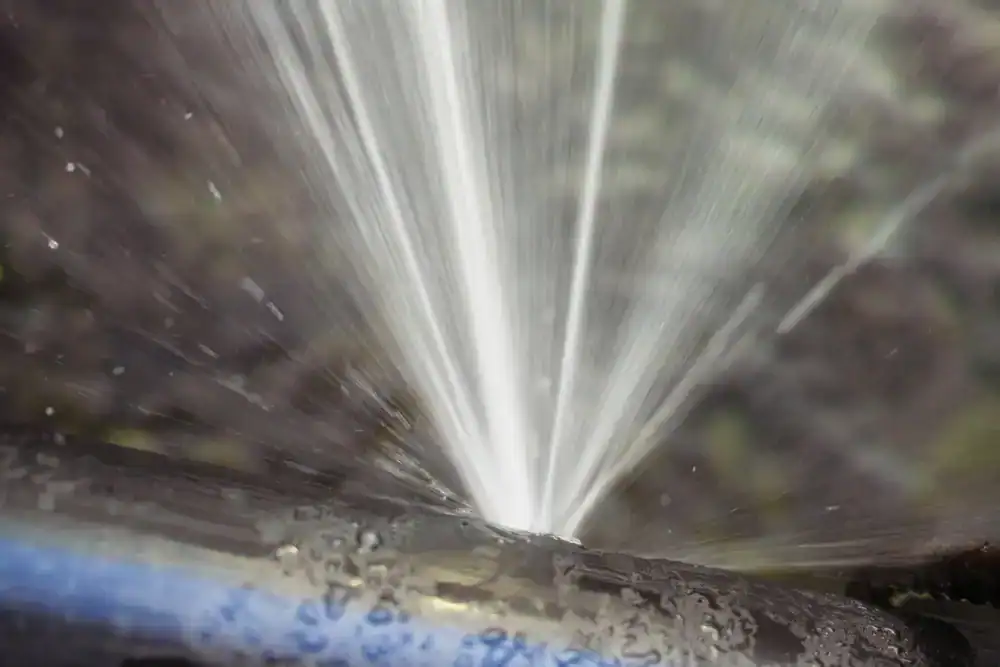
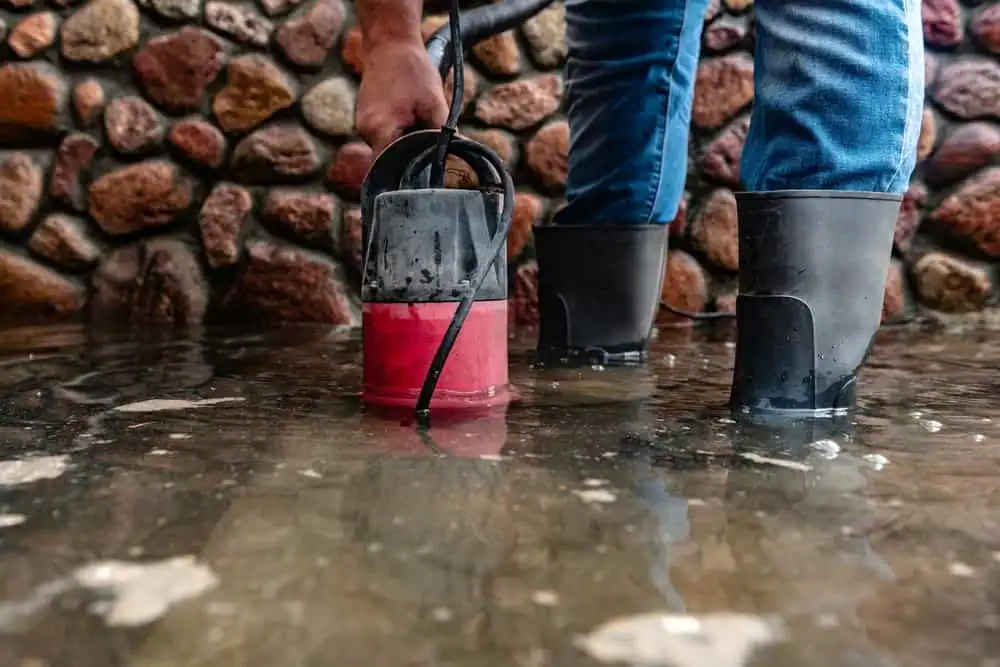
Cornwall homes hold serious value — and a burst pipe can threaten all of it within hours. We respond 24/7 with the equipment and credentials to stop the damage and restore your home completely.
I needed a professional consultation explanation of procedure for safe removal of Asbestos in my apartment complex. Without having an account yet, I was very impressed with the caring, knowledgeable and generous advice offered by Jessica, and will look forward to doing business in the future. Thank you so much! I feel much more informed about a sometimes scary endeavor. Peace. Nancy Silva Mineola, NY.
Mia Munoz
Used this company to clean up some water flood in my house. They were fast and easy to work with.very professional, Would recommend to anyone!
Nini Valle
Great company, had a flood and they responded quickly and efficiently. Billed my insurance company directly. I highly recommend this company!
joe colapietro, jr
I had pipe freeze in my basement right before a snow storm and they made to within an hour to help start the clean up process. They we by our side throughout the entire process and even helped with the insurance company. They did such a great job with the cleanup, repair, remidiation, I contracted them to perform the repairs and finishes in the basement. They came with enough manpower and material to get the job done. Leo and Jessica were nothing but a pleasure to deal with!!
Cristian Arredondo c
I had some water damage in my home and Green Island was able to take care of my issue quickly and effectively. I am very pleased with the work they did. They responded quickly and were very professional.
Michael M
Outstanding service! From the office to the field crew everyone was friendly, helpful and responsive. I highly recommend Green Island Group.
Your Home Dried, Documented, and Put Back Together
A burst pipe in Cornwall is rarely a simple cleanup. Whether it’s a century-old galvanized line in a Firthcliffe worker’s cottage or a frozen pipe in a Mountainville home sitting at 1,500 feet of elevation, the damage goes deeper than what you can see. Water moves fast inside plaster walls and old-growth lumber — the kind of materials that make up a big portion of Cornwall’s housing stock — and it holds moisture far longer than modern drywall ever would.
That matters because mold can begin growing within 24 to 48 hours of a water intrusion event. By the time you’re back from the Salisbury Mills–Cornwall station after a long commute into the city, the clock has already been running. The difference between a contained remediation and a full mold abatement project often comes down to how fast the right equipment gets deployed — not fans from a hardware store, but commercial-grade air movers, thermal imaging, and calibrated moisture meters that find the water hiding inside your walls.
When the job is done right, you’re not just dry — you’re documented. Every step of the drying process is logged to IICRC S500 standards, which is exactly what your insurance carrier needs to process the claim. You get your home back. You get the paperwork handled. And you don’t spend the next three months chasing a contractor to finish what they started.
We’ve been doing environmental restoration work in the Hudson Valley and Orange County for over 12 years. That’s not a marketing number — it’s the track record of a company that has stood behind its work long enough to build a reputation worth protecting. We hold NYS and NYC M/WBE certification, carry full general liability and workers’ compensation insurance, and are licensed under New York State’s Article 32 for mold remediation — a legal requirement in this state, not a voluntary credential.
We’ve worked in the kinds of homes Cornwall actually has: pre-1940 plaster walls, mid-century construction in the older sections of town, and the aging housing stock throughout Firthcliffe that the Firth Carpet Company built for its workers generations ago. We know what those buildings hold inside their walls, and we have the in-house asbestos abatement capability to handle it safely and legally when walls need to be opened.
The 100% satisfaction guarantee isn’t a closing line — it’s the standard a company with this kind of history has to maintain to stay in business.
What Actually Happens From Your First Call to Your Finished Room
When you call, someone picks up — around the clock, including the middle of a January night when temperatures in Cornwall can drop to the low 20s and wind chills push toward -15°F. A crew is dispatched with water extraction equipment, moisture meters, and thermal imaging cameras. We reach you whether you’re in Cornwall-on-Hudson near the river, out in Mountainville, or somewhere along the back roads off Route 94 near Salisbury Mills. The response is the same regardless of where in the town’s 27 square miles you are.
On arrival, our team does a full moisture assessment before any work begins. Thermal imaging finds the water that’s already migrated into wall cavities and subfloor assemblies — the water you can’t see but that will cause the most damage if it’s left there. If your home was built before 1980, materials are tested for asbestos before any walls are opened. That step isn’t optional in New York State, and it’s one that protects you legally and physically.
From there, commercial-grade drying equipment is set up and monitored with daily moisture readings logged throughout the drying process. Once the structure is confirmed dry — not assumed dry — damaged materials are removed and reconstruction begins. Walls, ceilings, flooring: whatever came out goes back in. Throughout the entire process, we communicate directly with your insurance carrier, handling documentation, adjuster communication, and scope negotiation so you don’t have to manage any of it from your office in the city.
Full-Service Water Damage Restoration Orange County NY
Everything the Job Needs — Under One Roof
Most restoration companies stop at the remediation phase. They dry the structure, pull out the damaged material, and leave you to find a general contractor to put the house back together. In a town like Cornwall, where the nearest contractor might be 20 minutes away in Newburgh and you’re managing the whole thing from a commuter train, that gap is a serious problem. We cover the full scope: emergency water extraction, structural drying, mold remediation, asbestos abatement, and complete reconstruction. One contractor, start to finish.
For Cornwall homeowners specifically, the asbestos abatement capability is not a bonus feature — it’s a necessity. Homes in Firthcliffe, Cornwall-on-Hudson, and the older sections throughout the town were built in an era when asbestos was standard in pipe insulation, floor tiles, ceiling tiles, and joint compound. New York State law requires that asbestos-containing materials be properly tested and abated before any remediation work proceeds. We handle that in-house, which means no subcontractors, no scheduling delays, and no legal exposure for you as the homeowner.
Financing is available up to $200,000 at 0% APR for situations where insurance disputes create a timing gap or where the scope of damage exceeds what you were expecting. The goal is to make sure the right decision — acting fast — is never blocked by a cash flow problem. Because in Cornwall’s older housing stock, waiting is always the more expensive choice.
Does homeowners insurance typically cover burst pipe damage in Cornwall, NY?
In most cases, yes — but the details matter. Standard homeowners insurance policies in New York generally cover sudden and accidental water damage from a burst pipe, including the cost of drying, remediation, and structural repairs. What they typically don’t cover is damage resulting from neglect, gradual leaks that went unaddressed, or flooding from an external source, which requires separate flood insurance.
For Cornwall homeowners, there’s an additional layer worth understanding. If your home is in Firthcliffe or another older section of town and the pipe that failed was original galvanized steel that hadn’t been replaced in decades, some carriers may attempt to argue the damage resulted from deferred maintenance rather than a sudden event. That’s where having a restoration company that documents everything from the first hour — and communicates directly with your adjuster — makes a real difference. We handle all insurance communication on your behalf, which means the claim is presented in the format carriers require, with the documentation that protects your interests.
How quickly can mold start growing after a pipe bursts in an older home?
Mold can begin colonizing wet building materials within 24 to 48 hours of a water intrusion event — that’s documented by both the EPA and FEMA. In a newer home with modern drywall and dimensional lumber, that window is tight but manageable. In a Cornwall home built in the 1920s, 1940s, or even the 1960s, the risk is higher and moves faster.
Older building materials — plaster, old-growth lumber, mid-century insulation — absorb moisture more deeply and release it more slowly than modern construction. Water that reaches a plaster wall in a Firthcliffe bungalow doesn’t dry on its own in a few days. It sits inside the wall assembly, invisible from the surface, until mold has already established. That’s why professional structural drying with commercial equipment and moisture verification isn’t just the better option in Cornwall’s housing stock — it’s the only option that actually works.
What happens if asbestos is found when walls are opened during water damage repair?
In New York State, if asbestos-containing materials are disturbed during remediation without prior testing and abatement, you’re looking at a potential violation of state law and a serious health risk. This isn’t a theoretical concern in Cornwall — homes built before 1980 throughout Firthcliffe, Cornwall-on-Hudson, and the older sections of the town commonly contain asbestos in pipe insulation, floor tiles, ceiling tiles, and joint compound. That covers a significant portion of Cornwall’s housing stock.
The right process is straightforward: before any walls are opened, materials in the affected area are tested. If asbestos-containing materials are identified, they are abated by licensed professionals before remediation work proceeds. We handle this in-house, which means there’s no separate abatement contractor to find, no scheduling gap between abatement and remediation, and no situation where the work gets stalled because a subcontractor isn’t available. It also means you aren’t left holding legal exposure from a contractor who skipped the testing step.
How long does the full restoration process take after a burst pipe?
The honest answer is that it depends on the scope of the damage and the age of the home — and in Cornwall, those two variables can push the timeline in either direction. A straightforward burst pipe in a newer home with limited water spread might be fully dried and reconstructed within one to two weeks. A pipe failure in an older Firthcliffe home with plaster walls, original-growth lumber, and water that migrated into multiple rooms before it was discovered can take three to four weeks or longer, especially if asbestos testing and abatement are required before remediation can begin.
The drying phase alone typically takes three to five days with commercial equipment, and the structure has to be confirmed dry — with moisture readings logged and verified — before any reconstruction starts. Skipping that step to move faster is how you end up with mold inside a newly rebuilt wall six months later. The reconstruction timeline after drying depends on what was damaged: drywall and paint is faster than flooring replacement or structural repairs. We’ll give you a realistic timeline after the initial assessment, not a number designed to get you to sign.
Can a burst pipe in Cornwall cause structural damage beyond just the wet walls?
Yes, and in Cornwall’s older housing stock, the risk of structural damage is higher than in newer construction. When water reaches old-growth lumber — the kind of dense, tightly grained framing found in pre-1940 homes throughout Cornwall-on-Hudson and Firthcliffe — it can cause swelling, warping, and eventually rot if it isn’t removed quickly. Subfloor assemblies in older homes are particularly vulnerable, because water that reaches the subfloor tends to spread laterally under finished flooring before it becomes visible from above.
In homes on higher-elevation terrain — Mountainville, Firthcliffe Heights, or properties on the slopes above the Moodna Creek valley — crawl spaces and basement areas that are less conditioned are also at higher risk when a pipe fails during a hard freeze. Water in a cold crawl space doesn’t evaporate on its own. It saturates the wood framing above it and creates the exact conditions where structural damage and mold growth happen simultaneously. Thermal imaging during the initial assessment finds this water before it becomes a structural problem, which is why that step matters as much as the extraction itself.
Does Green Island Group offer financing if my insurance claim takes time to settle?
Yes — we offer financing up to $200,000 at 0% APR, specifically for situations where the timing between when the work needs to happen and when the insurance payment arrives creates a problem. This comes up more often than people expect, particularly when the initial claim scope is disputed, when the deductible is higher than anticipated, or when the full extent of the damage isn’t confirmed until walls are opened and moisture mapping is complete.
In Cornwall, where a meaningful portion of the housing stock is older and where a burst pipe can reveal layers of damage that weren’t visible on the surface — asbestos-containing materials, compromised subfloor framing, moisture that spread further than the original failure point — the final scope of work sometimes exceeds what a homeowner budgeted for. The financing option means you don’t have to choose between acting immediately and waiting for a check. Delaying remediation in a Cornwall winter, in a home with old building materials and a 24-to-48-hour mold window, is consistently the more expensive decision in the long run.