When Old Pipes Fail in Dobbs Ferry, Every Hour Counts
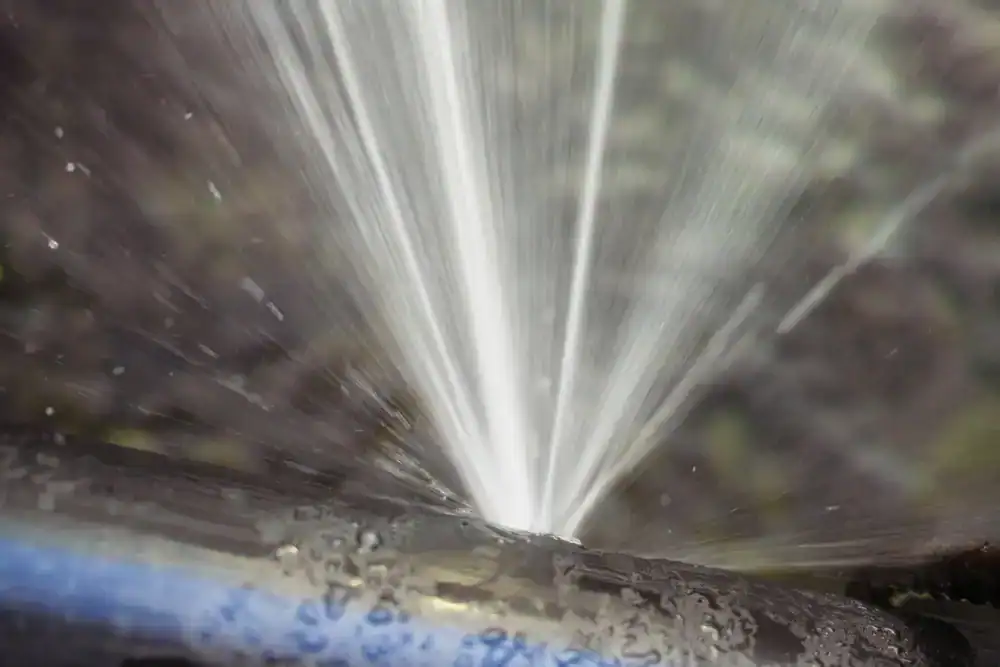
Dobbs Ferry’s older homes are beautiful — and vulnerable. When a pipe bursts inside a pre-1940 wall, you don’t just have a plumbing problem. We handle burst pipe repair and full water damage restoration, so you’re not left managing the mess alone.
I needed a professional consultation explanation of procedure for safe removal of Asbestos in my apartment complex. Without having an account yet, I was very impressed with the caring, knowledgeable and generous advice offered by Jessica, and will look forward to doing business in the future. Thank you so much! I feel much more informed about a sometimes scary endeavor. Peace. Nancy Silva Mineola, NY.
Mia Munoz
Used this company to clean up some water flood in my house. They were fast and easy to work with.very professional, Would recommend to anyone!
Nini Valle
Great company, had a flood and they responded quickly and efficiently. Billed my insurance company directly. I highly recommend this company!
joe colapietro, jr
I had pipe freeze in my basement right before a snow storm and they made to within an hour to help start the clean up process. They we by our side throughout the entire process and even helped with the insurance company. They did such a great job with the cleanup, repair, remidiation, I contracted them to perform the repairs and finishes in the basement. They came with enough manpower and material to get the job done. Leo and Jessica were nothing but a pleasure to deal with!!
Cristian Arredondo c
I had some water damage in my home and Green Island was able to take care of my issue quickly and effectively. I am very pleased with the work they did. They responded quickly and were very professional.
Michael M
Outstanding service! From the office to the field crew everyone was friendly, helpful and responsive. I highly recommend Green Island Group.
A burst pipe in a Dobbs Ferry home isn’t just wet floors and a ruined weekend. In a village where more than a third of homes were built before 1939, water gets into places that don’t dry on their own — original horsehair plaster, wood lath, decades-old subfloor construction. What looks dry on the surface can be actively growing mold behind the wall within 48 hours. We document proof that the structure is actually dry — not just surface dry. Calibrated moisture meters and thermal imaging confirm what you can’t see with your eyes. That matters especially in Riverview Manor and Ardsley Park, where wall assemblies in older homes hold moisture in ways that modern drywall simply doesn’t.
You also get your home back in one piece. Not a half-demolished room waiting on a second contractor. Not an open insurance claim you’re managing on your own. From emergency extraction through finished reconstruction, we restore your home — and handle the process so it doesn’t add more stress to an already difficult situation.
12 Years in Dobbs Ferry and Westchester County Homes
We’ve been doing environmental restoration work in Westchester County for over 12 years. That means we’ve worked inside the specific type of construction that defines Dobbs Ferry — pre-war homes with original plaster, aging galvanized plumbing, and materials that require a different level of care and licensing than newer builds. We know the homes along the Hudson waterfront, the neighborhoods near Wicker’s Creek, and the architectural details that make Dobbs Ferry’s housing stock unique.
We hold NYS and NYC M/WBE certification, a NYS Mold Remediation Contractor License, and have a documented working relationship with the NYS Office of General Services. In a community that became the first village in New York State to earn Climate Smart Community certification, that level of compliance and accountability isn’t just a credential — it’s the baseline expectation.
We’re fully insured, including liability and workers’ compensation, and we back every job with a 100% satisfaction guarantee. Not as a marketing line, but because we’ve built our business in this region on repeat work and referrals — and that only happens when the job is done right.
When you call, you reach a live person — not an answering service. We operate a genuine 24/7 emergency line, and dispatch happens the same night if needed. In a Metro-North commuter town like Dobbs Ferry, where a pipe can fail at 7 AM and go undetected until you get off the train at 6 PM, that response window is everything.
Once on site, the first step is damage assessment — not just what’s visible, but what’s hidden. Thermal imaging and moisture meters map the full scope of the problem, including wall cavities and subfloor areas that won’t show up in a visual inspection. In homes near Wicker’s Creek or in the lower waterfront neighborhoods, that assessment also accounts for the possibility of ongoing seepage from the surrounding terrain.
From there, the process moves through water extraction, structural drying, and — where Dobbs Ferry’s older housing stock requires it — asbestos testing before any walls are opened. New York State law requires licensed abatement before disturbing materials in homes of this age, and we handle that in-house. No subcontractors, no scheduling delays, no gap in the timeline that gives mold more time to take hold. The final step is reconstruction, handled by our team, so you’re not starting over with a new contractor when the remediation is done.
What we bring to a burst pipe job in Dobbs Ferry goes beyond extraction equipment and a dehumidifier. Because of the age of the housing stock here — and the regulatory environment in New York State — the scope of what’s required is genuinely different from what you’d need in a newer build.
In-house asbestos abatement is part of the picture for many Dobbs Ferry homes. Pipe insulation, floor tiles, and original plaster coatings in pre-1940 and pre-1980 construction commonly contain asbestos. Under NYS Department of Labor licensing, we can test, abate, and proceed with restoration without bringing in a separate contractor. That keeps the timeline tight and the accountability in one place — which directly limits your mold exposure window.
Insurance coordination is handled directly by us. We document damage in the format adjusters require, communicate with your carrier, and advocate for the full scope of work your home actually needs. For homeowners managing a demanding commute and a high-value property, having that process handled is often the most valuable part of the service. We also offer financing up to $200,000 at 0% APR — which means you don’t have to wait on insurance timing to start remediation in a home where waiting costs more than the deductible.
Does a burst pipe in a Dobbs Ferry older home always require asbestos testing?
Not always — but in Dobbs Ferry, where more than a third of homes were built before 1939, the probability is high enough that testing before opening walls is the responsible default. Asbestos was commonly used in pipe insulation, floor tiles, textured plaster, and joint compound in homes of that era. New York State law requires that asbestos abatement be performed by a licensed contractor before restoration work disturbs those materials. Skipping that step isn’t just a health risk — it can create legal complications, especially when you go to sell the home and a buyer’s inspector finds evidence of improperly handled materials. The safest approach is to test first, abate if needed, and then proceed with restoration. We handle all three steps in-house, which keeps the timeline from stretching out while the mold clock runs.
How fast does mold start growing after a pipe bursts in my Dobbs Ferry home?
According to the EPA and FEMA, mold can begin growing on wet building materials within 24 to 48 hours of a water intrusion event. That window gets shorter in older construction. In a pre-1940 Dobbs Ferry home with horsehair plaster and wood lath, moisture travels and accumulates in ways that are completely invisible on the surface — a wall can look and feel dry while the framing and insulation behind it are still saturated and actively growing mold.
This is why the response time on a burst pipe matters so much. A pipe that fails in the morning while you’re on the Metro-North heading into the city can go undetected for 10 hours or more. By the time you’re back at the Dobbs Ferry station, you may already be past the threshold where simple drying is enough. Getting a crew on-site quickly — and using thermal imaging to confirm what’s actually dry — is the difference between a manageable remediation and a mold removal project.
Will my homeowners insurance cover burst pipe water damage in Westchester County?
Most standard homeowners insurance policies do cover sudden and accidental water damage from a burst pipe — but the details matter. Coverage typically applies when the pipe failure is sudden, not the result of long-term neglect or a known maintenance issue. In Dobbs Ferry’s older homes, where galvanized pipes may be well past their service life, an adjuster could raise questions about whether the failure was truly sudden or the result of deferred maintenance. That distinction can affect what gets covered and what doesn’t.
Having a restoration company that knows how to document damage in the format adjusters require — and can advocate for the full scope of remediation your home needs — makes a real difference in how that conversation goes. We handle insurance coordination directly, which means you’re not learning the claims process on your own during one of the more stressful weeks you’ll have as a homeowner.
What is the difference between a plumber and a water damage restoration company?
A plumber fixes the pipe. A restoration company handles everything the water did after the pipe broke. These are two completely different scopes of work, and in Dobbs Ferry’s older homes, the restoration side of the equation is often more complex and more expensive than the plumbing repair itself.
Once the pipe is fixed, the water that already escaped has likely penetrated wall assemblies, subfloor construction, insulation, and framing. That moisture needs to be extracted, mapped with professional equipment, and dried with industrial-grade systems — not a consumer dehumidifier from a hardware store. If it isn’t, you’re looking at mold growth, structural damage, and potentially a much larger remediation project down the road. In a home worth $700,000 or more, which describes most of Dobbs Ferry’s housing market, the cost of doing that wrong is significant. A plumber can stop the source. We handle what comes next.
How do you confirm the walls are actually dry after a burst pipe repair in Dobbs Ferry?
Visual inspection isn’t enough — and in Dobbs Ferry’s pre-1940 homes, it’s especially unreliable. Original plaster walls and wood-framed assemblies can appear completely dry on the surface while holding significant moisture in the framing, insulation, and cavity behind them. That hidden moisture is exactly where mold takes hold.
The only reliable way to confirm dryness is with calibrated moisture meters and thermal imaging cameras. Moisture meters measure the actual moisture content of building materials at the point of contact, and thermal imaging reveals temperature differentials that indicate wet areas inside wall cavities — areas you can’t see or touch. We use both tools throughout the drying process and do not declare a job complete until documented readings confirm the structure has reached acceptable moisture levels. That documentation also matters for your insurance file and for any future buyer’s inspection of the property.
Can flooding near Wicker's Creek or the Dobbs Ferry waterfront cause the same damage as a burst pipe?
Yes — and in some ways it’s more complicated. Dobbs Ferry has FEMA-designated flood hazard areas, and the village’s steep terrain channels stormwater runoff toward the lower waterfront neighborhoods during heavy rain events. Wicker’s Creek, which drains through the village toward the Hudson River, can contribute to basement flooding and foundation seepage in homes along its path. The water that enters a home from a flooding event is categorized differently than clean water from a burst supply pipe — it may carry contaminants that require a higher level of remediation protocol.
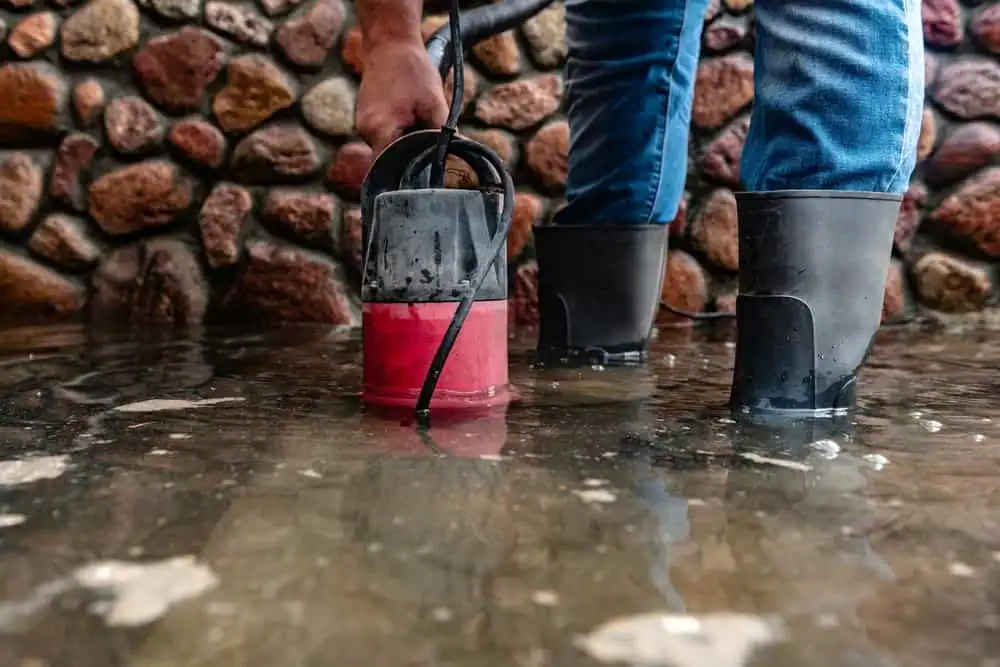
The restoration process for flood-related water intrusion follows the same general framework as burst pipe repair — extraction, drying, moisture mapping, and reconstruction — but the scope often includes additional steps for contamination assessment and material disposal. We handle both scenarios and work directly with insurance carriers on flood-related claims, including coordination with flood insurance policies where applicable. If your home is in one of the lower-lying areas near the waterfront or Wicker’s Creek corridor, it’s worth knowing who to call before the next heavy rain season.