When IBM-Era Pipes Finally Give Out, You Need More Than a Mop
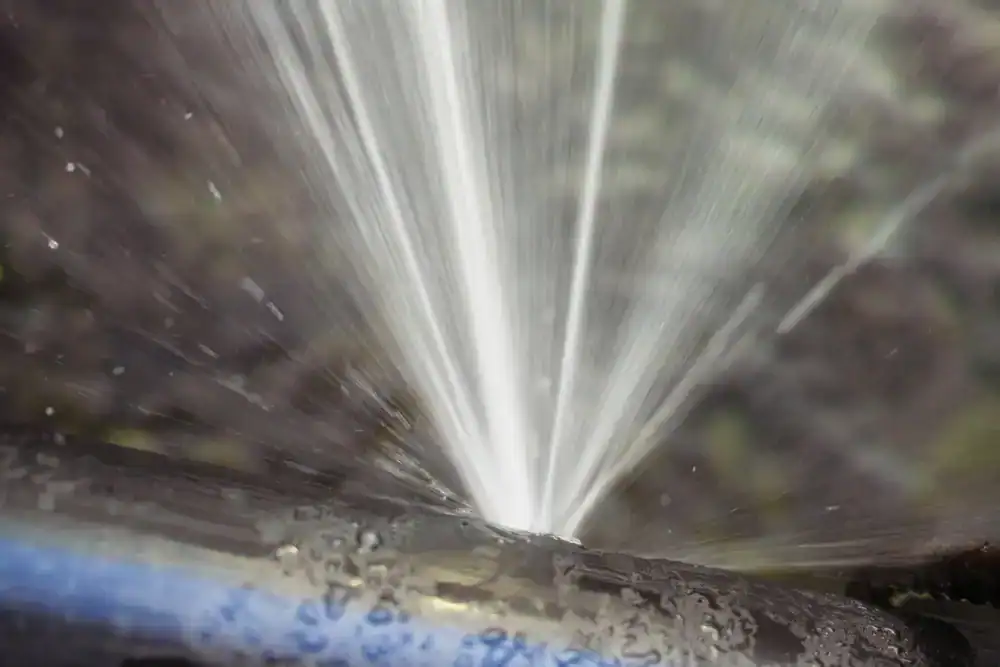
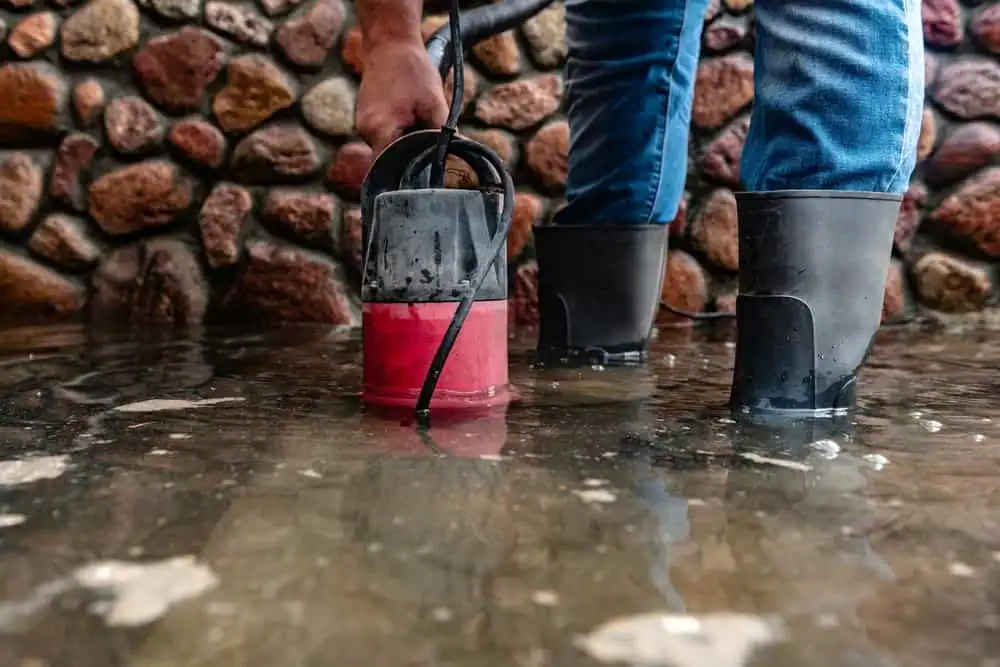
A burst pipe in your East Fishkill home doesn’t wait for business hours — and the damage it leaves behind doesn’t either. We respond 24/7, handle your insurance claim, and put your home back together from start to finish.
I needed a professional consultation explanation of procedure for safe removal of Asbestos in my apartment complex. Without having an account yet, I was very impressed with the caring, knowledgeable and generous advice offered by Jessica, and will look forward to doing business in the future. Thank you so much! I feel much more informed about a sometimes scary endeavor. Peace. Nancy Silva Mineola, NY.
Mia Munoz
Used this company to clean up some water flood in my house. They were fast and easy to work with.very professional, Would recommend to anyone!
Nini Valle
Great company, had a flood and they responded quickly and efficiently. Billed my insurance company directly. I highly recommend this company!
joe colapietro, jr
I had pipe freeze in my basement right before a snow storm and they made to within an hour to help start the clean up process. They we by our side throughout the entire process and even helped with the insurance company. They did such a great job with the cleanup, repair, remidiation, I contracted them to perform the repairs and finishes in the basement. They came with enough manpower and material to get the job done. Leo and Jessica were nothing but a pleasure to deal with!!
Cristian Arredondo c
I had some water damage in my home and Green Island was able to take care of my issue quickly and effectively. I am very pleased with the work they did. They responded quickly and were very professional.
Michael M
Outstanding service! From the office to the field crew everyone was friendly, helpful and responsive. I highly recommend Green Island Group.
Most homeowners don’t realize that getting the water out is only the beginning. What’s inside your walls — the insulation, the framing, the drywall — holds moisture long after the floor looks dry. If that moisture doesn’t get fully extracted and dried with professional equipment, you’re looking at mold growth within 24 to 48 hours. That’s what the EPA documents, and it’s what we see in homes across Dutchess County every winter.
A significant share of homes in East Fishkill were built during the IBM expansion era of the 1960s through the 1980s. Those homes are now 40 to 60 years old, and the galvanized pipes in many of them are operating at or past the end of their designed lifespan. When one of those pipes goes, it doesn’t just flood a room — it can expose aging insulation, original subflooring, and in pre-1980 construction, materials that may contain asbestos. That’s a different kind of job than a simple water extraction, and it requires a company equipped to handle every layer of it.
When the work is done correctly, you get your home back — not a version of it with hidden moisture problems waiting to surface. Dry walls, verified readings, no mold risk, and a finished space that looks the way it did before the pipe failed. That’s the outcome that actually matters.
12 Years In East Fishkill and Dutchess County, Doing the Hard Jobs Right
We’ve been handling water damage, mold remediation, and full restoration work in the Hudson Valley for over 12 years. We’re NYS and NYC M/WBE certified, licensed under New York State’s Article 32 mold remediation requirements, fully insured including liability and workers’ compensation, and we’ve worked on government contracts through the NYS Office of General Services — which means we’ve been vetted at a level most private contractors never are.
We know East Fishkill. We’ve worked in the ranch homes and colonials off the Taconic, in the older farmhouses in the Hopewell Junction hamlets, and in lake community properties at Hillside Lake where a pipe can fail over a long weekend and go undetected for days. That kind of local experience isn’t something you pick up from a franchise manual.
We also handle asbestos abatement in-house — which matters enormously in East Fishkill where a large portion of the housing stock was built before 1980. When your walls need to open, we don’t stop the job and bring in a separate abatement crew. We keep the project moving, safely and legally, under one roof.
No Guesswork — Here's Exactly What Happens After You Call
When you call, someone actually picks up — day or night. We dispatch a crew to your East Fishkill property, and the first thing we do is assess the full scope of what happened. That means thermal imaging and moisture mapping, not just a visual walk-through. Water migrates into wall cavities, under flooring, and into structural framing in ways that aren’t visible to the eye. We find it before it becomes a mold problem.
From there, we begin extraction and structural drying using industrial-grade equipment. In Dutchess County homes — especially those with older wall assemblies and less vapor-resistant construction — this phase takes longer than it does in newer builds. We monitor moisture levels throughout the drying process and document everything, because your insurance adjuster is going to need that documentation to process your claim accurately.
If the damage requires opening walls, we test for asbestos before anything gets disturbed. In a pre-1980 home in Hopewell Junction or the surrounding hamlets, that step isn’t optional — it’s required under New York State law. Once the space is clear, remediation proceeds, and then reconstruction begins. We handle both. You don’t need to find a second contractor or manage two separate schedules. The job isn’t finished until your home is back to its original condition, with permits pulled where required by the Town of East Fishkill.
Burst Pipe Repair and Restoration Hopewell Junction NY
Everything the Job Actually Requires — Handled Under One Roof
Burst pipe repair in East Fishkill isn’t a single service — it’s a sequence of them, and the outcome depends on whether every step gets done correctly. We cover the full arc: emergency water extraction, moisture mapping, structural drying, mold remediation, asbestos abatement when needed, and complete reconstruction to finished surfaces. Every phase is handled by our team, not handed off to a subcontractor you’ve never met.
The insurance piece is part of the job too. We document the damage in the format your carrier requires, communicate directly with the adjuster, and advocate for a settlement that reflects the actual scope of work — not the minimum the carrier would prefer to pay. East Fishkill homeowners regularly tell us that this part of the process was the most stressful thing they faced, and it’s one we take completely off your plate.
For homeowners dealing with coverage gaps, high deductibles, or a disputed claim, we offer financing up to $200,000 at 0% APR. That’s not a typical offering from a restoration company, and it exists because we know that delaying remediation while you sort out a claim is one of the most reliably expensive decisions you can make. A contained water damage job that gets addressed immediately stays contained. One that sits while paperwork gets sorted out rarely does.
Does homeowners insurance actually cover burst pipe damage in East Fishkill?
In most cases, yes — sudden and accidental pipe bursts are covered under standard homeowners insurance policies in New York. The key word is sudden. If an adjuster can argue the pipe showed signs of slow deterioration or ongoing leakage that you failed to address, they may try to reduce or deny the claim. That’s a real risk in East Fishkill homes built during the IBM era, where galvanized pipes have been aging for decades and may show corrosion alongside an acute failure.
What protects you is thorough, professional documentation from the moment the damage is discovered. We photograph, map, and report the damage in the format insurance carriers require, and we communicate directly with your adjuster throughout the process. If the initial offer doesn’t reflect the full scope of covered damage — which happens more often than most homeowners expect — we advocate for a more accurate settlement. You don’t have to navigate that process alone.
How fast does mold actually grow after a pipe bursts in my home?
Mold can begin growing on wet building materials within 24 to 48 hours of a water intrusion event — that’s documented by both the EPA and FEMA, and it’s the timeline that drives everything about how we respond. In an East Fishkill home where a pipe burst overnight, over a holiday weekend, or while you were away at a property in Hillside Lake or Stormville, that window may already be partially closed by the time you discover the damage.
The 48-hour mark isn’t when mold becomes visible — it’s when the conditions for growth are established inside your wall cavities and under your flooring, where you can’t see it. By the time mold is visible on a surface, it has typically been growing behind that surface for days or weeks. Professional extraction and structural drying started within hours of discovery produces a fundamentally different outcome than water that has been sitting. Speed isn’t a sales pitch here — it’s the single most important variable in what your remediation ends up costing.
Do I need asbestos testing before opening walls in my older East Fishkill home?
If your home was built before approximately 1980, asbestos testing before opening walls is not just advisable — it’s legally required under New York State law before remediation work can proceed. Homes built during East Fishkill’s IBM expansion era, from the early 1960s through the late 1970s, commonly contain asbestos in pipe insulation, floor tiles, ceiling tiles, and joint compound. Disturbing those materials without licensed abatement creates a health risk and a legal liability.
The practical issue is that many restoration companies don’t have in-house abatement capability. When they discover asbestos-containing materials, the job stops while they bring in a separate licensed contractor — which adds time, cost, and scheduling complexity to an already stressful situation. We handle abatement in-house, which means the project keeps moving. Testing happens before walls open, abatement is completed safely and legally if needed, and remediation proceeds without a gap in the timeline.
What's the difference between a plumber and a water damage restoration company?
A plumber fixes the pipe. A restoration company handles everything the broken pipe left behind. These are two different scopes of work, and most burst pipe situations require both. The plumber stops the water source — that’s the first call you make. But once the water is off, you’re left with saturated walls, wet insulation, damaged flooring, and a real mold risk developing on a 24-to-48-hour clock. That’s where restoration begins.
Restoration involves water extraction, moisture mapping with thermal imaging, structural drying with industrial equipment, mold remediation if growth has already started, and reconstruction of whatever was damaged or opened during the process. In an older home in Hopewell Junction or the surrounding hamlets, that can also include asbestos assessment before walls are opened. A plumber isn’t equipped for any of that, and a restoration company doesn’t repair the broken pipe. You need both, in that order — and we coordinate the full restoration side so you’re not managing the process yourself while your home is still wet.
How long does it take to fully dry out a home after a burst pipe?
The honest answer is that it depends on the size of the affected area, how long the water was present before extraction began, and the construction of your home. In most residential situations, professional structural drying takes between three and five days with industrial dehumidifiers and air movers running continuously. In older homes — which make up a significant portion of East Fishkill’s housing stock — it can take longer because older wall assemblies with less vapor-resistant materials hold moisture differently than newer construction.
We monitor moisture levels throughout the drying process using calibrated meters, not guesswork. Drying is not complete until readings across all affected materials reach acceptable thresholds — not when the floor looks dry or the equipment has been running for a set number of days. That documentation matters for your insurance claim too. Adjusters want to see that drying was verified, not just performed. We provide that documentation as a standard part of every job.
Can a burst pipe in an unoccupied property cause more damage than in a primary home?
Significantly more, and it’s one of the most common scenarios we see in East Fishkill. The town has a meaningful number of seasonal properties, weekend homes, and lake community residences — particularly around Hillside Lake — where heating may be set to a minimum or the property may go unvisited for days or weeks during winter. When a pipe bursts in an unoccupied home, the water runs until someone discovers it. That could be hours. It could be a week.
The difference between a pipe failure discovered within an hour and one discovered after several days is not incremental — it’s categorical. A contained event becomes a full structural loss. Flooring, framing, drywall, and insulation that could have been dried are instead saturated beyond recovery. Mold is not a future risk at that point — it’s already present. If you have a second property in East Fishkill or the surrounding hamlets, having a plan for winter monitoring and knowing who to call the moment something is discovered is genuinely important. We respond 24/7 specifically because the calls that come in at 2 AM from a neighbor who noticed water under the door are the ones where speed matters most.