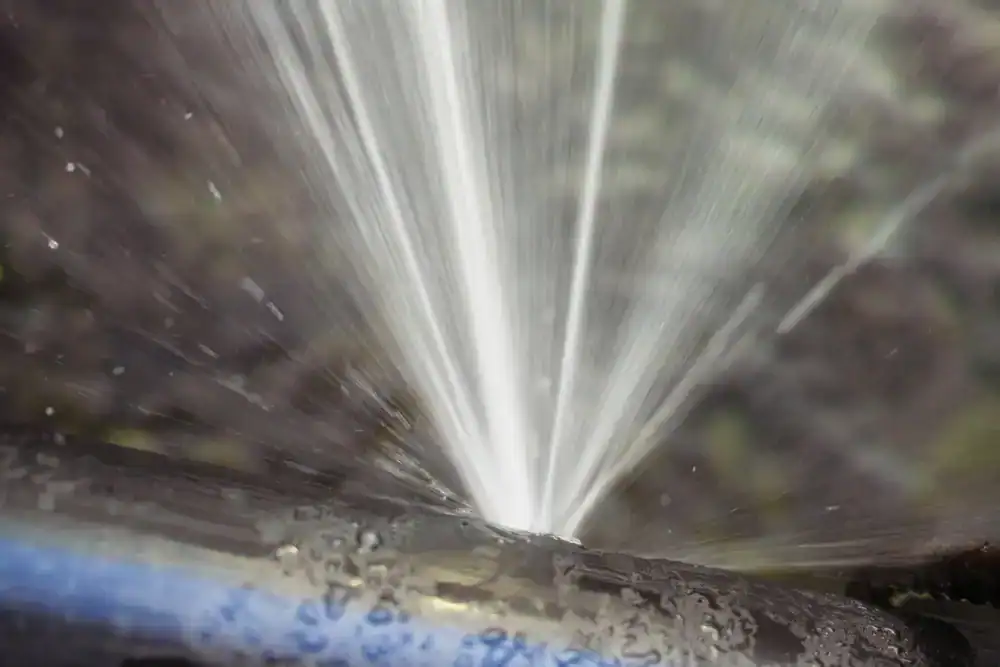
When Your Pipe Bursts at 7 PM, We're Already Moving
Greenburgh homeowners commute long hours — and a burst pipe doesn’t wait for you to get home. We respond 24/7 with full water damage restoration, from emergency extraction to finished reconstruction.
I needed a professional consultation explanation of procedure for safe removal of Asbestos in my apartment complex. Without having an account yet, I was very impressed with the caring, knowledgeable and generous advice offered by Jessica, and will look forward to doing business in the future. Thank you so much! I feel much more informed about a sometimes scary endeavor. Peace. Nancy Silva Mineola, NY.
Mia Munoz
Used this company to clean up some water flood in my house. They were fast and easy to work with.very professional, Would recommend to anyone!
Nini Valle
Great company, had a flood and they responded quickly and efficiently. Billed my insurance company directly. I highly recommend this company!
joe colapietro, jr
I had pipe freeze in my basement right before a snow storm and they made to within an hour to help start the clean up process. They we by our side throughout the entire process and even helped with the insurance company. They did such a great job with the cleanup, repair, remidiation, I contracted them to perform the repairs and finishes in the basement. They came with enough manpower and material to get the job done. Leo and Jessica were nothing but a pleasure to deal with!!
Cristian Arredondo c
I had some water damage in my home and Green Island was able to take care of my issue quickly and effectively. I am very pleased with the work they did. They responded quickly and were very professional.
Michael M
Outstanding service! From the office to the field crew everyone was friendly, helpful and responsive. I highly recommend Green Island Group.
Your Home Back to Normal — Completely, Not Just Mostly
A burst pipe in Greenburgh isn’t just a plumbing problem. It’s water sitting inside your walls, under your floors, and in your insulation — often for hours before anyone notices it. By the time you walk in the door after a long commute, the damage has already spread well beyond what you can see. That’s the real problem, and it’s why surface-level drying isn’t enough.
What you actually need is someone who can document the full extent of the damage, dry the structure from the inside out, and put everything back together — walls, floors, ceilings, all of it. Not a company that hands you off to a separate contractor once the drying equipment gets pulled. One crew, one project, one outcome: your home back to the way it was.
Greenburgh’s older housing stock adds another layer to this. If your home in Dobbs Ferry, Hastings-on-Hudson, Irvington, or the older sections of Hartsdale was built before 1980, there’s a real chance the walls being opened up contain asbestos-containing materials — pipe insulation, floor tile, joint compound. That’s not a reason to panic, but it is a reason to make sure the company you call can handle abatement in-house, without adding another contractor, another schedule, and another round of negotiations to an already stressful situation.
12 Years Serving Greenburgh and Westchester County
We’ve been doing this work in Greenburgh and throughout Westchester County for over 12 years. That means we’ve worked in pre-war Victorians in Tarrytown, post-war colonials in Edgemont, finished basements in Irvington, and mixed-use buildings along the Central Avenue corridor in Fairview and Hartsdale. The building types, the materials, the permit requirements — none of it is new to us.
We’re NYS and NYC M/WBE certified, fully insured including liability and workers’ compensation, and licensed under New York State’s Article 32 mold remediation contractor requirements. These aren’t optional credentials in this industry — they’re the legal and professional baseline that protects you as a homeowner. We hold all of them.
We also work directly with insurance carriers, handling documentation and adjuster communication so you’re not stuck translating damage reports while trying to manage a disrupted home. And if there’s a gap between when remediation needs to start and when your insurance pays out, financing up to $200,000 at 0% APR means you don’t have to delay the work to protect your cash flow.
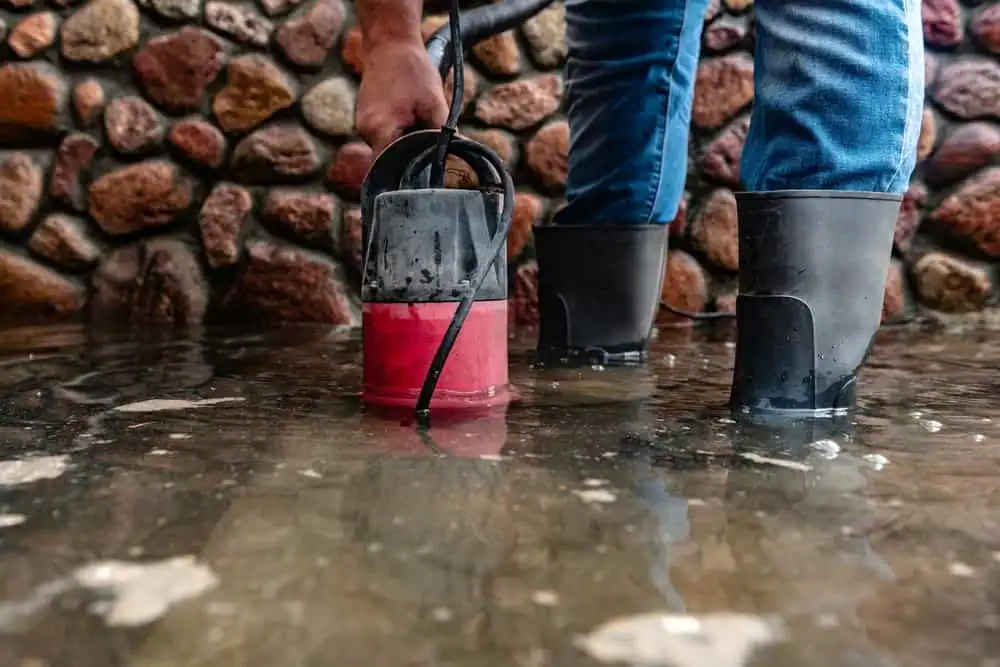
When you call, the first thing that happens is emergency dispatch — day or night, including evenings when most Greenburgh residents are just getting home. We arrive with extraction equipment and moisture detection tools, not just a shop vac and a fan. The goal at this stage is to stop the spread, document everything, and get an accurate picture of how far the water actually traveled inside the structure.
From there, the drying phase begins. This isn’t just running dehumidifiers and hoping for the best. It’s a calibrated process — moisture readings taken at multiple points, equipment adjusted based on daily data, and drying logs maintained throughout. If your home is in one of Greenburgh’s older neighborhoods and the walls contain materials that need to be tested before they’re opened, that testing happens before any demolition begins. If asbestos is present, we handle abatement in-house before the rebuild starts — no waiting on a separate contractor.
Once the structure is fully dry and cleared, reconstruction begins. Framing, drywall, flooring, paint — whatever was removed to remediate the damage gets put back. In Greenburgh, that work goes through the appropriate building department, whether that’s the Town of Greenburgh Building Department for unincorporated areas like Hartsdale and Edgemont, or the village building department if your property sits within Ardsley, Dobbs Ferry, or one of the other incorporated villages. We navigate that distinction routinely and handle the permit coordination as part of the project.
Our burst pipe restoration in Greenburgh covers the full scope — emergency water extraction, structural drying with documented moisture mapping, mold remediation under NYS Article 32 licensing, in-house asbestos abatement when pre-1980 materials are involved, and complete reconstruction to finished condition. This matters in Greenburgh specifically because of the town’s building stock. A significant portion of homes in the rivertown villages and older sections of Hartsdale were built during eras when asbestos was standard in pipe insulation, floor tile, and ceiling materials. When those walls get opened up, you need a contractor who can handle what’s inside them — not one who has to stop the job and call someone else.
The insurance side of the process is handled in full. We document the damage in adjuster-ready format, communicate directly with your carrier, and advocate for a complete and accurate settlement. Customers consistently cite this as one of the most valuable parts of the experience — not just because it saves time, but because it removes the most stressful piece of an already difficult situation.
For homeowners facing a deductible gap, a slow adjuster response, or any situation where the work needs to start before the insurance funds arrive, financing up to $200,000 at 0% APR is available. Waiting to begin remediation is one of the costliest decisions you can make — mold can begin growing inside wall cavities within 24 to 48 hours of a water intrusion event. The financing option exists so that timeline is never compromised by a cash flow issue.
Does a burst pipe in Greenburgh automatically lead to mold damage?
Not automatically — but the window is shorter than most people expect. Mold can begin growing on wet building materials within 24 to 48 hours of a water intrusion event. That timeline doesn’t care whether the water came from a burst supply line, a failed washing machine hose, or a frozen pipe that cracked overnight.
What determines whether mold becomes part of the problem is how quickly professional drying begins and how thoroughly it’s done. Surface drying — running a fan, mopping up standing water — doesn’t address moisture that has wicked into wall framing, insulation, and subfloor assemblies. In Greenburgh’s older homes, particularly in Hartsdale and the rivertown villages, those materials are often dense and slow to release moisture. Proper structural drying with calibrated equipment and daily moisture documentation is what actually closes the mold window. If remediation starts quickly and is done correctly, mold typically isn’t part of the story.
How do I know if my Greenburgh home has asbestos near the burst pipe area?
The honest answer is that you can’t know without testing. If your home was built before 1980 — which describes a large portion of the housing stock in Dobbs Ferry, Hastings-on-Hudson, Irvington, Tarrytown, and the older sections of Hartsdale — there is a meaningful probability that asbestos-containing materials are present somewhere in the structure. Common locations include pipe insulation wrapped around supply and drain lines, 9×9 floor tiles, ceiling tiles, and joint compound used in drywall finishing.
When a pipe bursts and walls need to be opened for remediation, those materials may be disturbed. Under New York State law, disturbing asbestos-containing materials without proper testing, notification, and licensed abatement is not just inadvisable — it carries real legal and health consequences. The right approach is to test before any demolition begins. We handle asbestos testing and abatement in-house, which means the project doesn’t stop while you wait for a separate abatement contractor to get scheduled. It’s part of the same workflow, managed by the same team.
What's the difference between a plumber and a water damage restoration contractor?
A plumber fixes the pipe. That’s their job, and it’s an important one — but it’s the beginning of the problem, not the end of it. Once the water source is stopped, everything the water touched still needs to be addressed: extracted, dried, tested, and in many cases rebuilt. That’s a completely different scope of work requiring different equipment, different licensing, and different expertise.
A water damage restoration contractor picks up where the plumber leaves off. We extract standing water, use moisture meters and thermal imaging to map how far the water traveled inside the structure, run commercial-grade drying equipment calibrated to the specific conditions of your home, and document everything for your insurance carrier. In Greenburgh, where many homes have finished basements, multi-level layouts, and older building materials that absorb and retain moisture differently than newer construction, the restoration phase is often more complex than the plumbing repair itself. Calling a restoration contractor the same day you call a plumber — not after — is the decision that limits the total scope of damage.
Will my homeowners insurance cover burst pipe repair in Greenburgh, NY?
In most cases, yes — sudden and accidental water damage from a burst pipe is covered under standard homeowners insurance policies. What’s typically not covered is damage resulting from long-term neglect or a slow leak that went unaddressed. The distinction matters, and it’s one area where having a restoration contractor who documents the damage thoroughly from the start can make a significant difference in how your claim is evaluated.
Greenburgh homeowners with homes valued at $700,000 or more — which describes a large portion of the market, particularly in Edgemont, Hartsdale, and the rivertown villages — are often carrying policies with deductibles in the $5,000 to $10,000 range. That’s real out-of-pocket exposure before insurance coverage begins. We work directly with insurance carriers, handle the documentation in adjuster-ready format, and advocate for a complete and accurate settlement. If there’s a timing gap between when the work needs to start and when the insurance funds arrive, the 0% APR financing option up to $200,000 means you don’t have to delay remediation while waiting on the claim to process.
How long does burst pipe restoration typically take from start to finish?
The drying phase alone typically runs three to five days, sometimes longer depending on the extent of the water intrusion and the materials involved. Structural drying isn’t a process you can rush — it’s driven by daily moisture readings, not by a calendar. Pulling equipment too early because it looks dry on the surface is one of the most common causes of mold problems that show up weeks later inside walls.
After drying and any necessary mold remediation or asbestos abatement, the reconstruction phase begins. In Greenburgh, that timeline can be affected by the permitting process — work in the unincorporated areas of Hartsdale, Edgemont, and Fairview goes through the Town of Greenburgh Building Department, while properties in the incorporated villages like Dobbs Ferry, Ardsley, or Tarrytown go through their respective village building departments. We handle permit coordination as a standard part of the project, so you’re not chasing approvals on your own. Total project duration from emergency call to finished reconstruction typically ranges from two to four weeks depending on scope, materials, and permit timing.
Can Green Island Group handle a burst pipe in a Greenburgh rental or multi-family property?
Yes, and multi-family situations in Greenburgh come with their own set of complications that we’re familiar with. Along the Central Avenue corridor and in parts of Hartsdale and Elmsford, there are significant numbers of rental units, condominiums, and co-ops where a single pipe failure can affect multiple units across multiple floors. Determining scope, coordinating access, and managing the insurance and liability questions across a landlord-tenant relationship adds complexity that a single-family residential contractor isn’t always equipped to handle.
We work in both residential and commercial property contexts, document damage in a format that works for property managers and insurance adjusters alike, and can coordinate remediation across multiple affected units without requiring separate contractors for each phase of the work. If you’re a landlord or property manager in Greenburgh dealing with a burst pipe that has affected tenants, the priority is the same as it is in any other scenario — stop the spread, document everything, and get the structure fully dry before any reconstruction begins. The faster that process starts, the smaller the total scope of the problem.