Hartsdale Homes Are Older — Your Response Shouldn't Be
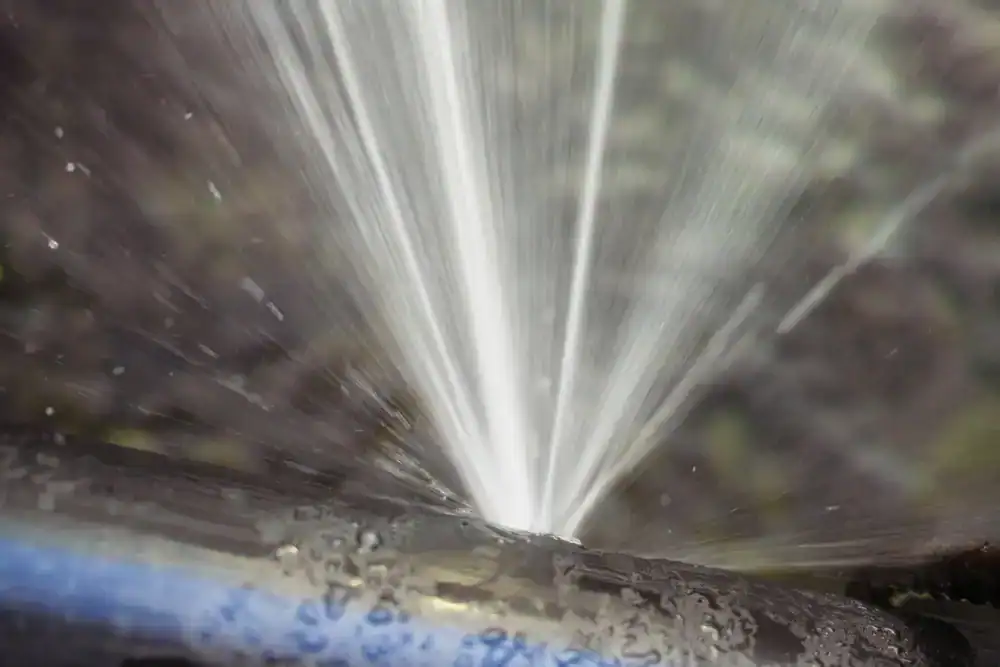
When a pipe lets go inside a pre-war Hartsdale home, every hour you wait makes the job bigger. We respond 24/7 and handle burst pipe repair from emergency extraction to finished restoration — one call, no juggling contractors.
I needed a professional consultation explanation of procedure for safe removal of Asbestos in my apartment complex. Without having an account yet, I was very impressed with the caring, knowledgeable and generous advice offered by Jessica, and will look forward to doing business in the future. Thank you so much! I feel much more informed about a sometimes scary endeavor. Peace. Nancy Silva Mineola, NY.
Mia Munoz
Used this company to clean up some water flood in my house. They were fast and easy to work with.very professional, Would recommend to anyone!
Nini Valle
Great company, had a flood and they responded quickly and efficiently. Billed my insurance company directly. I highly recommend this company!
joe colapietro, jr
I had pipe freeze in my basement right before a snow storm and they made to within an hour to help start the clean up process. They we by our side throughout the entire process and even helped with the insurance company. They did such a great job with the cleanup, repair, remidiation, I contracted them to perform the repairs and finishes in the basement. They came with enough manpower and material to get the job done. Leo and Jessica were nothing but a pleasure to deal with!!
Cristian Arredondo c
I had some water damage in my home and Green Island was able to take care of my issue quickly and effectively. I am very pleased with the work they did. They responded quickly and were very professional.
Michael M
Outstanding service! From the office to the field crew everyone was friendly, helpful and responsive. I highly recommend Green Island Group.
A burst pipe doesn’t just leave water on the floor. It pushes moisture into wall cavities, subfloor assemblies, and framing — places you can’t see and can’t reach with a shop vac. If that moisture sits for 48 hours or more, you’re no longer dealing with a water damage job. You’re dealing with mold, and the scope and cost of the work changes significantly.
In Hartsdale, that risk is higher than in most Westchester communities. A substantial portion of homes here were built before 1940 — plaster walls, old-growth lumber framing, original pipe runs through exterior walls that were never insulated for a modern winter. Those materials hold moisture longer and dry slower than anything built in the last 30 years. When a pipe fails in January during a hard freeze, the damage compounds fast.
What the outcome looks like when the job is done right: every affected surface is moisture-mapped and documented, drying logs confirm the structure is actually dry — not just dry on the surface — and your home is rebuilt to the condition it was in before the pipe failed. You’re not left managing three different contractors or chasing your insurance carrier. You get one team, one process, and a finished result you can verify.
12 Years in Westchester — We Know What's Inside Hartsdale's Walls
We’ve been doing restoration work in Westchester County for over 12 years. That’s not a credential we put on a website and forget about — it means we’ve worked inside the older homes that define neighborhoods like Greenacres and the streets near the Hartsdale train station. We know what pre-war construction looks like when it’s wet, and we know what it takes to dry it correctly.
We’re NYS and NYC M/WBE Certified, fully insured including liability and workers’ compensation, and licensed for mold remediation under New York State’s Article 32 requirements. We’ve worked with the NYS Office of General Services, which means we’ve met procurement standards that most private contractors never have to face.
When you call us, you’re not getting a national franchise or a Connecticut-based company marketing into Westchester. You’re getting a team that actually operates here, understands the Greenburgh building permit process, and has worked with local insurance adjusters on Westchester County claims before.
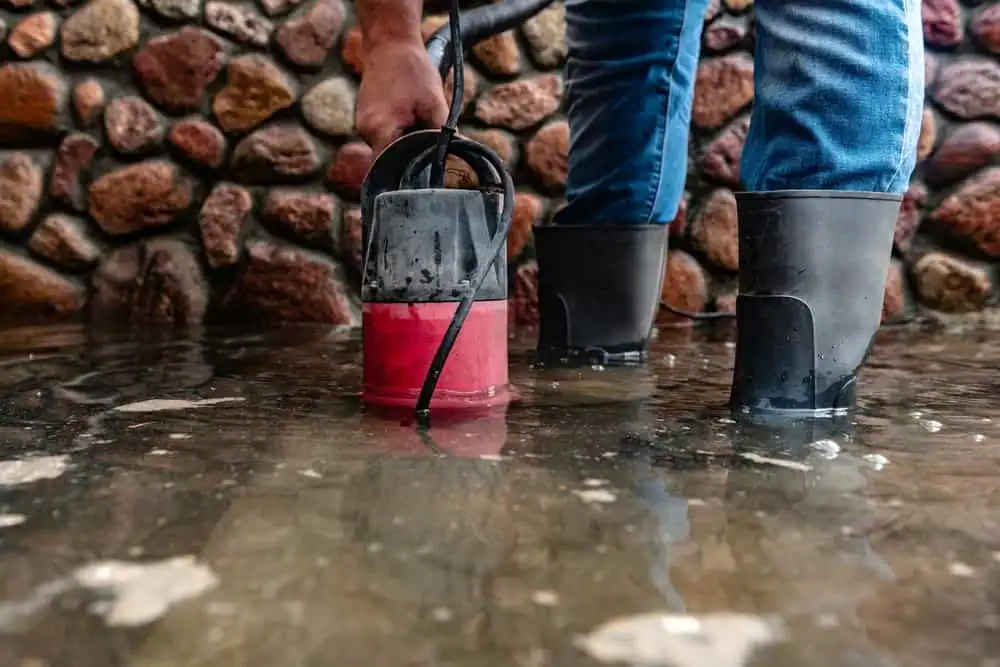
When you call, we respond — not with an answering service and a next-morning callback, but with an actual dispatch. That matters because the 24-to-48-hour window before mold becomes a factor is not negotiable. We get extraction equipment running as fast as possible, because the sooner the water is out, the smaller the job stays.
Once the emergency is stabilized, we do a full moisture assessment using calibrated meters and thermal imaging. This tells us exactly where the water traveled — including inside walls and under flooring that look fine from the outside. In Hartsdale’s older homes, water can wick through plaster and old-growth lumber in ways that aren’t obvious, so we map everything before we start drying. If there’s any possibility of asbestos-containing materials in the affected area — which is a real consideration in pre-1940 construction — we handle abatement in-house before remediation begins, so you don’t have to bring in a separate licensed contractor and wait.
From there, we run commercial drying equipment until moisture readings confirm the structure is dry to IICRC standards. We document the entire process with daily drying logs — both for your records and for your insurance carrier. Reconstruction comes last: drywall, flooring, painting, whatever the scope requires. When we’re done, your home looks the way it did before the pipe failed.
Pipe Burst Water Damage Cleanup Westchester County
Full Scope, One Contractor, No Gaps in Coverage
Most restoration companies handle one piece of the job. They extract the water, hand you a dry structure, and leave you to find a contractor for the rebuild. Or they do the rebuild but don’t carry the mold remediation license New York State requires. We cover the entire scope — emergency extraction, structural drying, licensed mold remediation, asbestos abatement if needed, and full reconstruction.
That last piece — asbestos abatement — is something Hartsdale homeowners in older properties need to think about before anyone opens a wall. Under New York State law, abatement must be performed by a licensed contractor before remediation can proceed in areas where asbestos-containing materials may be disturbed. In a home built before 1940, that can mean pipe insulation, floor tiles, ceiling tiles, or joint compound. We’re licensed and equipped to handle it in-house, which keeps your project moving without the delays that come from coordinating a separate abatement company.
We also work directly with your insurance carrier. We document the damage in the format adjusters require, communicate with them throughout the process, and advocate for a complete claim — not a cost-minimized one. If your claim is delayed or disputed, our financing option covers up to $200,000 at 0% APR, so remediation starts immediately rather than waiting on a resolution. The Town of Greenburgh may also require building permits for reconstruction work depending on scope — we handle that coordination as part of the job.
Does homeowners insurance cover burst pipe damage in Hartsdale, NY?
In most cases, yes — sudden and accidental pipe bursts are covered under standard homeowners insurance policies. The key word is “sudden.” If an adjuster determines the pipe failed due to long-term deterioration or deferred maintenance, they may push back on the claim. In Hartsdale, where galvanized steel pipes in pre-war homes may be operating well past their design life, that distinction matters.
What helps your claim is documentation — and lots of it. Moisture readings taken at the time of the loss, thermal imaging showing the extent of water migration, and daily drying logs that confirm the structure was properly dried are all evidence that supports a complete claim. We document every step of the process in the format insurance adjusters expect, and we communicate with your carrier directly so you’re not the one translating between the job site and the claims department.
How quickly does mold start growing after a pipe bursts in my home?
The EPA and FEMA both document that mold can begin colonizing wet building materials within 24 to 48 hours of a water intrusion event. That’s not a worst-case scenario — that’s the standard timeline under typical indoor conditions. In Hartsdale homes with plaster walls and old-growth lumber framing, wet materials hold moisture longer than modern construction, which can accelerate that window.
The practical implication is that calling for professional extraction the same day — ideally within hours — is the financially rational decision, not just the cautious one. Water that is extracted and dried within the first 24 hours typically stays a Category 1 or 2 loss under IICRC standards. Water that sits for 48 to 72 hours or more escalates to Category 3, which means significantly more demolition, remediation, and reconstruction. The cost difference between those two outcomes is not small.
What should I do immediately after a pipe bursts in my Hartsdale home?
First, shut off the main water supply. In most Hartsdale homes, the main shutoff is in the basement or utility area near the water meter — SUEZ, the utility serving Greenburgh, confirms that homeowners are responsible for their own meter and pipes, so knowing where that shutoff is before an emergency happens is worth doing now.
Once the water is off, don’t try to dry it yourself with fans and towels. Water from a burst pipe travels fast and far — it gets into wall cavities, under flooring, and into structural framing within minutes. Surface drying gives you a false sense of resolution while moisture continues to work inside the structure. Call us immediately, document the visible damage with photos before anything is moved or cleaned up, and avoid throwing away any damaged materials until an adjuster has seen them. Those materials are part of your claim.
Do I need a permit for water damage restoration work in Greenburgh?
It depends on the scope. Emergency water extraction and structural drying typically don’t require a permit. But reconstruction work — replacing drywall, repairing structural framing, restoring flooring — may require a building permit from the Town of Greenburgh Building Department depending on how extensive the damage is.
This is something homeowners often don’t think about until after the work is done, which can create complications when it comes time to sell the property. Unpermitted reconstruction work can surface during a home inspection or title search and create real headaches. We handle permit coordination as part of the reconstruction scope — we know what the Greenburgh Building Department requires and how to document the work correctly so there are no surprises later.
Are there asbestos risks in older Hartsdale homes during burst pipe repair?
Yes, and it’s a question worth taking seriously. Approximately 25% of Hartsdale’s homes were built before 1939, and a significant additional portion date from the 1940s and 1950s. In homes of that age, asbestos-containing materials were commonly used in pipe insulation, floor tiles, ceiling tiles, and joint compound — all of which may be present in the areas affected by a burst pipe.
Under New York State law, licensed asbestos abatement must be completed before remediation work can proceed in areas where those materials may be disturbed. That’s not optional, and it’s not something a standard restoration contractor is licensed to perform. We carry in-house asbestos abatement capability, which means we can assess, abate, and remediate without you having to find and schedule a separate licensed abatement contractor. In a time-sensitive water damage situation where every hour matters, that coordination advantage is significant.
Why does Green Island Group offer financing for burst pipe repair in Hartsdale?
Insurance claims take time, and water damage doesn’t wait. In Westchester County, disputes over claim scope are common — adjusters push back on coverage, documentation gets questioned, and the resolution process can stretch over weeks. During that time, moisture is still present in your walls, and the mold clock is still running.
The financing option — up to $200,000 at 0% APR — exists so that remediation starts immediately regardless of where the insurance process stands. For Hartsdale homeowners with significant equity in properties worth $600,000 or more, waiting on a disputed claim while your home continues to sustain damage is a bad financial trade. The financing removes that barrier. You get the work done now, your home is protected, and the financial resolution follows — rather than being held hostage to it. It’s also relevant for homeowners managing rental units in the area where cost responsibility between landlord and tenant is being sorted out.