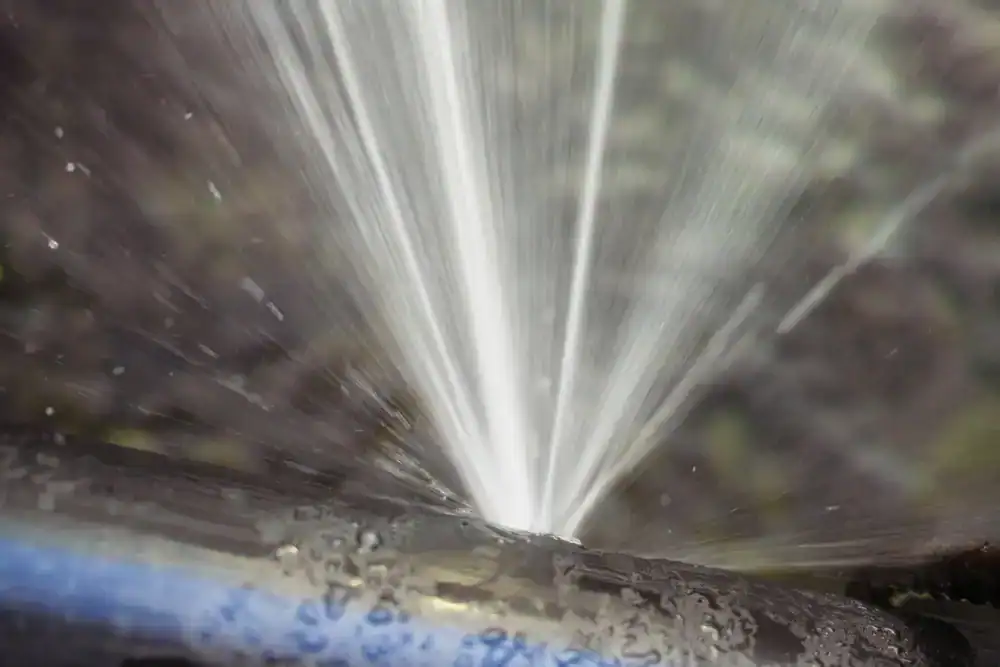
When Hawthorne's Older Homes Spring a Leak, Every Hour Counts
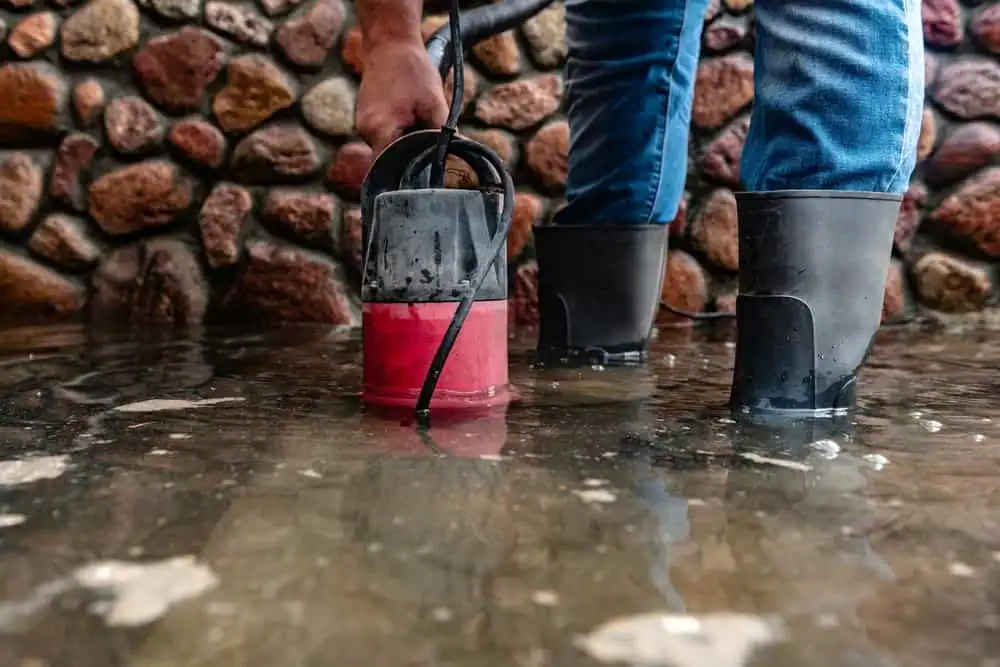
A burst pipe in a mid-century Colonial or Cape Cod doesn’t wait for a convenient time. We respond 24/7 and handle everything — from emergency water extraction to full reconstruction — so you’re not managing three contractors while water sits inside your walls.
I needed a professional consultation explanation of procedure for safe removal of Asbestos in my apartment complex. Without having an account yet, I was very impressed with the caring, knowledgeable and generous advice offered by Jessica, and will look forward to doing business in the future. Thank you so much! I feel much more informed about a sometimes scary endeavor. Peace. Nancy Silva Mineola, NY.
Mia Munoz
Used this company to clean up some water flood in my house. They were fast and easy to work with.very professional, Would recommend to anyone!
Nini Valle
Great company, had a flood and they responded quickly and efficiently. Billed my insurance company directly. I highly recommend this company!
joe colapietro, jr
I had pipe freeze in my basement right before a snow storm and they made to within an hour to help start the clean up process. They we by our side throughout the entire process and even helped with the insurance company. They did such a great job with the cleanup, repair, remidiation, I contracted them to perform the repairs and finishes in the basement. They came with enough manpower and material to get the job done. Leo and Jessica were nothing but a pleasure to deal with!!
Cristian Arredondo c
I had some water damage in my home and Green Island was able to take care of my issue quickly and effectively. I am very pleased with the work they did. They responded quickly and were very professional.
Michael M
Outstanding service! From the office to the field crew everyone was friendly, helpful and responsive. I highly recommend Green Island Group.
The visible water is only part of the problem. In Hawthorne’s mid-century homes — the Colonials, Cape Cods, and ranch-style houses that make up the majority of the hamlet — original plaster walls, older insulation, and decades-old framing absorb moisture in ways that modern drywall simply doesn’t. What looks dry on the surface can be saturated three inches behind it, and you won’t know until mold shows up weeks later.
That’s the real risk here. The EPA documents that mold can begin growing on wet building materials within 24 to 48 hours of a water intrusion event. Westchester County winters don’t help — when temperatures drop hard and then break quickly, pipes that cracked during the freeze often fail the morning after, right when you’re heading out for your commute. By the time you’re back, the damage has had hours to spread.
When the job is done right, you’re not just dry — you’re restored. Walls are back, floors are back, and there’s documentation your insurance carrier accepts. No second contractor to find, no open walls to stare at for weeks, and no wondering whether something was missed behind the baseboard.
12 Years in Westchester — We Know What's Behind These Hawthorne Walls
We’ve been doing this work in Westchester County for over 12 years. That means we’ve been inside the kind of homes that define Hawthorne — pre-1980 construction with original plumbing, original wall assemblies, and sometimes asbestos-containing materials that have to be handled before remediation can even begin. We’re not guessing at what we’ll find. We’ve seen it.
We’re NYS and NYC M/WBE certified, fully licensed for mold remediation under New York State Article 32, and we carry in-house asbestos abatement capability — which matters significantly in Hawthorne, where a large portion of the housing stock predates 1980. Permits for restoration work in Hawthorne run through the Town of Mount Pleasant Building Department, and we’ve navigated that process before.
What separates us from the franchise operators with Hawthorne zip codes is that we don’t hand the project back to you halfway through. We start with the emergency call and finish when your home looks the way it did before the pipe failed.
From the Emergency Call to a Finished Room — Here's How We Handle It
The first step is stopping the damage from spreading. When you call, we dispatch a crew — not an answering service, an actual crew — and begin emergency water extraction as soon as we arrive. We use calibrated moisture meters and thermal imaging to find water that’s moved into wall cavities, subfloor assemblies, and crawl spaces, because in Hawthorne’s older homes, water travels further than it looks.
Once extraction is complete, we set up industrial drying equipment and begin the structural drying process. If the home was built before 1980, we test for asbestos-containing materials before opening any walls — this is a legal requirement in New York State, and skipping it creates real liability for you as the homeowner. Our in-house abatement team handles this without adding a scheduling delay that would push you past the mold growth window.
From there, we document everything your insurance carrier needs, communicate directly with your adjuster, and move into reconstruction once the structure is verified dry. Permits through the Town of Mount Pleasant are pulled as required. The job ends when the room is finished — not when the drying equipment comes out.
What you’re actually getting here is a single contractor who covers the full scope — emergency response, water extraction, structural drying, mold remediation, asbestos abatement if needed, and complete reconstruction. For Hawthorne homeowners, that last piece matters more than it might in a newer community. When a pipe fails inside a 1950s or 1960s Colonial off Commerce Street, the downstream risks are layered: saturated original framing, potential asbestos in the pipe insulation or floor tiles, mold in the crawl space or finished basement, and a reconstruction job that needs to match original materials and finishes.
We also handle the insurance side directly. That means we document the loss in the format adjusters require, communicate with your carrier throughout the claim, and advocate for a complete restoration — not the minimum payout. For a household where both adults are commuting to professional jobs and don’t have time to spend three days on the phone with an adjuster, this matters. We offer financing up to $200,000 at 0% APR if you need remediation to start before the insurance payment clears — which is more common than most people expect.
Every job is backed by a 100% satisfaction guarantee. We’re fully insured, including liability and workers’ compensation, which protects you from exposure if anything happens on your property during the job.
Does homeowners insurance cover a burst pipe in Hawthorne, NY?
In most cases, yes — but the details matter. Standard homeowners insurance policies in New York typically cover sudden and accidental water damage from a burst pipe. What they often dispute is damage that the insurer can characterize as gradual or resulting from deferred maintenance. In Hawthorne, where a significant portion of the housing stock has galvanized steel plumbing that’s approaching or past its functional lifespan, insurers sometimes push back on claims by arguing the pipe failure was foreseeable.
This is exactly why having a restoration contractor who handles insurance communication directly is valuable. We document the loss in the format carriers require and communicate with your adjuster throughout the process. If the claim is disputed, you’re not navigating that alone while also trying to get your home dried out. The faster the damage is documented and extraction begins, the stronger your claim position — which is another reason 24/7 response matters beyond just the physical damage.
How quickly does mold grow after a pipe bursts in a Westchester County home?
The EPA and FEMA both document that mold can begin growing on wet building materials within 24 to 48 hours of a water intrusion event. In Hawthorne’s mid-century homes, the risk is higher than in modern construction because original plaster walls, older insulation, and original framing lumber retain moisture more aggressively than modern drywall and engineered lumber.
The practical implication is that a burst pipe discovered on a Tuesday morning and not professionally addressed until Thursday is already in the mold growth window. What starts as a contained water damage event becomes a full mold remediation project — with significantly higher cost and scope. The difference between a $5,000 remediation and a $25,000 remediation often comes down to how many hours passed before professional extraction started. Calling immediately, even if the pipe has been shut off, is always the right move.
My Hawthorne home was built in the 1960s — do I need asbestos testing before repairs?
If your home was built before 1980, asbestos testing before opening walls or disturbing pipe insulation is not just a good idea — in New York State, it’s a legal and practical necessity. Asbestos was commonly used in pipe insulation, floor tiles, ceiling tiles, and joint compound through the late 1970s. Disturbing these materials without proper testing and abatement is potentially illegal under NYS Department of Labor regulations and creates serious health and liability exposure.
The challenge for Hawthorne homeowners is timing. Finding and scheduling a separate licensed abatement contractor adds days to the remediation timeline — days during which water is sitting in wall cavities and the mold growth clock is running. We handle asbestos abatement in-house, which means testing and abatement happen as part of the same project without a scheduling gap. For a pre-1980 Colonial or Cape Cod in Hawthorne, this is not a minor convenience — it’s the difference between staying inside the mold growth window and blowing past it.
What's the difference between a plumber and a water damage restoration company?
A plumber fixes the pipe. A restoration company addresses everything the water did after the pipe failed. These are genuinely different scopes of work, and confusing them is one of the most common and costly mistakes homeowners make after a burst pipe event.
A licensed plumber will stop the water source and repair or replace the failed pipe. That’s the right first call for the plumbing itself. But once the water has been in your walls, subfloor, insulation, and framing, the plumber’s job is done and the restoration job begins. That means professional water extraction, structural drying with calibrated equipment, moisture mapping to find hidden saturation, mold remediation if the window has passed, and reconstruction of whatever was removed or damaged. In Hawthorne’s older homes, where water can travel through original wall assemblies in ways that aren’t visible on the surface, skipping the restoration step and assuming the structure dried on its own is a risk that tends to show up as a mold problem six weeks later.
How long does burst pipe water damage restoration take in Hawthorne?
The honest answer is that it depends on how far the water traveled and how quickly extraction started. A contained event in a modern bathroom with quick response can be dried and reconstructed in five to seven days. A burst pipe in a Hawthorne Colonial that went undetected for several hours — or that occurred in a finished basement or inside an original plaster wall assembly — can extend the timeline to two to four weeks once you factor in structural drying, potential mold remediation, and reconstruction.
The structural drying phase alone typically takes three to five days with industrial equipment, and the structure has to be verified dry with moisture meters before reconstruction begins. Rushing that step to save time is how you end up with mold growing behind new drywall. Reconstruction scope varies significantly based on what was damaged — a finished basement in a Hawthorne ranch-style home involves flooring, framing, drywall, and possibly electrical, which takes longer than an unfinished utility space. We’ll give you a realistic timeline after the initial assessment, not a number designed to close the sale.
Can Green Island Group handle the insurance claim for my Hawthorne burst pipe?
Yes — and for most Hawthorne homeowners, this ends up being one of the most valuable parts of the service. Managing a water damage insurance claim while also coordinating remediation, living in a disrupted home, and keeping up with a demanding professional schedule is genuinely difficult. The documentation requirements, adjuster communication, and claim advocacy involved in a major water damage loss are not intuitive, and insurers are not structurally motivated to maximize your payout.
We work directly with insurance carriers. We document the damage in the format adjusters require, communicate with your carrier throughout the claim process, and advocate for a restoration that actually makes you whole — not the minimum scope the insurer would prefer to approve. We’ve done this with the major carriers who insure Hawthorne homeowners, and we understand how claims for older Westchester County homes tend to be handled. If financing is needed to bridge the gap between when remediation must start and when the insurance payment clears, we offer up to $200,000 at 0% APR. The goal is to get your home restored without the process becoming a second full-time job.