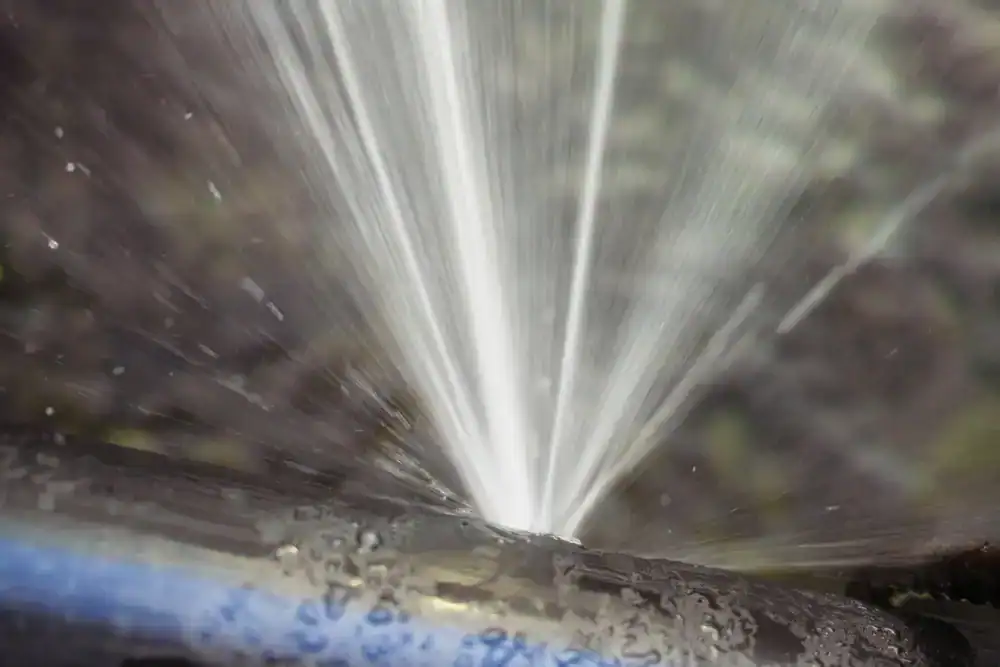
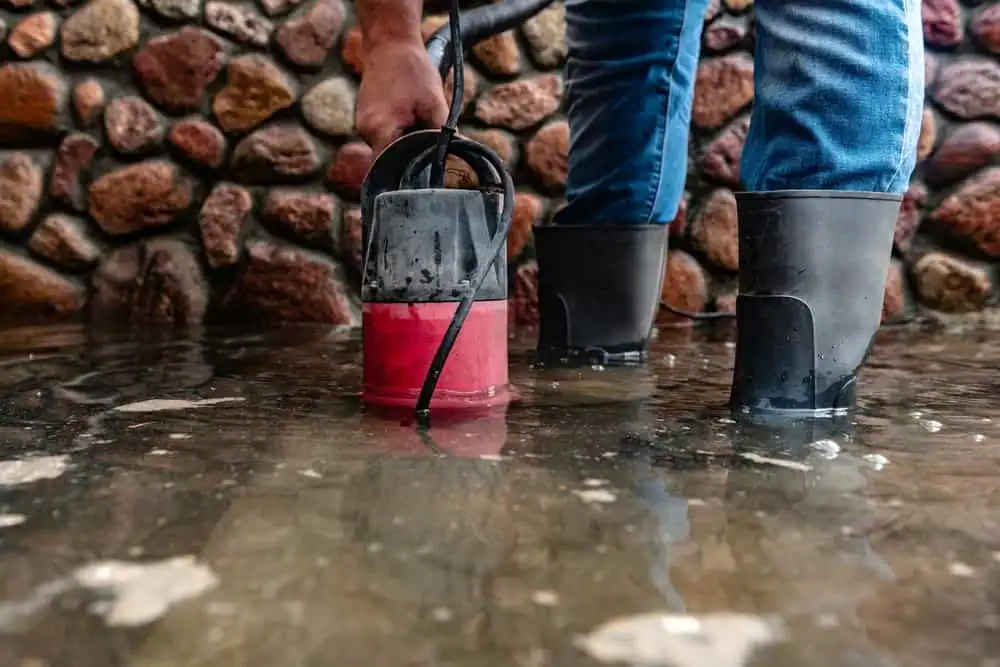
A burst pipe in a converted Lake Carmel bungalow doesn’t wait for business hours — and the damage compounds every hour you don’t act. We respond 24/7 and handle everything from emergency water extraction to full reconstruction.
I needed a professional consultation explanation of procedure for safe removal of Asbestos in my apartment complex. Without having an account yet, I was very impressed with the caring, knowledgeable and generous advice offered by Jessica, and will look forward to doing business in the future. Thank you so much! I feel much more informed about a sometimes scary endeavor. Peace. Nancy Silva Mineola, NY.
Mia Munoz
Used this company to clean up some water flood in my house. They were fast and easy to work with.very professional, Would recommend to anyone!
Nini Valle
Great company, had a flood and they responded quickly and efficiently. Billed my insurance company directly. I highly recommend this company!
joe colapietro, jr
I had pipe freeze in my basement right before a snow storm and they made to within an hour to help start the clean up process. They we by our side throughout the entire process and even helped with the insurance company. They did such a great job with the cleanup, repair, remidiation, I contracted them to perform the repairs and finishes in the basement. They came with enough manpower and material to get the job done. Leo and Jessica were nothing but a pleasure to deal with!!
Cristian Arredondo c
I had some water damage in my home and Green Island was able to take care of my issue quickly and effectively. I am very pleased with the work they did. They responded quickly and were very professional.
Michael M
Outstanding service! From the office to the field crew everyone was friendly, helpful and responsive. I highly recommend Green Island Group.
Most homeowners in Lake Carmel don’t realize how far the water has traveled until someone opens the walls. A pipe that fails in a crawl space or an exterior wall of an older cottage doesn’t just wet the floor — it saturates wood framing, subfloor assemblies, and insulation in ways that look fine on the surface and aren’t. By the time you can smell it, the damage is already deep.
That’s the real problem with burst pipe events in Lake Carmel. The town was built in 1928 as a collection of seasonal bungalows along the lake — small, modestly constructed, designed for summer use. Decades later, many of those same structures became year-round homes without the plumbing upgrades to match. Pipe runs that were never insulated for a Putnam County winter are still running through those same unheated crawl spaces today. When temperatures drop below 20°F and stay there for a few days, those pipes don’t stand much of a chance.
What changes after a proper restoration isn’t just that the water is gone — it’s that you actually know it’s gone. We use moisture mapping, documented drying logs, and a crew that understands what older homes in Lake Carmel hide behind their walls. When we leave, you’re not hoping for the best. You have documentation that the structure is dry, the mold risk has been addressed, and your home is back to where it was before the pipe failed.
We’ve been handling water damage restoration across the Hudson Valley for over 12 years. That means we’ve worked through enough Putnam County winters to know exactly what a 1940s Lake Carmel cottage looks like when a pipe lets go in January. We know the housing stock around the lake, the crawl spaces, the original galvanized plumbing that’s been running decades past its service life.
We’re NYS and NYC M/WBE Certified — a government-administered credential, not a self-issued badge — and we hold full liability insurance and workers’ compensation coverage. That matters specifically in Lake Carmel because the Town of Kent Building Department requires Putnam County Contractor Licensing for any contractor performing work here. We meet that requirement completely.
Beyond the credentials, the practical difference is that we handle the entire job. Water extraction, structural drying, mold remediation, asbestos abatement when the walls of an older Lake Carmel home require it, and complete reconstruction. You don’t get handed off to a second contractor when the dehumidifiers come out. The job isn’t done until the room looks the way it did before.
When you call, someone answers — not a voicemail, not an answering service. Our emergency line runs 24 hours a day, and a crew can be on-site in Lake Carmel the same night a pipe fails. The first priority is stopping the damage from spreading: water extraction begins immediately, and industrial drying equipment goes in right behind it.
From there, we run a full moisture assessment. In a community where a significant number of homes date back to the original Smadbeck development or the mid-20th century build-out around the lake, that assessment goes deeper than a surface check. Thermal imaging and moisture meters identify water that has traveled into wall cavities, under flooring, and into structural framing — places that look dry but aren’t. If the home was built before 1980, materials are also evaluated for asbestos before any demolition begins, which is a step that’s legally required in New York State and one that many contractors skip or outsource.
Once the structure is confirmed dry and documented, reconstruction begins. Drywall, flooring, insulation, trim — whatever the pipe damage required opening gets rebuilt to match. Throughout the process, we communicate directly with your insurance carrier, handle the documentation the adjuster needs, and advocate for a fair settlement on your behalf. By the time the job is finished, your home is back together and the paperwork is handled.
Our burst pipe restoration service is designed around the full scope of damage — not just what’s visible on day one. For Lake Carmel homeowners, that scope is often larger than expected. Homes along the lake and the surrounding hillside streets frequently have pipe runs in unheated spaces, original plumbing materials from the mid-20th century, and structural assemblies that absorb moisture quickly because they were built for seasonal use. The service accounts for all of that.
The work includes emergency water extraction, structural drying with industrial-grade equipment, moisture mapping with documented logs, mold remediation licensed under New York State Article 32 of the Labor Law, asbestos testing and abatement for pre-1980 homes where walls need to be opened, and full reconstruction of affected areas. Insurance coordination is included — we work directly with your carrier, document everything in the format adjusters require, and stay involved through the claims process so you’re not navigating it alone.
For homeowners managing a second property or vacation home on the lake — and there are many in Lake Carmel — the financing option matters. We offer up to $200,000 at 0% APR, which means remediation can start immediately without waiting for an insurance settlement to land. In a situation where every day of delay increases the scope and the cost, that option is more practical than it might sound.
Does homeowners insurance actually cover burst pipe damage in Lake Carmel, NY?
In most cases, yes — but the details matter. Standard homeowners insurance policies typically cover sudden and accidental water damage from a burst pipe, including the cost of water extraction, drying, mold remediation, and structural repairs. What they often don’t cover is the pipe itself, or damage that resulted from a slow leak that went unaddressed over time. The distinction between “sudden” and “gradual” damage is where a lot of Lake Carmel homeowners run into problems with their claims.
The other issue specific to this area is older housing stock. If your home is one of the original lakeside cottages or a mid-century build that hasn’t had a full plumbing inspection in years, an adjuster may try to argue that the failure was foreseeable or related to deferred maintenance. Having a restoration company that documents the damage thoroughly and communicates directly with your carrier makes a real difference in those situations. We handle that communication as part of the job — not as an add-on.
How fast can mold actually grow after a burst pipe in an older home?
The EPA and FEMA both document that mold can begin growing on wet building materials within 24 to 48 hours of a water intrusion event. In an older Lake Carmel home with original wood framing, older insulation, and more porous building materials, that window can feel even tighter — older materials absorb moisture faster and give mold more surface area to take hold. A pipe that fails on a Tuesday night and doesn’t get professionally extracted until Thursday morning is already in a different category of damage than one that gets addressed the same night.
This is why the response time question isn’t just a convenience issue — it’s a cost issue. A contained water damage job that costs a few thousand dollars can become a full mold remediation project requiring demolition, treatment, and reconstruction if it sits for 48 to 72 hours. Our 24/7 emergency dispatch exists specifically to close that window. Getting extraction started within hours of a failure is the single most effective thing you can do to limit the total scope of the damage.
My Lake Carmel home was built in the 1940s — do I need to worry about asbestos if a pipe bursts?
It’s a legitimate concern and one that’s specific to the age of Lake Carmel’s housing stock. Asbestos was commonly used in pipe insulation, floor tiles, ceiling tiles, and joint compound in homes built from the 1920s through the late 1970s. The original Smadbeck-era bungalows and the homes built around the lake through the mid-20th century fall squarely in that range. When a pipe bursts and walls need to be opened for remediation, there’s a real possibility of encountering asbestos-containing materials.
Under New York State law, disturbing asbestos-containing materials without proper testing and licensed abatement is not just a health risk — it creates legal liability. We have in-house asbestos abatement capability, which means the testing and removal happen as part of the same job rather than requiring a separate contractor, a separate schedule, and a separate cost negotiation. For homeowners in Lake Carmel where a significant portion of the housing stock predates 1980, this isn’t an edge case. It’s something worth asking about before any contractor opens your walls.
What's the difference between calling a plumber and calling a water damage restoration company?
A plumber fixes the pipe. That’s the right first call when water is actively flowing — you need the source stopped as fast as possible. But once the pipe is repaired and the water is off, the plumber’s job is done. Everything the water touched — the framing, the subfloor, the insulation, the drywall — is still wet, and it stays wet until someone with extraction equipment and drying technology addresses it.
A water damage restoration company picks up where the plumber leaves off. We extract standing water, set up industrial drying equipment, map the moisture throughout the structure, monitor the drying process with documented logs, and address any mold or structural damage that results. In an older Lake Carmel home where water can travel through original wood framing into areas that aren’t immediately visible, that process is not optional — it’s the difference between a home that’s actually dry and one that develops a mold problem over the next few weeks. We handle the full restoration side of the equation, including reconstruction once the structure is confirmed dry.
Why are pipes more likely to burst in Lake Carmel than in newer suburban communities?
A few things converge here that don’t line up the same way in newer communities. First, the housing stock. Lake Carmel was founded in 1928 as a seasonal bungalow colony — the original structures were built for summer use, not year-round habitation. As more families converted those cottages to full-time residences over the decades, many of the pipe runs in crawl spaces and exterior walls were never upgraded or properly insulated for Putnam County winters. Those same pipe runs are still in place in a lot of homes today.
Second, the plumbing itself ages. Galvanized steel pipes — standard in homes built through the mid-20th century — have a functional lifespan of roughly 40 to 70 years. A lot of Lake Carmel’s older homes are running plumbing that’s operating at or beyond that range. Corroded pipe walls are thinner and more vulnerable to the pressure that builds when water freezes inside them. Add in extended cold snaps that push temperatures below 20°F — which happen regularly in Putnam County — and you have a combination that produces burst pipe events on a predictable seasonal basis every winter.
Can we handle a burst pipe at a vacation home or second property on the lake?
Yes, and this is actually one of the more common situations we handle in Lake Carmel. A meaningful number of properties around the lake are maintained as second homes or vacation rentals — real estate listings in this area regularly describe properties as suitable for “year-round living, a second home, or a vacation retreat.” When one of those properties is unoccupied during a January cold snap and a pipe fails, the damage can go undetected for days before a neighbor notices, a property manager gets an alert, or the owner returns.
That delay changes the scope of the job significantly. Water that sits for several days in an unoccupied home saturates structural materials deeply, creates conditions for mold growth, and often requires substantially more demolition and reconstruction than a failure that’s caught immediately. Our 24/7 emergency response means that the moment someone becomes aware of the damage — regardless of whether the owner is on-site — extraction can begin the same day. The financing option, up to $200,000 at 0% APR, also matters for second-home owners who may be managing costs across two properties while waiting for an insurance claim to resolve.