Bungalow-Era Homes Here Don't Forgive a Slow Response
When a pipe lets go inside a 1930s Mohegan Colony home, the clock starts immediately. We respond 24/7, handle your insurance, and put your home back together — completely.
I needed a professional consultation explanation of procedure for safe removal of Asbestos in my apartment complex. Without having an account yet, I was very impressed with the caring, knowledgeable and generous advice offered by Jessica, and will look forward to doing business in the future. Thank you so much! I feel much more informed about a sometimes scary endeavor. Peace. Nancy Silva Mineola, NY.
Mia Munoz
Used this company to clean up some water flood in my house. They were fast and easy to work with.very professional, Would recommend to anyone!
Nini Valle
Great company, had a flood and they responded quickly and efficiently. Billed my insurance company directly. I highly recommend this company!
joe colapietro, jr
I had pipe freeze in my basement right before a snow storm and they made to within an hour to help start the clean up process. They we by our side throughout the entire process and even helped with the insurance company. They did such a great job with the cleanup, repair, remidiation, I contracted them to perform the repairs and finishes in the basement. They came with enough manpower and material to get the job done. Leo and Jessica were nothing but a pleasure to deal with!!
Cristian Arredondo c
I had some water damage in my home and Green Island was able to take care of my issue quickly and effectively. I am very pleased with the work they did. They responded quickly and were very professional.
Michael M
Outstanding service! From the office to the field crew everyone was friendly, helpful and responsive. I highly recommend Green Island Group.
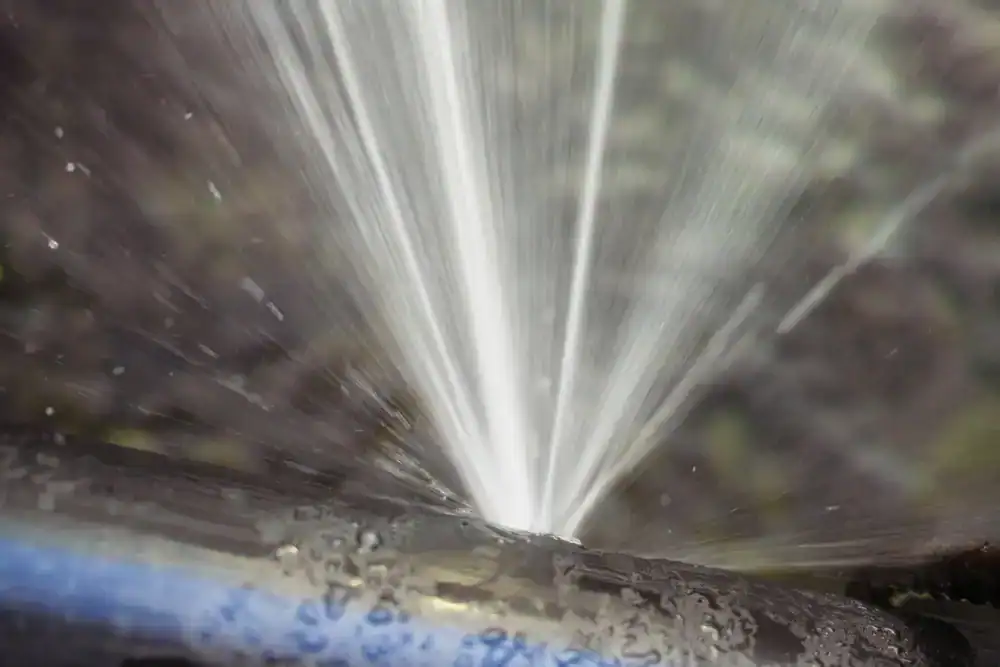
A burst pipe in Lake Mohegan isn’t just a plumbing problem. In homes that started as summer bungalows and were winterized over decades, water doesn’t stay where you can see it. It moves into original framing, saturates subfloor assemblies that were never designed for year-round moisture exposure, and disappears behind walls that may have been modified three or four times by different owners. By the time you notice the damage, it’s rarely contained to the room where the pipe failed.
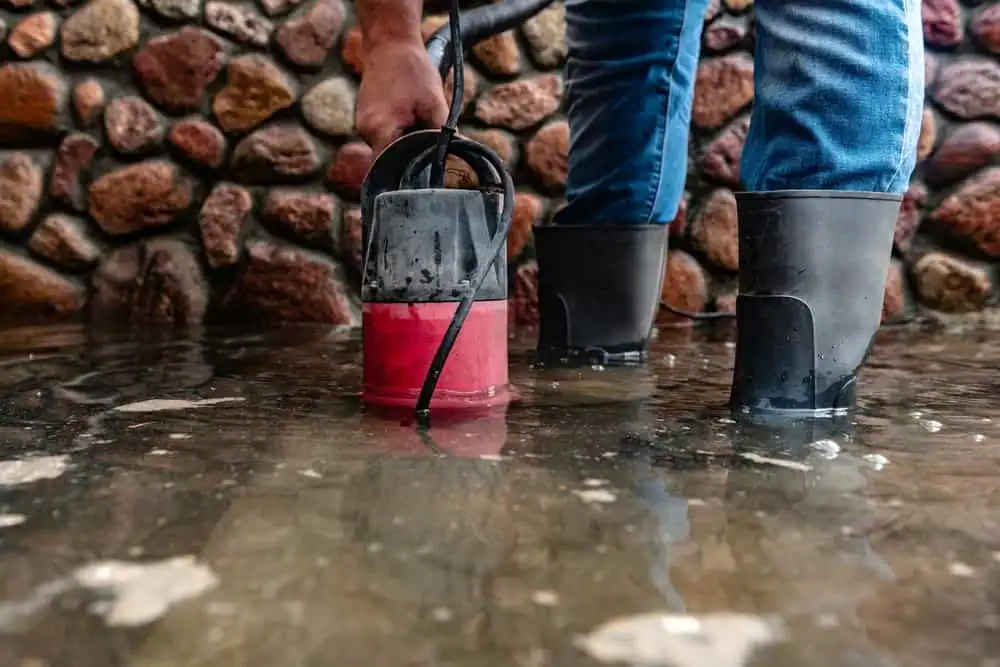
The 24-to-48-hour window before mold begins growing is the number that matters most here. That window is tighter in older construction — materials like horsehair plaster and aged wood framing absorb moisture faster and dry more slowly than modern building materials. If you’re commuting to White Plains or the city and you come home to standing water, or if you arrived at your lake property after a long weekend away and found the damage waiting for you, the response time on that first call determines whether you’re dealing with a remediation or a gut renovation.
When the job is done right, you get your home back — not just dried out, but restored. Walls closed, floors refinished, materials tested and cleared, and documentation in your hands that satisfies your insurance carrier. That’s the outcome. Everything else is just steps to get there.
Twelve Years Working Inside Lake Mohegan's Oldest Homes
We’ve been working in Lake Mohegan and northern Westchester County for over 12 years. That means we’ve been inside the bungalow-era homes along Lakeshore Drive and the lake association properties around Mohegan Colony — not just reading about them. We know what’s typically inside the walls of a home that was built as a summer structure in the 1930s and converted to year-round use over the following decades. That’s not something you pick up from a franchise manual.
We’re NYS and NYC M/WBE certified, fully insured with liability and workers’ compensation coverage, and licensed for mold remediation under New York State’s Article 32. We work directly with insurance carriers and handle the claims process on your behalf. We also carry in-house asbestos abatement capability — which matters more in Lake Mohegan’s pre-1940 housing stock than almost anywhere else in Westchester County. One call, one contractor, start to finish.
From the Moment You Call to the Day You Move Back In
It starts with the call. Our emergency line is live around the clock, and when you reach us, you’re reaching someone who can dispatch a crew — not schedule a next-day assessment. For Lake Mohegan homeowners who discovered the damage after returning from a weekend away, or who got an alert from a water sensor in an unoccupied property, that same-night response is what keeps a serious problem from becoming a catastrophic one.
When we arrive, the first priority is stopping active water intrusion and beginning extraction. From there, we use moisture mapping equipment to locate water that’s migrated behind walls, under flooring, and into structural cavities — the places you can’t see but that will grow mold if they’re not addressed. In homes built before 1980, which describes most of the Mohegan Colony housing stock, we test for asbestos-containing materials before any walls are opened. That’s not optional in New York State, and it’s not something we skip.
Once the structure is dried and cleared, we handle any required mold remediation under our NYS Article 32 license, then move into reconstruction — drywall, flooring, trim, paint, whatever the scope requires. We pull the necessary permits through the Town of Yorktown Building Department and coordinate directly with your insurance adjuster throughout. When we leave, the job is done.
Burst pipe restoration in Lake Mohegan covers more ground than it does in most neighboring towns, and that’s a function of the housing stock. Homes in the Mohegan Colony and surrounding lake association streets — Tamarack Street, Nabby Hill, Inspiration Road, Hollywood Street, and the rest — were built in layers. Original 1920s and 1930s construction, winterization work added over the following decades, expansions and modifications by successive owners. The result is a home where a burst pipe remediation project may involve galvanized steel pipes at the end of their service life, pre-1980 building materials that require asbestos testing before disturbance, and crawl spaces or unheated additions that are among the highest-risk locations for freeze damage in a northern Westchester winter.
Our full-service scope includes emergency water extraction, industrial-grade structural drying, moisture mapping, mold testing and remediation, asbestos testing and in-house abatement where required, and complete reconstruction of affected areas. We document everything in the format insurance adjusters require and handle carrier communication directly. For co-op community properties and lake association-governed residences — where multiple insurance policies may be in play — we coordinate across both the individual homeowner’s policy and any applicable master policy.
If cost timing is a concern while your claim resolves, financing up to $200,000 at 0% APR is available. Remediation doesn’t wait for insurance timelines, and neither should you.
Does homeowners insurance cover burst pipe damage in Lake Mohegan, NY?
In most cases, yes — sudden and accidental burst pipe damage is covered under a standard homeowners insurance policy. The key word is “sudden.” If an adjuster determines that the pipe failure resulted from long-term neglect or a pre-existing condition that went unaddressed, coverage can be disputed or reduced. In Lake Mohegan, where a significant portion of the housing stock includes original or aging plumbing systems in bungalow-era homes, this distinction matters. A pipe that’s been corroding for years looks different to an adjuster than one that failed during a hard freeze.
The best thing you can do for your claim is document the damage thoroughly before any cleanup begins, and work with a restoration contractor who understands how to present that documentation in the format carriers require. We handle insurance communication directly, which means we’re building the claim file from the moment we arrive — not leaving you to reconstruct the timeline after the fact. For co-op and lake association properties in Lake Mohegan, where a master policy may also be involved, we coordinate across both policies so nothing falls through the gap.
How fast does mold start growing after a pipe bursts in an older home?
The EPA and FEMA both put the window at 24 to 48 hours from the time building materials get wet. In a newer home with modern framing and drywall, that window is tight but manageable. In an older home — the kind that makes up most of the Mohegan Colony and surrounding lake association neighborhoods — it’s tighter. Original framing lumber, horsehair plaster, and aged subfloor materials absorb moisture faster and release it more slowly than modern construction. Water that looks contained to one room has often migrated significantly further by the time you’re looking at it.
This is why the response time on the first call is the single biggest factor in how the project ends up. A crew that arrives the same night the pipe fails and begins extraction immediately gives you a fundamentally different outcome than a contractor who schedules a next-day assessment. If you’re calling because you just discovered the damage after being away for a weekend — which is a common scenario in Lake Mohegan’s seasonally used lake properties — tell us that when you call. It affects how we prioritize the dispatch.
Do I need asbestos testing before burst pipe repairs in my Lake Mohegan home?
If your home was built before 1980, the answer is effectively yes — at least before any walls, floors, or ceilings are opened. New York State law requires that asbestos-containing materials be identified and properly abated before disturbance, and the contractor performing that abatement must be licensed by the NYS Department of Labor. This isn’t a technicality. In Lake Mohegan’s bungalow-era housing stock — homes built in the 1920s and 1930s and modified over the following decades — asbestos-containing materials are common. Pipe insulation, floor tiles, ceiling tiles, and joint compound from that era frequently contain asbestos.
A restoration contractor who opens your walls without testing first is creating legal liability for themselves and for you. We test before any demolition begins, and we handle abatement in-house with licensed workers if it’s needed — which means you don’t have to find a separate abatement contractor, wait for their schedule, or negotiate a second contract. It’s part of the same project. For homeowners in the Mohegan Colony and surrounding streets, this in-house capability is one of the most practical reasons to work with a contractor who knows the local housing stock rather than one who doesn’t.
What happens if my burst pipe went undetected for several days in Lake Mohegan?
The damage scope expands significantly with time, and the remediation category changes. Under the IICRC’s water damage classification framework, water that’s been present for less than 24 hours is a Category 1 or 2 loss — more contained, more straightforward to dry. Water that’s been sitting for 48 hours or more is a Category 3 loss, which typically involves active mold growth, deeper structural saturation, and a more extensive remediation scope. The cost difference between these categories is not small.
In Lake Mohegan, undetected pipe failures are more common than in most neighboring towns precisely because a meaningful share of properties are seasonally or intermittently occupied. A pipe that fails during a January cold snap in a lake association property that’s only visited on weekends may go unnoticed for days. If that’s your situation, the most important thing is to call immediately once you discover it — not to wait, not to try to dry it yourself with fans, and not to assume it’s less serious than it looks. Hidden moisture behind walls and under floors is what drives the worst outcomes, and finding it requires moisture mapping equipment, not a visual inspection.
Can I dry out burst pipe water damage myself instead of hiring a contractor?
You can remove standing water and run fans, but that’s not the same thing as drying a structure. The water you can see is rarely the water that causes the most damage. In a home with original framing and layered building materials — which describes most of the bungalow-era properties in Lake Mohegan — moisture migrates into wall cavities, subfloor assemblies, and crawl spaces where household fans have no meaningful effect. Without moisture mapping equipment to locate that hidden saturation and industrial-grade drying systems to address it, you can have a home that looks dry on the surface and is actively growing mold inside the walls.
There’s also the documentation issue. If you’re filing an insurance claim, the carrier will want a professional damage assessment, moisture readings, and a documented remediation protocol. A DIY drying effort that doesn’t produce that documentation can complicate or reduce your claim. In the context of Lake Mohegan’s older housing stock, where the remediation scope is often larger than it initially appears, the cost of professional restoration is almost always lower than the cost of discovering six months later that the job wasn’t finished.
How much does burst pipe repair and water damage restoration cost in Lake Mohegan?
The range is wide, and it depends on how quickly the damage was caught, how far the water migrated, and what the structure is made of. A water intrusion that’s addressed within the first 24 hours in a home with modern construction might run $3,000 to $7,000 for extraction, drying, and minor repairs. A loss that went undetected for several days in a bungalow-era home with original framing, pre-1980 building materials, and water in multiple rooms can reach $20,000 or more once mold remediation, asbestos abatement, and full reconstruction are factored in.
In Lake Mohegan specifically, the age of the housing stock and the likelihood of encountering asbestos-containing materials in pre-1940 homes means that the full scope often isn’t clear until we’re inside the walls. That’s not a reason to delay — it’s a reason to work with a contractor who can handle whatever they find rather than stopping the project to bring in a subcontractor. We offer financing up to $200,000 at 0% APR, which means you can authorize the full scope of work immediately rather than waiting for your insurance claim to resolve. In a situation where every day of delay increases the damage, that option matters.