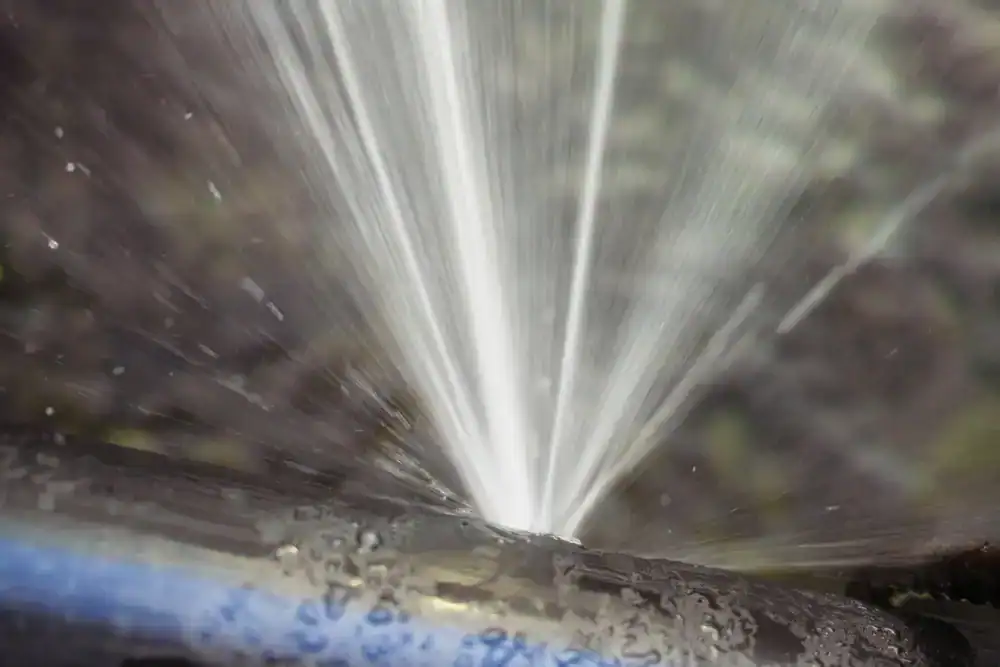
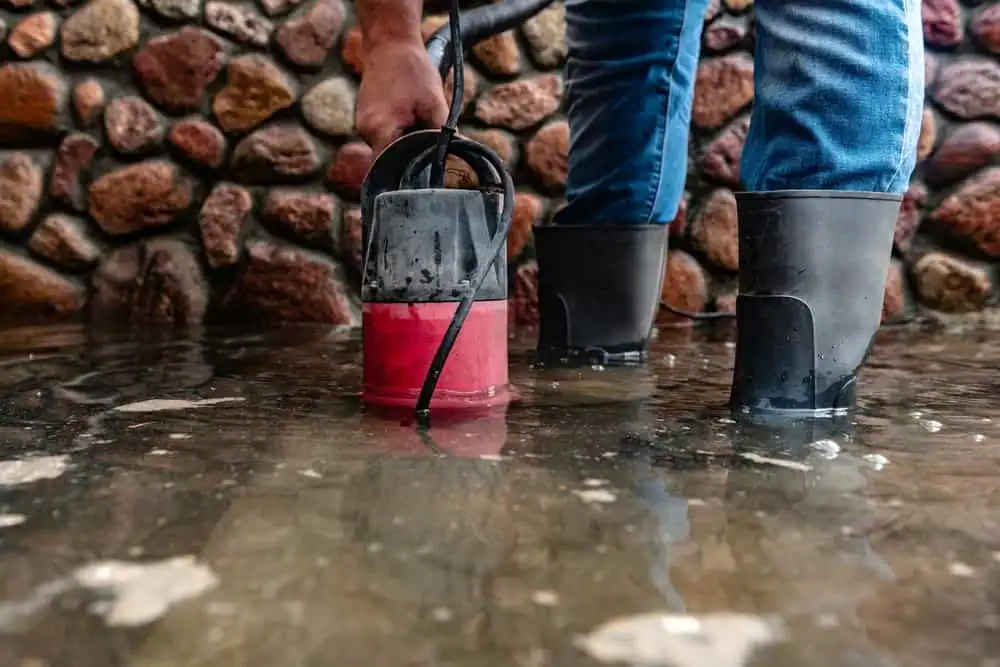
When a pipe bursts in your Nanuet home, the clock starts immediately. We respond 24/7 with full-service water damage restoration — from emergency extraction to finished reconstruction, all under one roof.
I needed a professional consultation explanation of procedure for safe removal of Asbestos in my apartment complex. Without having an account yet, I was very impressed with the caring, knowledgeable and generous advice offered by Jessica, and will look forward to doing business in the future. Thank you so much! I feel much more informed about a sometimes scary endeavor. Peace. Nancy Silva Mineola, NY.
Mia Munoz
Used this company to clean up some water flood in my house. They were fast and easy to work with.very professional, Would recommend to anyone!
Nini Valle
Great company, had a flood and they responded quickly and efficiently. Billed my insurance company directly. I highly recommend this company!
joe colapietro, jr
I had pipe freeze in my basement right before a snow storm and they made to within an hour to help start the clean up process. They we by our side throughout the entire process and even helped with the insurance company. They did such a great job with the cleanup, repair, remidiation, I contracted them to perform the repairs and finishes in the basement. They came with enough manpower and material to get the job done. Leo and Jessica were nothing but a pleasure to deal with!!
Cristian Arredondo c
I had some water damage in my home and Green Island was able to take care of my issue quickly and effectively. I am very pleased with the work they did. They responded quickly and were very professional.
Michael M
Outstanding service! From the office to the field crew everyone was friendly, helpful and responsive. I highly recommend Green Island Group.
A burst pipe doesn’t just leave water on the floor. It soaks into wall framing, wicks up drywall, settles under subfloor assemblies, and creates conditions for mold growth within 24 to 48 hours — sometimes before you’ve even figured out where the water came from. The damage you can see is rarely the whole picture.
For Nanuet homeowners, that risk runs deeper than most people realize. A significant portion of the hamlet’s housing stock was built during the post-war suburban boom of the 1950s and 1960s — capes, split-levels, and ranches that were plumbed with galvanized steel pipes now operating at or well past the end of their designed service life. When those pipes fail, water doesn’t just spread — it spreads into building materials that weren’t designed to handle prolonged moisture exposure, and in many cases, into walls and floors that may contain asbestos-containing materials from the original construction era.
What you get on the other side of this process, when it’s done right, is a home that’s been fully dried to measurable moisture standards, cleared for mold, and reconstructed to match what was there before — with documentation your insurance carrier and any future buyer can rely on. No open walls handed off to a second contractor. No guessing whether the remediation was thorough enough. Just a finished result you can actually trust.
12 Years Working in Nanuet and Rockland County — We Know These Houses
We’ve been working in Nanuet and throughout Rockland County for over 12 years. That’s long enough to know exactly what’s behind the walls of a 1960s Nanuet split-level, what the crawl spaces look like in the ranches off South Middletown Road, and what it takes to get a remediation job through the Town of Clarkstown’s permitting process without delays.
This isn’t a national franchise dispatching a crew from a call center. We’re a regional operator with NYS and NYC M/WBE certification — a government-administered credential that requires real documentation and accountability, not a logo you purchase. We carry full liability insurance and workers’ compensation, hold a New York State Mold Remediation Contractor License under Article 32, and perform asbestos abatement in-house — a capability most Rockland County restoration contractors simply don’t have.
When something goes wrong in your Nanuet home, you want a company that’s been here long enough to know the territory. We have.
From Your First Call to a Finished Room — Here's Our Process
The first step is stopping the spread. When you call, a crew gets dispatched — not a scheduler, not a voicemail. Emergency water extraction begins as soon as we arrive, pulling standing water out of the space before it migrates further into the structure. In a Nanuet home with a basement or crawl space, that often means working in tight conditions where water has already moved to places you haven’t checked yet.
Once the water is out, the drying phase begins. We position industrial air movers and dehumidifiers based on moisture mapping — not guesswork. Readings are taken throughout the drying period to confirm that wall cavities, subfloor assemblies, and framing are reaching acceptable moisture levels. In pre-1980 homes, which represent a large share of Nanuet’s housing stock, we also assess for asbestos-containing materials before any walls are opened. That step isn’t optional — it’s required under New York State Industrial Code Rule 56, and skipping it creates real legal exposure for you as the homeowner.
After drying is verified and any hazardous materials are properly addressed, reconstruction begins. Drywall, flooring, trim, paint — whatever the pipe damage required opening gets put back together. All permit work runs through the Town of Clarkstown’s Building Department, and we handle that coordination directly. By the time the project closes, you have a finished room and a complete paper trail — moisture logs, clearance documentation, and permit records — that protects the value of your home.
Most restoration companies stop at remediation. They extract the water, run the drying equipment, and hand you a report — then leave you to find someone else to close up the walls and replace the flooring. We don’t work that way. Our scope runs from emergency extraction all the way through finished reconstruction, and it’s all managed under one contract.
For Nanuet homeowners specifically, that full-scope capability matters more than it might in a newer community. The hamlet’s post-war housing stock means a burst pipe repair frequently involves more than just drying. It can mean asbestos testing and abatement before walls are opened, mold remediation if the water sat long enough, structural assessment of aging framing, and reconstruction of finishes that may not have standard modern equivalents. We handle all of it in-house — including the asbestos abatement that most competitors in the Rockland County market either subcontract or don’t address at all.
Insurance coordination is also handled directly by us. We work with all major carriers, document the damage in the format adjusters require, and communicate with your insurance company throughout the process. If there’s a coverage gap or a high deductible, we offer financing up to $200,000 at 0% APR — so the remediation doesn’t get delayed while a claim is being sorted out. In a situation where every hour matters, that matters.
How quickly can mold grow after a burst pipe in my Nanuet home?
The EPA and FEMA both document that mold can begin growing on wet building materials within 24 to 48 hours of a water intrusion event. That’s not a worst-case scenario — that’s the standard timeline under normal indoor conditions. In a Nanuet home built in the 1950s or 1960s, where original drywall, wood framing, and fiberglass insulation are common, those materials absorb moisture quickly and hold it well. The conditions for mold growth establish themselves fast.
The more important point is that visible mold is almost never the whole picture. By the time you see it on a wall surface, it’s typically already present inside the wall cavity. Professional moisture mapping after a burst pipe event is the only way to know whether the structure has dried completely — and it’s the only documentation that will hold up if mold is later discovered during a sale or insurance review. Calling for professional extraction and drying within the first few hours of a burst pipe event is the single most effective thing you can do to keep a water damage problem from becoming a mold remediation problem.
Does homeowners insurance cover burst pipe water damage in Rockland County?
In most cases, yes — standard homeowners insurance policies cover sudden and accidental water damage from a burst pipe. What they typically don’t cover is damage resulting from a pipe that was visibly deteriorating and left unaddressed, or flooding that enters from outside the structure. The distinction matters, and insurance adjusters will look for evidence of pre-existing neglect when evaluating a claim.
For Nanuet homeowners with older homes, this is worth understanding before you file. A home with 60-year-old galvanized pipes that have been showing reduced water pressure or discoloration for years may face a more complicated claim than a home where a well-maintained pipe failed unexpectedly. We document the damage thoroughly from the start — the kind of documentation that supports your claim and reduces the likelihood of a dispute. We work directly with all major insurance carriers and handle the adjuster communication on your behalf, which removes the most stressful part of the process from your plate during an already difficult situation.
Do I need a permit for water damage repair in the Town of Clarkstown?
It depends on the scope of the work. Emergency mitigation — water extraction, drying equipment, moisture monitoring — generally doesn’t require a permit. But once the work moves into reconstruction, the answer changes. Replacing drywall, repairing or replacing structural framing, restoring flooring, or doing any electrical or plumbing work as part of the repair all typically require permits from the Town of Clarkstown’s Building Department.
Nanuet is a hamlet within Clarkstown, which means all permitting runs through the town — there’s no separate municipal permitting office for Nanuet specifically. We handle permit coordination directly as part of the reconstruction process. This matters for a few reasons: unpermitted repair work can create complications when you go to sell the home, can void portions of your homeowners insurance coverage, and can result in the town requiring the work to be redone. Having a contractor who knows the Clarkstown permitting process and manages it as part of the job is a practical advantage, not just a convenience.
My Nanuet home was built in the 1960s — should I be worried about asbestos during a pipe repair?
Yes, and it’s worth taking seriously. Homes built in Nanuet before approximately 1980 — which covers a substantial portion of the hamlet’s post-war housing stock — frequently contain asbestos in pipe wrap insulation, floor tiles, ceiling tiles, and joint compound. These materials were standard in construction during that era and were widely used throughout the split-levels, ranches, and capes that define Nanuet’s residential neighborhoods.
When a burst pipe requires opening walls or disturbing flooring in one of these homes, New York State Industrial Code Rule 56 governs how asbestos-containing materials must be handled. Proceeding with remediation without first testing for asbestos and properly abating any hazardous materials isn’t just a health risk — it’s a potential violation of state law. Most restoration contractors in the Rockland County market don’t perform asbestos abatement in-house. They either subcontract it, which adds cost and scheduling delays, or they don’t address it at all. We perform asbestos abatement in-house, which means this step is handled as part of the project — not added on, not skipped, and not passed off to a separate contractor.
What's the difference between water damage restoration and just drying things out myself?
A shop vac and a box fan can remove surface water and move air around. What they can’t do is pull moisture out of wall cavities, subfloor assemblies, or structural framing — which is where the real damage accumulates after a burst pipe. The moisture that’s visible on the floor or the wall surface is typically a fraction of what has already migrated into the structure behind it.
Professional structural drying uses industrial-grade dehumidifiers and air movers positioned based on moisture readings taken throughout the affected area. The drying process is monitored with calibrated equipment and documented with logs that show moisture levels dropping to acceptable thresholds over time. That documentation is what protects you — both from hidden mold growth that develops weeks later and from insurance disputes that hinge on whether the remediation was thorough and verifiable. In a Nanuet home where a burst pipe may have been running for an hour or more before it was discovered, the difference between professional drying and a DIY attempt is often the difference between a closed project and a mold remediation job six months down the road.
How much does burst pipe water damage restoration typically cost in Nanuet, NY?
The honest answer is that it varies significantly depending on how long the water ran, how far it spread, and what it encountered along the way. A pipe that was caught quickly in a finished basement might run $3,000 to $7,000 for extraction, drying, and basic reconstruction. A pipe that ran overnight in a 1960s Nanuet ranch — soaking into original drywall, wood subfloor, and insulation before anyone noticed — can reach $15,000 to $40,000 or more, especially if mold remediation or asbestos abatement becomes part of the scope.
For Nanuet homeowners specifically, the age of the housing stock is the biggest cost variable. Older homes have more materials that absorb and hold moisture, more potential for hidden asbestos that needs to be addressed before walls can be opened, and more structural complexity than newer construction. The good news is that most of this is covered by homeowners insurance when the loss is sudden and accidental, and we handle the insurance coordination directly. For situations where coverage is disputed or a deductible creates a cash flow problem, we offer financing up to $200,000 at 0% APR — so the remediation can start immediately rather than waiting on a claim to resolve.