When a Pipe Bursts in a New Hempstead Home Worth $800K, Every Hour Counts
We respond 24/7 to burst pipe emergencies in New Hempstead — handling everything from water extraction to full reconstruction so you’re not managing three contractors while your home is still wet.
I needed a professional consultation explanation of procedure for safe removal of Asbestos in my apartment complex. Without having an account yet, I was very impressed with the caring, knowledgeable and generous advice offered by Jessica, and will look forward to doing business in the future. Thank you so much! I feel much more informed about a sometimes scary endeavor. Peace. Nancy Silva Mineola, NY.
Mia Munoz
Used this company to clean up some water flood in my house. They were fast and easy to work with.very professional, Would recommend to anyone!
Nini Valle
Great company, had a flood and they responded quickly and efficiently. Billed my insurance company directly. I highly recommend this company!
joe colapietro, jr
I had pipe freeze in my basement right before a snow storm and they made to within an hour to help start the clean up process. They we by our side throughout the entire process and even helped with the insurance company. They did such a great job with the cleanup, repair, remidiation, I contracted them to perform the repairs and finishes in the basement. They came with enough manpower and material to get the job done. Leo and Jessica were nothing but a pleasure to deal with!!
Cristian Arredondo c
I had some water damage in my home and Green Island was able to take care of my issue quickly and effectively. I am very pleased with the work they did. They responded quickly and were very professional.
Michael M
Outstanding service! From the office to the field crew everyone was friendly, helpful and responsive. I highly recommend Green Island Group.
Your Home Dried, Documented, and Rebuilt — Completely
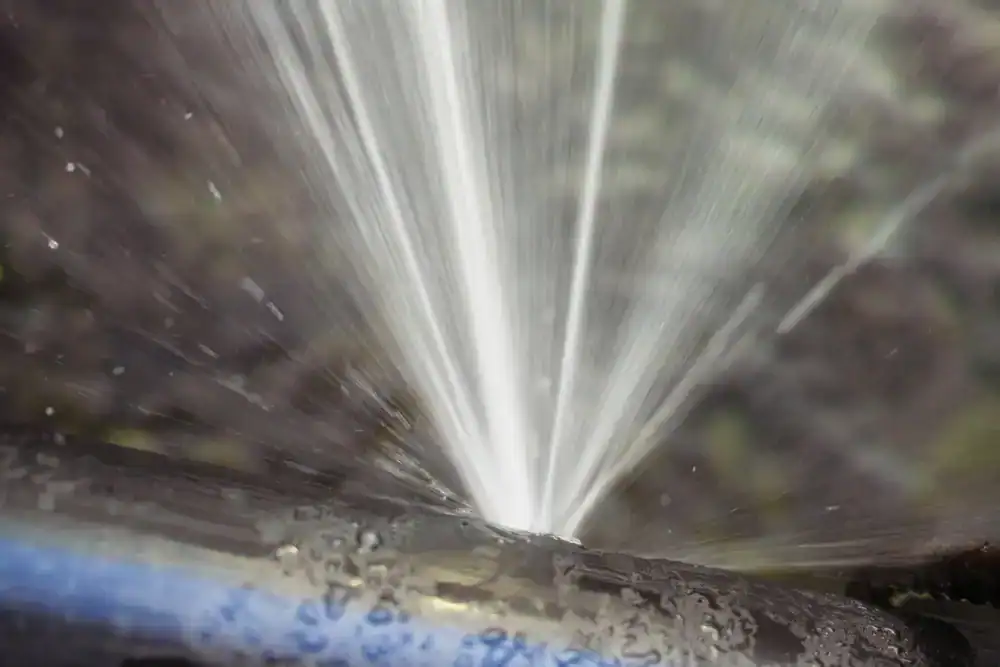
A burst pipe in New Hempstead isn’t just a plumbing problem. It’s water moving fast through wall cavities, into insulation, under hardwood floors, and down into crawl spaces — places you can’t see and a shop vac can’t reach. By the time it looks contained on the surface, the damage is already deeper than it appears.
What you actually need is extraction that starts the same night, drying equipment that runs until moisture readings confirm the structure is genuinely dry, and documentation your insurance adjuster will accept without a fight. That’s what a complete restoration response looks like — not a quick dry-out and a handshake.
New Hempstead’s housing stock makes this especially important. Many homes along New Hempstead Road and Brick Church Road were built before 1980, which means walls may contain asbestos in pipe insulation, floor tiles, or joint compound. Opening those walls without testing first isn’t just risky — it’s illegal under New York State law. When the restoration team handling your home has in-house asbestos abatement capability, that step is handled as part of the job, not handed off to a third party you’ve never met. And with Rockland County winters regularly pushing temperatures below 20°F, frozen pipes that burst during a cold snap — and then thaw overnight — are exactly the kind of event that demands a team ready to move before morning.
12 Years Serving New Hempstead and Rockland County — We Still Do the Work Ourselves
We’ve been operating in Rockland County for over 12 years, with deep roots in New Hempstead and the surrounding communities. That’s not a tagline — it’s the reason major insurance carriers accept our documentation, why the NYS Office of General Services has contracted with us directly, and why homeowners in New Hempstead, Wesley Hills, and Pomona call us back when something goes wrong again years later.
We carry NYS and NYC M/WBE certification — a credential that requires formal auditing by state agencies, not a badge you buy online. Full liability insurance and workers’ compensation coverage are in place on every job, which matters when someone is working inside your home opening walls and running equipment for days at a time.
Our 100% satisfaction guarantee isn’t a marketing line. It’s backed by over a decade of standing behind the work in homes across this county — including the older farmhouses and mid-century ranches that make up a real portion of New Hempstead’s residential fabric.
From the First Call to the Last Coat of Paint — Here's Our Process
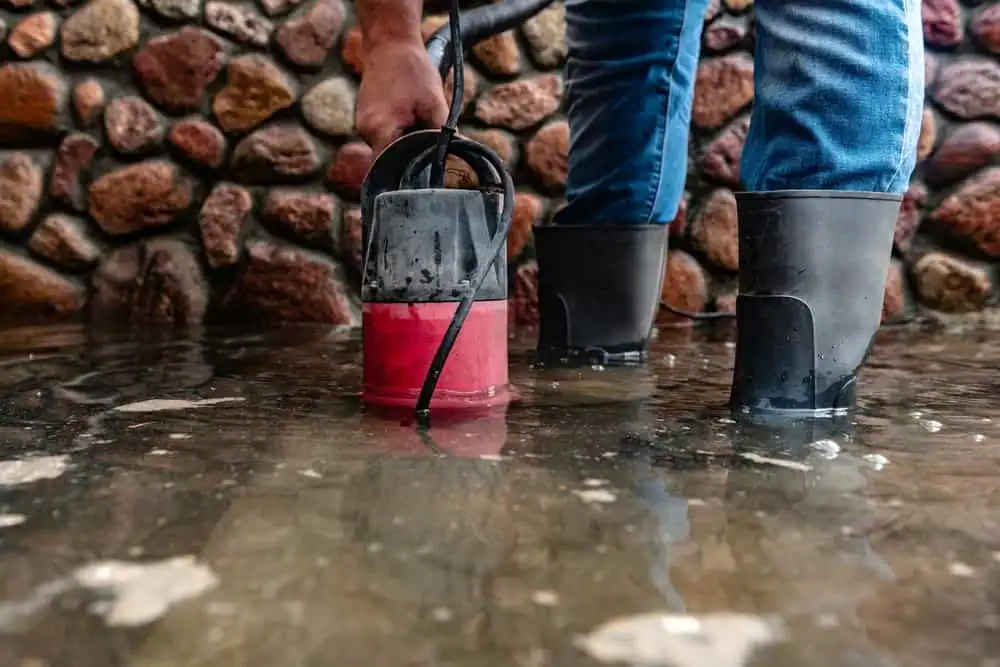
It starts with a call — any time, day or night. We dispatch immediately, assess the full scope of the damage, and begin extraction before the water has time to move further into the structure. The 24-to-48-hour window matters here: that’s the documented timeline in which mold can begin growing on wet building materials, and it doesn’t pause because it’s inconvenient.
Once extraction is underway, the drying phase begins using commercial-grade dehumidifiers and air movers placed based on moisture mapping — not guesswork. Readings are taken and logged throughout the process. This documentation isn’t just for your peace of mind; it’s what your insurance adjuster will need to process the claim accurately. We handle that communication directly, so you’re not translating between a restoration crew and an insurance rep while also trying to live in your home.
For older homes in New Hempstead — and there are many — walls may need to be tested for asbestos before any demolition begins. We handle that step in-house, which keeps the project moving without adding a separate contractor or a scheduling gap. Once the structure is confirmed dry and any hazardous materials are properly remediated, reconstruction begins: framing, drywall, flooring, painting — everything back to finished condition. One company, one point of contact, start to finish.
Our burst pipe restoration covers the full scope — not just the wet part. Emergency water extraction, structural drying with calibrated moisture monitoring, mold remediation under a NYS Mold Remediation Contractor License, asbestos testing and abatement where required, and complete reconstruction back to finished condition. Every phase is handled by the same licensed, insured team.
For New Hempstead homeowners specifically, the asbestos piece is worth understanding. Homes built before 1980 — which represent a meaningful portion of the village’s housing stock — may contain asbestos in pipe insulation, floor tiles, ceiling tiles, and joint compound. New York State law requires licensed abatement for any disturbed asbestos-containing materials, and that work must be completed before restoration can proceed. Because we perform abatement in-house, there’s no waiting on a subcontractor and no gap in the timeline.
Insurance billing is handled directly with your carrier. If there’s a gap between when remediation needs to happen and when the settlement clears, we offer financing up to $200,000 at 0% APR — which means you don’t have to delay starting the work because the check hasn’t arrived yet. In a village where the median home value sits above $816,000, getting the work done correctly and immediately is almost always the lower-cost decision in the long run.
Does homeowners insurance actually cover burst pipe damage in New Hempstead?
In most cases, yes — sudden and accidental pipe bursts are covered under standard homeowners insurance policies. What gets complicated is the scope. Adjusters may initially estimate the damage conservatively, which means the first offer doesn’t always reflect the full cost of proper drying, mold remediation, and reconstruction. This is especially relevant in older New Hempstead homes where opening walls reveals additional issues — asbestos-containing materials, deteriorated insulation, or framing damage that wasn’t visible during the initial walkthrough.
We document damage in the format adjusters require — moisture readings, drying logs, photo documentation, and itemized scope — and communicate with your carrier directly throughout the process. That documentation is what separates a full, fair settlement from a partial one. If your policy has a coverage dispute or a gap in timing, our 0% APR financing option means remediation can start immediately without waiting on the insurance timeline.
How quickly can mold start growing after a pipe bursts in my New Hempstead home?
The EPA and FEMA both document that mold can begin growing on wet building materials within 24 to 48 hours of water intrusion. That window doesn’t adjust for weekends, cold weather, or how busy your week is. In New Hempstead, where many homes have crawl spaces, unfinished basements, and older construction with dense insulation, moisture can settle into areas that don’t dry on their own — and mold establishes itself in those hidden spaces before it ever becomes visible.
The practical implication is that calling immediately matters more than it might feel like in the moment. A pipe that bursts at 2 AM on a Tuesday in January — which is exactly when Rockland County’s coldest nights tend to hit — is not something you should wait until morning to address. We dispatch 24/7, and getting extraction started the same night is what keeps a manageable remediation from becoming a full mold situation.
Do I need to worry about asbestos if a pipe bursts in my older New Hempstead home?
If your home was built before 1980, it’s a real possibility. Asbestos was commonly used in pipe insulation, floor tiles, ceiling tiles, and joint compound in homes constructed during that era — and a significant portion of New Hempstead’s housing stock falls in that age range, including the older farmhouses and mid-century homes along the village’s winding county roads. When a pipe bursts and walls need to be opened for remediation, disturbing asbestos-containing materials without proper testing and abatement is illegal under New York State’s Asbestos Safety and Training Program.
This isn’t something to skip or assume away. If asbestos is present and gets disturbed during demolition, it creates a health hazard and a legal liability. We handle asbestos testing and licensed abatement in-house, which means the process doesn’t stall waiting on a separate contractor. Testing happens first, abatement is completed if needed, and then remediation and reconstruction proceed — in the right order, with the right documentation.
How long does the full burst pipe restoration process take from start to finish?
The honest answer is that it depends on the scope of damage and whether complicating factors — like asbestos or significant mold — are present. For a straightforward burst pipe with moderate water intrusion, the structural drying phase typically takes three to five days using commercial-grade equipment. Mold remediation, if needed, adds time depending on the extent of growth. Reconstruction — drywall, flooring, painting — follows once the structure is confirmed dry and clear.
In New Hempstead, older homes with plaster and lathe walls, wide-plank hardwood floors, and crawl spaces can extend the drying timeline because moisture moves differently through those materials than it does through modern drywall. Moisture readings are taken throughout the process, and reconstruction doesn’t begin until the numbers confirm the structure is genuinely dry — not just visually dry. Rushing that step is one of the most common causes of mold problems that appear weeks after a restoration is supposedly complete.
Can I dry out burst pipe water damage myself instead of calling a restoration company?
You can try, but the risk is real. Consumer fans and dehumidifiers don’t generate the airflow or moisture removal capacity of commercial drying equipment, and they can’t tell you whether the wall cavity behind the drywall is actually dry. Water follows the path of least resistance — it moves into framing, insulation, and subfloor material quickly and quietly, and surface drying gives no reliable indication of what’s happening inside the structure.
In a New Hempstead home worth $800,000 or more, the cost of a mold remediation job that results from incomplete DIY drying — often $10,000 to $30,000 depending on scope — is significantly higher than the cost of calling a restoration company immediately. Beyond the financial risk, New York State requires a licensed mold remediation contractor for any professional mold remediation work. If you attempt a DIY dry-out, discover mold later, and then need to sell the home, the documentation gap becomes a real problem during disclosure and inspection.
What's the financing option, and how does it work for a burst pipe repair job?
We offer financing up to $200,000 at 0% APR. The way it works in practice: you get the restoration started immediately — extraction, drying, remediation, reconstruction — without needing the insurance settlement to clear first. For most homeowners, the gap between when damage happens and when the insurance check arrives is the single biggest reason remediation gets delayed. And delayed remediation almost always means more damage, more mold, and a higher total cost.
In New Hempstead, where homes carry a median value above $816,000 and most residents are long-term homeowners with significant equity, the financing option is less about affordability and more about timing. It removes the cash flow problem that forces people to wait, and it means the mold clock doesn’t keep running while you’re waiting on paperwork. There’s no other restoration company serving this area offering this combination of full-scope services and 0% APR financing at this level — it’s a straightforward way to protect your home without the financial pressure of fronting a large sum before your claim resolves.