Ossining's Older Homes Need More Than a Mop and a Fan
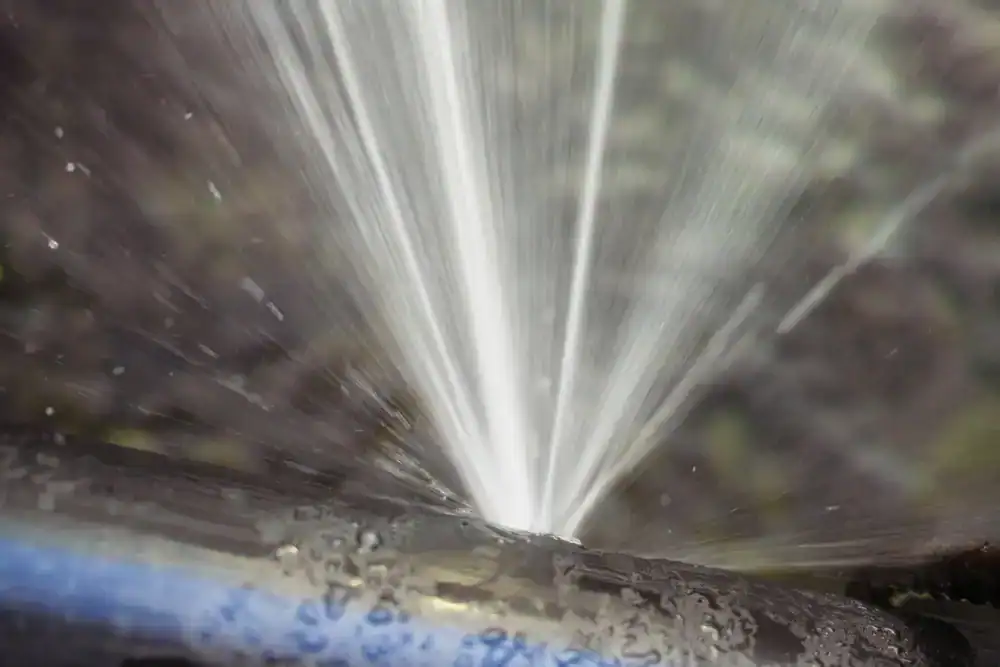
When a pipe lets go inside a century-old home, the damage goes deeper than the surface. We handle burst pipe repair in Ossining, NY from emergency extraction to fully restored walls — one call, one crew, no handoffs.
I needed a professional consultation explanation of procedure for safe removal of Asbestos in my apartment complex. Without having an account yet, I was very impressed with the caring, knowledgeable and generous advice offered by Jessica, and will look forward to doing business in the future. Thank you so much! I feel much more informed about a sometimes scary endeavor. Peace. Nancy Silva Mineola, NY.
Mia Munoz
Used this company to clean up some water flood in my house. They were fast and easy to work with.very professional, Would recommend to anyone!
Nini Valle
Great company, had a flood and they responded quickly and efficiently. Billed my insurance company directly. I highly recommend this company!
joe colapietro, jr
I had pipe freeze in my basement right before a snow storm and they made to within an hour to help start the clean up process. They we by our side throughout the entire process and even helped with the insurance company. They did such a great job with the cleanup, repair, remidiation, I contracted them to perform the repairs and finishes in the basement. They came with enough manpower and material to get the job done. Leo and Jessica were nothing but a pleasure to deal with!!
Cristian Arredondo c
I had some water damage in my home and Green Island was able to take care of my issue quickly and effectively. I am very pleased with the work they did. They responded quickly and were very professional.
Michael M
Outstanding service! From the office to the field crew everyone was friendly, helpful and responsive. I highly recommend Green Island Group.
A burst pipe isn’t just a plumbing problem. Once water gets into the wall cavities of an older Ossining home, it starts a clock. The EPA documents that mold can begin growing within 24 to 48 hours on wet building materials — and in Ossining’s Victorian-era and early 20th-century homes, those cavities often hold original wood lath, horsehair plaster, and decades of organic material that mold is happy to feed on. Getting the water out fast isn’t a preference. It’s the variable that determines what kind of job this turns into.
Ossining’s housing stock is one of the oldest in Westchester County. The village has two National Register Historic Districts — the Downtown Historic District and the Sparta Historic District — and homes throughout Sherwood Park, Crotonville, and the village center regularly date back 80 to 120 years. That age means aging galvanized pipes that can fail any time of year, not just during a freeze. It also means that when walls get opened for remediation, there’s a real chance of encountering asbestos-containing materials in pipe insulation, floor tiles, or joint compound. Most restoration companies aren’t equipped to handle that. We are.
When the job is done right, you’re not left with open walls, a separate contractor to find, and an insurance claim you don’t understand. You get your home back — dried, documented, and reconstructed — with one company accountable for the whole thing from start to finish.
12 Years In Ossining and Westchester, and We Still Answer the 2 AM Call
We’ve been doing this work in Westchester County for over 12 years, which means we’ve worked inside the kinds of homes that exist throughout Ossining. The Second Empire Victorians near the Sparta waterfront. The 1920s Colonials in Sherwood Park. The split-levels in Crotonville where the crawl space hasn’t been touched in decades. We know what aging infrastructure looks like in this area, and we know how to work around it without making the situation worse.
We’re NYS and NYC M/WBE certified, fully insured including liability and workers’ compensation, and licensed for both mold remediation and asbestos abatement under New York State law. That last part matters more in Ossining than almost anywhere else in the county, given how much of the housing stock predates 1980.
We also work directly with your insurance carrier. We document the damage, communicate with the adjuster, and handle the claims process so you’re not trying to figure out policy language at midnight while water is still in your walls.
No Mystery — Here's Exactly What Happens After You Call
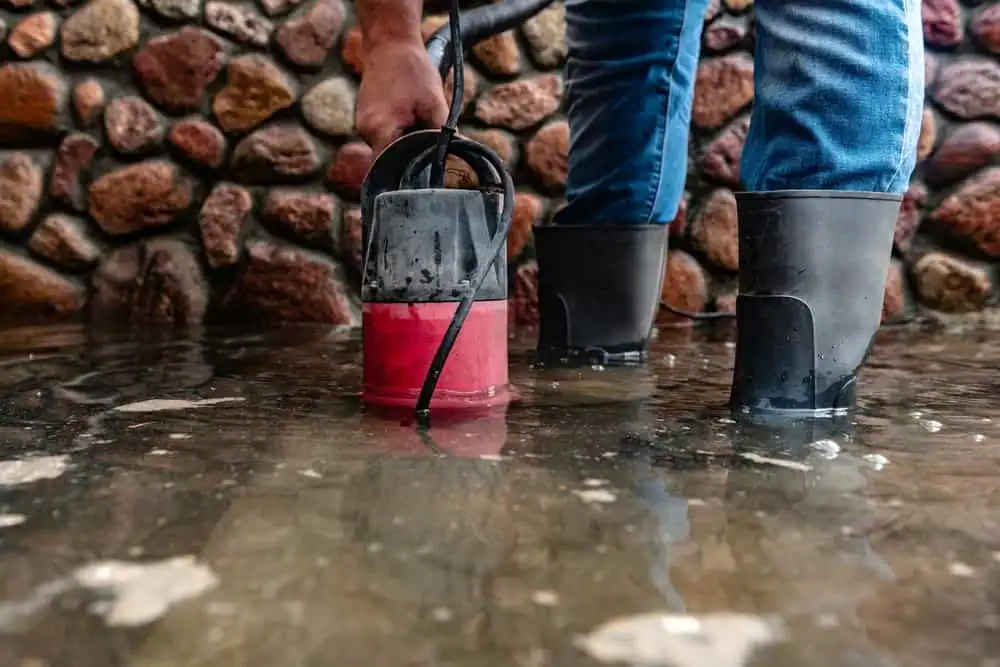
The first thing that happens is extraction. We get the standing water out immediately using industrial-grade equipment, because every hour it sits is an hour it’s migrating further into your subfloor, wall framing, and insulation. In Ossining’s older homes especially, water travels fast through original wood framing that’s been absorbing moisture for decades.
Once extraction is complete, we set up structural drying — air movers, dehumidifiers, and in some cases desiccant systems depending on the scope. We use thermal imaging cameras and calibrated moisture meters to map exactly where moisture is hiding, not just where it’s visible. This step matters because surface dryness and structural dryness are not the same thing. We track drying progress daily and keep documented logs throughout, which your insurance adjuster will need anyway.
Before we open any walls in a pre-1980 home, we assess for asbestos-containing materials. If anything is present, we handle abatement in-house under NYS Department of Labor certification — no subcontracting, no delay, no separate crew to schedule. Once the structure is confirmed dry and clear, reconstruction begins. The Village of Ossining Building Department requires permits for structural work, and we handle that process as part of the job. When we leave, the room looks the way it did before the pipe failed — not like a remediation project that ran out of budget.
Old Pipes, Old Walls — Here's What's Actually Included
Burst pipe repair in Ossining covers a wider scope than it does in newer construction, and our work reflects that. Every job starts with emergency water extraction and moisture mapping. From there, we move into structural drying with documented daily readings — the kind of paper trail that supports an insurance claim and proves the job was actually completed to standard, not just to appearance.
If mold is present, we remediate it under our NYS Article 32 Mold Remediation Contractor License. If asbestos is discovered when walls are opened — which is a real possibility in any Ossining home built before 1980 — we contain and abate it under NYS Code Rule 56 certification. These aren’t add-ons we subcontract out. They’re done in-house, which keeps the timeline tight and the accountability clear.
Full reconstruction is part of what we do. Drywall, flooring, trim, paint — whatever was damaged gets rebuilt to match. For homeowners in the Sparta Historic District or other areas with older architectural details, we work carefully to restore rather than just replace. And if the cost of the job creates a cash flow problem before the insurance claim settles, our financing option — up to $200,000 at 0% APR — means you don’t have to delay the work while you wait on the check.
Does homeowners insurance actually cover burst pipe damage in Ossining, NY?
In most cases, yes — but the details matter. Standard homeowners insurance policies in New York typically cover sudden and accidental water damage from a burst pipe. What they often don’t cover is damage resulting from a pipe that was already deteriorating and wasn’t maintained. In Ossining, where a significant portion of the housing stock contains galvanized steel pipes that are 60 to 100 years old, the line between “sudden failure” and “long-term corrosion” can get complicated during the claims process.
This is exactly why having someone in your corner during the claim matters. We work directly with insurance carriers — we document the damage thoroughly, communicate with the adjuster in the format they require, and advocate for a fair outcome. Homeowners who try to navigate that process alone, especially in a first-time claim situation, often end up with settlements that don’t fully cover the scope of the damage. We’ve seen it happen, and it’s one of the main reasons we built insurance handling into our standard process.
How fast does mold actually grow after a pipe bursts in an older Ossining home?
The EPA and FEMA both document that mold can begin growing on wet building materials within 24 to 48 hours. That’s not a worst-case scenario — that’s the standard biological threshold under normal indoor conditions. In Ossining’s older homes, where wall cavities often contain original wood lath, horsehair plaster, and decades of organic material, the conditions for rapid mold growth are even more favorable than in newer construction with synthetic materials.
What makes this harder to catch is that mold starts behind the surface, not on it. A wall can feel dry to the touch and still have active mold growth inside the cavity. That’s why thermal imaging and calibrated moisture meters are part of every job we do — not optional upgrades. If you discovered a burst pipe this morning and you’re reading this now, the clock is already running. Getting extraction and drying started today versus tomorrow is a meaningful difference in what kind of remediation project this becomes.
My Ossining home was built in the 1920s — should I be worried about asbestos during repairs?
Yes, and it’s worth taking seriously. Homes built before 1980 — which covers a large portion of Ossining’s housing stock, including much of Sherwood Park, the Sparta Historic District, and the village center — commonly contain asbestos in pipe insulation, floor tiles, ceiling tiles, boiler wrap, and joint compound. You may not know it’s there until a wall gets opened.
Under New York State Labor Law Code Rule 56, disturbing asbestos-containing materials without proper abatement is potentially illegal and creates real health risk for anyone in the home. Most restoration contractors either subcontract abatement — which adds cost, delay, and a second company to coordinate — or proceed without addressing it, which creates liability for you as the homeowner. We have in-house asbestos abatement capability certified under the NYS Department of Labor’s Asbestos Safety and Training Program. If we find it, we handle it. No separate contractor, no separate schedule, no gap in accountability.
What does burst pipe repair actually cost in Westchester County?
The honest range is wide — anywhere from around $3,000 to $30,000 or more depending on how long the water sat, how far it spread, and what’s behind the walls. A pipe that’s caught within an hour in a newer home with accessible walls is a very different job than a pipe that ran overnight in a 1910 Victorian in the Sparta neighborhood, where water has had time to saturate original wood framing, travel through multiple floor assemblies, and potentially reach asbestos-containing materials.
The factors that push cost higher in Ossining specifically are the age of the housing stock, the likelihood of encountering asbestos or original plaster construction, and the complexity of working in homes with historic architectural details that need to be preserved rather than just replaced. The factor that can keep cost manageable is speed — the faster extraction and drying begin, the less the damage spreads. If insurance coverage has a gap or the deductible is high, we offer financing up to $200,000 at 0% APR so the work can start immediately without putting your finances at risk while you wait on the claim.
Can a burst pipe cause structural damage to my home, or is it just a cosmetic issue?
It can absolutely cause structural damage, and in Ossining’s older homes the risk is higher than in newer construction. When water saturates original wood framing — the kind found in homes built before the 1950s — it doesn’t just dry out on its own. It causes wood rot, weakens load-bearing members, and creates long-term structural compromise that may not be visible for months. Subfloor assemblies in older homes are particularly vulnerable because they sit below the visible damage and are easy to miss without proper moisture mapping.
The other structural concern is what happens if the damage isn’t fully dried before reconstruction begins. Closing up walls over wet framing traps moisture and guarantees mold growth — sometimes for years before it becomes visible or detectable by smell. This is why documented drying logs and post-remediation moisture verification aren’t just paperwork. They’re the proof that the structure was actually dry before it was closed up. Any contractor who can’t provide that documentation is leaving you exposed, both structurally and in terms of your home’s resale value.
Why do we offer 0% financing for water damage repair?
Burst pipe jobs don’t come with advance notice, and the cost doesn’t wait for a convenient moment. In a community like Ossining — where a lot of people bought here specifically because it offered more value than neighboring Westchester towns like Briarcliff Manor or Tarrytown — a $15,000 to $25,000 restoration bill landing before an insurance check clears is a real financial problem, not a hypothetical one.
The financing option exists because delaying remediation to manage cash flow is one of the most expensive decisions you can make. Every day the structure stays wet is a day closer to mold, deeper moisture penetration, and a larger scope of work. Waiting two weeks for funds to line up can turn a contained remediation into a full mold abatement project. The 0% APR financing — available up to $200,000 — means the work starts when it needs to start, not when the money situation gets sorted out. It’s a practical tool for a situation where timing directly affects outcome.