When Your Patterson Home's Pipes Burst, Every Hour Costs You
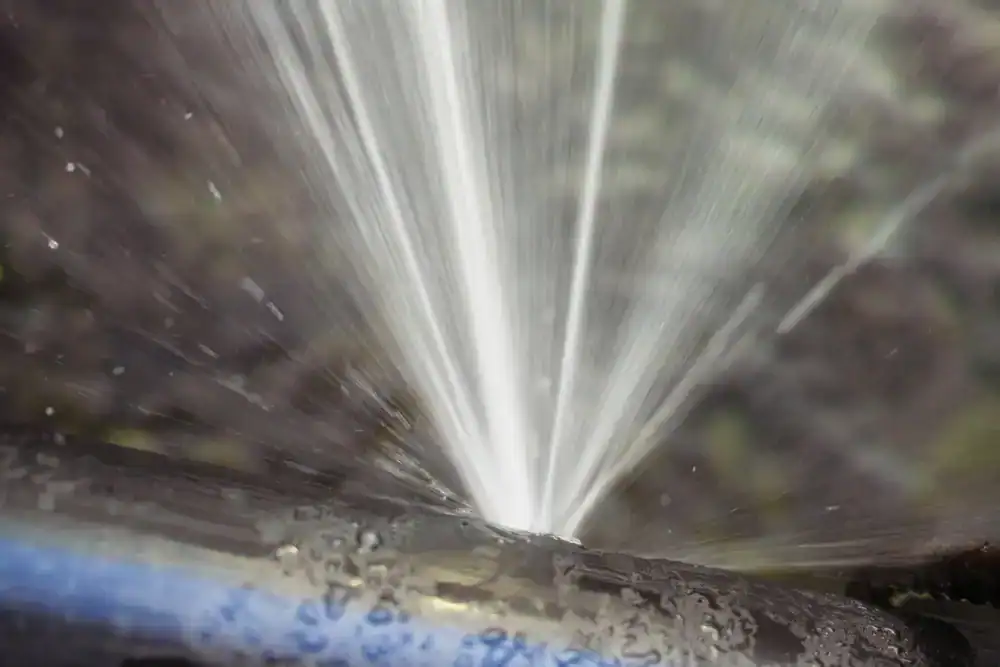
A burst pipe in Patterson doesn’t wait for a convenient time — and in a town where homes sit on wooded lots and commutes run long, the damage is often hours old before anyone notices. We respond 24/7 and handle everything from water extraction to full reconstruction.
I needed a professional consultation explanation of procedure for safe removal of Asbestos in my apartment complex. Without having an account yet, I was very impressed with the caring, knowledgeable and generous advice offered by Jessica, and will look forward to doing business in the future. Thank you so much! I feel much more informed about a sometimes scary endeavor. Peace. Nancy Silva Mineola, NY.
Mia Munoz
Used this company to clean up some water flood in my house. They were fast and easy to work with.very professional, Would recommend to anyone!
Nini Valle
Great company, had a flood and they responded quickly and efficiently. Billed my insurance company directly. I highly recommend this company!
joe colapietro, jr
I had pipe freeze in my basement right before a snow storm and they made to within an hour to help start the clean up process. They we by our side throughout the entire process and even helped with the insurance company. They did such a great job with the cleanup, repair, remidiation, I contracted them to perform the repairs and finishes in the basement. They came with enough manpower and material to get the job done. Leo and Jessica were nothing but a pleasure to deal with!!
Cristian Arredondo c
I had some water damage in my home and Green Island was able to take care of my issue quickly and effectively. I am very pleased with the work they did. They responded quickly and were very professional.
Michael M
Outstanding service! From the office to the field crew everyone was friendly, helpful and responsive. I highly recommend Green Island Group.
When a pipe bursts in your walls, the water you can see is rarely the whole story. It moves fast — into insulation, under flooring, behind drywall — and once it’s there, it doesn’t dry on its own. Within 24 to 48 hours, according to the EPA, mold can begin growing on wet building materials. By the time you get home from a day of commuting down Route 22 or catching the Harlem Line at the Patterson station, that window may already be closing.
What you actually need is someone who can tell you exactly how far the damage went, get the structure genuinely dry — not surface dry — and put everything back together so you’re not managing two separate contractors while trying to hold down a job. That’s the full picture: moisture mapping with thermal imaging, industrial drying, mold prevention, and complete reconstruction if walls need to come down.
Patterson’s housing stock adds another layer. A lot of homes here — especially in the Putnam Lake community, where summer cottages were converted to year-round residences over decades — have older plumbing that was never designed to handle sustained freezing temperatures. If your home was built in the 1970s, your galvanized pipes may be at or past their service life. A hard freeze doesn’t just cause a failure — it exposes one that was already coming. Knowing that going in changes how the job gets done.
12 Years Serving Patterson and Putnam County — We Still Answer at 2 AM
We’ve been doing environmental restoration work across Patterson, Putnam County, and the broader Hudson Valley for over 12 years. That’s not a marketing number — it means we’ve worked through enough winters in this region to know exactly what a burst pipe in a 1970s Patterson colonial looks like behind the drywall, and what it takes to actually fix it.
We’re NYS and NYC M/WBE Certified, fully insured including liability and workers’ compensation, and licensed for mold remediation under New York State’s Article 32 requirements. We also hold in-house asbestos abatement capability — which matters more than most people realize when you’re opening walls in a pre-1980 home near Putnam Lake or anywhere else in this part of Putnam County.
We work directly with your insurance carrier, handle the documentation, communicate with adjusters, and advocate for the full scope of what your home needs. You don’t have to become an expert in claims processing on top of everything else you’re dealing with.
From the First Call to the Finished Room — No Gaps
When you call, we pick up — any hour, any day. We ask a few quick questions to understand what you’re dealing with, then dispatch a crew to your Patterson address. We’re not scheduling a next-day estimate. We’re moving.
Once on-site, the first priority is stopping the water source if it hasn’t been stopped, then assessing the real scope of the damage. We use thermal imaging cameras and calibrated moisture meters to map exactly where water has traveled — including inside walls and under floors where you can’t see it. This documentation matters for your insurance claim, and it matters for making sure nothing gets missed. Skipping this step is how mold problems develop months later.
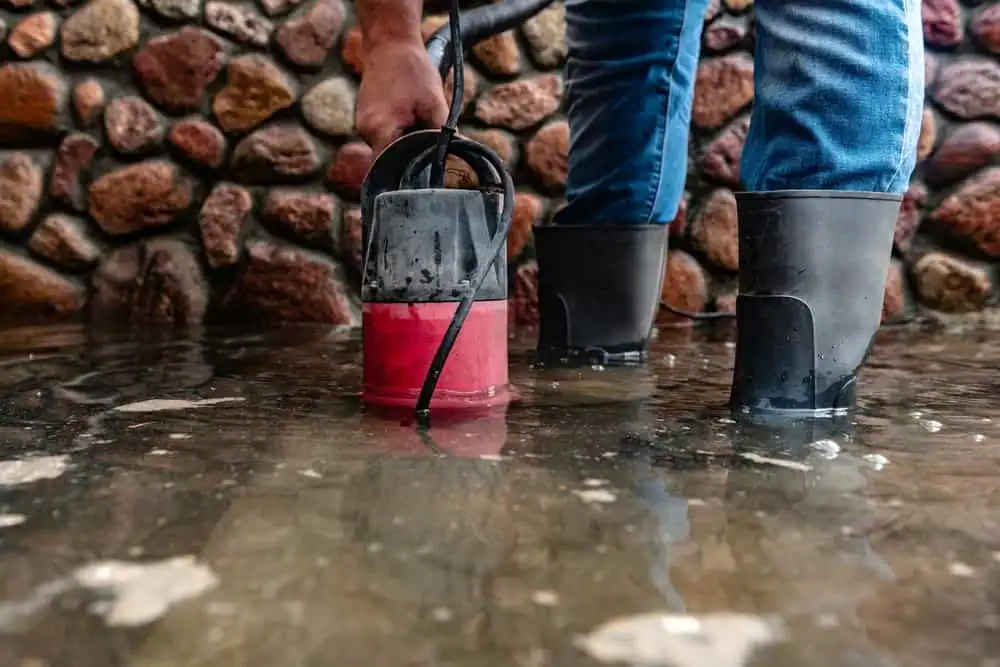
From there, we set up industrial-grade drying equipment and begin the extraction and structural drying process. In older Patterson homes — particularly those with crawl spaces, uninsulated exterior walls, or plumbing configurations that were retrofitted rather than purpose-built — this phase requires more attention than a standard newer-construction job. If any materials need to come down, we handle the rebuild ourselves. If your home was built before 1980, we test for asbestos before anything gets disturbed. When reconstruction is complete, we document everything for your insurance file and don’t consider the job done until the numbers say the structure is dry.
Burst pipe restoration in Patterson isn’t a one-size job. The scope depends on how long the water ran, where it traveled, what materials it hit, and what’s inside the walls of your specific home. We don’t assume — we assess, document, and work from what’s actually there.
Every job includes emergency water extraction, thermal imaging moisture mapping, and industrial structural drying. Mold remediation is handled in-house under our NYS Article 32 Mold Remediation Contractor License — not subcontracted, not skipped. If your home was built before 1980, which covers a significant portion of Patterson’s housing stock including much of the Putnam Lake community, we conduct asbestos testing before any demolition begins. Our in-house abatement team handles it if it’s present. That’s not something most restoration companies operating in Putnam County can say.
If walls, flooring, or ceilings need to come out and go back in, we handle the full reconstruction — permits through the Town of Patterson Building Department included. We also work directly with your homeowners insurance carrier from start to finish: documentation, adjuster communication, scope negotiation. And if there’s a gap between what insurance covers and what the job costs — or if the claim takes time to settle — we offer financing up to $200,000 at 0% APR so you’re not putting off treatment while you wait. In a town where deferred remediation turns a manageable water loss into a mold problem, that option is worth knowing about.
How quickly can you get to a burst pipe emergency in Patterson, NY?
We operate 24/7, which means when you call at midnight in January — which is exactly when pipes tend to fail in Patterson — someone answers and a crew gets moving. We serve Putnam County directly, so Patterson is within our active response area, not a stretch zone that gets deprioritized.
Response time matters here more than in denser areas because Patterson’s semi-rural layout means homes sit farther apart, detection delays are common, and by the time a homeowner realizes something is wrong, water has often been running for hours. Every hour that passes pushes you closer to the 24-to-48-hour window in which mold begins to develop on wet building materials. Getting a crew on-site fast isn’t just about stopping the water — it’s about keeping a water damage job from becoming a mold remediation job.
Does homeowners insurance typically cover burst pipe damage in New York?
In most cases, yes — sudden and accidental pipe bursts are covered under standard homeowners policies in New York. What insurance typically covers is the resulting water damage: extraction, drying, mold prevention, and reconstruction. The pipe repair itself is sometimes treated separately depending on the policy. What gets complicated is documentation — adjusters need detailed moisture mapping, drying logs, and itemized scope to process a claim accurately, and most homeowners have never had to produce that before.
We handle all of it directly. We document the damage in the format your carrier requires, communicate with your adjuster throughout the process, and push back if the initial scope comes in low. Patterson homeowners dealing with a flooded basement and a daily commute don’t have bandwidth to manage an insurance claim on top of everything else — and they shouldn’t have to. That’s part of what we do.
My Patterson home was built in the 1970s — do I need asbestos testing before repairs start?
If your home was built before 1980, testing is strongly recommended before any demolition begins — and in many cases it’s legally required under New York State law. Asbestos-containing materials were standard in that era: pipe insulation, floor tiles, ceiling tiles, and joint compound all commonly contained it. When a burst pipe requires opening walls, disturbing those materials without licensed abatement creates a real health risk and potential legal liability.
Patterson has a significant amount of pre-1980 housing stock — both the original summer cottages of the Putnam Lake community and the postwar construction that went up during the town’s 1970s bedroom community expansion. We test before we touch anything in older homes, and our in-house abatement team handles it if asbestos is present. You don’t need to find a separate contractor or add another schedule to the project — we manage it as part of the job.
How do I know if there's hidden water damage after a pipe bursts?
The short answer is that you can’t know without the right equipment — and neither can a contractor who’s just walking through visually. Water moves along framing, wicks into insulation, and pools in low spots that have nothing to do with where the pipe actually failed. A wall that looks and feels dry on the surface can have saturated insulation and wet framing behind it.
We use thermal imaging cameras and calibrated moisture meters to map exactly where water has traveled. Thermal imaging shows temperature differentials that indicate moisture presence behind surfaces without having to open every wall. The moisture readings give us hard numbers — not guesses — about what’s actually wet and what’s not. That documentation also becomes part of your insurance file, which matters when the adjuster is reviewing scope. Skipping this step is the most common reason homeowners end up with a mold problem months after they thought the job was done.
Can a burst pipe in an unoccupied Patterson home cause mold before I even know about it?
Yes — and it’s one of the more common scenarios we see in this area. Patterson has a segment of properties that function as weekend or seasonal retreats, particularly in the Putnam Lake community. When a pipe fails in an unoccupied home during a January cold snap, it can release hundreds of gallons before anyone discovers it. By the time you arrive for a weekend visit, mold may already be actively growing inside the wall cavities.
Mold can begin developing on wet building materials within 24 to 48 hours of water intrusion. In an unoccupied home, that clock runs without anyone stopping it. If you have a property in Patterson that sits empty for stretches during winter, it’s worth knowing that the response process is the same — we assess, extract, dry, and document — but the scope is often larger because of the delay. The earlier we get there after discovery, the better the outcome.
Why should I hire a licensed mold remediation contractor instead of handling it yourself?
New York State requires a Mold Remediation Contractor License under Article 32 of the Labor Law for any company performing mold remediation in the state. This isn’t a voluntary certification — it’s a legal requirement. Hiring an unlicensed contractor, or attempting DIY remediation on a significant water loss, can create liability issues and complications if you ever sell the property. A licensed remediator is also required to follow specific protocols for containment, removal, and clearance testing that protect both the occupants and the structure.
Beyond the legal side, mold remediation done incorrectly — meaning the affected materials are removed but the underlying moisture problem isn’t fully resolved — leads to recurrence. In Patterson’s older housing stock, where moisture can travel through wall cavities in ways that aren’t obvious, proper moisture mapping before and after remediation is what separates a job that holds from one that comes back six months later. We’re licensed, we document every step, and we don’t call a job complete until the clearance numbers support it.