Your Pearl River Home Doesn't Wait — Neither Do We
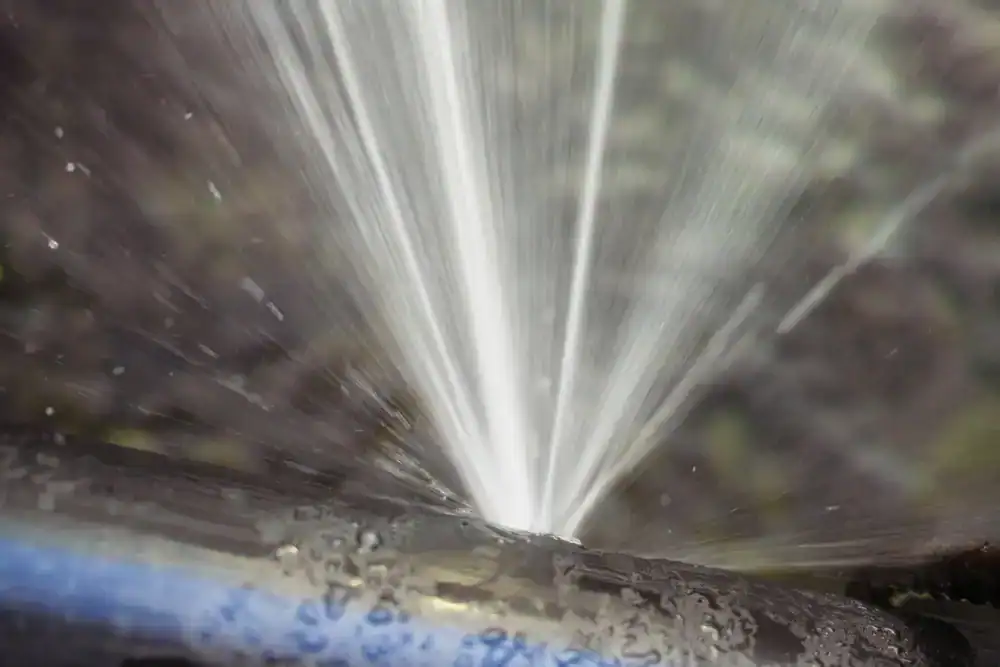
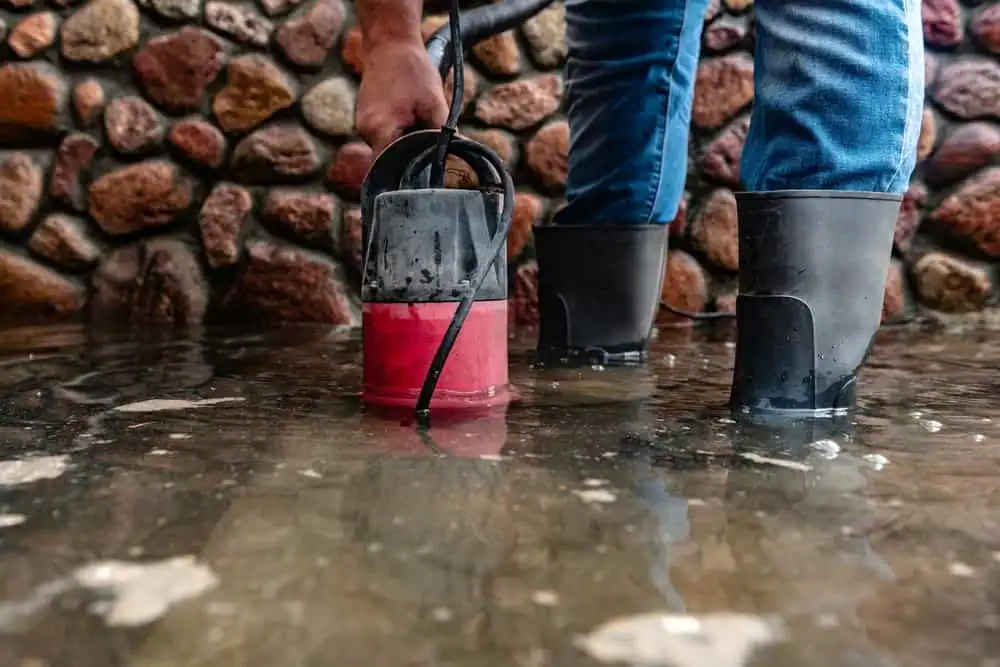
When a pipe lets go in your walls, every hour counts. We respond 24/7 to burst pipe emergencies in Pearl River and handle everything — water extraction, drying, mold prevention, and full reconstruction — so you’re not juggling two contractors while your home sits open.
I needed a professional consultation explanation of procedure for safe removal of Asbestos in my apartment complex. Without having an account yet, I was very impressed with the caring, knowledgeable and generous advice offered by Jessica, and will look forward to doing business in the future. Thank you so much! I feel much more informed about a sometimes scary endeavor. Peace. Nancy Silva Mineola, NY.
Mia Munoz
Used this company to clean up some water flood in my house. They were fast and easy to work with.very professional, Would recommend to anyone!
Nini Valle
Great company, had a flood and they responded quickly and efficiently. Billed my insurance company directly. I highly recommend this company!
joe colapietro, jr
I had pipe freeze in my basement right before a snow storm and they made to within an hour to help start the clean up process. They we by our side throughout the entire process and even helped with the insurance company. They did such a great job with the cleanup, repair, remidiation, I contracted them to perform the repairs and finishes in the basement. They came with enough manpower and material to get the job done. Leo and Jessica were nothing but a pleasure to deal with!!
Cristian Arredondo c
I had some water damage in my home and Green Island was able to take care of my issue quickly and effectively. I am very pleased with the work they did. They responded quickly and were very professional.
Michael M
Outstanding service! From the office to the field crew everyone was friendly, helpful and responsive. I highly recommend Green Island Group.
A burst pipe doesn’t just soak the floor. It gets into wall cavities, insulation, and subfloor material — and in a Pearl River home built in the 1950s or 1960s, that water can travel further than you’d expect before you even notice it. The Cape Cods and split-levels that make up most of Pearl River’s residential streets weren’t built with modern moisture barriers, and that means the damage window closes faster than most homeowners realize.
Here’s what matters most: mold can begin growing on wet building materials within 24 to 48 hours of water intrusion. This is EPA-documented, and it’s the reason speed isn’t optional. When our crew arrives the same night, you’re not just getting faster service, you’re cutting off a secondary problem before it starts.
Once the water is out and the structure is dry, you get a home that’s been properly documented, tested, and restored — not just dried out and handed back to you with fingers crossed. For Pearl River homeowners whose primary asset is sitting on a tree-lined street off Route 304, that documentation matters. It protects your insurance claim, your home’s resale value, and your family’s health.
12 Years Serving Pearl River and Rockland County — Every License That Matters
We’ve been doing this work for over 12 years, and Pearl River and the surrounding Orangetown hamlets have been part of our territory from the beginning. That means familiarity with Orangetown’s Building Department permit requirements, Rockland County’s contractor licensing system, and the specific challenges that come with the mid-century housing stock this area is known for.
Our credentials aren’t just checkboxes. We hold NYS and NYC M/WBE certification — a government-audited designation, not a self-applied label — and have a documented working relationship with the NYS Office of General Services. Full liability insurance and workers’ compensation coverage are in place on every job, which protects you legally if anything goes sideways on your property.
Our 100% satisfaction guarantee means something when it comes from a company that’s been standing behind its work in Pearl River and the surrounding area for over a decade. We’re not a company that launched last year. We’re one that Pearl River homeowners can verify, license number and all.
From Your First Call to a Finished Room — Here's Our Process
It starts with a phone call — any hour, any day. When you reach out, you’re talking to someone who dispatches a crew, not an answering service that schedules a callback for the morning. For a burst pipe in a Pearl River home in January, that distinction is the ballgame.
Once on-site, our first priority is stopping the damage from spreading. That means water extraction, containment, and an assessment of how far the moisture has traveled — including into wall cavities and below flooring where it isn’t visible. In older Pearl River homes, this assessment also includes checking for asbestos-containing materials in pipe insulation, floor tiles, or joint compound before any walls are opened. This isn’t a step most restoration companies think to mention — but in a home built before 1980, it’s legally required and physically important. We handle abatement in-house, so there’s no delay waiting on a separate subcontractor.
From there, industrial drying equipment goes in, moisture levels are monitored over days — not hours — and the structure is cleared before reconstruction begins. When the work is done, you get a fully restored space, not a dried-out shell waiting on a second contractor. We handle the insurance documentation throughout, so by the time the adjuster needs to see records, everything is already organized and submitted on your behalf.
What we bring to a Pearl River burst pipe job isn’t a single service — it’s the entire chain. Emergency water extraction, structural drying, mold remediation, asbestos abatement when it’s needed, and complete reconstruction are all handled under one roof. That matters because the alternative — a restoration company that stops at drying and hands you off to a general contractor for the rebuild — adds weeks to your timeline and a second billing relationship to manage while your home is still open.
For Pearl River homeowners specifically, the asbestos abatement capability is worth understanding. A large portion of the hamlet’s housing stock was built between 1945 and 1975. Homes in that range frequently contain asbestos in pipe insulation, vinyl floor tiles, ceiling tiles, and drywall compound. When a burst pipe requires opening walls in a home on one of Pearl River’s older residential streets, those materials have to be tested and, if necessary, abated before remediation can proceed legally under New York State law. Skipping that step isn’t just a health risk — it creates legal exposure for you as the homeowner.
Our financing option — up to $200,000 at 0% APR — means you don’t have to wait for an insurance settlement to get started. If your claim is in dispute, your deductible is high, or you simply need to move before the check arrives, that option keeps the project on track and keeps the mold clock from running while paperwork sorts itself out.
Does homeowners insurance actually cover burst pipe damage in Pearl River, NY?
In most cases, yes — but the details matter. Standard homeowners insurance policies typically cover sudden and accidental water damage from a burst pipe, which includes the cost of drying, remediation, and structural repairs. What they usually don’t cover is the pipe itself, or damage that resulted from a pipe that was already known to be deteriorating and wasn’t addressed.
For Pearl River homeowners with older homes — particularly those built in the 1950s and 1960s with galvanized steel plumbing that may be at or beyond its functional lifespan — insurers sometimes push back on claims by arguing the failure was a maintenance issue rather than a sudden event. That’s where having a restoration contractor who documents the damage thoroughly and communicates directly with your adjuster makes a real difference. We handle that process on your behalf, which means you’re not navigating the claims language alone while your walls are still open.
How quickly does mold start growing after a pipe bursts in my Pearl River home?
The EPA puts the window at 24 to 48 hours under the right conditions — and “the right conditions” is basically any wet wall cavity in a lived-in home. Temperature, humidity, and the presence of organic material like drywall paper or wood framing are all it takes. A pipe that bursts on a cold January night in Pearl River and isn’t addressed until the next morning is already partway through that window by the time anyone shows up.
This is why our 24/7 response capability isn’t just a convenience — it’s the difference between a water damage job and a mold remediation job. Mold remediation typically costs significantly more and takes longer than standard water damage restoration. Getting our crew there the same night, extracting the water, and getting drying equipment running immediately is the most reliable way to keep the project from escalating into something far more disruptive and expensive.
My Pearl River home was built in the 1960s — do I need to worry about asbestos when a pipe bursts?
It’s a legitimate concern, and it’s one that most restoration companies don’t address upfront. Homes built before 1980 — which covers a significant portion of Pearl River’s residential stock — commonly contain asbestos in pipe insulation, vinyl floor tiles, ceiling tiles, and joint compound. When a burst pipe requires opening walls or disturbing those materials, New York State law requires that they be tested and, if asbestos is present, properly abated before remediation work can continue.
The practical problem is that most restoration contractors stop at water damage and don’t have in-house asbestos abatement capability. That means they either skip the testing step — which creates legal risk for you — or they pause the job and wait for a separate abatement contractor to come in, which adds time and cost. We handle abatement in-house, so if testing comes back positive, the work continues without a separate contractor, a separate schedule, or a separate negotiation. For a Pearl River home of that era, this is a meaningful difference in how smoothly the job gets done.
How long does burst pipe restoration take from start to finish?
The honest answer is that it depends on how far the water traveled and what it touched. A pipe that burst in a finished basement and soaked drywall, flooring, and insulation is a different scope than one that failed in a utility room with a concrete floor. That said, a typical residential burst pipe restoration — water extraction, structural drying, and reconstruction — runs anywhere from one to three weeks for a contained incident, and longer if mold remediation or asbestos abatement is involved.
The drying phase alone takes several days minimum. Industrial drying equipment needs time to pull moisture out of wall cavities and subfloor material, and moisture readings have to confirm the structure is actually dry before reconstruction begins — not just dry on the surface. Rushing that step is one of the most common ways a restoration job turns into a mold problem six months later. The permit and inspection requirements under Orangetown’s Building Department also factor into the timeline for any structural reconstruction, so it’s worth building that into your expectations from the start.
What's the difference between calling a plumber and calling a restoration company for a burst pipe?
A plumber fixes the pipe. That’s the right first call if the pipe is still actively failing and water is still flowing — get it stopped. But once the water is off, the plumber’s job is essentially done, and the damage to your home is still there. Water inside walls, under flooring, and in insulation doesn’t dry on its own in any reasonable timeframe, and it doesn’t show up accurately on a visual inspection.
A restoration company handles what comes after the pipe is fixed: extracting standing water, drying the structure with industrial equipment, testing for mold, and — in a full-service company like ours — rebuilding what was damaged. We also document everything for your insurance claim, which a plumber isn’t equipped to do. For Pearl River homeowners dealing with a burst pipe in an older home, the restoration side of the job is typically where the bulk of the cost and complexity lives. Getting that part right matters as much as the plumbing repair itself.
Can Green Island Group handle the insurance claim process for my Pearl River burst pipe damage?
Yes — and for most homeowners, this ends up being one of the most valuable parts of the service. Filing a water damage claim sounds straightforward until you’re in the middle of it: adjusters requesting specific documentation formats, coverage disputes over what qualifies as sudden versus gradual damage, and back-and-forth that stretches out while your home sits partially open. Most homeowners aren’t equipped to navigate that process efficiently, and the gap between what you’re owed and what gets approved often comes down to how well the damage was documented.
We work directly with insurance carriers, document the damage in the format adjusters require, and communicate throughout the claims process on your behalf. For Pearl River homeowners — many of whom are managing full-time careers and families while dealing with this — having someone handle that communication removes one of the most frustrating parts of the entire experience. It also tends to produce better outcomes on the claim itself, because the documentation is complete, organized, and submitted correctly the first time.