When a Pipe Fails in a 1960s Pomona Home, Water Damage Spreads Where You Can't See It
When a pipe lets go in a 1960s or 70s Pomona home, the water you can see is rarely the whole story. We find all of it, stop the damage, and put your home back together.
I needed a professional consultation explanation of procedure for safe removal of Asbestos in my apartment complex. Without having an account yet, I was very impressed with the caring, knowledgeable and generous advice offered by Jessica, and will look forward to doing business in the future. Thank you so much! I feel much more informed about a sometimes scary endeavor. Peace. Nancy Silva Mineola, NY.
Mia Munoz
Used this company to clean up some water flood in my house. They were fast and easy to work with.very professional, Would recommend to anyone!
Nini Valle
Great company, had a flood and they responded quickly and efficiently. Billed my insurance company directly. I highly recommend this company!
joe colapietro, jr
I had pipe freeze in my basement right before a snow storm and they made to within an hour to help start the clean up process. They we by our side throughout the entire process and even helped with the insurance company. They did such a great job with the cleanup, repair, remidiation, I contracted them to perform the repairs and finishes in the basement. They came with enough manpower and material to get the job done. Leo and Jessica were nothing but a pleasure to deal with!!
Cristian Arredondo c
I had some water damage in my home and Green Island was able to take care of my issue quickly and effectively. I am very pleased with the work they did. They responded quickly and were very professional.
Michael M
Outstanding service! From the office to the field crew everyone was friendly, helpful and responsive. I highly recommend Green Island Group.
Your Pomona Home Dried, Restored, and Cleared for Mold
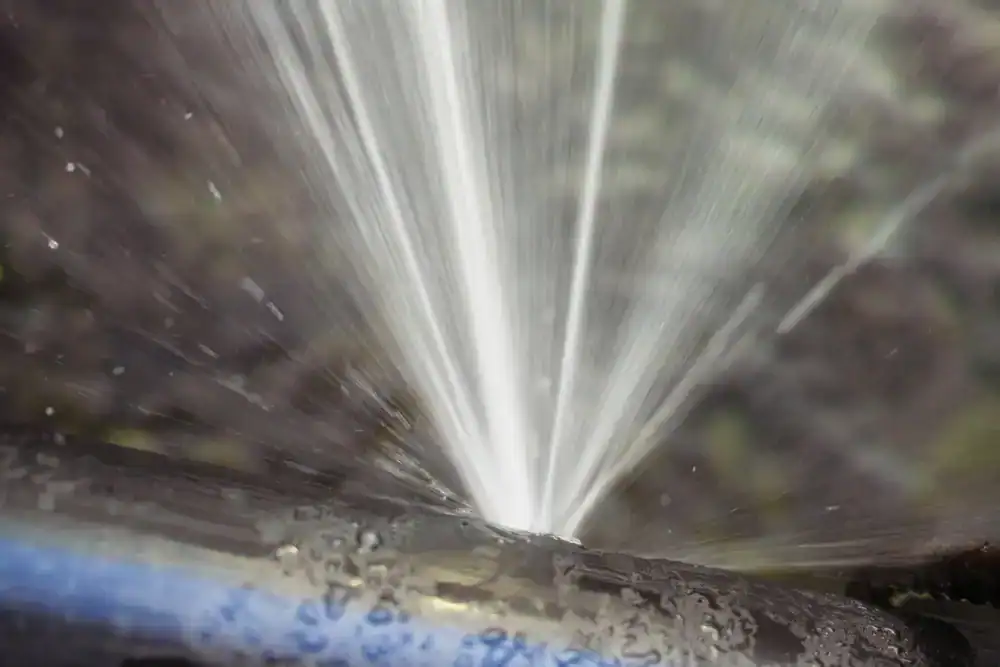
A burst pipe in Pomona isn’t just a plumbing problem. It’s water sitting inside walls you can’t see, in a home that was likely built before 1980, on a sloped wooded lot that doesn’t drain the way a flat suburban yard does. By the time you notice the damage, it may have already reached the subfloor, the framing, or the insulation behind the drywall. That’s the part most people don’t realize until it’s too late.
What you get when the job is done right isn’t just dry walls — it’s documented proof that every affected area was found, dried to the IICRC standard, and cleared before anything was closed back up. That matters when you sell the home, when your insurance carrier asks for records, and when you want to know the mold conversation is actually over.
Pomona’s elevation — the highest point in Rockland County — means your home takes a harder hit from winter cold snaps than most of the surrounding area. Pipes in crawl spaces, unheated lower levels, and exterior walls of mid-century construction face real freeze risk every January and February. And because a large portion of Pomona’s housing stock was built during the era when asbestos was standard in pipe insulation and floor tiles, opening walls for remediation isn’t always as simple as it sounds. We handle all of it — moisture mapping, structural drying, mold remediation, asbestos abatement when it’s needed, and full reconstruction — so you’re not left managing a second contractor to put your home back together after the remediation crew leaves.
12 Years Working in Pomona and Rockland County Homes Like Yours
We’ve been doing environmental restoration work in Rockland County for over 12 years, which means working in homes like yours — mid-century construction on Pomona Road, sloped lots off Cheesecote Mountain, newer builds in High Gate Estates — and knowing what each one is likely hiding behind the drywall before the moisture meter even confirms it.
We hold NYS and NYC M/WBE certification, a New York State Mold Remediation Contractor License, and in-house asbestos abatement licensing — credentials that matter specifically in a village where the dominant housing stock was built between 1965 and 1980. These aren’t optional extras. In New York State, performing mold remediation without a contractor license is illegal, and disturbing asbestos-containing materials without proper abatement creates real health and legal risk for you as the homeowner.
We’re fully insured, including liability and workers’ compensation, and we work directly with insurance carriers — handling documentation, adjuster communication, and claims coordination so you don’t have to. Financing up to $200,000 at 0% APR is available if you need to start work before the claim resolves.
From 2 AM Emergency Call to Finished Room — Here's What We Do
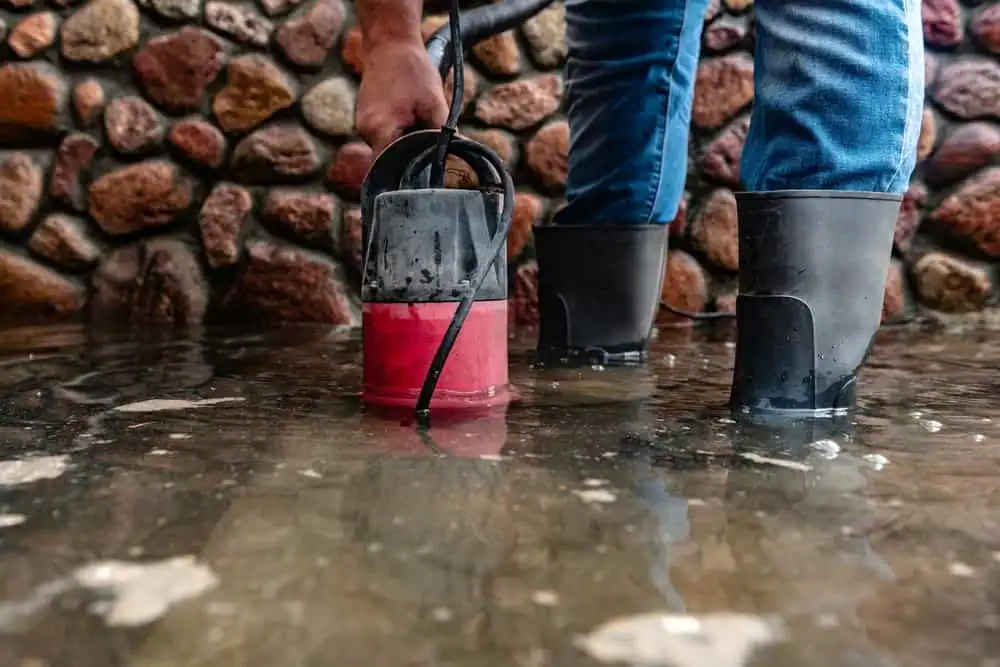
It starts with a real person picking up the phone. We run a true 24/7 emergency dispatch line — not a voicemail, not an answering service. When you call at 2 AM because a pipe let go while you were asleep, someone answers and a crew gets dispatched that night. In water damage situations, that timing is everything. The EPA documents that mold can begin growing on wet building materials within 24 to 48 hours. The homeowner who gets a crew on-site the same night has a fundamentally different outcome than the one who waits until Monday morning.
Once on-site, the first step is stopping any active water source and doing a full moisture assessment — not just the visible damage, but everything the water reached. Calibrated moisture meters and thermal imaging find water inside walls, under floors, and in ceiling cavities that look dry on the surface. In Pomona’s older homes, where plaster walls and original wood framing are common, water travels farther and faster than in newer construction. That assessment drives the scope of work, and the scope drives the insurance documentation.
From there, the process moves through structural drying, mold remediation if indicated, and asbestos abatement if materials in the affected area require it — a real consideration in any Pomona home built before 1980. Because we handle reconstruction as well, the final phase is putting everything back: drywall, flooring, finishes. Before any wall gets closed, moisture readings are documented to the IICRC S500 standard. The Village of Pomona Building Department requires permits for structural repair work, and we handle that process as part of the project.
Burst pipe repair in Pomona covers more ground than most homeowners expect going in. The water extraction and structural drying are the starting point, not the whole job. We scope every project from emergency response through full reconstruction, which means you’re not getting a remediation company that hands you a half-finished house and tells you to find a contractor for the rest.
For homes in Pomona Park II, along Halley Drive, or anywhere in the village’s core 1960s-to-1980s housing stock, the scope routinely includes asbestos assessment and abatement. This is handled in-house — not subcontracted — which keeps the timeline tighter and the coordination simpler. Mold remediation is included when moisture readings or visible growth indicate it’s needed, and all remediation work is performed under our NYS Mold Remediation Contractor License. Every step is documented for your insurance carrier.
The full-service model also includes direct insurance coordination. We communicate with your adjuster, provide all required documentation, and advocate for a complete and accurate scope — not the minimum the carrier wants to approve. If your claim is delayed or disputed, the 0% APR financing option (up to $200,000) means remediation doesn’t have to wait. For Pomona homeowners whose properties regularly appraise between $800,000 and well over $1 million, deferring remediation to wait on an insurance check is rarely the right financial decision.
Does a burst pipe in a Pomona home always require mold remediation afterward?
Not always, but it depends heavily on how quickly the water was found and how long materials stayed wet. The EPA’s guidance is clear: mold can begin colonizing wet building materials in as little as 24 to 48 hours. If you caught the pipe failure quickly, got extraction started the same day, and the affected area was dried to proper moisture levels within that window, you may not have a mold problem. But “may not” is doing a lot of work in that sentence.
The more honest answer is that you won’t know without a proper moisture assessment. In Pomona’s older homes — particularly the mid-century construction along Pomona Road and the Pomona Park II subdivision — plaster walls and original wood framing absorb and hold water differently than modern drywall and engineered lumber. Water can be sitting inside a wall cavity at levels that support mold growth while the surface feels dry to the touch. We use calibrated moisture meters and thermal imaging to get an accurate picture before deciding whether remediation is warranted. If it is, we handle it. If it isn’t, you have documentation that confirms that — which matters for your records and for any future property sale.
How does homeowners insurance actually work for burst pipe damage in Rockland County?
Most standard homeowners insurance policies cover sudden and accidental water damage from a burst pipe — meaning the pipe failed unexpectedly, not because of a slow leak you knew about and ignored. Rockland County homes, including those in Pomona, are generally covered under this provision, but the details matter. Your carrier will want documentation of the damage, the cause, and the scope of remediation. They will also want to see that you took reasonable steps to mitigate further damage after the pipe failed — which is one reason calling a restoration company immediately, rather than waiting, protects your claim as much as it protects your home.
Where homeowners run into problems is in the scope negotiation. Insurance carriers are not incentivized to approve the full restoration scope, and adjusters may push back on line items — particularly reconstruction costs or asbestos abatement, which some carriers try to treat as a separate matter. We handle all of this directly. We document everything from the initial moisture assessment through the final drying readings, communicate with your adjuster throughout the process, and advocate for a scope that actually covers what your home needs. You don’t have to become an expert in insurance claims language during one of the more stressful weeks of your life.
My Pomona home was built in the 1970s — do I need to worry about asbestos if a pipe bursts and walls need to be opened?
Yes, and it’s worth taking seriously. Homes built in Pomona during the 1960s and 1970s — which includes a significant portion of the village’s housing stock, from the Pomona Park II subdivision to properties along Halley Drive — were constructed during the period when asbestos was routinely used in pipe insulation, 9-inch vinyl floor tiles, ceiling tiles, and joint compound. When a burst pipe requires opening walls or disturbing existing building materials, there’s a real possibility of encountering asbestos-containing materials.
Under New York State law, asbestos abatement must be performed by a licensed contractor through the NYS Department of Labor’s Asbestos Safety and Training Program. Proceeding with remediation that disturbs those materials without proper abatement isn’t just a health risk — it creates legal liability for you as the homeowner and can complicate a future property sale. We hold in-house asbestos abatement licensing, which means this gets identified and handled as part of the restoration project rather than requiring you to bring in a separate contractor, negotiate a separate timeline, and manage two companies at once during an already difficult situation.
How long does it take to fully dry out a house after a burst pipe?
The standard drying timeline for a residential water damage job is typically three to five days for structural drying, assuming the extraction was done promptly and the affected materials are salvageable. But that’s a baseline, not a guarantee. The actual timeline depends on how much water was released, how long it sat before extraction started, what materials were affected, and the ambient conditions in the home during the drying process.
In Pomona specifically, a few factors can extend that timeline. Homes on the elevated, wooded terrain of Cheesecote Mountain and the surrounding areas tend to run cooler and hold more ambient moisture than homes in lower-lying parts of Rockland County — which affects how efficiently dehumidification equipment works. Older homes with plaster walls, original wood framing, and less vapor barrier protection also dry more slowly than modern construction. We monitor moisture levels daily with calibrated equipment and document every reading. Nothing gets closed up until the numbers confirm the materials are back within acceptable moisture ranges — not because it’s a nice thing to do, but because it’s the IICRC S500 standard and it’s what protects you from a mold problem six months from now.
Can you handle the full repair — not just the water damage but rebuilding the walls and floors too?
Yes, and this is one of the more meaningful differences between us and most restoration companies operating in the Pomona area. The typical restoration company handles extraction, drying, and remediation — and then leaves you with open walls, missing flooring, and the task of finding a general contractor to finish the job. That handoff creates real problems: scheduling gaps, separate billing relationships, and the friction of explaining the scope of damage to a second company that wasn’t there for the remediation.
We handle the full arc of the project — from the emergency call through reconstruction. Once the affected areas are dried, documented, and cleared, the rebuild phase begins: drywall, flooring, paint, finishes, whatever the damage required removing. For Pomona homeowners whose properties represent significant financial assets — homes in the village regularly sell between $800,000 and well over $1 million — having one company accountable for the entire project from start to finish is a practical advantage, not just a convenience. You have one point of contact, one project timeline, and one finished home at the end.
Does Green Island Group serve the Pomona, NY area directly, or is it a long response time from your location?
Pomona falls within our core Rockland County service area — it’s not a peripheral call that gets triaged after closer jobs. We serve the full Hudson Valley and Rockland County region, and Pomona is a regular part of that footprint. Response time for emergency calls is the same as it is for any other community in the county.
What matters practically is that we know the Pomona market specifically — the building stock, the local permit process through the Village of Pomona Building Department, the Rockland County Health Department requirements, and the specific conditions that come with homes built on the sloped, wooded terrain that defines much of the village. That familiarity isn’t something you get from a franchise operator running a templated service page. It comes from 12 years of working in Rockland County communities, including the kinds of mid-century homes that make up most of Pomona’s residential base. When you call, you’re not explaining your neighborhood to someone who’s never been there.