When Old Pipes Fail in Port Chester's Dense Housing, Every Hour Counts
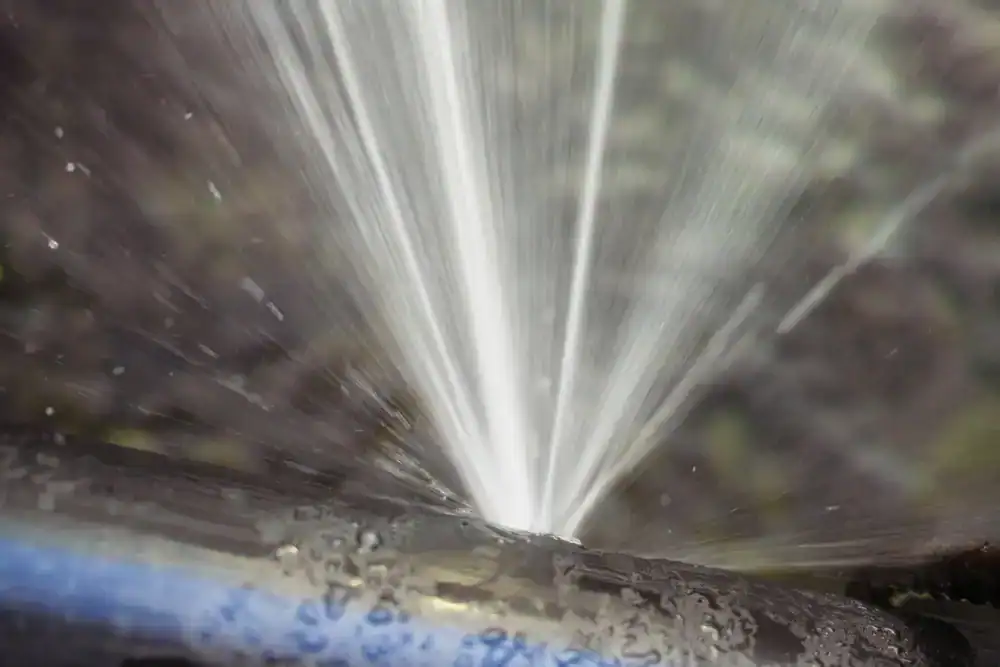
Water doesn’t wait, and in a village this dense, it doesn’t stay in one place. We respond 24/7 to burst pipe emergencies in Port Chester—handling everything from water extraction to full reconstruction under one roof.
I needed a professional consultation explanation of procedure for safe removal of Asbestos in my apartment complex. Without having an account yet, I was very impressed with the caring, knowledgeable and generous advice offered by Jessica, and will look forward to doing business in the future. Thank you so much! I feel much more informed about a sometimes scary endeavor. Peace. Nancy Silva Mineola, NY.
Mia Munoz
Used this company to clean up some water flood in my house. They were fast and easy to work with.very professional, Would recommend to anyone!
Nini Valle
Great company, had a flood and they responded quickly and efficiently. Billed my insurance company directly. I highly recommend this company!
joe colapietro, jr
I had pipe freeze in my basement right before a snow storm and they made to within an hour to help start the clean up process. They we by our side throughout the entire process and even helped with the insurance company. They did such a great job with the cleanup, repair, remidiation, I contracted them to perform the repairs and finishes in the basement. They came with enough manpower and material to get the job done. Leo and Jessica were nothing but a pleasure to deal with!!
Cristian Arredondo c
I had some water damage in my home and Green Island was able to take care of my issue quickly and effectively. I am very pleased with the work they did. They responded quickly and were very professional.
Michael M
Outstanding service! From the office to the field crew everyone was friendly, helpful and responsive. I highly recommend Green Island Group.
When a pipe bursts in a Port Chester home or apartment building, the damage rarely stays contained. Water moves fast through shared floor assemblies, old plaster walls, and the kind of basement utility spaces that are common in buildings that went up between 1910 and 1940. By the time you see it, it’s already somewhere you can’t.
That’s the reality of living in a village where a huge share of the housing stock is pushing 90 to 100 years old. Galvanized pipes that were installed when the Life Savers factory was still running on Westchester Avenue don’t owe you anything. They fail—and when they do in a multifamily building in Port Chester, you’re not just dealing with your unit. You may be dealing with the unit below you, a shared wall, and a landlord-tenant situation that gets complicated fast.
What you get when the job is done right is simple: dry structure, no active moisture, no mold established in the wall cavity, and a finished space that looks the way it did before the pipe let go. We don’t hand off to a second contractor for reconstruction. We don’t leave you waiting weeks for someone else to show up and patch the drywall. One company, start to finish.
12 Years In Port Chester and Westchester County—We Know What's Behind These Walls
We’ve been doing environmental restoration work in Westchester County for over 12 years, which means we’ve been inside the older buildings that define Port Chester—the converted two-families near Lyon Park, the apartment stock along Main Street, the pre-war construction that makes up a big part of the village’s residential core. We know what pre-1940 construction looks like once the drywall comes off, and we know how to work in it.
We’re NYS and NYC M/WBE certified—a government-audited credential, not a self-issued badge. We hold a NYS Mold Remediation Contractor License, carry full liability insurance and workers’ compensation, and have an established working relationship with the NYS Office of General Services. That’s not marketing language. That’s documentation you can verify.
We also handle asbestos abatement in-house. In a village like Port Chester where so much of the housing stock predates 1980, that matters more than most people realize until they’re mid-project and someone finds pipe insulation that needs testing.
What Actually Happens From the First Call to the Finished Room
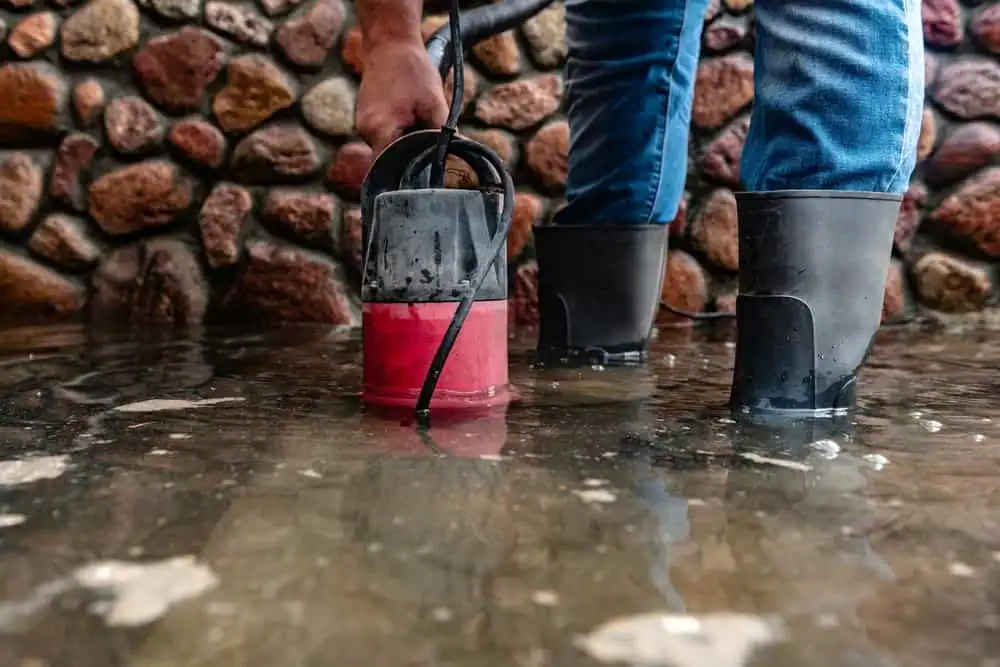
You call—day or night—and we dispatch. Port Chester’s location right off I-95 at Exit 21 means we can reach the village quickly from our Westchester operations. The first thing we do on-site is stop the spread. That means identifying the source, assessing how far water has traveled, and getting extraction equipment running as fast as possible. The 24 to 48 hour window before mold begins establishing itself on wet building materials is real, and we treat it that way.
Once water is out, we set up structural drying—industrial air movers and dehumidifiers positioned based on moisture readings, not guesswork. In Port Chester’s older buildings, moisture hides in horsehair plaster, under original hardwood floors, and inside wall cavities that haven’t seen air circulation in decades. We monitor daily until the readings confirm the structure is dry.
If we open walls and encounter materials that may contain asbestos—which is a genuine possibility in any Port Chester building built before 1980—we handle testing and abatement in-house before reconstruction begins. The Village of Port Chester requires building permits for reconstruction work, and we manage that process. When the permits are closed and the work is done, your space is finished. Not “dried out and handed off.” Finished.
Full Scope Restoration Built for Port Chester's Older Building Stock
Burst pipe restoration in Port Chester isn’t a single-step job, and any company that treats it like one is leaving you with a problem you’ll find later. The full scope of what we do covers emergency water extraction, structural drying with daily moisture monitoring, mold remediation under NYS Article 32 licensing requirements, asbestos abatement when pre-1980 materials are involved, and complete reconstruction of whatever we had to open to dry the structure properly.
The insurance piece is part of the service too—not an afterthought. We document damage in the format insurance adjusters require, communicate directly with your carrier throughout the process, and advocate for what the policy should cover. For a lot of Port Chester homeowners filing a major property claim for the first time, this is the part of the process that feels most overwhelming. We’ve navigated it hundreds of times.
If cost is a concern before the insurance timeline resolves, we offer financing up to $200,000 at 0% APR. That means you can authorize the work immediately—protecting the building and your claim—without waiting on cash or a reimbursement check. Delaying remediation to manage cash flow is one of the more expensive decisions a property owner can make. The financing option takes that off the table.
Does a burst pipe in my Port Chester apartment affect my neighbor's unit?
In most cases, yes—and it can happen faster than you’d expect. Port Chester has a high concentration of multifamily housing, including a lot of two-family homes, three-to-four-unit buildings, and older apartment structures where the floor assemblies and wall cavities are shared. Water from a burst pipe on an upper floor can travel through those shared spaces and show up in a lower unit within minutes, sometimes before anyone even knows there’s a problem.
This creates a situation that’s more complicated than a single-unit loss. You may be dealing with damage across multiple units, multiple tenants, and potentially more than one insurance policy. Documentation becomes critical—both for your own claim and for any landlord-tenant disputes about responsibility. When we respond to a burst pipe in a Port Chester multifamily building, we assess all affected areas, not just the unit where the pipe failed. Getting the full picture early is the only way to make sure nothing gets missed and no one ends up with a mold problem three months later because a shared wall wasn’t properly dried.
How quickly does mold grow after a pipe bursts in an older Port Chester home?
The EPA and FEMA both document that mold can begin growing on wet building materials within 24 to 48 hours of a water intrusion event. That window is tight under any circumstances, but it’s especially tight in Port Chester’s older housing stock, where the building materials themselves—horsehair plaster, original wood framing, old subfloor layers—are porous and hold moisture differently than modern construction.
The complicating factor is that water in an old Port Chester building doesn’t always go where you can see it. It travels through floor assemblies, gets absorbed into plaster, and collects in basement utility spaces before it shows up on a surface. By the time you notice visible moisture, the clock may have already been running for hours. Mold that establishes itself inside a wall cavity in a Port Chester home is not just a health issue—it becomes a remediation project that’s significantly more expensive and disruptive than the original water damage would have been if addressed immediately. Speed of response is the single most important variable in limiting the scope of the damage.
Will my homeowner's insurance cover burst pipe damage in Port Chester, NY?
Most standard homeowner’s insurance policies in New York cover sudden and accidental water damage from a burst pipe—meaning the pipe failed unexpectedly, not because of deferred maintenance or a slow leak you were aware of. The distinction matters, and insurance adjusters will ask about it. If your home has galvanized pipes that are visibly corroded or if there’s a history of plumbing issues documented anywhere, the carrier may push back on the claim.
In Port Chester, where a large share of the housing stock is 80 to 100 years old and many properties still have original or aging plumbing, this question comes up regularly. The best thing you can do is get professional documentation of the damage as early as possible—scope, photos, moisture readings—before anything is touched or dried. That documentation is what supports your claim. We handle the documentation process and communicate directly with your carrier throughout, which removes the burden of navigating the adjustor process alone and reduces the risk of the claim being undervalued or disputed.
Do I need a permit to repair water damage in a Port Chester home?
It depends on the scope of the work. Emergency extraction and drying typically don’t require a permit—those are protective measures, not structural changes. But once the work moves into reconstruction—replacing drywall, repairing framing, restoring finished surfaces—the Village of Port Chester’s building department requires permits for that work. Skipping the permit process creates problems when you go to sell the property or when an insurance adjuster asks for documentation of completed work.
We manage the permit process as part of the reconstruction scope. That means you’re not tracking down forms, scheduling inspections, or coordinating between a remediation company and a separate contractor who’s handling the rebuild. The permit gets pulled, the work gets inspected, and the job closes properly. In a village with active code enforcement like Port Chester, having the paperwork in order at the end of the project is not optional—it’s part of what makes the restoration complete.
What should I do in the first hour after a pipe bursts in my home?
The first thing is to shut off the water supply. If you’re in a single-family home, that’s the main shutoff, usually near the water meter or where the supply line enters the building. If you’re in a multifamily building in Port Chester, you may need to contact your landlord or building superintendent to shut off the building supply—know where that valve is before you need it. Every minute the water runs is more material saturated and more damage to document.
Once the water is off, don’t try to dry it yourself with fans and towels. That approach moves surface moisture around but doesn’t address what’s inside the wall or under the floor. It also gives you a false sense that the situation is under control when it may not be. Call a restoration company that can deploy extraction equipment and take moisture readings across the full affected area. The faster professional extraction starts, the more likely you are to stay inside that 24 to 48 hour window before mold becomes part of the conversation. Document everything with photos before anything is moved or cleaned up—your insurance claim will depend on it.
Do you handle burst pipe repairs in Port Chester apartment buildings and rental properties?
Yes, and it’s a significant part of what we do in Port Chester specifically. The village’s housing stock is heavily weighted toward multifamily—large apartment buildings, two-family homes, three-to-four-unit structures—and burst pipe events in those buildings involve a different set of considerations than a single-family loss. There are tenants to account for, shared spaces to assess, and often more than one insurance policy in play depending on whether the damage crosses unit lines.
We work with landlords, property managers, and individual unit owners depending on who has responsibility for the claim. We document damage across all affected units, communicate with the relevant insurance carriers, and manage the full scope of remediation and reconstruction so the building is habitable and the paperwork is clean when the job is done. Port Chester’s rental market carries real landlord-tenant liability dimensions around habitability standards, and a burst pipe that isn’t fully remediated—or that’s remediated without proper documentation—can create legal exposure that outlasts the water damage itself. We handle the process in a way that protects the property owner from that exposure.