I needed a professional consultation explanation of procedure for safe removal of Asbestos in my apartment complex. Without having an account yet, I was very impressed with the caring, knowledgeable and generous advice offered by Jessica, and will look forward to doing business in the future. Thank you so much! I feel much more informed about a sometimes scary endeavor. Peace. Nancy Silva Mineola, NY.
Mia Munoz
Used this company to clean up some water flood in my house. They were fast and easy to work with.very professional, Would recommend to anyone!
Nini Valle
Great company, had a flood and they responded quickly and efficiently. Billed my insurance company directly. I highly recommend this company!
joe colapietro, jr
I had pipe freeze in my basement right before a snow storm and they made to within an hour to help start the clean up process. They we by our side throughout the entire process and even helped with the insurance company. They did such a great job with the cleanup, repair, remidiation, I contracted them to perform the repairs and finishes in the basement. They came with enough manpower and material to get the job done. Leo and Jessica were nothing but a pleasure to deal with!!
Cristian Arredondo c
I had some water damage in my home and Green Island was able to take care of my issue quickly and effectively. I am very pleased with the work they did. They responded quickly and were very professional.
Michael M
Outstanding service! From the office to the field crew everyone was friendly, helpful and responsive. I highly recommend Green Island Group.
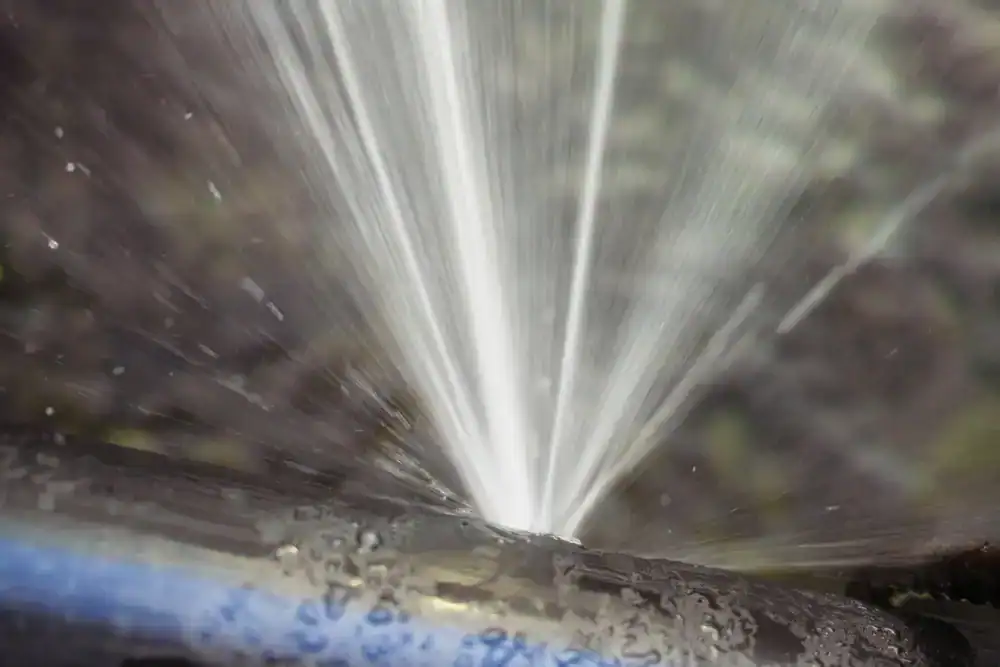
When a pipe goes in a Putnam Lake home, the clock starts immediately. The EPA puts the mold growth window at 24 to 48 hours — and in a converted 1930s bungalow with horsehair plaster walls and original framing, water doesn’t just sit on the surface. It wicks into lumber, insulation, and subfloor assemblies faster than a shop vac and a box fan can keep up with. By the time you can see damage, there’s usually more behind the wall that you can’t.
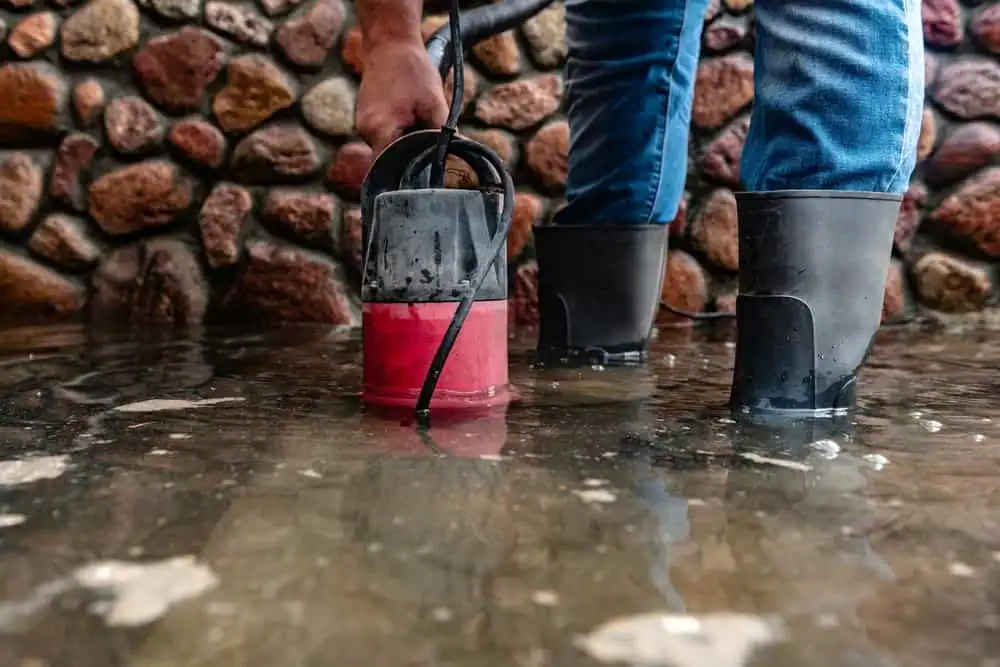
What you actually need after a burst pipe isn’t just someone to pull the water out. You need documented drying, moisture readings logged daily, and a clear answer on whether your structure is genuinely dry — not just dry to the touch. Then you need the wall put back together. We handle all of it, from emergency extraction through finished reconstruction, without handing you off to a second contractor.
For a community where a meaningful number of homes sit vacant through stretches of the winter — and where a pipe failure can go undetected for days before anyone notices — that full-scope capability isn’t a nice-to-have. It’s the difference between a contained remediation and a mold project that costs three times as much.
We’ve been doing environmental restoration work across the Hudson Valley for over 12 years, including Putnam Lake and the specific building conditions that come with it. Pre-1950 construction, galvanized pipe systems that are well past their designed lifespan, crawl spaces that were never insulated for year-round occupancy. These aren’t edge cases out here. They’re the norm.
We hold NYS and NYC M/WBE certification, carry full liability insurance and workers’ compensation coverage, and are licensed under Article 32 of the NYS Labor Law for mold remediation. Those aren’t just credentials to list — they’re the difference between a contractor who’s accountable for the outcome and one who disappears when something goes sideways.
We also hold a documented working relationship with the NYS Office of General Services, which means we’ve passed the procurement standards that state agencies require. For a homeowner in Putnam Lake trying to figure out who to trust in the middle of a water emergency, that track record matters more than any sales pitch.
Emergency Water Damage Service near Putnam Lake, NY
From the First Call to the Last Coat of Paint
When you call, someone picks up — not an answering service. A crew gets dispatched, and given that Putnam Lake sits in the northeastern corner of Putnam County off Route 311, we account for the drive time and commit to an arrival window you can count on. That matters in a community where the nearest major service centers are in Brewster or Carmel, and where waiting until morning is not a neutral decision.
Once on site, our first priority is stopping the source and extracting standing water. From there, we use thermal imaging and calibrated moisture meters to map exactly where water has traveled — including behind walls, under flooring, and into structural cavities. In the converted cottages that make up most of Putnam Lake’s housing stock, that step is critical. Water hides in places that look fine on the surface.
If the walls need to come down and the home was built before 1980, asbestos testing happens before anything is disturbed. We handle abatement in-house, which means no scheduling delay waiting for a separate contractor to clear the site before remediation can begin. Structural drying runs until moisture readings confirm the structure is genuinely dry, documented daily. Then reconstruction starts — walls, flooring, whatever the scope requires — until the room looks the way it did before.
Frozen Pipe Repair and Mold Remediation near Putnam Lake, NY
What's Included When Putnam Lake Calls Us
The scope of a burst pipe job in Putnam Lake isn’t always obvious from the outside. What looks like a contained leak in a basement or bathroom wall can involve saturated framing, compromised insulation, and the early stages of mold growth — all invisible until the wall comes down. Our process is built around finding the full picture, not just the visible damage.
Every job includes emergency water extraction, thermal imaging and moisture mapping, daily documented drying, and a final clearance inspection before any reconstruction begins. For homes in Putnam Lake built before 1960 — which covers a significant portion of the community’s housing stock — in-house asbestos testing and abatement is available without adding a separate vendor to the project. That alone can save days of scheduling delay at the worst possible time.
We also work directly with your insurance carrier throughout the process. We document the damage in the format adjusters require, communicate with your adjuster on your behalf, and advocate for a settlement scope that reflects the actual damage — not the minimum the carrier would prefer to pay. Financing up to $200,000 at 0% APR is available for homeowners navigating a high deductible or a disputed claim, so the right remediation decision doesn’t have to wait on a cash-flow problem.
Does homeowners insurance cover burst pipe damage in Putnam Lake, NY?
In most cases, yes — sudden and accidental pipe bursts are covered under standard homeowners insurance policies in New York. The key word is “sudden.” If an adjuster can argue that the pipe failed due to long-term neglect or gradual deterioration, coverage can be disputed or reduced. In Putnam Lake, where a significant portion of homes have galvanized pipe systems that are 60 to 90 years old, that distinction matters. Aged galvanized pipe corrodes from the inside out, and insurers sometimes use that as grounds to push back on a claim.
That’s exactly why having a restoration contractor who handles the documentation and adjuster communication on your behalf makes a real difference. We work directly with insurance carriers, document the damage in the format adjusters require, and represent your interests throughout the process — not the carrier’s cost targets. If your claim is disputed or the initial offer feels low, that’s a conversation we’re equipped to have on your behalf.
How quickly does mold start growing after a burst pipe in an older home?
The EPA and FEMA both document that mold can begin growing on wet building materials within 24 to 48 hours of a water intrusion event. In a newer home with modern construction materials, you might have a little more margin. In a Putnam Lake home built as a summer bungalow in the 1930s or 1940s — with old-growth lumber framing, original insulation, and horsehair plaster — that window is tighter. These materials absorb and retain moisture differently than modern drywall and engineered lumber, and they create conditions where mold establishes faster and spreads further before it becomes visible.
The other factor unique to Putnam Lake is the community’s vacancy rate. A meaningful number of properties sit unoccupied for stretches of the winter. A pipe that bursts in an empty home can go undetected for days or weeks. By the time the owner returns or a neighbor notices something wrong, the 24-to-48-hour window is long past and the mold remediation scope has expanded significantly. Speed of response is the single most important variable in keeping a burst pipe from becoming a full mold project.
Do I need asbestos testing before burst pipe repairs in my Putnam Lake home?
If your home was built before 1980 — and in Putnam Lake, that covers the majority of the housing stock — asbestos testing before opening walls is not just a good idea, it’s a legal requirement in New York State. Asbestos was routinely used in pipe insulation, floor tiles, ceiling tiles, plaster, and joint compound throughout the era when most of Putnam Lake’s homes were constructed. Disturbing those materials without proper testing and abatement exposes everyone on site to health risk, and it creates legal and liability exposure for the homeowner.
We handle asbestos abatement in-house, which means testing and clearance happen as part of the same project — no separate vendor, no scheduling gap between abatement and remediation. For a homeowner in Putnam Lake dealing with a water emergency, that matters. Adding a second contractor to the timeline can add days to a process where every hour counts. Having one company handle the full scope, from asbestos clearance through finished reconstruction, keeps the project moving and keeps accountability in one place.
What's the difference between a plumber and a water damage restoration company?
A plumber fixes the pipe. That’s their job, and it’s an important one — but it’s only the beginning of what a burst pipe actually requires. Once the broken pipe is repaired and the water is shut off, you’re left with saturated walls, soaked flooring, compromised insulation, and building materials that are actively creating conditions for mold growth. A plumber isn’t equipped to address any of that, and most aren’t licensed to perform mold remediation in New York State.
A water damage restoration company like ours picks up where the plumber leaves off — or handles the entire scope if the pipe repair is part of a larger structural project. That means water extraction, moisture mapping, documented structural drying, mold remediation if needed, and full reconstruction of whatever was damaged. In Putnam Lake, where older homes often have multiple layers of building materials and plumbing systems that were retrofitted rather than purpose-built, the restoration scope after a burst pipe is frequently more complex than it looks from the surface. Having a contractor who can assess and address the full picture — not just the broken pipe — is what protects the home long-term.
How long does water damage restoration take after a burst pipe?
The drying phase alone typically takes three to five days under professional conditions, with daily moisture readings confirming progress. Reconstruction — patching walls, replacing flooring, finishing surfaces — adds time depending on scope. A straightforward job in a finished basement might be wrapped in one to two weeks total. A more complex project involving multiple rooms, structural framing, or asbestos abatement in a pre-1950 home can run three to four weeks or longer.
In Putnam Lake specifically, the age and construction type of the home is the biggest variable. A converted 1930s bungalow with original framing, plaster walls, and galvanized pipe running through an uninsulated crawl space presents a different scope than a 1980s ranch with modern drywall and PVC supply lines. We assess the full picture on the first visit and give you a realistic timeline before work begins — not an optimistic estimate that shifts as the project unfolds. The goal is that you know what to expect, and that the house is genuinely restored when the job is done, not just dried out and patched.
Can Green Island Group handle burst pipe repair in Putnam Lake during winter months?
Yes — and winter is exactly when most of the calls come in. Putnam Lake’s location in the northeastern corner of Putnam County, at an elevation that amplifies cold exposure compared to communities further south, means that extended stretches below 20°F are a regular feature of January and February. That’s the threshold at which unprotected pipes in unheated crawl spaces and exterior wall cavities typically begin to freeze. The community’s concentration of pre-1950 converted cottages — originally built as summer bungalows without the insulation or pipe placement needed for year-round occupancy — makes this a recurring seasonal reality, not an occasional edge case.
We operate 24/7, including through winter weather events, and dispatch to Putnam Lake regardless of conditions. The 24/7 emergency line isn’t a voicemail that gets returned in the morning — it’s an actual dispatch. For a community where the nearest major service centers are in Brewster or Carmel and local contractor options are limited, that operational commitment is what makes the difference between a pipe failure that gets handled that night and one that sits until the next business day while the damage compounds behind the walls.