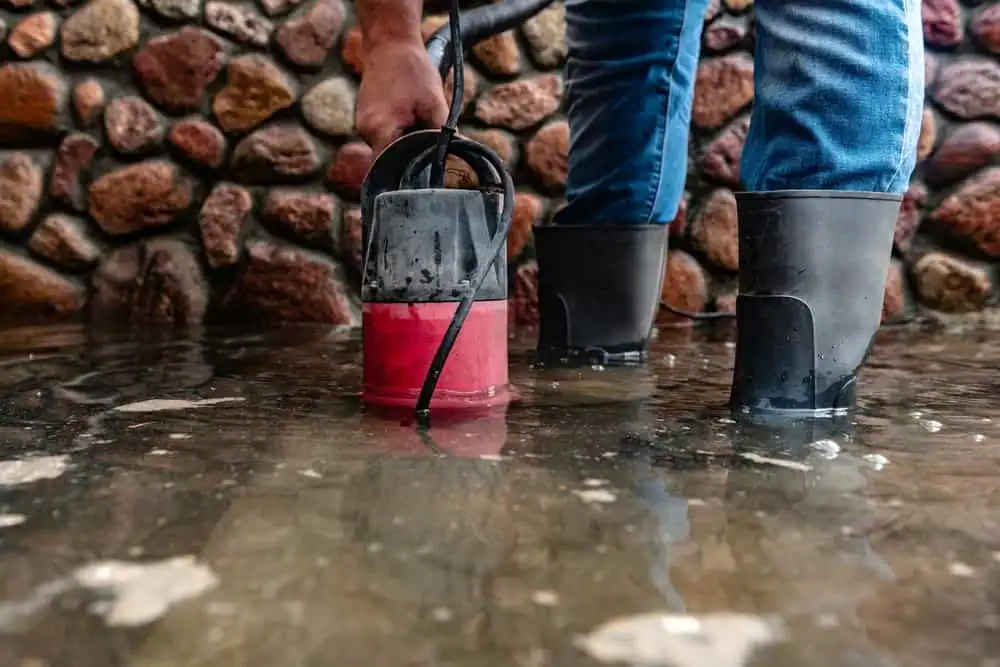
In a home worth close to $1 million, every hour of standing water is an hour closer to a much bigger problem. We respond 24/7 and handle everything — from emergency extraction to finished, restored rooms.
I needed a professional consultation explanation of procedure for safe removal of Asbestos in my apartment complex. Without having an account yet, I was very impressed with the caring, knowledgeable and generous advice offered by Jessica, and will look forward to doing business in the future. Thank you so much! I feel much more informed about a sometimes scary endeavor. Peace. Nancy Silva Mineola, NY.
Mia Munoz
Used this company to clean up some water flood in my house. They were fast and easy to work with.very professional, Would recommend to anyone!
Nini Valle
Great company, had a flood and they responded quickly and efficiently. Billed my insurance company directly. I highly recommend this company!
joe colapietro, jr
I had pipe freeze in my basement right before a snow storm and they made to within an hour to help start the clean up process. They we by our side throughout the entire process and even helped with the insurance company. They did such a great job with the cleanup, repair, remidiation, I contracted them to perform the repairs and finishes in the basement. They came with enough manpower and material to get the job done. Leo and Jessica were nothing but a pleasure to deal with!!
Cristian Arredondo c
I had some water damage in my home and Green Island was able to take care of my issue quickly and effectively. I am very pleased with the work they did. They responded quickly and were very professional.
Michael M
Outstanding service! From the office to the field crew everyone was friendly, helpful and responsive. I highly recommend Green Island Group.
Most restoration companies stop at dried-out, open walls. They extract the water, run the drying equipment, and leave you to find a general contractor for the reconstruction. That means you’re managing two separate companies, two schedules, and two billing conversations — while living in a half-demolished home. We handle everything from the emergency call through mold remediation and full reconstruction, so you’re not stuck coordinating the second half of the job yourself.
Rye Brook’s housing stock matters here. With a median construction year of 1967, roughly half the homes in the village were built during the peak era of galvanized steel plumbing. Those pipes are now 60 to 70 years old — and in split-level and colonial homes like the ones throughout Rye Hills and Talcott Woods, they’re often running through exterior wall cavities with minimal insulation. When a cold snap hits and temperatures drop into the single digits, those are exactly the pipes that freeze and rupture.
When a burst pipe happens in a pre-1980 home in Rye Brook and walls need to open, there’s another layer most restoration companies aren’t equipped to handle: asbestos. Pipe insulation, floor tiles, and joint compound from that era routinely contain asbestos-containing materials. We handle licensed asbestos abatement in-house, which means that issue gets addressed without adding a separate contractor, a separate delay, or a separate negotiation to an already stressful situation.
Twelve Years of Work in Rye Brook and Westchester Homes
We’ve been doing restoration work across Westchester County for over 12 years, with deep experience in Rye Brook’s specific housing challenges. We’ve worked in the mid-century split-levels off King Street, the larger colonials near Blind Brook Country Club, and the older pre-war construction that makes up nearly 10% of Rye Brook’s housing stock. We know what aging plumbing looks like inside a wall cavity, and we know what proper remediation requires in homes that weren’t built with modern materials.
We’re NYS and NYC M/WBE certified — a credential that requires documentation, financial auditing, and operational verification by state agencies, not a logo you buy. We’ve been awarded contracts through the NYS Office of General Services, carry full liability insurance and workers’ compensation, and hold a New York State Mold Remediation Contractor License under Article 32. These aren’t optional credentials in this industry — some of them are legal requirements, and not every company you’ll find online actually has them.
Our work is fully insured, our crews are experienced, and our process is designed to protect you from the liability exposure that comes with hiring an unlicensed or uninsured operator in a county where home values and legal stakes are both high.
What Actually Happens From Your First Call to the Last Wall
When you call, someone picks up — day or night. We run a genuine 24/7 emergency dispatch, which means a crew can be mobilized the same night you discover the problem. That timing matters because mold can begin growing on wet building materials within 24 to 48 hours of a water intrusion event. Getting extraction started before that window closes is the difference between a contained remediation job and a much more extensive tear-out.
Once on-site, our team assesses how far the water has traveled — inside walls, under flooring, into subfloor materials. Industrial moisture meters and thermal imaging are used to find water that isn’t visible to the eye. Then extraction and structural drying begin, using commercial-grade equipment that moves far more air volume than a consumer fan. In Rye Brook’s older homes, where original plaster walls and mid-century insulation absorb moisture readily, this step takes longer and requires more precision than it would in newer construction.
If the assessment turns up asbestos-containing materials — which is a real possibility in any Rye Brook home built before 1980 — licensed abatement is handled in-house before restoration work proceeds. Once the structure is dry and clear, reconstruction begins: drywall, flooring, paint, trim, whatever the damage required. The Village of Rye Brook has its own building department, and any reconstruction work that requires a permit gets managed as part of our process. We also work directly with your insurance carrier throughout, handling documentation and communication so the claim moves forward without you having to manage it.
Full-Scope Restoration Built for Westchester's Older Homes
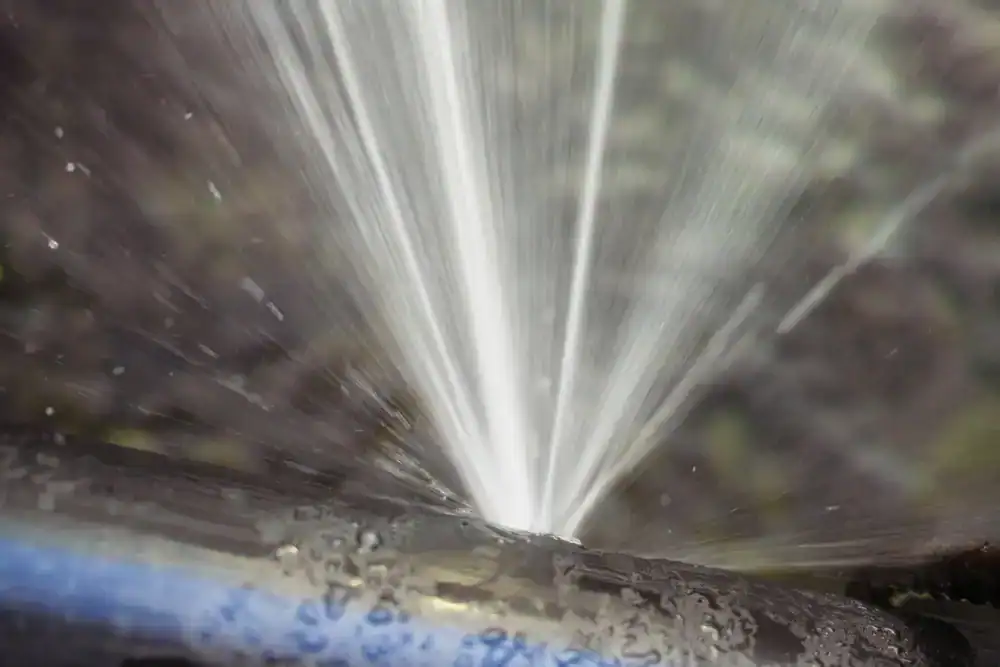
A burst pipe in Rye Brook isn’t just a plumbing problem — it’s a water damage event, a potential mold situation, and sometimes an asbestos concern, all at once. The service we provide covers every layer of that. Emergency water extraction and structural drying come first. Mold remediation follows if growth is present or conditions indicate risk. Asbestos abatement is handled in-house when pre-1980 materials are disturbed. And full reconstruction — drywall, flooring, paint, structural elements — brings your home back to the condition it was in before the pipe failed.
For Rye Brook homeowners, the insurance piece is often the most stressful part of the whole experience. We bill insurance carriers directly, document damage in the format adjusters require, and communicate with your carrier throughout the claim. Customers consistently describe this as the part of the process they were most relieved to hand off. In a market where a major water damage event can run $15,000 to $50,000 or more, having someone in your corner who understands how to document and present a claim is worth a great deal.
Financing is available up to $200,000 at 0% APR for situations where remediation needs to begin before an insurance dispute resolves. In homes near Crawford Park, in Hillandale, or anywhere else in Rye Brook where home values approach seven figures, delaying remediation to wait on a check is one of the most expensive decisions a homeowner can make. The financing option removes that barrier entirely.
Does homeowners insurance cover burst pipe damage in Rye Brook, NY?
In most cases, yes — sudden and accidental water damage from a burst pipe is covered under standard homeowners insurance policies in New York. The key word is “sudden.” If an adjuster can argue that the pipe failure resulted from long-term neglect or gradual deterioration that went unaddressed, they may try to limit or deny the claim. This is a real concern in Rye Brook, where a significant portion of the housing stock has aging galvanized steel plumbing that’s been in place for 50 to 70 years.
Documentation is what protects you here. A thorough record of the damage — moisture readings, photos, drying logs, and a clear scope of work — is what supports a full claim payout. We document everything in the format adjusters require and work directly with your carrier throughout the process. If there’s a dispute about scope or coverage, having that paper trail makes a significant difference in the outcome.
How quickly does mold start growing after a pipe bursts in my home?
The EPA and FEMA both document that mold can begin growing on wet building materials within 24 to 48 hours of a water intrusion event. That’s not a worst-case estimate — that’s the standard timeline under normal indoor conditions. In a Rye Brook home with mid-century construction, original plaster walls, or older insulation materials, moisture gets absorbed quickly and creates ideal conditions for mold growth even faster.
What this means practically is that the first 24 hours after a pipe bursts are the most important. Water that’s been present for less than a day is a contained remediation problem. Water that’s been sitting for two or three days — especially inside wall cavities where you can’t see it — typically requires far more extensive demolition, remediation, and reconstruction. Calling immediately and getting extraction started the same night is the single most effective thing you can do to limit the total cost and scope of the damage.
What's the difference between a plumber and a water damage restoration company?
A plumber fixes the pipe. A water damage restoration company handles everything the broken pipe left behind — the water that’s already in your walls, floors, and subfloor materials, the structural drying, the mold risk, and the reconstruction of whatever had to be opened or removed. These are two completely different scopes of work, and you need both after a burst pipe event.
The confusion often comes from homeowners assuming that once the plumber fixes the break, the problem is solved. It isn’t. Water that entered your wall cavity doesn’t leave on its own, and wet insulation and framing behind closed drywall is exactly where mold takes hold. In Rye Brook’s older homes — particularly those built in the 1950s and 1960s with materials that absorb moisture readily — the hidden water is often the bigger issue. A licensed restoration company uses moisture meters and thermal imaging to find water that isn’t visible, then extracts it and dries the structure properly before any reconstruction begins.
Do I need a permit for water damage repairs in Rye Brook?
It depends on the scope of the work. Cosmetic repairs — repainting a wall, replacing a small section of flooring — typically don’t require a permit. But reconstruction work that involves replacing structural elements, significant sections of drywall, or mechanical systems generally does require a building permit from the Village of Rye Brook’s building department. Rye Brook has its own municipal building department, which is worth noting — this isn’t handled at the county level.
Unpermitted reconstruction work creates real problems down the line. In a market where home values approach $1 million and buyer inspections are thorough, undisclosed or improperly permitted repair work can derail a sale or reduce a sale price significantly. We manage the permitting process as part of the job, so you’re not left navigating that on your own while also dealing with an insurance claim. It’s one less thing you have to track.
How do I know if there's still hidden moisture in my walls after a burst pipe?
You usually can’t tell by looking. Water travels through wall cavities, under flooring, and into subfloor materials in ways that aren’t visible on the surface. A wall can feel dry to the touch and still have wet insulation and framing behind it. This is one of the most common mistakes homeowners make after a burst pipe — assuming the damage is contained to what they can see.
Professional moisture assessment uses calibrated moisture meters and thermal imaging cameras to detect water behind finished surfaces without tearing everything open. In Rye Brook’s older homes, where original plaster walls and mid-century building materials hold moisture differently than modern drywall, this step is especially important. A surface reading alone isn’t enough. We map the full moisture profile of the affected area before drying begins, which means the drying process is targeted at where the water actually is — not just where it’s visible.
Is asbestos a real concern during burst pipe repairs in older Rye Brook homes?
Yes, and it’s one that most restoration companies aren’t equipped to handle in-house. Approximately 10% of Rye Brook’s homes were built before 1950, and a significant additional share were built during the 1950s and 1960s — decades when asbestos was routinely used in pipe insulation, floor tiles, ceiling tiles, and joint compound. When a pipe bursts and restoration work requires opening walls or disturbing building materials in a home from that era, the potential presence of asbestos is a legal and health issue that has to be addressed before remediation work can proceed.
New York State law requires licensed asbestos abatement for any disturbance of asbestos-containing materials. Proceeding without it isn’t just a health risk — it creates legal liability for the homeowner and can complicate property sales if the work isn’t properly documented. We perform asbestos abatement in-house, which means if it’s identified during the assessment, it gets handled as part of the same project — no separate contractor, no separate scheduling delay, no gap in the process where your home sits open and unaddressed while you wait for someone else to show up.