Old Pipes, New Crisis — Sleepy Hollow Homes Deserve a Real Fix
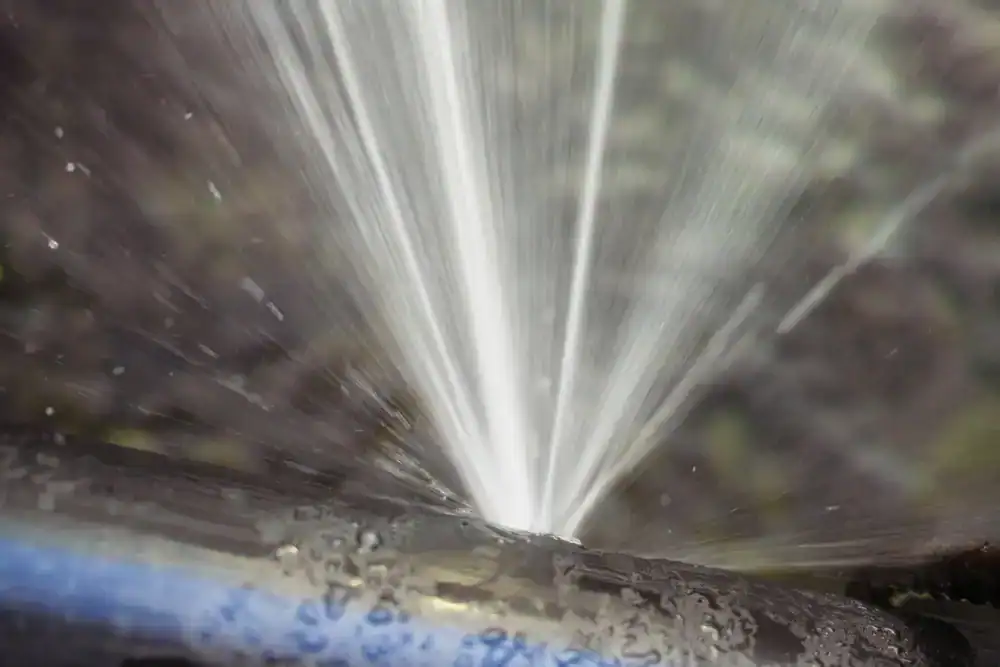
When a pipe lets go in a Victorian-era home on a side street off Broadway, every minute counts. We respond 24/7 — handling everything from emergency water extraction to full structural rebuild, so you’re not left managing two contractors while your walls stay open.
I needed a professional consultation explanation of procedure for safe removal of Asbestos in my apartment complex. Without having an account yet, I was very impressed with the caring, knowledgeable and generous advice offered by Jessica, and will look forward to doing business in the future. Thank you so much! I feel much more informed about a sometimes scary endeavor. Peace. Nancy Silva Mineola, NY.
Mia Munoz
Used this company to clean up some water flood in my house. They were fast and easy to work with.very professional, Would recommend to anyone!
Nini Valle
Great company, had a flood and they responded quickly and efficiently. Billed my insurance company directly. I highly recommend this company!
joe colapietro, jr
I had pipe freeze in my basement right before a snow storm and they made to within an hour to help start the clean up process. They we by our side throughout the entire process and even helped with the insurance company. They did such a great job with the cleanup, repair, remidiation, I contracted them to perform the repairs and finishes in the basement. They came with enough manpower and material to get the job done. Leo and Jessica were nothing but a pleasure to deal with!!
Cristian Arredondo c
I had some water damage in my home and Green Island was able to take care of my issue quickly and effectively. I am very pleased with the work they did. They responded quickly and were very professional.
Michael M
Outstanding service! From the office to the field crew everyone was friendly, helpful and responsive. I highly recommend Green Island Group.
A burst pipe doesn’t just leave water behind — it leaves a clock ticking. The EPA and FEMA both document that mold can begin growing on wet building materials within 24 to 48 hours. In Sleepy Hollow’s older homes, where wall cavities may contain original horsehair plaster, old-growth lumber framing, and decades of accumulated organic material, that window closes fast. What looks dry on the surface after you’ve soaked up the visible water may still have dangerous moisture levels inside the wall assembly — levels you can’t see and can’t measure without professional equipment.
When the job is done right, you get your home back — not a partially rebuilt structure with open walls waiting on a second contractor. You get verified dry readings from calibrated moisture meters and thermal imaging, not someone’s best guess. You get documentation your insurance adjuster will actually accept. And if your home was built before 1980, which describes most of Sleepy Hollow’s housing stock, you get a clear answer on whether asbestos is present in the pipe insulation or surrounding materials — handled in-house, without adding another contractor or another delay to your timeline.
Sleepy Hollow’s Hudson River location also means your home carries a higher baseline moisture load than homes in inland Westchester communities. River humidity, seasonal fog, and proximity to the Pocantico River create conditions that make thorough structural drying more critical here than in drier, inland towns. Getting it done completely the first time is the difference between a contained remediation and a mold problem that shows up six weeks later.
We’ve been serving Westchester County for over 12 years — including the Rivertowns corridor that runs through Sleepy Hollow, Tarrytown, Ossining, Irvington, and Dobbs Ferry. This isn’t a regional company parachuting into a new market. We know what it means to open a wall in a Sleepy Hollow home near Philipse Manor and find galvanized pipe, original tile flooring, and materials that need careful handling before restoration work can begin.
We hold a NYS Mold Remediation Contractor License, NYS and NYC M/WBE Certification — a formal government credential, not a self-applied label — and have been awarded contracts by the NYS Office of General Services. We carry full liability insurance and workers’ compensation, and back every job with a 100% satisfaction guarantee. When you call, you reach someone who can actually dispatch a crew — not an answering service that takes a message until morning.
From the Emergency Call to a Finished Home — Here's the Process
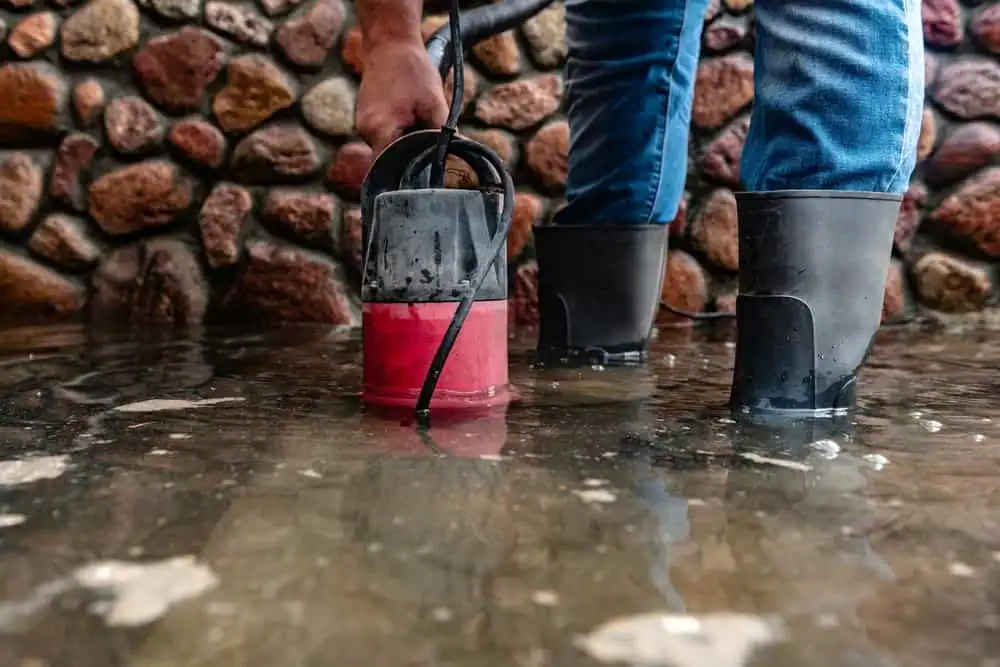
The first call triggers a same-night dispatch. A crew arrives, shuts down the active damage, and begins emergency water extraction using commercial-grade equipment. The goal in the first hours is simple: stop the spread and protect the structure before the 48-hour mold window closes.
Once the immediate crisis is contained, the real assessment begins. We use thermal imaging cameras and calibrated moisture meters to map exactly where water has traveled inside your walls, floors, and ceiling assemblies. This matters especially in Sleepy Hollow’s older homes, where water can migrate through horsehair plaster and original wood framing in ways that aren’t visible from the surface. If the assessment reveals asbestos-containing materials — which is a real possibility in any home built before 1980 in this village — we handle abatement in-house before remediation proceeds. No separate contractor. No scheduling gap. No project stall.
Structural drying runs until moisture readings confirm the building is genuinely dry — not just surface-dry. After that, reconstruction begins. Walls go back up, flooring gets replaced, and the space is rebuilt to match what was there before. Sleepy Hollow’s Building Department requires permits for structural work, and we handle that compliance as part of the process. When the job is complete, your home is finished — not handed back to you half-done.
Most restoration companies in the Sleepy Hollow and broader Westchester market stop at remediation. They dry out the structure, pull the damaged materials, and leave you with a to-do list and an open wall. We cover the full scope — emergency extraction, moisture mapping, mold remediation under a valid NYS Article 32 license, in-house asbestos abatement, and complete structural reconstruction. One company, one point of contact, one timeline.
For Sleepy Hollow homeowners specifically, the asbestos piece is not a hypothetical add-on. The village’s housing stock is among the oldest in Westchester County, with homes from the 1850s through the early 1900s common throughout the Philipse Manor neighborhood, the Beekman Avenue corridor, and the older residential blocks throughout the village. Pipe insulation on steam and hot water heating systems in these homes frequently contains asbestos. Floor tiles, ceiling tiles, and joint compound in pre-1980 construction are also common sources. Disturbing these materials without licensed abatement is illegal under New York State law. We handle it in-house, which keeps your project moving and keeps you legally protected.
Insurance coordination is included throughout the process. We document damage in the format adjusters require, communicate directly with your carrier, and advocate for the full scope of covered work. For homeowners whose coverage is disputed or whose deductible creates a cash flow problem, we offer financing up to $200,000 at 0% APR — so you can act immediately instead of waiting while the damage compounds.
What should I do the moment a pipe bursts in my Sleepy Hollow home?
The first thing to do is shut off the main water supply — fast. In most Sleepy Hollow homes, especially the older ones near Philipse Manor and the Beekman Avenue area, the main shutoff is in the basement or a mechanical room. If you don’t know where it is, find it now, before you need it in an emergency. Once the water is off, call a restoration company immediately — not in the morning, not after you’ve tried to dry things out yourself. Every hour that water sits in your walls, floors, and ceiling assemblies increases the scope of the damage and moves you closer to the 48-hour window when mold growth can begin.
Do not run box fans and assume the problem is handled. Fans move surface air but don’t address moisture inside wall cavities, under flooring, or in ceiling assemblies — which is exactly where the long-term damage happens. A professional assessment with thermal imaging and calibrated moisture meters is the only way to know whether your home is actually dry. We dispatch 24/7, including nights and weekends, so you’re not waiting until business hours to get a crew on site.
Does homeowners insurance typically cover burst pipe damage in Westchester County?
In most cases, yes — sudden and accidental pipe bursts are covered under standard homeowners insurance policies. The key word is sudden. If an adjuster determines that the pipe failed due to long-term neglect, deferred maintenance, or a slow leak that went unaddressed, coverage can be disputed or denied. This is a real consideration in Sleepy Hollow, where a significant portion of the housing stock is 80 to 150 years old and plumbing systems may not have been updated in decades. Galvanized steel pipe, which was standard in homes built through the mid-20th century, has a functional lifespan of 40 to 70 years — meaning it may be well past its useful life in many village homes.
Working with a restoration contractor who documents damage thoroughly and in the format adjusters require is one of the most important decisions you’ll make after a pipe bursts. We handle direct communication with your insurance carrier, build the documentation package your adjuster needs, and advocate for the full scope of covered work. If your claim is disputed or your deductible creates a cash flow issue, we offer financing up to $200,000 at 0% APR so remediation can begin immediately — not after the insurance situation resolves.
How quickly can mold grow after a burst pipe in an older home?
The EPA and FEMA both document that mold can begin growing on wet building materials within 24 to 48 hours of a water intrusion event. That window is not a worst-case scenario — it is the standard timeline under normal indoor conditions. In Sleepy Hollow’s older homes, the conditions for mold growth after a burst pipe are particularly favorable. Original horsehair plaster, old-growth lumber framing, and decades of accumulated organic material inside wall cavities give mold exactly what it needs to establish quickly.
What makes this harder to manage is that mold growth often starts inside the wall assembly — not on the surface you can see. A wall that feels dry to the touch may still have moisture levels inside the cavity that are sufficient to support active mold growth. By the time you see visible mold on a surface, the colony behind it is typically already established. The only reliable way to catch it before it becomes a full remediation project is professional moisture mapping immediately after the water intrusion event. We use thermal imaging and calibrated meters to assess what’s actually happening inside your walls — not just what’s visible from the outside.
Is asbestos a real concern when repairing burst pipes in Sleepy Hollow homes?
Yes, and it’s one of the most important things to understand before any restoration work begins in a Sleepy Hollow home. The village’s housing stock is among the oldest in Westchester County — homes from the 1850s through the early 1900s are common throughout the village, and homes built through the 1970s may contain asbestos in pipe insulation, floor tiles, ceiling tiles, joint compound, and roofing materials. Steam and hot water heating systems, which were standard in pre-war homes throughout the Philipse Manor neighborhood and the older residential blocks near downtown, frequently have asbestos-wrapped pipe insulation.
When a pipe bursts and restoration workers begin opening walls, cutting into flooring, or disturbing ceiling materials, they may encounter asbestos-containing materials that require licensed abatement before work can proceed. Under New York State law, disturbing these materials without proper licensed abatement is illegal and creates serious health and legal liability for both the homeowner and the contractor. We perform asbestos abatement in-house — no separate contractor, no scheduling delay, no separate cost negotiation. The assessment happens as part of the initial evaluation, and if abatement is needed, it gets handled before remediation continues. Your project stays on schedule, and you stay legally protected.
How long does it take to fully dry out a home after a burst pipe?
The honest answer is that it depends on how much water entered the structure, where it went, and how quickly the drying process started. A pipe that released water for 30 minutes before the main was shut off can introduce 120 to 240 gallons into a structure — enough to saturate wall cavities, subfloor assemblies, and ceiling materials well beyond what’s visible. In Sleepy Hollow’s older homes, where original plaster walls and old-growth lumber framing absorb and retain moisture differently than modern drywall and engineered lumber, drying timelines can run longer than in newer construction.
In most residential water damage events, professional structural drying with commercial-grade dehumidifiers and air movers takes three to five days under controlled conditions. But that timeline only applies when the equipment is sized correctly for the space and the moisture readings are being monitored daily with calibrated meters. Sleepy Hollow’s Hudson River location also creates a higher baseline humidity environment than inland Westchester communities, which can slow the drying process if equipment placement and airflow aren’t managed carefully. We run drying until the moisture readings confirm the structure is genuinely dry — not until the equipment has run for a set number of days. The difference matters.
Does Green Island Group handle burst pipe repairs near the Edge-on-Hudson development area?
Yes. We serve all of Sleepy Hollow, including the Edge-on-Hudson waterfront area on the former General Motors site where new townhomes, condos, and apartments have been added to the village in recent years. While the new construction at Edge-on-Hudson doesn’t carry the same asbestos and aging-pipe concerns as the village’s Victorian-era housing stock, water damage events in new construction come with their own considerations — particularly around warranty coverage, HOA involvement, and the documentation requirements that come with a newer property where the construction timeline is known and traceable.
For residents throughout the village — whether you’re in a newly built unit near the waterfront or in a century-old home off Broadway — the response process is the same: 24/7 dispatch, professional moisture mapping, and full restoration from extraction through reconstruction. We’ve worked throughout the Rivertowns corridor for over 12 years, which means we’re familiar with the range of building types, ages, and conditions that exist within Sleepy Hollow specifically. Whether your home is 150 years old or 3 years old, the goal is the same — get it dry, get it documented, and get it back to the way it was.