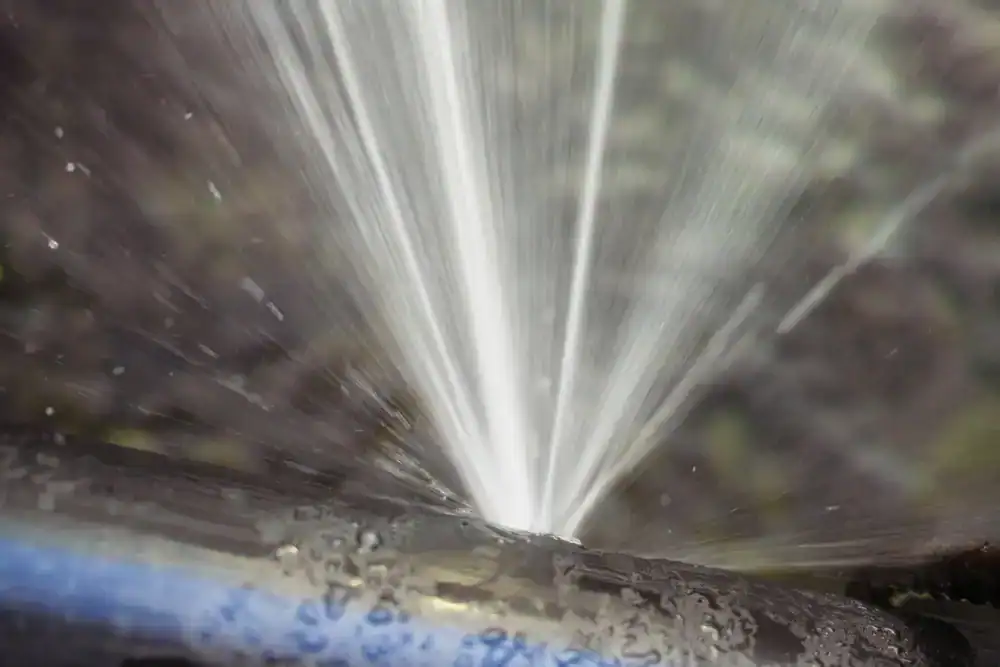
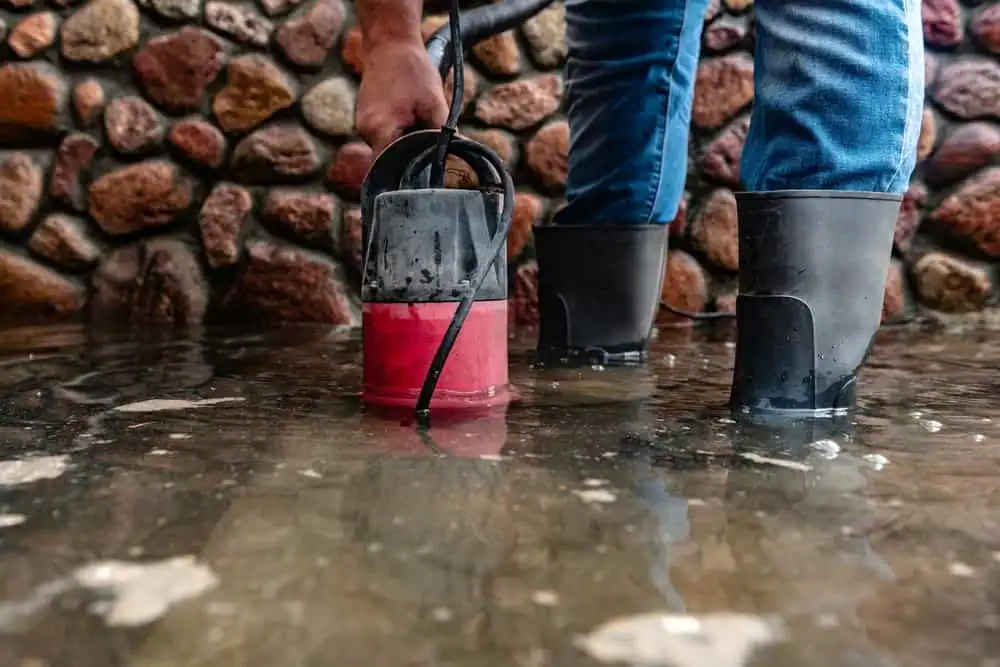
We respond 24/7 to burst pipe emergencies in Somers — handling extraction, drying, insurance, and full restoration so you don’t have to manage any of it alone.
I needed a professional consultation explanation of procedure for safe removal of Asbestos in my apartment complex. Without having an account yet, I was very impressed with the caring, knowledgeable and generous advice offered by Jessica, and will look forward to doing business in the future. Thank you so much! I feel much more informed about a sometimes scary endeavor. Peace. Nancy Silva Mineola, NY.
Mia Munoz
Used this company to clean up some water flood in my house. They were fast and easy to work with.very professional, Would recommend to anyone!
Nini Valle
Great company, had a flood and they responded quickly and efficiently. Billed my insurance company directly. I highly recommend this company!
joe colapietro, jr
I had pipe freeze in my basement right before a snow storm and they made to within an hour to help start the clean up process. They we by our side throughout the entire process and even helped with the insurance company. They did such a great job with the cleanup, repair, remidiation, I contracted them to perform the repairs and finishes in the basement. They came with enough manpower and material to get the job done. Leo and Jessica were nothing but a pleasure to deal with!!
Cristian Arredondo c
I had some water damage in my home and Green Island was able to take care of my issue quickly and effectively. I am very pleased with the work they did. They responded quickly and were very professional.
Michael M
Outstanding service! From the office to the field crew everyone was friendly, helpful and responsive. I highly recommend Green Island Group.
A burst pipe does not stop being a problem when the visible water is gone. Moisture moves into wall cavities, insulation, and subfloor material fast — and in Somers, where January and February regularly push temperatures well below freezing, freeze events hit hard and without much warning. By the time you find the damage, the clock on mold growth is already running. The EPA puts that window at 24 to 48 hours.
What you get when the job is done right is a home that is actually dry — not surface-dry, but structurally dry, documented, and cleared. No hidden moisture left in the walls. No mold starting behind the drywall two weeks later. For homeowners in Somers, where a significant portion of the housing stock was built during the IBM and PepsiCo development boom of the 1980s and 1990s, that original plumbing is now 30 to 40 years old. Pipes that have been through decades of northern Westchester winters are not the same pipes they were when the house was new.
If you own a unit in Heritage Hills, the stakes are even more specific. A pipe failure in a shared wall can affect multiple units at once. Getting a contractor who understands how to document and remediate a multi-unit loss — and who can work within the condo insurance framework — is a different thing entirely than calling whoever answers first. That difference shows up in the outcome.
12 Years Serving Somers and Northern Westchester — We Still Answer at 2 AM
We have been doing environmental restoration work in Westchester County for over 12 years. Not as a franchise. Not as a lead-generation service with a local area code. As a licensed, NYS and NYC M/WBE Certified contractor with a real operating history in this region — one that includes working directly with the NYS Office of General Services and carrying full liability and workers’ compensation insurance on every job.
Somers is not a town you can serve generically. The lake communities in Shenorock and Lincolndale have a different risk profile than a Heritage Hills condo off Route 202. A vacation home near Lake Purdys that sat unheated for two weeks has a different scope than a primary residence where the pipe was caught the same night. We know the difference, and we assess accordingly.
What homeowners in Somers consistently say after working with us is that the insurance process — the part they were dreading most — got handled. We document the loss in the format carriers require, communicate with your adjuster directly, and advocate for a complete claim. You focus on your household. We handle the rest.
From the Emergency Call to a Finished Home — Here Is Our Process
The first call triggers dispatch. It does not matter if it is midnight or a Sunday in February — someone picks up, and a crew gets moving. When we arrive, the first priority is stopping any active water source if that has not already been done, then assessing the full scope of the damage. That means checking wall cavities, flooring layers, insulation, and any adjacent spaces where water may have traveled. In older Somers homes, water moves further than it looks.
Once the assessment is complete, extraction and structural drying begin. Industrial-grade equipment pulls moisture from the air and from building materials simultaneously. Proper structural drying takes time, and we monitor it with moisture readings throughout, not just at the start. If the work requires opening walls, and it often does, we check for asbestos-containing materials before anything gets disturbed. In Heritage Hills units and homes built in the 1970s and early 1980s, that step is not optional — it is required under New York State law, and we handle it in-house.
When the structure is confirmed dry, reconstruction begins. Drywall, flooring, ceilings, trim — whatever was damaged gets rebuilt to match. The Town of Somers Building Department requires permits for structural repairs, and we handle that documentation as part of the project. By the time we are done, your home looks like the loss never happened — and you have the paperwork to prove the job was done correctly.
Everything the Job Requires — Under One Contractor
Burst pipe restoration in Somers covers more ground than most homeowners expect going in. It starts with emergency water extraction and structural drying, but it does not end there. Mold assessment and remediation, asbestos identification and abatement, full structural reconstruction, flooring replacement, and insurance documentation are all part of what a complete restoration actually requires. We handle every one of those steps directly — no subcontracting the abatement, no handing off the rebuild to a separate GC, no leaving the insurance paperwork to you.
The Croton Watershed geography that covers most of Somers adds an environmental layer to remediation work that out-of-area operators often overlook. Waste disposal and chemical treatments near watershed-adjacent properties carry specific requirements, and a contractor who does not know that is a liability, not a resource. We operate within those requirements as a matter of standard practice.
For homeowners facing a loss that exceeds their deductible or where the insurance claim is still being processed, we offer financing up to $200,000 at 0% APR. That means remediation starts immediately — not after the claim resolves. In a town where home values regularly exceed $700,000 and a delayed response can turn a manageable water loss into a full mold project, that option exists for a practical reason. Our 100% Satisfaction Guarantee backs every job we complete, regardless of scope.
What should I do first when a pipe bursts in my Somers home?
The first thing to do is shut off the water supply to stop the flow. If you do not know where your main shutoff is, find it now — before you need it. Once the water is off, call a restoration contractor immediately. Do not wait to see if it dries on its own, because it will not. Water moves into wall cavities, under flooring, and into insulation within minutes, and none of that is visible from the surface.
In Somers, where a significant share of homes were built in the 1980s and 1990s, the construction style often includes finished basements, carpeted lower levels, and insulated exterior walls — all of which hold moisture and create mold conditions quickly. The 24 to 48 hour mold growth window is real, and it starts from the moment water hits the structure, not from when you discover it. Getting professional extraction started the same night is not overcautious. It is the difference between a contained water loss and a mold remediation project.
Does homeowners insurance typically cover burst pipe damage in Somers, NY?
Most standard homeowners insurance policies cover sudden and accidental water damage from a burst pipe — meaning the pipe failed unexpectedly, not due to a slow leak that went unaddressed. That distinction matters, and it is one of the first things an adjuster will look at when reviewing your claim. The documentation your restoration contractor provides at the time of the loss is what establishes that the damage was sudden, which is why having an experienced contractor on-site early is important for the claim, not just the cleanup.
For Heritage Hills condo owners, the insurance picture is more layered. Damage that originates in a shared wall or common infrastructure may involve both your individual unit policy and the HOA’s master policy. Determining which policy covers what — and making sure both are properly notified and documented — requires a contractor who has worked in multi-unit environments before. We handle insurance communication directly, including with adjusters across multiple policies when a Heritage Hills loss affects more than one unit.
How quickly does mold start growing after a burst pipe in a Westchester home?
Mold can begin growing on wet building materials within 24 to 48 hours of a water intrusion event. That timeline applies regardless of the season, but it is especially relevant in Somers during winter months, when homes are closed up tightly and interior humidity from a water loss has nowhere to go. Warm, enclosed spaces with wet drywall and insulation are exactly the conditions mold needs to establish itself.
The part most homeowners do not expect is where the mold ends up. It does not grow on the surface you can see — it grows inside the wall assembly, behind the drywall, in the insulation, and along the framing. By the time it is visible, it has already been growing for a while. Professional moisture monitoring during the drying process is what catches this early. A contractor who packs up the dehumidifiers after two days and declares the job done without moisture readings is not finishing the job — they are just leaving.
Can a burst pipe in a Heritage Hills condo affect my neighbor's unit too?
Yes, and it happens more often than people expect. Heritage Hills is a large-scale condominium community with approximately 2,600 units, many of which share walls, ceilings, and plumbing infrastructure. When a pipe fails in a shared wall assembly, water does not stay on one side of the wall. It follows the path of least resistance — which often means into adjacent units, down through floor assemblies, and into units below.
When a loss crosses unit lines, the remediation becomes significantly more complex. You are now coordinating access to multiple units, working across multiple insurance policies, and documenting damage in a way that satisfies both individual unit owners and the HOA’s carrier. This is not a scenario where a generalist contractor or a national franchise with a template process is going to serve you well. We have experience working in multi-unit environments and understand how to manage the documentation, access coordination, and insurance communication that a Heritage Hills loss requires.
What happens if a pipe bursts in my Somers vacation home while I'm away?
A delayed-discovery water loss is one of the most expensive scenarios in residential restoration. In the lake communities around Somers — Shenorock, Lake Lincolndale, and Lake Purdys — a number of properties still function as seasonal or part-time residences. If a pipe bursts in an unoccupied home during a January cold snap and is not discovered for several days, you are no longer dealing with a water damage event. You are dealing with a Category 3 loss with active mold involvement and potentially compromised structural materials.
The scope assessment for a delayed-discovery loss is different from an immediately-reported one. We document the full extent of the damage — including secondary damage from mold growth that started during the delay — in a way that supports a complete insurance claim rather than a partial one. If your insurance carrier pushes back on the scope, having thorough documentation from a licensed contractor is what gives you leverage in that conversation. We also check for asbestos-containing materials before opening any walls in older lake community homes, many of which date to construction periods when asbestos was standard.
Do I need a permit to repair water damage in my Somers, NY home?
It depends on the scope of the repairs. Cosmetic work — repainting a wall, replacing a small section of flooring — typically does not require a permit. But if the restoration involves opening walls, replacing structural framing, reconstructing a ceiling, or doing any work that changes the building’s systems or structure, the Town of Somers Building Department requires a permit. This is not unique to Somers, but it is a step that unlicensed or out-of-area contractors frequently skip, which creates real problems for homeowners down the line.
An unpermitted repair becomes a disclosure issue when you sell the home. It can also complicate future insurance claims if a carrier’s inspector finds evidence of prior work that was not permitted. We handle permit documentation as part of the restoration project — we file what needs to be filed, coordinate inspections, and make sure the completed work meets the Town of Somers’ requirements. You do not need to manage that process on top of everything else a water loss involves.