When Your Southeast Pipe Bursts, Hours Are Everything
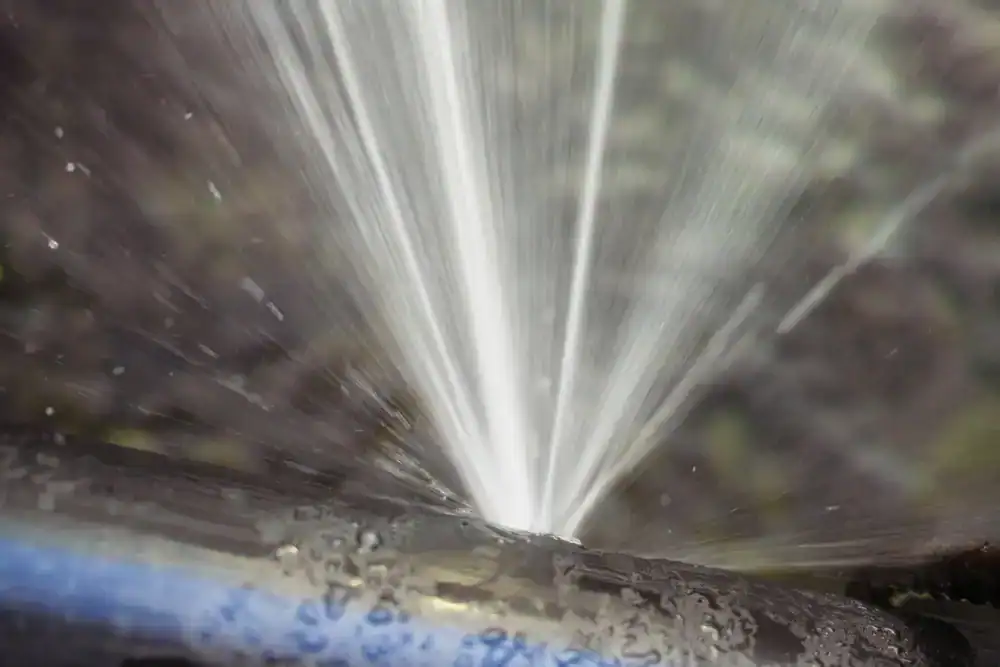
Water inside your walls doesn’t wait for business hours — and in Southeast, where January temperatures can drop to single digits, a burst pipe can go from bad to catastrophic before morning. We’ve responded to dozens of these calls in the Village of Brewster and the surrounding hamlets, and the homes that fare best are the ones where someone calls us first, not after trying to handle it alone.
I needed a professional consultation explanation of procedure for safe removal of Asbestos in my apartment complex. Without having an account yet, I was very impressed with the caring, knowledgeable and generous advice offered by Jessica, and will look forward to doing business in the future. Thank you so much! I feel much more informed about a sometimes scary endeavor. Peace. Nancy Silva Mineola, NY.
Mia Munoz
Used this company to clean up some water flood in my house. They were fast and easy to work with.very professional, Would recommend to anyone!
Nini Valle
Great company, had a flood and they responded quickly and efficiently. Billed my insurance company directly. I highly recommend this company!
joe colapietro, jr
I had pipe freeze in my basement right before a snow storm and they made to within an hour to help start the clean up process. They we by our side throughout the entire process and even helped with the insurance company. They did such a great job with the cleanup, repair, remidiation, I contracted them to perform the repairs and finishes in the basement. They came with enough manpower and material to get the job done. Leo and Jessica were nothing but a pleasure to deal with!!
Cristian Arredondo c
I had some water damage in my home and Green Island was able to take care of my issue quickly and effectively. I am very pleased with the work they did. They responded quickly and were very professional.
Michael M
Outstanding service! From the office to the field crew everyone was friendly, helpful and responsive. I highly recommend Green Island Group.
When a pipe lets go in your home, the visible water is rarely the whole problem. It’s what soaks into the wall cavity, pools under the subfloor, and saturates the insulation that causes the real damage — and in Southeast’s older housing stock, especially in the Village of Brewster where Victorian-era homes are common, those materials absorb and hold moisture in ways that modern construction doesn’t.
The 24-to-48-hour mold window is real. The EPA documents it. FEMA documents it. And in Southeast, where many properties sit near the town’s network of streams, reservoirs, and natural waterbodies — giving the ground a higher moisture baseline to begin with — that window can close faster than most homeowners expect. Getting the water out quickly and drying the structure completely isn’t just about avoiding mold. It’s about not turning a manageable remediation into a full demolition and rebuild.
What you get when we handle this right: walls that are genuinely dry — not just surface-dry — confirmed by thermal imaging and moisture meter readings, a documented drying log, and a home that’s fully reconstructed and finished before we leave. No open walls. No hand-off to a second contractor. No outstanding punch list.
We’ve been doing this work in Southeast and the Hudson Valley for over 12 years. That includes Putnam County homes — older village properties in Brewster, rural lots near the watershed reservoirs, and everything in between. Our team knows what galvanized pipes look like when they fail, knows what a crawl space in a high-water-table environment looks like after a freeze, and knows the Southeast Building Department’s permitting requirements for reconstruction work inside and out.
We hold NYS and NYC M/WBE certification — a government-administered credential, not a self-designation — and are licensed under New York State’s Article 32 for mold remediation, which is the specific license Putnam County’s own Department of Health directs residents to verify before hiring anyone. That’s not a coincidence. It’s the baseline you should expect from any contractor working in your home.
We’re fully insured, carry both liability and workers’ compensation coverage, and back every project with a 100% satisfaction guarantee.
It starts with a call — any time, any day. We run 24/7 emergency dispatch, meaning an actual crew gets mobilized, not a voicemail. In Southeast, where a pipe failure during a hard freeze can happen on New Year’s Day in five-degree weather — as local plumbers here have documented firsthand — response time is the variable that determines how much damage you’re actually dealing with.
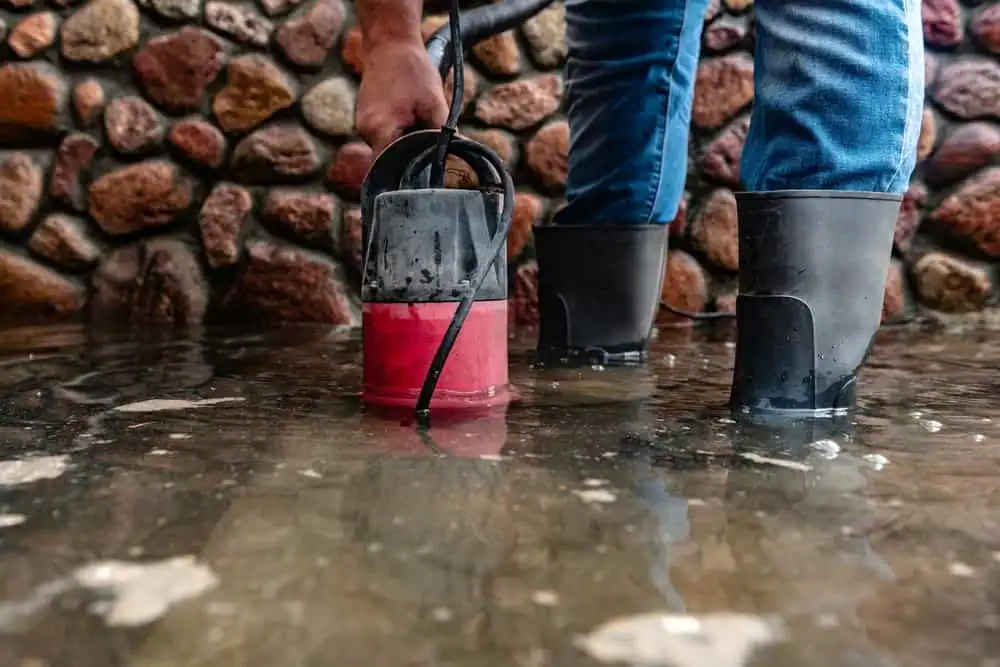
Once on site, our first step is stopping the water source and getting extraction equipment running. From there, we do a full moisture assessment using thermal imaging cameras and calibrated meters. This is how hidden water gets found — inside wall assemblies, under flooring, behind cabinets — before it has time to create a secondary mold problem. A drying plan gets built around what the readings actually show, not a generic timeline.
For Southeast homes built before 1980 — and there are many in the Brewster village core — that assessment also includes checking for asbestos-containing materials before any walls are opened. We handle abatement in-house, which means no scheduling gap between abatement and remediation, and no separate contractor to coordinate. After the structure is confirmed dry and cleared, reconstruction begins: drywall, flooring, paint, finish work. The project closes when the room looks the way it did before the pipe failed.
One Crew Handles What Most Companies Split Into Three
Most restoration companies in the Putnam County market stop at remediation. They extract the water, run the drying equipment, and leave you with open walls and a referral to a general contractor. We cover the full scope under one roof: emergency water extraction, structural drying, mold remediation, asbestos abatement when pre-1980 materials are involved, and complete reconstruction through finished surfaces.
For Southeast homeowners — many of whom commute south on I-684 to White Plains or take Metro-North into the city — managing two separate contractors on two separate timelines during a water damage event isn’t realistic. One point of contact, one insurance billing relationship, and one project close-out is how this should work. We also handle insurance claims directly: documenting damage in the format adjusters require, communicating with your carrier, and advocating for the full scope of what’s covered. Our customers have specifically named this as the most valuable part of working with us.
If your coverage is being disputed or your deductible creates a cash flow problem, we offer financing up to $200,000 at 0% APR — which means remediation can start immediately, before the insurance check clears. For Heritage Hills residents or anyone on a fixed income facing an unexpected restoration bill, that option matters.
Does homeowners insurance cover burst pipe damage in Southeast, NY?
In most cases, yes — sudden and accidental burst pipe damage is covered under standard homeowners insurance policies in New York. The key word is “sudden.” If an adjuster can argue the pipe had visible signs of corrosion or slow leaking that went unaddressed, coverage can be disputed. That’s why documentation matters from the moment the damage is discovered.
We work directly with insurance carriers and prepare damage documentation in the format adjusters expect — moisture readings, thermal imaging reports, scope of work, and drying logs. This matters especially in Southeast, where older homes in the Brewster village core may have aging galvanized plumbing that an adjuster could try to characterize as a pre-existing condition. Having a licensed contractor who knows how to document the damage accurately and completely is often the difference between a full settlement and a partial one.
How fast does mold grow after a pipe bursts in my Southeast home?
The EPA and FEMA both document that mold can begin colonizing wet building materials within 24 to 48 hours of water intrusion. That’s not a worst-case scenario — that’s the standard timeline under normal indoor conditions. In Southeast, where many properties sit near the town’s reservoirs, streams, and natural waterbodies, basements and crawl spaces often have a higher ambient moisture level to begin with, which can accelerate that window.
The other factor is hidden water. A pipe that bursts inside a wall cavity may leave the surface looking dry while insulation and framing behind it stay saturated for days. Without professional moisture mapping, you won’t know the true extent of the infiltration — and by the time mold becomes visible, you’re already dealing with a remediation project that’s significantly more involved than the original water damage response would have been. Speed and accuracy both matter here.
What should I do immediately after a pipe bursts in my Brewster home?
Shut off the water supply to the affected area or to the whole house if you’re not sure where the break is. If the water is near electrical outlets, panels, or fixtures, don’t enter the area until power to that zone is confirmed off. Document what you can see with photos before anything is moved or cleaned up — that documentation supports your insurance claim.
Then call a licensed restoration contractor, not just a plumber. A plumber fixes the pipe. They don’t perform structural drying, moisture mapping, or mold remediation — and in Southeast’s older homes, particularly those in the Village of Brewster with original wall assemblies and insulation, the pipe repair is often the smallest part of the job. The water that migrated into the structure before the pipe was shut off is the real problem, and addressing it requires equipment and expertise that a plumbing company doesn’t carry.
Do I need a licensed contractor for mold remediation in Putnam County?
Yes — and this is something Putnam County’s own Department of Health makes explicit. Their website directs residents to verify that any mold remediation company holds a valid New York State Department of Labor license under Article 32 before work begins. This isn’t just a formality. Hiring an unlicensed mold remediator creates legal liability for you as the homeowner and can complicate future property sales if remediation was performed without proper licensing and documentation.
We hold the required NYS Mold Remediation Contractor License and have operated under Article 32 compliance throughout our 12-plus years in business. In a local search landscape where several companies marketing to Southeast residents are based out of state or are not verifiably licensed in New York, this is a meaningful distinction — not a minor credential detail.
Why is burst pipe damage in older Southeast homes more complicated to restore?
Homes in the Village of Brewster and the established hamlets of Southeast — Brewster Heights, Deans Corners, Doansburgh — include a significant number of properties built in the late 19th and early 20th centuries. These homes frequently have galvanized steel plumbing operating well beyond its 40-to-70-year designed service life, original wall assemblies with dense insulation that retains moisture, and drainage configurations that don’t meet modern standards.
The additional complication in pre-1980 construction is asbestos. Pipe insulation, floor tiles, ceiling tiles, and joint compound in homes built before 1980 may contain asbestos-containing materials. When burst pipe remediation requires opening walls, disturbing those materials without proper abatement is a legal violation under New York State law and a genuine health risk. We handle asbestos abatement in-house, which means no scheduling gap, no separate contractor, and no legal exposure for you as the homeowner.
How long does burst pipe restoration take from start to finish in Southeast?
The honest answer depends on the scope of the damage, but here’s a realistic breakdown. Emergency extraction and initial drying setup typically happens within hours of the call. The structural drying phase — running commercial air movers and dehumidifiers until moisture readings return to acceptable levels — generally takes three to five days, though larger homes or properties with significant hidden water infiltration can run longer. Final clearance requires a moisture meter confirmation, not a calendar guess.
Reconstruction timing depends on what was damaged: drywall replacement and painting in a single room might take a day or two after drying is confirmed. More extensive damage involving flooring, framing, or multiple rooms takes longer. In Southeast, any structural reconstruction work requires permits from the Southeast Building Department at 1 Main Street in Brewster — we manage that permitting process as part of the project, so you’re not chasing paperwork while trying to get your home back to normal.