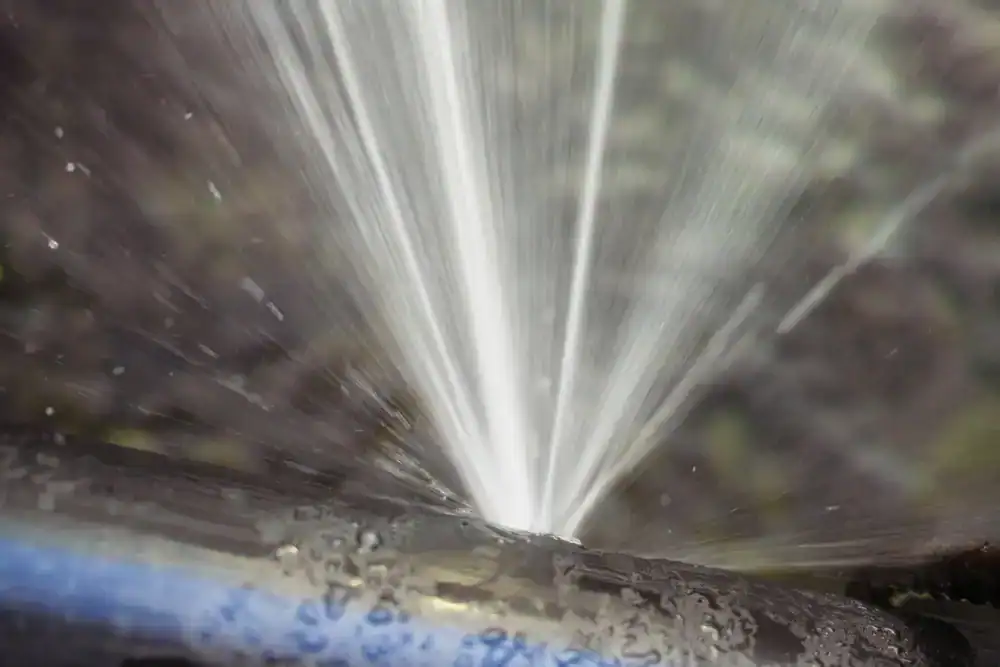
In Spring Valley’s multifamily buildings, a burst pipe isn’t one household’s problem — we stop the damage before it spreads through the walls to your neighbors.
I needed a professional consultation explanation of procedure for safe removal of Asbestos in my apartment complex. Without having an account yet, I was very impressed with the caring, knowledgeable and generous advice offered by Jessica, and will look forward to doing business in the future. Thank you so much! I feel much more informed about a sometimes scary endeavor. Peace. Nancy Silva Mineola, NY.
Mia Munoz
Used this company to clean up some water flood in my house. They were fast and easy to work with.very professional, Would recommend to anyone!
Nini Valle
Great company, had a flood and they responded quickly and efficiently. Billed my insurance company directly. I highly recommend this company!
joe colapietro, jr
I had pipe freeze in my basement right before a snow storm and they made to within an hour to help start the clean up process. They we by our side throughout the entire process and even helped with the insurance company. They did such a great job with the cleanup, repair, remidiation, I contracted them to perform the repairs and finishes in the basement. They came with enough manpower and material to get the job done. Leo and Jessica were nothing but a pleasure to deal with!!
Cristian Arredondo c
I had some water damage in my home and Green Island was able to take care of my issue quickly and effectively. I am very pleased with the work they did. They responded quickly and were very professional.
Michael M
Outstanding service! From the office to the field crew everyone was friendly, helpful and responsive. I highly recommend Green Island Group.
The moment a pipe lets go inside a Spring Valley duplex or garden apartment, water doesn’t stay put. It moves through shared walls, drops through floor-ceiling assemblies, and starts soaking into the building materials below. By the time you’ve shut off the water and called someone, the clock on mold growth is already running — and the EPA is clear that 24 to 48 hours is all it takes for mold to take hold on wet drywall and framing.
What you need is someone who shows up that same night, pulls the water out with commercial-grade extraction equipment, and starts the structural drying process before that window closes. Not someone who schedules you for Tuesday. Getting the moisture out fast is what keeps a manageable water damage job from turning into a full mold remediation project — which costs significantly more and displaces your household or your tenants for far longer.
A lot of Spring Valley’s housing stock was built in the 1950s, 60s, and early 70s. That era of construction means galvanized steel pipes that are at or beyond the end of their designed lifespan, and building materials that may contain asbestos in floor tiles, ceiling tiles, or pipe insulation. When the repair work requires opening walls in a building like that, you need a contractor who can handle what’s behind the drywall — not one who stops work and sends you to find someone else.
We’ve been doing environmental restoration work in the Hudson Valley and Rockland County for over 12 years. That means we’ve worked inside the postwar apartment buildings off Fletcher Road in Spring Valley, navigated the dual-permit landscape that comes with properties straddling the Ramapo-Clarkstown boundary, and dealt with the specific building materials that show up when you open a wall in a 1960s Spring Valley multifamily unit.
We hold a New York State Mold Remediation Contractor License under Article 32, carry full liability insurance and workers’ compensation, and are NYS and NYC M/WBE Certified — a credential that requires actual government vetting, not just a paid membership. That matters when you’re a landlord trying to protect a multi-unit building, or a homeowner who needs documentation that holds up when you sell or refinance.
We also work directly with insurance carriers on your behalf. The documentation, the adjuster communication, the claims navigation — that’s part of the job, not an add-on. If your coverage has gaps or the check is delayed, we offer financing up to $200,000 at 0% APR so the work doesn’t have to wait.
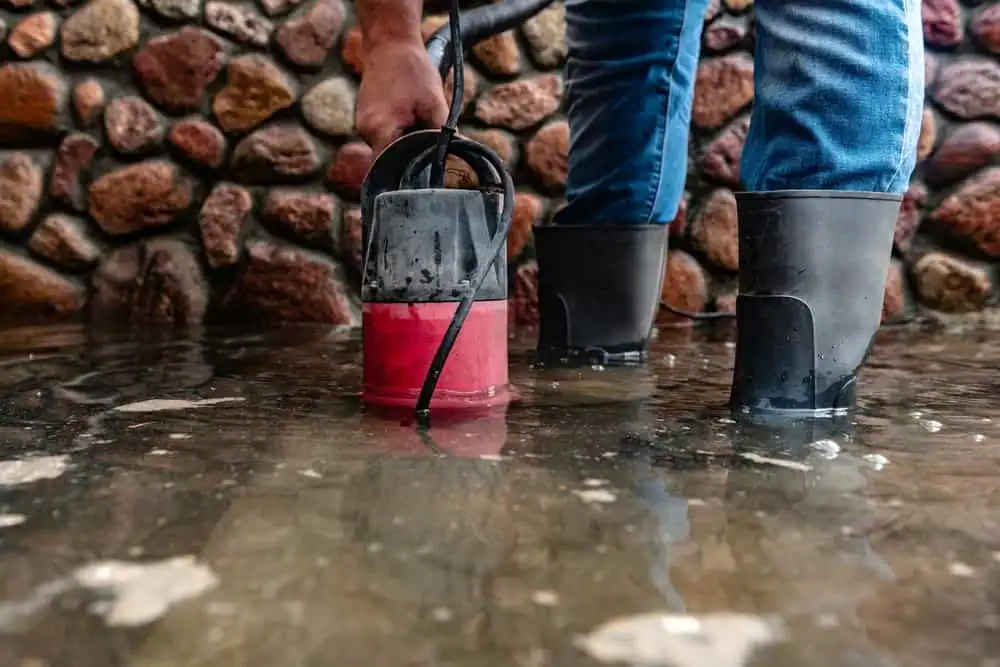
When you call our 24/7 emergency line, a crew gets dispatched — not an answering service, not a callback the next morning. We arrive with commercial extraction equipment, thermal imaging cameras, and calibrated moisture meters. The first job is stopping the spread: pulling standing water, identifying how far moisture has traveled through walls and floors, and setting up industrial drying equipment to begin the structural drying process immediately.
Once the structure is dry and moisture levels are confirmed with instrumentation, we assess what’s behind the walls. In Spring Valley’s older multifamily buildings, that sometimes means encountering pipe insulation or floor tiles that require asbestos testing before the work can continue. Because we handle abatement in-house, that doesn’t stop the project — it gets addressed and documented properly, then the work moves forward.
If mold has already started — which happens when a pipe failure goes undetected for a day or two — we handle remediation under our NYS Article 32 license before reconstruction begins. Properties in Spring Valley that straddle the Ramapo-Clarkstown town line may require permits from one or both municipalities for structural repair work. We handle that coordination as part of the project. When the remediation is complete, reconstruction brings the space back to its pre-loss condition. One contractor, beginning to end.
Every Phase Covered — Including the One You Didn't Expect
Burst pipe repair in Spring Valley isn’t a single service — it’s a sequence. Emergency water extraction comes first. Then structural drying using commercial dehumidifiers and air movers, with moisture mapping to confirm the building is actually dry and not just surface-dry. If mold is present, we provide licensed remediation. If the walls contain asbestos-bearing materials — a real possibility in the postwar construction that makes up a significant portion of Spring Valley’s housing stock — our in-house abatement handles it without bringing the project to a halt.
After remediation, full structural reconstruction returns the space to its original condition. That means drywall, flooring, painting, and whatever else the water damaged. You don’t coordinate a second contractor. You don’t manage a handoff. We handle the entire project from extraction to finished space.
Throughout the entire process, we document the damage and communicate directly with your insurance carrier. For Spring Valley landlords managing rental units — where the question of whose policy applies can slow everything down — having a restoration company that understands how to navigate that conversation is genuinely useful. For homeowners who’ve never filed a claim like this before, it removes the most stressful part of an already stressful event. And for anyone facing a gap between what insurance covers and what the job costs, we offer 0% APR financing up to $200,000 so the project keeps moving without forcing a difficult financial decision in the middle of a crisis.
Does renters insurance actually cover burst pipe damage in Spring Valley apartments?
Renters insurance typically covers your personal belongings if they’re damaged by a burst pipe — furniture, electronics, clothing — but it generally does not cover the structural damage to the unit itself. That falls on the landlord’s property insurance. The division of responsibility can get complicated quickly in Spring Valley’s multifamily buildings, where one pipe failure can damage multiple units and trigger questions about which policy applies to which loss.
The practical issue is that disputes between tenant and landlord insurance carriers can delay the start of remediation. Every day that water sits in wall cavities and floor assemblies is a day closer to mold growth. We can begin the emergency work immediately while the insurance question gets sorted out — we work directly with carriers on both sides and document the damage in a way that supports clean claims for everyone involved. If coverage gaps create a cash flow problem in the meantime, our 0% APR financing keeps the project moving.
How fast does mold actually grow after a pipe bursts in a building?
Mold can begin growing on wet building materials within 24 to 48 hours of water intrusion — that’s documented by the EPA and FEMA. In a single-family home, that window affects one household. In Spring Valley’s multifamily housing stock, where water travels through shared walls and floor-ceiling assemblies, that same window can affect two, three, or four units simultaneously.
The materials that are most vulnerable are also the most common in Spring Valley’s postwar construction: drywall, wood framing, and the paper-faced insulation inside wall cavities. These materials absorb moisture quickly and hold it, creating ideal conditions for mold growth even after the surface appears dry. Professional extraction and structural drying with commercial equipment — not fans and dehumidifiers from a hardware store — is what actually closes that window. Getting a crew there the same night a pipe fails is the difference between a water damage job and a mold remediation project.
Who handles the insurance claim when a pipe bursts in my Spring Valley home?
We handle it directly with your carrier. That means we document the damage in the format insurance adjusters require — moisture readings, thermal imaging, written scope of loss — and communicate with the adjuster throughout the process on your behalf. You don’t have to figure out what to photograph, what to say, or how to respond when the adjuster’s estimate comes in lower than the actual scope of work.
This matters especially in Spring Valley, where a significant number of homeowners are first-generation property owners or recent buyers who haven’t navigated a major property insurance claim before. The claims process can feel adversarial when you’re dealing with it alone in the middle of a stressful situation. Having a restoration company that knows how to document and present a loss — and that has existing relationships with major carriers — means your claim is more likely to be paid fully and processed faster. If there’s a gap between what insurance covers and what the job costs, our 0% APR financing bridges it without forcing you to delay the work.
Do I need a permit to repair water damage in Spring Valley, NY?
It depends on the scope of the work and exactly where your property sits. Spring Valley straddles the border of two towns — Ramapo and Clarkstown — and permit requirements for structural repair work can vary depending on which municipality your property falls under. Work that involves opening walls, replacing structural framing, or restoring flooring after water damage typically requires a building permit and inspection in both jurisdictions.
This is one of the reasons it matters to hire a contractor who actually knows the local permit landscape rather than one operating from a national template. We’ve worked in Spring Valley for over 12 years and understand which side of the boundary a property is on and what that means for the permitting process. We handle the permit coordination as part of the project — you don’t have to figure out whether you’re filing with Ramapo or Clarkstown or both. Having properly permitted work also protects you at resale, since unpermitted structural repairs can create title and disclosure issues down the line.
What's the difference between a plumber and a water damage restoration company for a burst pipe?
A plumber fixes the broken pipe — they stop the water. A water damage restoration company handles everything that happens after the water has been flowing: extraction, structural drying, moisture mapping, mold remediation if needed, and reconstruction. These are two completely different scopes of work, and most plumbers don’t do the restoration side.
Where Spring Valley homeowners and landlords sometimes get into trouble is assuming that once the pipe is fixed, the problem is solved. The water that was already in the walls, under the floors, and inside the building cavities doesn’t go away on its own — at least not before mold starts. In a multifamily building where the water may have traveled to units below or adjacent, the scope of what needs to be dried and remediated can be significantly larger than what’s visible. We handle the full restoration side: we come in after the plumber has fixed the pipe, or we coordinate with a plumber if needed, and we take the job from wet structure to finished, dried, and reconstructed space.
How much does burst pipe water damage restoration cost in Rockland County?
The range is wide because the scope varies significantly depending on how long the water was flowing, how far it traveled, and what it touched. A contained burst in a single unit with fast response can run in the $3,000 to $8,000 range for extraction, drying, and minor reconstruction. A pipe failure that went undetected for a day or two in a Spring Valley multifamily building — where water has traveled to multiple units and mold has started in wall cavities — can reach $20,000 to $40,000 or more once remediation and full reconstruction are included.
The single biggest cost driver is response time. Water that’s extracted and dried within hours of a pipe failure stays a water damage job. Water that sits for 48 to 72 hours in a building with shared walls and postwar construction materials becomes a mold problem, and mold remediation adds substantial cost on top of the restoration work. That’s the real reason 24/7 emergency response matters — not as a convenience, but as the most direct way to keep the total cost of the event as low as possible. We offer financing up to $200,000 at 0% APR for situations where insurance timing or coverage gaps create a cash flow problem before the work can begin.