When a Pipe Bursts in Stony Point, We Respond Before the Damage Spreads
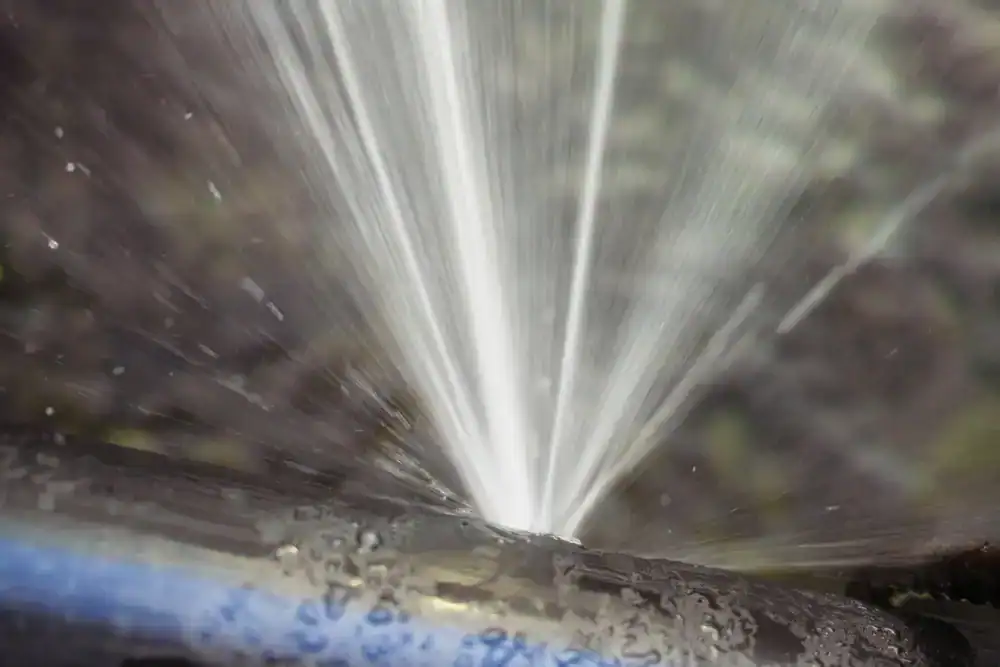
When a pipe bursts in an older Stony Point home, the damage spreads fast — into walls, subfloors, and insulation built decades ago. We respond 24/7 and handle everything, from emergency water extraction to full structural restoration. We don’t hand off to other contractors or leave gaps in the process. We do the whole job.
I needed a professional consultation explanation of procedure for safe removal of Asbestos in my apartment complex. Without having an account yet, I was very impressed with the caring, knowledgeable and generous advice offered by Jessica, and will look forward to doing business in the future. Thank you so much! I feel much more informed about a sometimes scary endeavor. Peace. Nancy Silva Mineola, NY.
Mia Munoz
Used this company to clean up some water flood in my house. They were fast and easy to work with.very professional, Would recommend to anyone!
Nini Valle
Great company, had a flood and they responded quickly and efficiently. Billed my insurance company directly. I highly recommend this company!
joe colapietro, jr
I had pipe freeze in my basement right before a snow storm and they made to within an hour to help start the clean up process. They we by our side throughout the entire process and even helped with the insurance company. They did such a great job with the cleanup, repair, remidiation, I contracted them to perform the repairs and finishes in the basement. They came with enough manpower and material to get the job done. Leo and Jessica were nothing but a pleasure to deal with!!
Cristian Arredondo c
I had some water damage in my home and Green Island was able to take care of my issue quickly and effectively. I am very pleased with the work they did. They responded quickly and were very professional.
Michael M
Outstanding service! From the office to the field crew everyone was friendly, helpful and responsive. I highly recommend Green Island Group.
A burst pipe isn’t just a plumbing problem. Once water gets into the wall cavities and subfloor of a home built in the 1950s or 1960s — which describes a large portion of Stony Point’s housing stock — it doesn’t just sit there. It wicks into framing, saturates insulation, and creates conditions for mold growth that you won’t see until it’s a much bigger problem. The EPA documents that mold can begin growing within 24 to 48 hours of a water intrusion event. That window is not flexible.
When the job is done right, you’re not just dry — you’re structurally sound, tested to IICRC moisture standards, and not sitting on a hidden mold problem that surfaces six months later when you’re trying to sell or refinance. For Stony Point homeowners dealing with mid-century construction, that matters more than it would in a newer build. Older wall assemblies hold moisture differently, and surface dryness is not the same as structural dryness.
The July 2023 flooding that cut off Route 9W and left parts of Stony Point isolated by road damage was a reminder that water damage in this community isn’t always a slow leak — sometimes it’s sudden, widespread, and complicated by the fact that not every contractor can get to you quickly. Having a restoration team that knows this area, knows the road network, and actually dispatches at 2 AM is the difference between a contained event and a structural loss.
12 Years Serving Stony Point and Northern Rockland — Every License Earned
We’ve been doing this work in Rockland County and the broader Hudson Valley for more than 12 years. Not as a franchise running templated processes from a call center, but as a fully licensed, government-vetted restoration contractor that has handled the specific challenges this region produces — older homes, complicated insurance claims, and conditions that change fast.
We hold NYS and NYC M/WBE certification — a credential that requires documentation, audit, and state review, not a logo you buy. We’ve also been awarded contracts through the NYS Office of General Services, which means we’ve passed procurement standards that most private contractors are never required to meet. That level of accountability doesn’t happen by accident.
For Stony Point residents — whether you’re in the main hamlet off Route 9W, out in Tomkins Cove, or in one of the older neighborhoods near Thiells — you’re not getting a crew that’s learning your home type on the job. You’re getting a team that has seen what burst pipes do to pre-1980 construction in northern Rockland, and knows how to fix it correctly the first time.
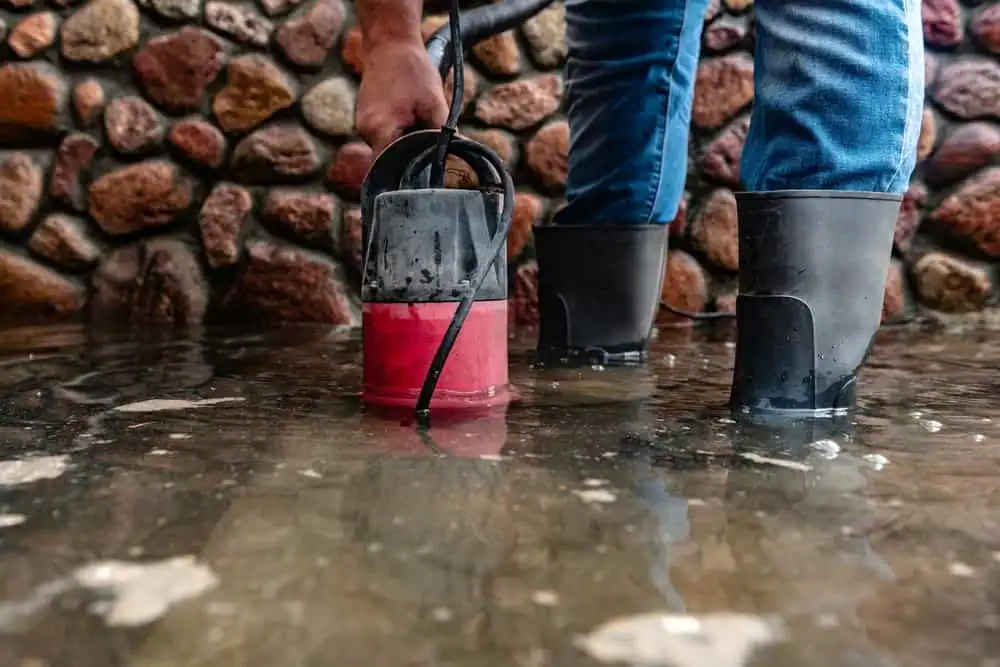
The process starts the moment you call. Our emergency line is live 24/7 — not a voicemail, not an answering service. A crew gets dispatched to your Stony Point address, whether that’s off Route 9W, up in Tomkins Cove, or anywhere in between. The first priority on arrival is stopping the spread: water extraction, containment, and an immediate moisture assessment using calibrated meters and thermal imaging to find water that’s already moved into areas you can’t see.
Before any walls get opened in a home built before 1980 — which covers more than half of Stony Point’s housing stock — we assess for asbestos-containing materials. This isn’t optional. New York State regulates asbestos abatement under the NYS Department of Labor’s Asbestos Safety and Training Program, and opening walls in older construction without proper testing and handling is both a legal issue and a health risk. We handle abatement in-house, which means there’s no scheduling gap, no second contractor to coordinate, and no delay in getting the remediation started.
From there, the process moves through structural drying with daily moisture readings, mold remediation if needed, and full reconstruction — drywall, flooring, trim, whatever the pipe damage required. The job ends when your home looks and functions the way it did before the pipe failed, not when the dehumidifiers get picked up and the walls are still open.
Most of what makes burst pipe repair complicated in Stony Point comes down to the housing stock. Homes built in the 1950s and 1960s — which make up a significant share of the town’s single-family inventory — were typically plumbed with galvanized steel pipe. Those pipes are now 60 to 75 years old, often corroded, narrowed by mineral buildup, and far more susceptible to freezing and rupture than modern copper or PEX plumbing. When they fail, they tend to fail completely, releasing significant water into wall assemblies that weren’t built with modern moisture barriers.
Our full-service model covers every phase: emergency extraction, structural drying documented with daily readings, asbestos assessment and abatement in pre-1980 homes, licensed mold remediation under New York State’s Article 32 requirements, and complete structural reconstruction. There’s no handoff to a second contractor, no gap between remediation and rebuild, and no point where you’re left managing the process yourself.
We also work directly with insurance carriers — documenting damage in the format adjusters require, communicating throughout the claim process, and advocating for what the scope of work actually demands. For Stony Point homeowners who watched neighbors navigate complicated insurance disputes after the 2023 flooding, this part of the service is not a minor detail. And for situations where insurance falls short or the out-of-pocket cost is significant, we offer financing up to $200,000 at 0% APR — so acting immediately doesn’t have to wait on a check.
How quickly does mold start growing after a burst pipe in Stony Point?
The EPA and FEMA both document that mold can begin growing on wet building materials within 24 to 48 hours of a water intrusion event. That timeline is not approximate — it’s a real operational deadline. In Stony Point’s older housing stock, where many homes were built in the 1950s and 1960s with wall assemblies that include wood framing, plaster, and older insulation materials, moisture moves into porous surfaces quickly and doesn’t dry on its own.
What makes this more complicated in older construction is that surface dryness is misleading. A wall can feel dry to the touch while the framing behind it is still well above the moisture threshold for mold growth. Professional moisture mapping with calibrated meters is the only way to confirm that a structure is actually dry — not just dry on the surface. Calling us within hours of a burst pipe, rather than waiting to see how things look in the morning, is the single most important decision you can make for limiting the scope and cost of the damage.
Does homeowners insurance typically cover burst pipe water damage in Stony Point?
In most cases, yes — standard homeowners insurance policies cover sudden and accidental water damage from a burst pipe. What they typically don’t cover is damage that results from long-term neglect, gradual leaks, or flooding from an external source. The distinction matters, and it’s one that insurance adjusters look at closely when evaluating claims in Stony Point and throughout Rockland County.
The practical challenge for many homeowners is documentation. Adjusters need evidence of the scope of damage — moisture readings, photos, affected material inventories — and the quality of that documentation directly affects how the claim is settled. We handle this process directly, providing the documentation adjusters require and communicating with the carrier throughout the claim. After the 2023 flooding in Stony Point generated widespread insurance disputes across the community, many residents learned firsthand that having a restoration contractor who knows how to navigate the claims process is as important as the restoration work itself. If you’re unsure what your policy covers, we can help you understand the scope before work begins.
Do I need asbestos testing before burst pipe repairs in an older Stony Point home?
If your home was built before 1980, the honest answer is yes — and in New York State, it’s not just a recommendation. The NYS Department of Labor’s Asbestos Safety and Training Program requires licensed contractors and certified workers for any asbestos abatement work, and disturbing asbestos-containing materials without proper handling is a violation of state law. In Stony Point, where more than 53% of homes were built before 1980, this applies to a majority of the town’s housing stock.
Asbestos was commonly used in pipe insulation, floor tiles, ceiling tiles, and joint compound during the postwar construction era — exactly the materials that get disturbed when walls are opened for burst pipe remediation. Most restoration companies either skip this step (creating legal and health liability) or subcontract it to a separate abatement firm, which adds scheduling delays and extends the time water sits in the structure. We perform asbestos assessment and abatement in-house, which means this step is handled correctly without adding a second contractor or a gap in the remediation timeline.
What is the difference between a plumber and a water damage restoration company?
A plumber fixes the pipe. A water damage restoration company addresses everything the water did after it left the pipe. These are two separate scopes of work, and in a burst pipe situation, you typically need both — but in sequence, and with a clear understanding of where one job ends and the other begins.
The plumber’s job is to stop the source: repair or replace the failed pipe section so water stops flowing. Our job starts after that — extracting standing water, mapping moisture throughout the structure, drying the affected areas to documented standards, testing for and remediating mold, and rebuilding whatever was damaged. In Stony Point’s older homes, where a burst galvanized pipe can release significant water into wall cavities before it’s even noticed, the restoration scope is often larger than it appears on the surface. Calling us at the same time you call a plumber — or immediately after — ensures that the drying process starts as close to the event as possible, which directly limits the final scope and cost of the damage.
How much does burst pipe water damage repair typically cost in Stony Point, NY?
The cost range is wide because the scope of damage varies significantly depending on how long the water sat, what materials it reached, and whether mold remediation or reconstruction is involved. A contained burst pipe caught quickly in a single room might run $3,000 to $8,000. A pipe that went undetected overnight in a finished basement or interior wall cavity of an older home — the kind of scenario that’s common in Stony Point’s mid-century ranches and split-levels — can reach $15,000 to $30,000 or more when structural drying, mold remediation, and full reconstruction are included.
The most important cost factor you can control is response time. Every additional hour that water sits in the structure adds to the scope of the remediation. Homes built in the 1950s and 1960s, which make up a significant portion of Stony Point’s housing inventory, tend to have more porous wall assemblies and older insulation that absorbs and holds moisture longer than modern construction. For situations where insurance coverage falls short or the out-of-pocket cost is significant, we offer financing up to $200,000 at 0% APR — so cost doesn’t become a reason to delay acting.
Why does Green Island Group serve Stony Point specifically, given how rural and spread out the town is?
Stony Point is genuinely different from the rest of Rockland County — more spread out, more rural, with state parkland covering about 64% of the town’s land area and road access that can be limited, especially in areas like Tomkins Cove or along the back roads off Route 210. The 2023 flooding that temporarily closed Route 9W and cut off parts of the town made clear that geographic isolation is a real factor here, not just a description. A restoration company that doesn’t know the area or isn’t willing to navigate it at 2 AM isn’t actually available when you need them.
We serve Stony Point because the town’s housing stock — heavily concentrated in the pre-1980 construction era — is exactly where our full-service model matters most. Older homes with aging galvanized plumbing, potential asbestos-containing materials, and wall assemblies that hold moisture differently than modern construction require a contractor who can handle the full scope: extraction, drying, abatement if needed, mold remediation, and reconstruction. That’s not a combination most restoration companies offer under one roof. For Stony Point residents, having a single licensed contractor who handles every phase — and who actually shows up when called — is the practical answer to what this town’s homes actually require.