When a Pipe Bursts in a 1950s Thornwood Home, Every Hour Matters
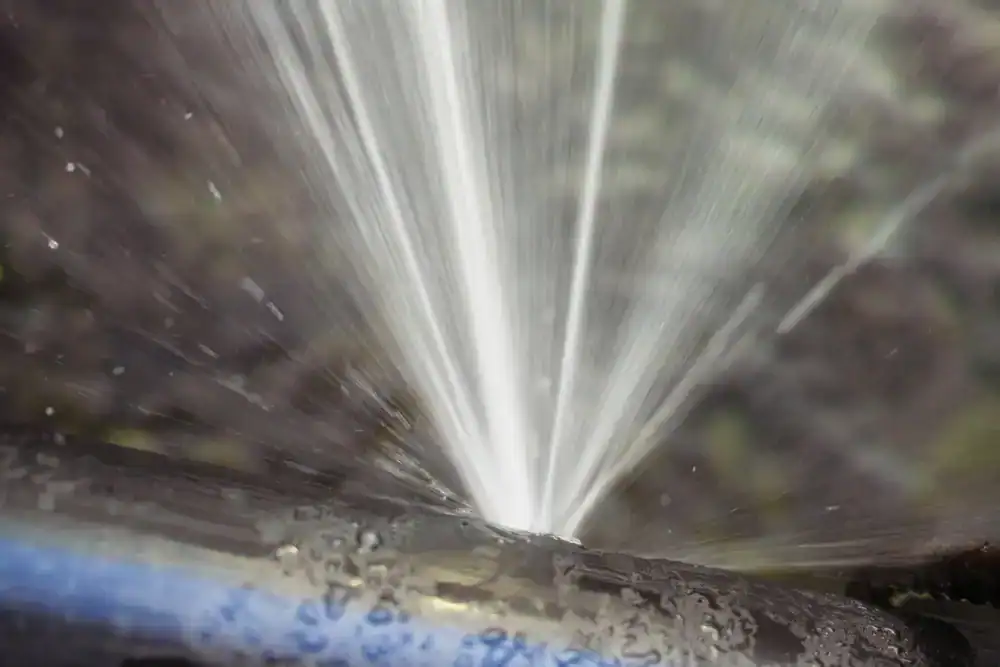
Water doesn’t wait, and neither should we. Green Island Group responds 24/7 to burst pipe emergencies in Thornwood—handling everything from extraction to full reconstruction, including asbestos abatement in the older homes that define this neighborhood.
I needed a professional consultation explanation of procedure for safe removal of Asbestos in my apartment complex. Without having an account yet, I was very impressed with the caring, knowledgeable and generous advice offered by Jessica, and will look forward to doing business in the future. Thank you so much! I feel much more informed about a sometimes scary endeavor. Peace. Nancy Silva Mineola, NY.
Mia Munoz
Used this company to clean up some water flood in my house. They were fast and easy to work with.very professional, Would recommend to anyone!
Nini Valle
Great company, had a flood and they responded quickly and efficiently. Billed my insurance company directly. I highly recommend this company!
joe colapietro, jr
I had pipe freeze in my basement right before a snow storm and they made to within an hour to help start the clean up process. They we by our side throughout the entire process and even helped with the insurance company. They did such a great job with the cleanup, repair, remidiation, I contracted them to perform the repairs and finishes in the basement. They came with enough manpower and material to get the job done. Leo and Jessica were nothing but a pleasure to deal with!!
Cristian Arredondo c
I had some water damage in my home and Green Island was able to take care of my issue quickly and effectively. I am very pleased with the work they did. They responded quickly and were very professional.
Michael M
Outstanding service! From the office to the field crew everyone was friendly, helpful and responsive. I highly recommend Green Island Group.
What Changes When the Water Is Gone and the Walls Are Back Together
A burst pipe in Thornwood isn’t just a plumbing problem. Once water gets into the wall cavities, subfloor, and insulation of a home built in the 1940s or 1950s, you’re on a clock. The EPA documents that mold can begin growing within 24 to 48 hours of a water intrusion event. In a home with original wood framing and plaster walls that have been absorbing seasonal moisture for decades, that window is not theoretical—it’s the timeline your decisions are measured against.
When the job is done right, you’re not just dry. You’re back to normal. Floors are replaced, walls are closed, and the room looks the way it did before the pipe ever failed. That matters in Thornwood, where the median home value sits around $662,000 and the investment you’ve made in your property is real. A half-finished restoration with open walls and a dehumidifier running in the corner is not an outcome—it’s a handoff to a second contractor you now have to find, vet, and schedule yourself.
The other thing that changes is the insurance headache. Burst pipe claims in older Westchester homes can run $30,000 to $50,000 or more, especially when aging infrastructure reveals deferred issues once the walls are open. We work directly with your carrier, document everything in the format adjusters require, and advocate for your full scope of coverage—so you’re not left navigating that process alone while your home is still mid-restoration.
12 Years Serving Thornwood and Westchester—We Know What's Behind These Walls
We’ve been serving Westchester County for over 12 years, and that means we’ve worked inside the 1940s and 1950s construction that makes up the bulk of Thornwood’s housing stock—the galvanized steel supply lines that are now well past their designed service life, the horsehair plaster, the uninsulated exterior wall cavities that freeze when temperatures drop hard in central Westchester. This isn’t work we’re reading from a checklist. It’s work we’ve done many times over in homes just like yours throughout Thornwood and the surrounding area.
We’re NYS and NYC M/WBE Certified—a government-audited credential, not a self-applied badge. We also hold contracts with the NYS Office of General Services, which means we’ve passed the procurement standards the State of New York applies to contractors working on public properties. For a Thornwood homeowner doing due diligence before handing over the keys during a stressful situation, that’s a level of third-party vetting that most local restoration companies simply can’t offer.
From Your Emergency Call to a Finished Room—Here's the Full Picture
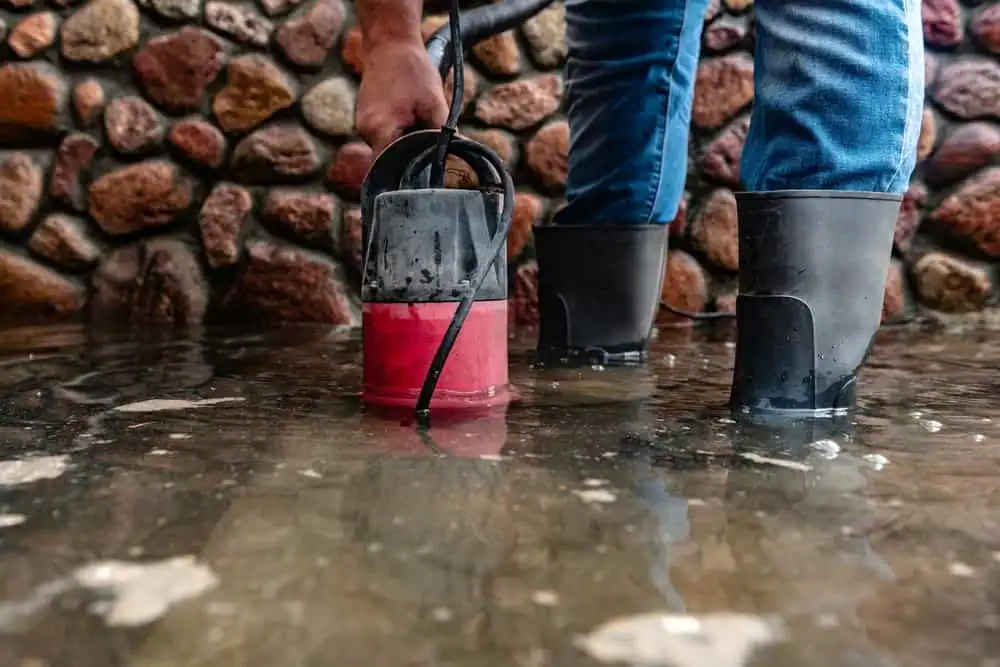
It starts the moment you call. We dispatch a crew 24 hours a day, 7 days a week—not an answering service, not a callback promise. Someone picks up, and a team gets moving. When we arrive, the first priority is stopping the water source if it hasn’t been stopped already, then immediately beginning extraction to pull standing water out of the affected areas before it wicks further into the structure.
From there, the focus shifts to structural drying. We place industrial air movers and dehumidifiers strategically throughout the affected space, and we take moisture readings throughout the drying process to document progress and confirm that hidden moisture in wall cavities and subfloor assemblies is actually being addressed—not just the surface. In Thornwood’s older homes, this step matters more than most people realize. A 1952 colonial on a street off Commerce Street has framing and insulation that can hold moisture far longer than newer construction, and surface dryness doesn’t tell the whole story.
Before any reconstruction begins, if the damage requires opening walls or disturbing flooring materials in a pre-1980 home, we assess for asbestos-containing materials. We handle abatement in-house under the NYS Asbestos Safety and Training Program—no separate contractor, no scheduling gap, no project pause. Once the space is cleared and dry, reconstruction begins: drywall, flooring, paint, trim—back to finished condition. The Town of Mount Pleasant handles permitting for structural work in Thornwood, and we manage that process as part of the job.
Full-Scope Restoration Built for Thornwood's Older Housing Stock
What we deliver isn’t a partial fix. It’s the full arc—emergency water extraction, structural drying with documented moisture logs, mold remediation licensed under Article 32 of the NYS Labor Law, asbestos testing and abatement if required, and complete reconstruction back to pre-loss condition. Every phase under one roof, one point of contact, and one project timeline.
The asbestos piece deserves a direct mention, because it’s the part most restoration companies in this area aren’t equipped to handle in-house. In Thornwood, where the overwhelming majority of homes were built between 1940 and 1980, asbestos-containing materials in pipe insulation, floor tiles, and ceiling materials aren’t a remote possibility—they’re the baseline expectation in many of these homes. New York State law requires that any contractor disturbing those materials during remediation or renovation hold the appropriate licensure. We do. That means your project doesn’t stall waiting for a separate abatement firm to get scheduled.
On the financial side, we offer financing up to $200,000 at 0% APR for qualified customers. If your insurance claim is in dispute, your deductible is high, or you’re managing a rental property in the 10594 area and need the work to start immediately, that option keeps the project moving without requiring you to fund it out of pocket while the claim resolves. Our 100% satisfaction guarantee and full liability and workers’ compensation insurance coverage round out the protection—so from the first call to the final walkthrough, you’re covered.
Does homeowners insurance cover burst pipe repair in Thornwood, NY?
In most cases, yes—but the details matter. Standard homeowners insurance policies typically cover sudden and accidental water damage from a burst pipe, including the cost of drying, remediation, and reconstruction. What they often don’t cover is the pipe itself, or damage that results from a slow leak that went unaddressed over time. In Thornwood, where a significant portion of the housing stock has galvanized steel supply lines that are now 60 to 70 years old, the line between “sudden failure” and “gradual deterioration” can become a point of dispute with an adjuster.
That’s where documentation matters. We record the damage thoroughly—photos, moisture readings, scope of loss—in the format that insurance carriers require. We communicate directly with your adjuster throughout the process and advocate for your full scope of coverage. If your claim gets pushed back, you’re not navigating that alone. The goal is to make sure your policy actually does what you’ve been paying it to do.
How quickly does mold start growing after a pipe bursts in my Thornwood home?
According to the EPA and FEMA, mold can begin growing on wet building materials within 24 to 48 hours of a water intrusion event. That’s not a marketing number—it’s documented science, and it has direct implications for what your restoration costs and how complicated your project becomes. Water that sits in wall cavities, insulation, and subfloor assemblies for two or more days before professional extraction begins typically escalates the scope of the job significantly.
In a Thornwood home built in the 1940s or 1950s, this timeline is even more relevant. Original wood framing, plaster walls, and older insulation materials absorb moisture readily and hold it longer than modern construction. The IICRC classifies water damage by how long it’s been present—losses addressed within the first 24 hours are categorically less complex and less expensive than those that have sat for 48 hours or more. Speed isn’t urgency for its own sake. It’s the single biggest factor in how much the restoration ultimately costs and how long it takes.
What happens if there's asbestos in my Thornwood home when the walls need to be opened?
This is one of the most important questions a Thornwood homeowner can ask, and it’s one that most people don’t think to ask until a contractor is already standing in their home. The majority of homes in the 10594 ZIP code were built between 1940 and 1980—the decades when asbestos was routinely used in pipe insulation, vinyl floor tiles, ceiling tiles, and joint compound. When a burst pipe requires opening walls or disturbing flooring, the risk of encountering asbestos-containing materials is real, not hypothetical.
New York State law requires that any contractor disturbing suspected asbestos-containing materials during remediation or renovation hold appropriate licensure under the NYS Asbestos Safety and Training Program. If an unlicensed contractor disturbs those materials without testing first, the legal and health liability falls on both the contractor and the homeowner. We handle asbestos testing and abatement in-house. If materials test positive, the abatement is completed under proper licensure before remediation continues—no separate contractor, no scheduling delay, no project gap. The restoration keeps moving.
How much does burst pipe repair and water damage restoration typically cost?
The range is wide because the scope varies significantly depending on how long the water was present, how much of the structure it reached, and what’s discovered once the walls are open. A relatively contained burst pipe caught within a few hours might result in a restoration cost of $8,000 to $15,000. A pipe that went undetected overnight in a finished basement, or one that soaked into multiple rooms of a 1950s Thornwood home before being discovered, can push the total well past $30,000 to $50,000—especially if asbestos abatement is required or if aging infrastructure reveals additional issues once remediation begins.
Insurance typically covers a significant portion of this for sudden and accidental losses, which is why documentation and direct carrier communication matter so much. For costs that fall outside coverage or while a claim is being processed, we offer financing up to $200,000 at 0% APR. That option is available for homeowners and landlords alike—if you’re managing a rental property in the Thornwood area and need the work to start immediately regardless of where the claim stands, the financing keeps the project from stalling.
Do I need a permit for water damage restoration work in Thornwood?
It depends on the scope of the work. Emergency services—water extraction, structural drying, mold remediation—generally don’t require a building permit. But once the project moves into reconstruction, the answer changes. If the restoration involves replacing drywall, repairing structural framing, or making changes to plumbing or electrical systems, a building permit is typically required.
In Thornwood, permitting falls under the Town of Mount Pleasant Building Department, since Thornwood is an unincorporated hamlet without its own village government or code enforcement office. The Town of Mount Pleasant issues permits and conducts inspections for structural work within the hamlet. We manage the permitting process as part of the job—you don’t need to figure out which department to call or how to submit documentation. That’s handled on your behalf, so the project moves forward without you having to navigate municipal requirements on top of everything else already on your plate.
How do I know if a burst pipe has caused hidden moisture damage inside my walls?
The short answer is that you usually can’t tell by looking. Water travels along framing members, wicks into insulation, and pools in subfloor cavities in ways that leave no visible sign on the surface—at least not at first. By the time you see a stain on the drywall or feel soft spots in the flooring, the moisture has typically been present long enough to create real structural and biological risk.
Professional moisture detection uses thermal imaging and calibrated moisture meters to map what’s actually happening inside the wall and floor assemblies—not just what’s visible on the surface. This matters especially in Thornwood’s older homes, where original plaster walls and wood subfloors can conceal significant moisture saturation behind a surface that looks and feels dry to the touch. We document moisture readings throughout the drying process, which serves two purposes: it confirms that the structure is actually drying to safe levels, and it creates the paper trail your insurance carrier needs to validate the full scope of the loss. If a previous contractor told you it was dry and you’re still noticing musty odors or soft spots, a professional moisture assessment is worth having before those conditions get worse.