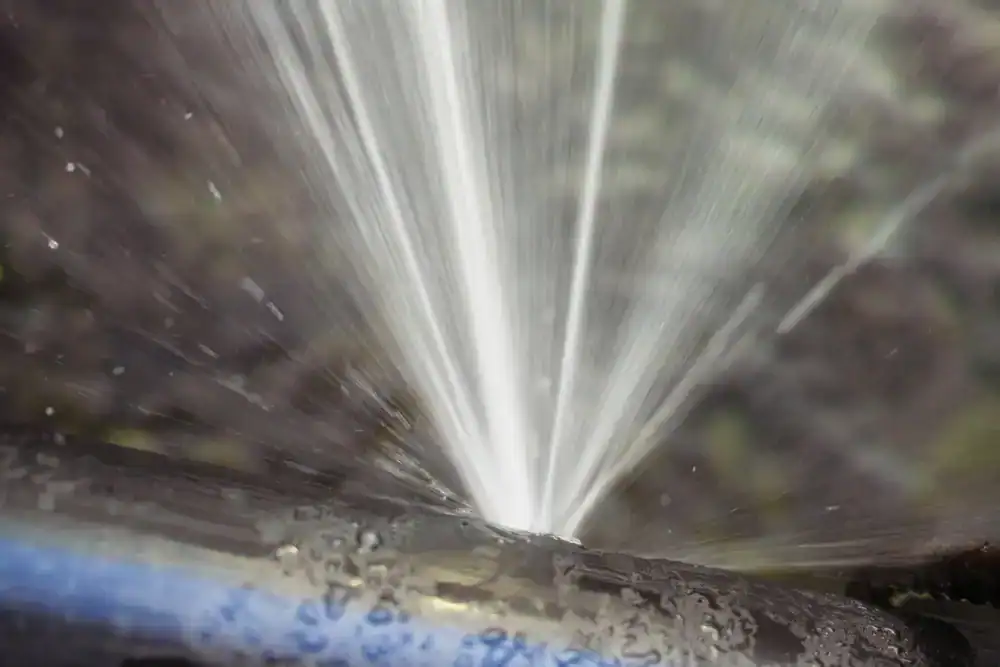
When a Pipe Fails in a 1950s Valhalla Home, Every Hour Counts
When a pipe lets go in a Valhalla home built in the 1950s, the clock starts immediately — we arrive the same night and handle everything from water extraction to full reconstruction. We know the homes in this area. We know what’s behind those walls, and we know how to protect them.
I needed a professional consultation explanation of procedure for safe removal of Asbestos in my apartment complex. Without having an account yet, I was very impressed with the caring, knowledgeable and generous advice offered by Jessica, and will look forward to doing business in the future. Thank you so much! I feel much more informed about a sometimes scary endeavor. Peace. Nancy Silva Mineola, NY.
Mia Munoz
Used this company to clean up some water flood in my house. They were fast and easy to work with.very professional, Would recommend to anyone!
Nini Valle
Great company, had a flood and they responded quickly and efficiently. Billed my insurance company directly. I highly recommend this company!
joe colapietro, jr
I had pipe freeze in my basement right before a snow storm and they made to within an hour to help start the clean up process. They we by our side throughout the entire process and even helped with the insurance company. They did such a great job with the cleanup, repair, remidiation, I contracted them to perform the repairs and finishes in the basement. They came with enough manpower and material to get the job done. Leo and Jessica were nothing but a pleasure to deal with!!
Cristian Arredondo c
I had some water damage in my home and Green Island was able to take care of my issue quickly and effectively. I am very pleased with the work they did. They responded quickly and were very professional.
Michael M
Outstanding service! From the office to the field crew everyone was friendly, helpful and responsive. I highly recommend Green Island Group.
A burst pipe doesn’t just leave water behind — it leaves a window. The EPA is clear that mold can take hold in as little as 24 to 48 hours on wet building materials. In a Valhalla home built in the 1940s or 1950s, that timeline matters even more. Older wood framing, horsehair plaster, and decades of settled insulation absorb moisture faster and hold it longer than modern construction. By the time you can see the damage, the conditions for mold growth are often already in place.
What you’re looking for after a proper restoration isn’t just dry walls — it’s confirmation. Moisture readings that hit zero. Air quality that’s been tested, not assumed. Walls that are rebuilt, not just patched. That’s the difference between a job that’s done and a job that’s finished. For a Valhalla home worth $750,000 or more, that distinction is not minor.
The other thing that changes is the insurance process. Most homeowners in Valhalla have coverage for this — but navigating the claim while managing contractors, adjusters, and a disrupted household is genuinely overwhelming. When one company handles the documentation, the adjuster communication, and the full scope of work, you’re not managing a crisis anymore. You’re just waiting for your home to be back to normal.
Twelve Years In Valhalla and Westchester, and We Still Pick Up at Midnight
We’ve been handling water damage, mold remediation, and full environmental restoration throughout Westchester County for over 12 years. That means we’ve worked in homes like yours — post-war construction along the Route 100 corridor in Valhalla, older properties near the Kensico Reservoir, houses that have been updated in layers but still have the original bones underneath. We know what those homes carry, and we know what opening a wall in one of them actually involves.
We’re NYS and NYC M/WBE certified, fully insured including liability and workers’ compensation, and licensed under New York State’s Article 32 for mold remediation. We also hold in-house asbestos abatement capability — which, in a Valhalla home from the 1940s or 1950s, is not a minor detail. It means we don’t have to stop the job and call in a second contractor when pipe insulation or floor tile comes back positive on a test.
The 100% satisfaction guarantee isn’t a line we added to the website. It’s what 12 years of standing behind the work actually looks like.
From the Emergency Call to the Finished Room — Here's Our Sequence
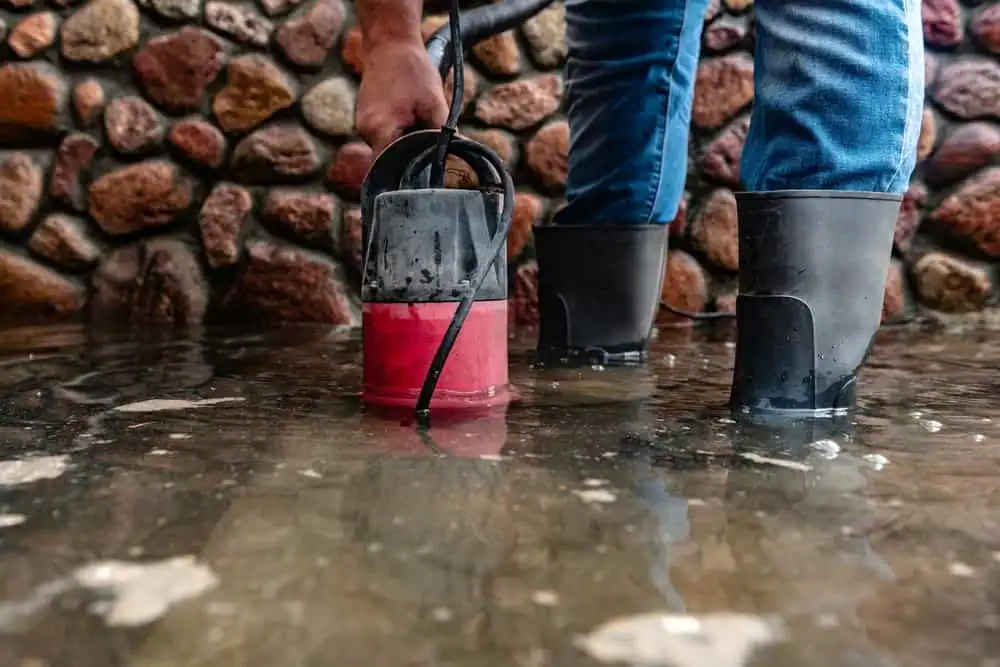
It starts the moment you call. Our 24/7 line connects directly to dispatch — not a call center — so a crew can be on-site the same night. The first priority is stopping the spread: extracting standing water, identifying the full extent of moisture intrusion using thermal imaging and moisture meters, and setting up containment if mold risk is already present. In a Valhalla home with older construction, that assessment phase is thorough because the materials involved — plaster walls, original hardwood, aged insulation — behave differently than newer builds.
Once the scope is confirmed, we begin structural drying. Industrial air movers and dehumidifiers run until moisture readings return to baseline — not until the walls feel dry to the touch, but until the equipment confirms it. If the work requires opening walls, we test for asbestos before anything is disturbed. That’s not optional in a Valhalla home of this era, and we handle it in-house so the project doesn’t stall.
After remediation, we begin reconstruction. Drywall, flooring, insulation, trim — whatever was removed to do the job right gets rebuilt to match. We also coordinate directly with your insurance carrier throughout the process, handling documentation and adjuster communication so you’re not the one translating between a restoration crew and an insurance desk. All permit requirements through the Town of Mount Pleasant are handled as part of the job.
Burst pipe repair in Valhalla isn’t a single service — it’s a sequence of them, and the outcome depends on whether every step gets done properly. We cover the full arc: emergency water extraction, structural drying, moisture mapping, mold testing and remediation, asbestos testing and abatement where required, and complete reconstruction of affected areas. You’re not handed off to a general contractor when the drying equipment leaves. The same company that responded at midnight is the one finishing your floors.
The asbestos piece is worth understanding specifically. Homes in the 10595 ZIP code were built predominantly in the 1940s and 1950s, when asbestos was standard in pipe insulation, floor tile, ceiling tile, and joint compound. Under New York State law, disturbing those materials without licensed abatement isn’t a gray area — it’s a legal violation. Most restoration companies in Westchester County subcontract this work, which means delays, added cost, and a second contractor relationship you didn’t ask for. We handle it internally, which keeps the project moving and keeps accountability in one place.
Financing is available up to $200,000 at 0% APR for homeowners who need to move before the insurance settlement clears. Westchester property taxes are among the highest in the country, and an unexpected five-figure restoration bill shouldn’t force you into a decision about timing. Start the work now, protect the home, and manage the financial side without the pressure of an arbitrary deadline.
How quickly can mold grow after a pipe bursts in my Valhalla home?
Mold can begin colonizing wet building materials within 24 to 48 hours — and in a Valhalla home built in the 1940s or 1950s, that window closes faster than most people expect. Older wood framing, original plaster walls, and aged insulation absorb and retain moisture more aggressively than modern materials. By the time visible mold appears, it’s already been growing for days.
This is exactly why the response timeline matters more than almost anything else in a burst pipe situation. Professional extraction and structural drying need to begin as quickly as possible — not the next business day, not after you’ve called three companies for estimates. The longer standing water and saturated materials sit, the more the remediation scope expands, and the more expensive and disruptive the project becomes. If you’re in Valhalla and a pipe has let go, the right call is tonight, not tomorrow morning.
Does homeowners insurance typically cover burst pipe damage in Westchester County?
In most cases, yes — sudden and accidental pipe failures are covered under standard homeowners insurance policies. The key word is “sudden.” If an adjuster can point to evidence that the pipe had been leaking slowly over time and the damage was gradual, coverage can be disputed or denied. This is one reason why professional documentation at the start of the job matters so much — the way damage is assessed, photographed, and reported directly affects how the claim is evaluated.
We handle the insurance process directly, including adjuster communication and damage documentation in the format carriers require. Westchester County homeowners pay significant premiums, and when a claim is legitimate, it should be handled in your interest — not left to navigate alone against an adjuster who is working from the insurer’s side of the table. We’ve managed enough claims in this county to know where disputes tend to arise and how to document the scope properly from the beginning.
Do I need asbestos testing before opening walls in an older Valhalla home?
If your home was built before 1980 — and most homes in Valhalla’s 10595 ZIP code were built in the 1940s and 1950s — asbestos testing before any wall-opening work is not just a precaution, it’s a legal requirement under New York State law. Asbestos was commonly used in pipe insulation, floor tile, ceiling tile, and joint compound during that era. Disturbing those materials without proper testing and licensed abatement is a violation of NYS Department of Labor regulations, and it creates real health and legal liability for everyone involved.
The practical implication for a burst pipe project is significant. If a restoration contractor opens walls without testing first, they’re either breaking the law or gambling that nothing comes back positive. We test before anything is disturbed and handle abatement in-house if the results require it. That means the project doesn’t stop while you wait for a separate abatement subcontractor to become available — the work continues under one licensed team, on one timeline, with one point of accountability.
How long does it take to fully dry out a house after a burst pipe?
The honest answer is that it depends on the materials involved, the volume of water, and how quickly extraction started. In most residential situations, structural drying takes between three and five days when professional equipment is in place and running continuously. In a Valhalla home with older construction — plaster walls, original hardwood floors, dense insulation — it often runs toward the longer end of that range because those materials hold moisture differently than drywall and modern flooring.
What matters more than the calendar is the measurement. Drying is complete when moisture readings return to baseline across all affected materials — not when the walls feel dry to the touch or when the equipment has been running for a set number of days. We use moisture meters and thermal imaging to confirm dryness throughout the process, and we don’t call a job done until the numbers say it is. Pulling equipment too early is one of the most common reasons mold problems develop after a restoration — we don’t cut that corner.
What's the difference between a plumber and a water damage restoration company for a burst pipe?
A plumber fixes the pipe. That’s their job, and it’s an important one — but it’s the beginning of the problem, not the end of it. Once the pipe is repaired and the water source is stopped, you’re left with whatever the water did while it was running: saturated walls, soaked flooring, wet insulation, compromised structural materials, and a growing mold risk. That’s where a restoration company comes in.
Water damage restoration involves extraction, structural drying, moisture mapping, mold assessment, and — in a home like the ones that define Valhalla’s housing stock — potential asbestos testing and abatement before walls can even be opened. It also involves the insurance claim process, which a plumber is not equipped to handle. Most homeowners need both: a plumber to stop the water and a restoration contractor to address everything the water touched. If you’re trying to manage both separately while also living in a disrupted home, that coordination burden falls entirely on you. We handle the restoration side completely, from the first emergency call through the finished reconstruction.
Can frozen pipes in Valhalla cause a burst even if I don't see any water right away?
Yes — and this is one of the more dangerous scenarios because it creates a false sense of security. When water inside a pipe freezes, it expands and puts enormous pressure on the pipe wall. The pipe may crack or split at that moment, but the failure doesn’t become visible until the ice thaws and water starts flowing again. In Valhalla, where winter temperatures regularly drop well below 20°F — the threshold at which uninsulated pipes in exterior walls and crawl spaces become genuinely vulnerable — this delayed-failure pattern is common.
The homes most at risk are the older ones along the edges of Valhalla, particularly properties near the Kensico Reservoir where wind exposure accelerates heat loss in uninsulated wall cavities. If you’ve had a hard freeze and you’re noticing reduced water pressure, discolored water, or unusual sounds in the walls, those are early warning signs worth taking seriously before the thaw makes the damage visible. Calling before the pipe fully fails — or immediately when it does — is the difference between a manageable extraction job and a full mold remediation project. Our emergency line is available around the clock, and a crew can be on-site the same night.