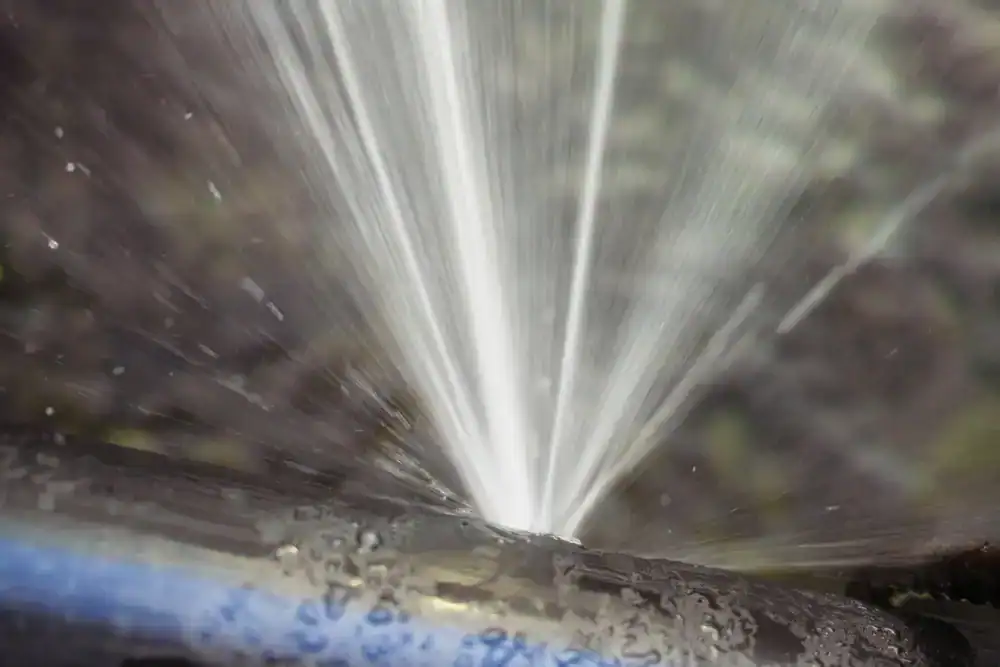
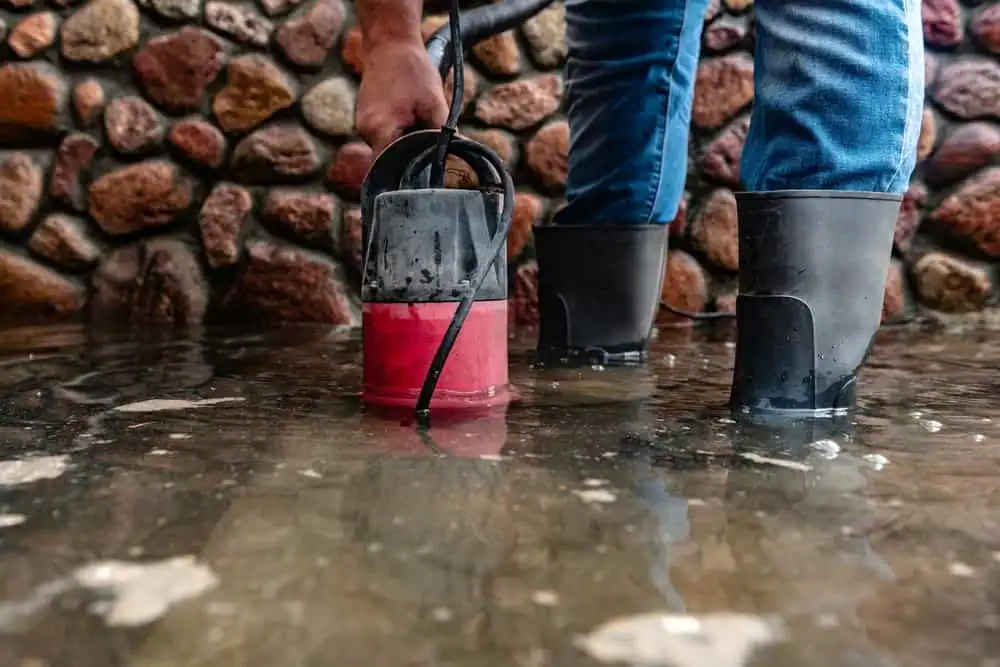
Most homes in Valley Cottage were built right after the Tappan Zee Bridge opened — and those pipes haven’t gotten any younger. When one bursts, we handle everything from emergency water extraction to the finished room.
I needed a professional consultation explanation of procedure for safe removal of Asbestos in my apartment complex. Without having an account yet, I was very impressed with the caring, knowledgeable and generous advice offered by Jessica, and will look forward to doing business in the future. Thank you so much! I feel much more informed about a sometimes scary endeavor. Peace. Nancy Silva Mineola, NY.
Mia Munoz
Used this company to clean up some water flood in my house. They were fast and easy to work with.very professional, Would recommend to anyone!
Nini Valle
Great company, had a flood and they responded quickly and efficiently. Billed my insurance company directly. I highly recommend this company!
joe colapietro, jr
I had pipe freeze in my basement right before a snow storm and they made to within an hour to help start the clean up process. They we by our side throughout the entire process and even helped with the insurance company. They did such a great job with the cleanup, repair, remidiation, I contracted them to perform the repairs and finishes in the basement. They came with enough manpower and material to get the job done. Leo and Jessica were nothing but a pleasure to deal with!!
Cristian Arredondo c
I had some water damage in my home and Green Island was able to take care of my issue quickly and effectively. I am very pleased with the work they did. They responded quickly and were very professional.
Michael M
Outstanding service! From the office to the field crew everyone was friendly, helpful and responsive. I highly recommend Green Island Group.
A burst pipe doesn’t just leave water on the floor. It soaks into wall cavities, saturates insulation, and works its way into the subfloor — especially in the kind of 1960s and 1970s construction that defines most of Valley Cottage. These homes were built well, but they weren’t built to shed water. Once moisture gets in, it stays in.
That’s where the clock becomes the real issue. Mold can begin growing on wet building materials within 24 to 48 hours of a water intrusion event. Valley Cottage’s wooded terrain and proximity to DeForest Lake and Rockland Lake mean ambient humidity here runs higher than in drier suburban communities — which can compress that window even further. Getting a crew on-site fast isn’t just good service, it’s the difference between a contained repair and a full mold remediation project.
When the work is done, you’re not left with open walls and a dehumidifier humming in the corner. We take the project from the emergency call all the way through reconstruction — drywall, flooring, insulation, finish work — so the room looks and functions the way it did before the pipe failed. One company, one call, one finished result.
Licensed, Local, and Built for Valley Cottage's Aging Homes
We’ve been working in Rockland County for over 12 years, with deep experience in the split-levels and raised ranches throughout Clarkstown that make up most of Valley Cottage. The homes here present a specific set of restoration challenges — aging galvanized pipes, finished basements, and post-war wall assemblies — that a generic franchise operator isn’t always equipped to handle.
We hold a NYS Mold Remediation Contractor License under Article 32, carry full liability insurance and workers’ compensation, and are NYS and NYC M/WBE Certified — a credential that requires government-level auditing, not just a membership application. We also handle asbestos abatement in-house, which matters significantly in Valley Cottage where homes built before 1980 commonly contain asbestos in pipe insulation, floor tiles, and joint compound.
When walls need to open, the question of what’s inside them has a real answer here — and a licensed team ready to deal with it.
The process starts the moment you call. Our emergency line runs 24 hours a day, and a crew can be dispatched the same night — not a callback promise, an actual dispatch. When we arrive, the first priority is stopping the spread. That means water extraction, moisture mapping, and identifying exactly how far the water has traveled inside the wall and floor assemblies.
From there, commercial-grade drying equipment goes in. This isn’t a couple of box fans — it’s industrial air movers and dehumidifiers calibrated to the specific moisture levels in your home. During this phase, if there’s any indication that the affected materials may contain asbestos — which is a real possibility in Valley Cottage homes built before 1980 — that gets assessed and addressed before any demolition work begins. This keeps you legally protected and keeps the project moving without a separate contractor causing delays.
Once the structure is fully dry and tested, reconstruction begins. Permits for structural restoration work in Valley Cottage go through the Town of Clarkstown’s Building Department, and we’re familiar with that process. We handle the documentation, coordinate with your insurance adjuster, and take the project through to a finished, inspected, livable space.
A burst pipe in a Valley Cottage home typically involves more than just water removal. The homes here — most of them built between 1960 and 1980 on the heels of the Tappan Zee Bridge development boom — have characteristics that require a contractor who understands what’s behind the walls before the walls come open. Our full scope covers emergency water extraction, structural drying, moisture mapping, mold remediation, asbestos abatement when required, and complete reconstruction through finished surfaces.
The insurance side is handled directly. We work with major carriers, document the damage in the format adjusters require, and manage the back-and-forth so you’re not stuck between a restoration timeline and a claims dispute. Customers consistently cite this as one of the most valuable parts of the experience — particularly for homeowners who have never navigated a large property damage claim before.
For jobs where financing makes sense — whether insurance is delayed, the scope exceeds the covered amount, or you simply prefer not to front the cost — we offer financing up to $200,000 at 0% APR. That’s not a teaser rate with conditions buried in the fine print. It’s a real option that lets you authorize the work immediately and protect your home from escalating damage without waiting on a check.
Does a burst pipe in my Valley Cottage home always lead to mold?
Not always — but the risk is real and the window is short. Mold can begin growing on wet building materials within 24 to 48 hours of water intrusion. In Valley Cottage, where the wooded terrain and proximity to Rockland Lake and DeForest Lake contribute to higher ambient humidity than drier suburban areas, conditions that support mold growth can develop faster than that standard window suggests.
The bigger factor is the type of construction. Homes built in the 1960s and 1970s — which describes most of Valley Cottage’s housing stock — use wall assemblies, insulation, and subfloor materials that absorb and hold moisture rather than shedding it. If the water isn’t fully extracted and the structure isn’t dried to measurable standards, mold doesn’t just become possible, it becomes likely. Professional moisture mapping and commercial-grade drying equipment are what separate a contained repair from a remediation project that’s three times the size.
Will my homeowners insurance cover burst pipe repair and water damage restoration?
In most cases, yes — sudden and accidental pipe bursts are covered under standard homeowners insurance policies. What insurers typically won’t cover is damage caused by neglect or a slow leak that went unaddressed over time. The distinction matters, and adjusters will look at the evidence when they assess the claim.
The documentation piece is where a lot of homeowners run into trouble. Insurance carriers want specific formats — moisture readings, photo documentation, scope of damage reports — and if that documentation isn’t done correctly from the start, it creates friction in the claims process. We handle all of that directly. We document the damage in the format carriers require, communicate with your adjuster throughout the project, and advocate for the full scope of what needs to be repaired. For Valley Cottage homeowners who haven’t navigated a large property damage claim before, having someone manage that process is genuinely valuable.
My Valley Cottage home was built in the 1970s — should I be worried about asbestos during repairs?
It’s a legitimate concern and worth taking seriously. Homes built in Valley Cottage’s primary construction window — roughly 1960 to 1980 — commonly incorporated asbestos-containing materials: pipe insulation wrapping on boiler and hot water lines, 9-inch and 12-inch vinyl floor tiles in basements and kitchens, ceiling tiles, and joint compound. These materials were standard practice during that era, and many of them are still in place in homes throughout the hamlet.
Under New York State law, asbestos abatement must be performed by a licensed contractor before or during any work that disturbs those materials. A restoration contractor who opens walls without addressing this creates legal exposure for both themselves and the homeowner. We hold asbestos abatement licensing under the NYS Department of Labor Asbestos Safety and Training Program and handle this in-house — meaning no separate contractor, no scheduling gap, and no ambiguity about who’s responsible for compliance. If abatement is needed, it gets done as part of the same project, by the same team.
How long does burst pipe water damage restoration typically take?
The structural drying phase alone typically takes three to five days, depending on how far the water traveled and how saturated the building materials are. In a 1960s or 1970s Valley Cottage home with dense wall assemblies and porous insulation, that timeline can run toward the longer end — these materials hold moisture differently than newer construction, and drying can’t be rushed without risking incomplete results that lead to mold growth later.
After drying is confirmed through moisture testing, reconstruction begins. The full timeline from emergency call to finished room depends on the scope — a single affected wall is a different project than a finished basement with water throughout the floor assembly. Permits for structural restoration work in Valley Cottage go through the Town of Clarkstown, and we manage that process as part of the job. A realistic range for a mid-sized burst pipe project, including drying, remediation, and reconstruction, is typically two to four weeks.
What's the difference between a plumber and a water damage restoration company?
A plumber fixes the pipe. We handle everything the water left behind. These are two completely separate scopes of work, and confusing them is one of the most common mistakes homeowners make after a burst pipe — because by the time the plumber has done their job and left, the water has already been sitting in the walls for hours.
Water damage restoration covers extraction, structural drying, moisture mapping, mold remediation, and reconstruction. In a Valley Cottage home where a burst pipe has soaked into a finished basement or a wall cavity full of 50-year-old insulation, the restoration scope is often significantly larger than the plumbing repair itself. We don’t fix the broken pipe — that’s the plumber’s job — but once the water is off, we handle every step of what comes next, from the first extraction through the final coat of paint.
How much does burst pipe water damage restoration cost in Valley Cottage, NY?
The honest answer is that it depends on how far the water traveled and how quickly the response happened. A burst pipe caught within a few hours in a single room is a very different project from one discovered after a weekend away, where water has saturated wall cavities, subfloor, and insulation across multiple areas. In Rockland County, mid-range burst pipe restoration projects — covering extraction, drying, mold prevention, and reconstruction — commonly run between $8,000 and $25,000, with larger or more complex jobs going higher.
In Valley Cottage specifically, the age of the housing stock adds a variable that doesn’t apply everywhere. If asbestos-containing materials are present and need to be abated before reconstruction can begin — which is a real possibility in pre-1980 homes — that adds to the scope and the cost. The good news is that most of this is typically covered under homeowners insurance for sudden pipe failures, and we manage the claims process directly. For anything outside what insurance covers, we offer financing up to $200,000 at 0% APR, so cost doesn’t have to be the reason you delay getting the work done.