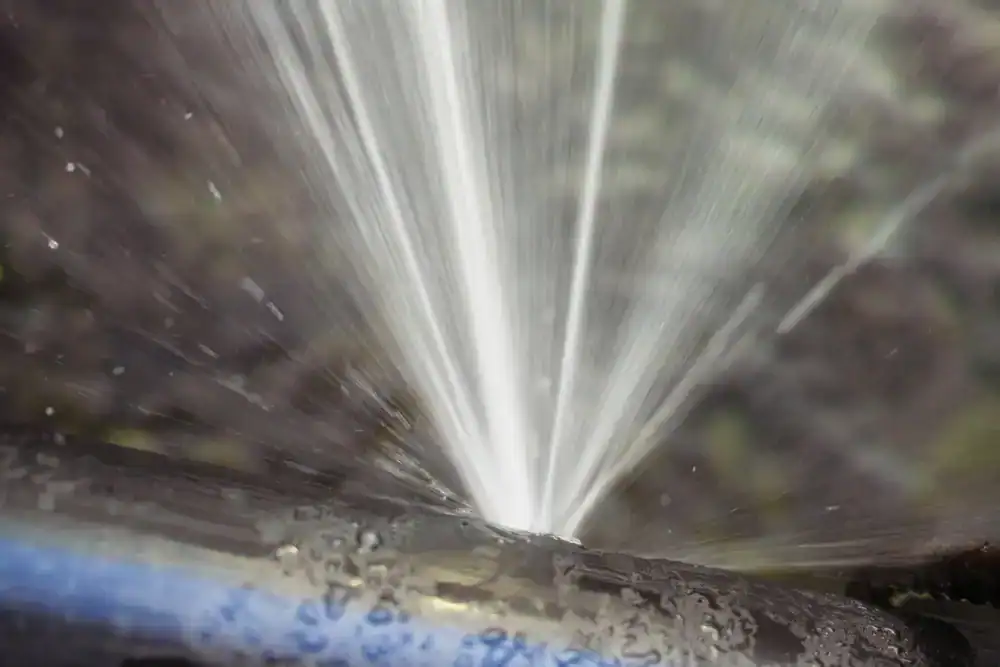
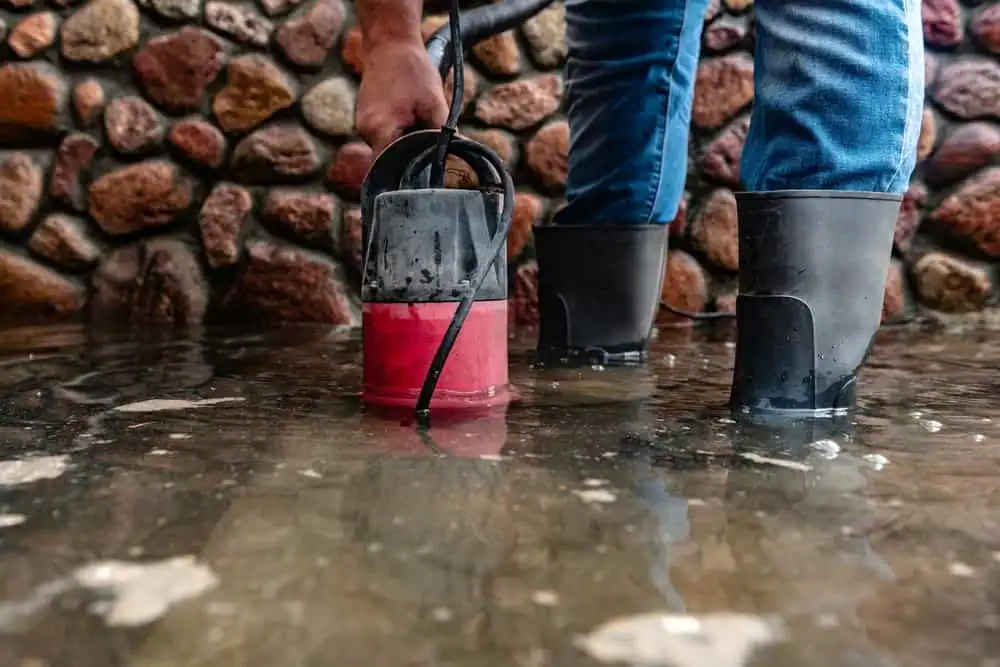
When a pipe lets go in a West Nyack home worth over $600,000, every hour matters. We respond 24/7 with full-service burst pipe repair — from emergency extraction to finished walls, handled in one call.
I needed a professional consultation explanation of procedure for safe removal of Asbestos in my apartment complex. Without having an account yet, I was very impressed with the caring, knowledgeable and generous advice offered by Jessica, and will look forward to doing business in the future. Thank you so much! I feel much more informed about a sometimes scary endeavor. Peace. Nancy Silva Mineola, NY.
Mia Munoz
Used this company to clean up some water flood in my house. They were fast and easy to work with.very professional, Would recommend to anyone!
Nini Valle
Great company, had a flood and they responded quickly and efficiently. Billed my insurance company directly. I highly recommend this company!
joe colapietro, jr
I had pipe freeze in my basement right before a snow storm and they made to within an hour to help start the clean up process. They we by our side throughout the entire process and even helped with the insurance company. They did such a great job with the cleanup, repair, remidiation, I contracted them to perform the repairs and finishes in the basement. They came with enough manpower and material to get the job done. Leo and Jessica were nothing but a pleasure to deal with!!
Cristian Arredondo c
I had some water damage in my home and Green Island was able to take care of my issue quickly and effectively. I am very pleased with the work they did. They responded quickly and were very professional.
Michael M
Outstanding service! From the office to the field crew everyone was friendly, helpful and responsive. I highly recommend Green Island Group.
A burst pipe doesn’t stop at the pipe. Water moves fast — into wall cavities, under flooring, through insulation — and mold can start forming within 24 to 48 hours of the initial event. By the time you see visible damage, the hidden damage is usually already ahead of it.
For West Nyack homeowners, that window is especially unforgiving. A significant portion of the housing stock here — particularly in Van Houten Fields, where homes trace back to the 1930s and 1940s — contains aging plumbing that was never designed to last this long. Galvanized pipes corrode from the inside out, and when they finally go, they go completely. The result isn’t a slow drip. It’s a wall full of water.
What you get when the job is done right is simple: dry structure, documented moisture readings, no mold, and a house that looks and functions the way it did before. No open walls waiting on a second contractor. No lingering odor. No insurance paperwork left on your kitchen table. We handle the full arc — extraction, drying, remediation, reconstruction — so you’re not managing pieces of a project while trying to live your life.
We’ve been doing environmental restoration work in Rockland County for over 12 years, which means we’ve worked in the older homes near Van Houten Fields in West Nyack, the finished basements in flood-prone areas around Lake Lodico, and the pre-1980 construction throughout Clarkstown where asbestos in pipe insulation is a real consideration, not a hypothetical one.
We carry full liability insurance and workers’ compensation, hold NYS mold remediation licensing under Article 32, and are certified as an NYS and NYC M/WBE contractor — a government-audited credential that requires financial review and operational verification, not just a fee. We also work directly with the NYS Office of General Services, which means we’ve met procurement standards that most private contractors are never asked to demonstrate.
When you call at 2 AM with water coming through a wall in West Nyack, you want a company that has actually done this before in homes like yours. That’s what 12 years in this market looks like.
What Actually Happens From First Call to Finished Room
The first call triggers dispatch — not a callback window, not a next-morning assessment. Our crew comes to you, assesses the scope, and starts emergency water extraction the same night if needed. That first response is about stopping the damage from spreading, not scheduling a quote.
Once the water is out, the structural drying process begins. This isn’t fans in a room — it’s calibrated equipment, moisture mapping, and drying logs that track the actual moisture content of your walls, subfloor, and framing over time. In West Nyack homes built before 1980, this phase also includes an assessment for asbestos-containing materials before any walls are opened. That step isn’t optional under NYS Department of Labor regulations, and skipping it creates liability for you, not just the contractor.
After the structure is confirmed dry and clear, reconstruction begins — drywall, flooring, paint, whatever the damage required. All permit work runs through the Town of Clarkstown’s Building Department, and we handle that coordination as part of the project. By the end, the room is finished. Not dried out and handed off. Finished.
Our burst pipe service covers everything a West Nyack homeowner actually needs — not just the part that’s easy to sell. Emergency water extraction, structural drying with moisture documentation, mold remediation if the timeline required it, asbestos abatement for pre-1980 homes, and full reconstruction through finished surfaces. That’s the full scope, handled internally, without subcontracting the parts that slow everything down.
The insurance side is handled the same way. We work with all major carriers, document the damage to adjuster standards, and manage the communication throughout the claims process. Customers who have been through this describe that piece as the most valuable part of the entire engagement — not because it’s a bonus service, but because navigating a claim on a $630,000 home without someone who knows the process is genuinely stressful and genuinely costly.
If there’s a gap between when remediation needs to start and when the claim pays out, we offer financing up to $200,000 at 0% APR, which means that gap doesn’t become a delay. No other restoration company currently serving West Nyack offers anything close to that. The work starts when the damage happens — not when the paperwork clears.
Does homeowners insurance cover burst pipe damage in West Nyack, NY?
In most cases, yes — but the details matter. Standard homeowners insurance policies in New York typically cover sudden and accidental water damage from a burst pipe, which includes the cost of drying out the structure, mold remediation if it developed, and reconstruction of damaged areas. What they generally don’t cover is the pipe repair itself, or damage that resulted from a slow leak you knew about and didn’t address.
For West Nyack homeowners, the documentation piece is where claims most often run into trouble. Adjusters need specific evidence — moisture readings, photo documentation, a clear timeline of the event — and if that documentation isn’t there or isn’t formatted correctly, the initial offer can come in lower than the actual scope of damage. We document every job to adjuster standards from the start, which is the single most effective way to protect the full value of your claim. If you’re unsure what your policy covers before something happens, it’s worth a call to your carrier to clarify your burst pipe coverage and your deductible.
How quickly does mold start growing after a pipe bursts inside a house?
The EPA and FEMA both document that mold can begin growing on wet building materials within 24 to 48 hours of a water intrusion event. That’s not a worst-case scenario — that’s the standard window under normal indoor conditions. In a home with older insulation or original wall assemblies, which is common in West Nyack’s pre-1960 housing stock, that timeline can be even less forgiving because those materials absorb and hold moisture more readily than modern construction.
The reason this matters practically is that mold growth inside wall cavities isn’t visible from the surface. By the time you see discoloration or smell something off, the mold is already established and the remediation scope is significantly larger than it would have been with an immediate response. That’s the real cost of waiting — not the wait itself, but what grows during it. A same-night emergency response doesn’t just stop the water. It stops the clock on that 24 to 48 hour window.
Do I need a permit for water damage repairs in Clarkstown, NY?
It depends on the scope of the work. Simple drying and mold remediation typically don’t require a permit. But if the burst pipe damage requires opening walls, replacing structural framing, or reconstructing finished surfaces — drywall, flooring, ceilings — that work falls under the Town of Clarkstown’s building permit requirements, administered through Clarkstown’s Building Department.
This is a step that gets skipped more often than it should, usually because the homeowner doesn’t know it’s required or the contractor doesn’t want the added coordination. The problem is that unpermitted reconstruction work can create disclosure obligations when you sell the home, and in some cases can affect your insurance coverage if the work is later found to be non-compliant. We handle the permit coordination with Clarkstown as part of the project — it’s not an add-on or a separate conversation. It’s built into how the job gets done.
My West Nyack home was built in the 1950s — should I be worried about asbestos during repairs?
Yes, and it’s worth taking seriously. Homes built before 1980 — which includes a significant portion of West Nyack’s housing stock, particularly in neighborhoods like Van Houten Fields where development began in the late 1930s — commonly contain asbestos in pipe insulation, floor tiles, ceiling tiles, and joint compound. When a burst pipe requires opening walls or disturbing any of those materials, New York State Department of Labor regulations require that asbestos be identified and properly abated before the work proceeds.
This isn’t a technicality. Disturbing asbestos-containing materials without proper abatement creates real health risk for anyone in the home and potential legal liability for both the homeowner and the contractor. Most restoration companies don’t have in-house abatement capability — they either subcontract it, which adds cost and scheduling delays, or they proceed without it. We handle asbestos abatement in-house, which means it gets assessed and addressed as part of the same project, on the same timeline, without adding a separate contractor to an already complicated situation.
How long does it take to fully dry out a house after a burst pipe?
The honest answer is that it depends on how much water was released, where it went, and how quickly the response started. A contained event — say, a pipe that burst in a finished basement and was caught within an hour — might be structurally dry within three to five days with proper equipment. A pipe that ran for several hours overnight and saturated wall cavities, subfloor, and insulation across multiple rooms can take seven to fourteen days or longer.
The key word is “structurally.” A room can feel dry to the touch while the framing and insulation behind the walls still hold significant moisture. That’s why moisture mapping and drying logs matter — they track the actual moisture content of the building materials over time, not just the surface conditions. In West Nyack’s older homes, where wall assemblies often include materials that absorb moisture more deeply than modern construction, this monitoring phase is especially important. Reconstruction doesn’t start until the readings confirm the structure is genuinely dry — not just surface-dry.
What's the difference between a plumber and a water damage restoration company for a burst pipe?
A plumber fixes the pipe. That’s the right first call when water is actively flowing — you need the source stopped. But once the pipe is repaired, the plumber’s job is done. Everything the water touched in the meantime — the walls, the insulation, the subfloor, the framing — is still wet, and wet building materials don’t dry on their own at a rate that prevents mold growth.
A water damage restoration company handles what comes after the pipe is fixed. That means professional extraction of standing water, calibrated drying equipment placed strategically to pull moisture out of the building assembly, moisture monitoring to confirm the structure is actually dry, and mold remediation if the timeline required it. In West Nyack, where many homes have finished basements, older wall assemblies, and in some cases aging plumbing that was already under stress before the failure, the restoration scope is often more involved than homeowners expect when they first see the damage. The two services are complementary — you need both, and knowing that going in helps you move faster and avoid the gaps that let mold get a foothold.