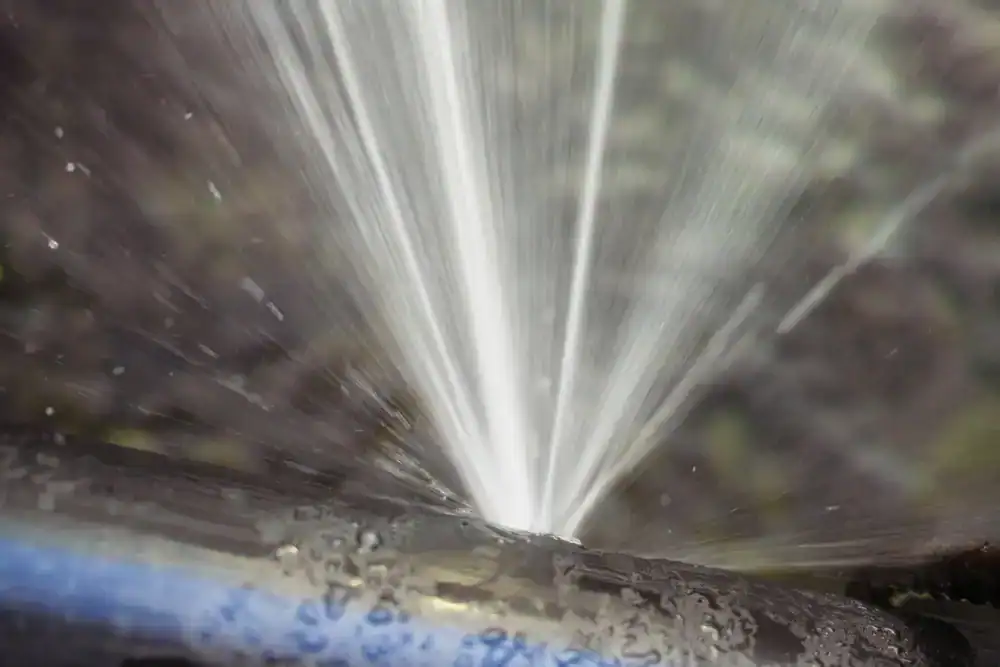
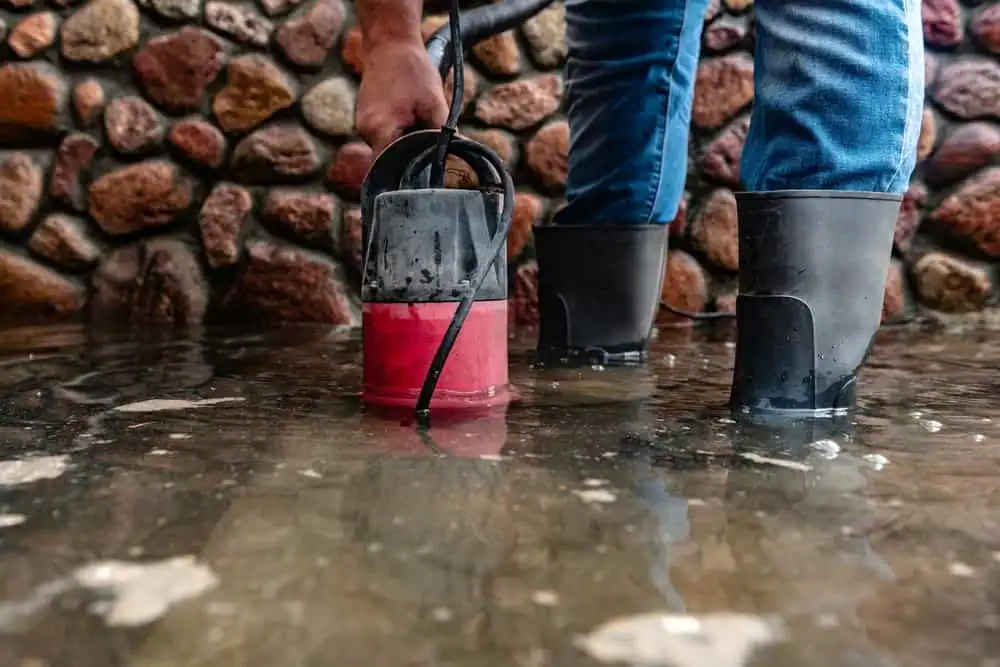
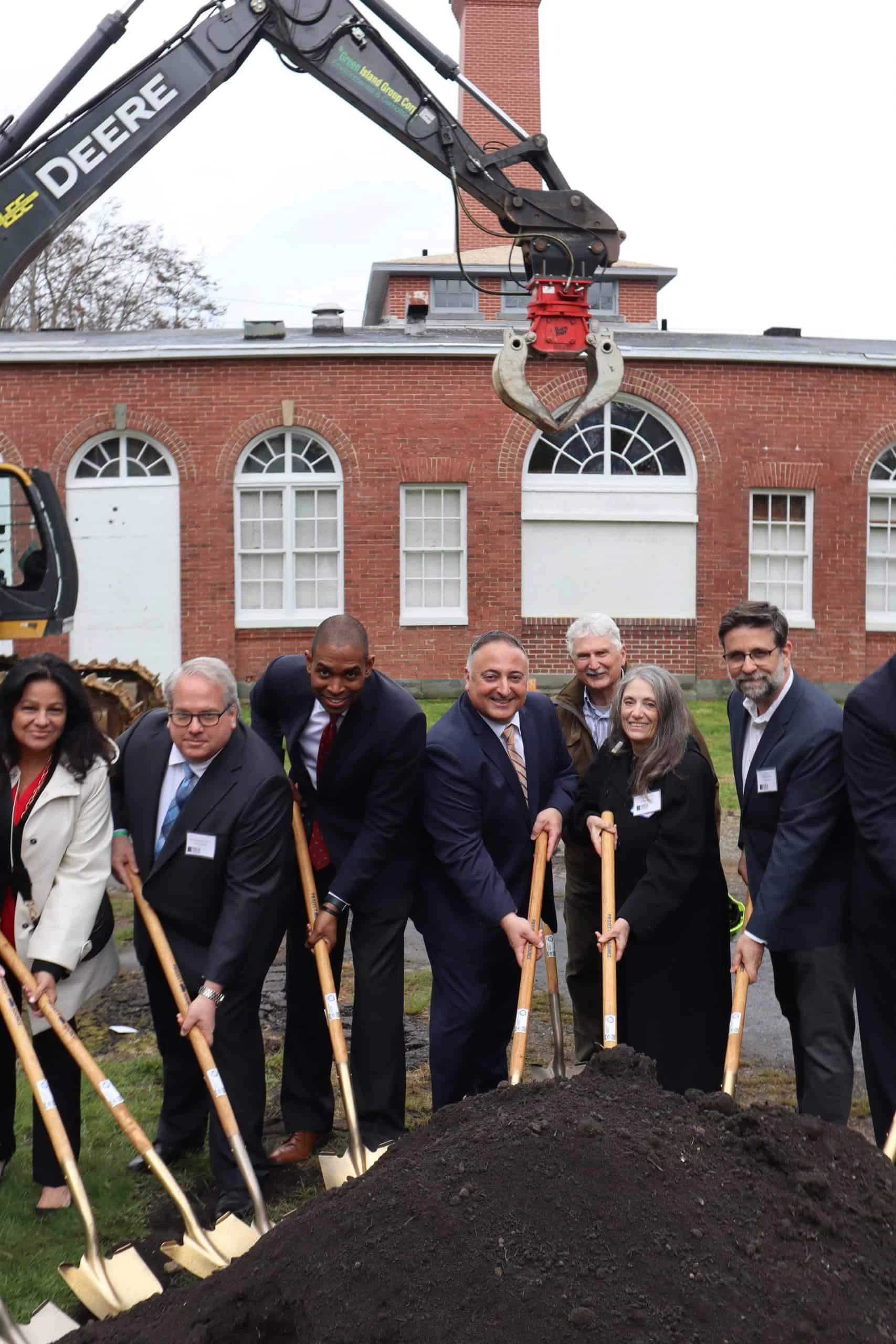
In White Plains, where nearly 60% of homes are multi-unit buildings, a burst pipe isn’t just your problem — it’s your neighbor’s ceiling, your property manager’s liability, and your insurance adjuster’s next call. We respond 24/7 and handle it all.
I needed a professional consultation explanation of procedure for safe removal of Asbestos in my apartment complex. Without having an account yet, I was very impressed with the caring, knowledgeable and generous advice offered by Jessica, and will look forward to doing business in the future. Thank you so much! I feel much more informed about a sometimes scary endeavor. Peace. Nancy Silva Mineola, NY.
Mia Munoz
Used this company to clean up some water flood in my house. They were fast and easy to work with.very professional, Would recommend to anyone!
Nini Valle
Great company, had a flood and they responded quickly and efficiently. Billed my insurance company directly. I highly recommend this company!
joe colapietro, jr
I had pipe freeze in my basement right before a snow storm and they made to within an hour to help start the clean up process. They we by our side throughout the entire process and even helped with the insurance company. They did such a great job with the cleanup, repair, remidiation, I contracted them to perform the repairs and finishes in the basement. They came with enough manpower and material to get the job done. Leo and Jessica were nothing but a pleasure to deal with!!
Cristian Arredondo c
I had some water damage in my home and Green Island was able to take care of my issue quickly and effectively. I am very pleased with the work they did. They responded quickly and were very professional.
Michael M
Outstanding service! From the office to the field crew everyone was friendly, helpful and responsive. I highly recommend Green Island Group.
A burst pipe doesn’t just leave water behind — it leaves decisions. What needs to come out, what can stay, whether the walls are actually dry, and whether mold has already started. Most people don’t know the answers to those questions, and most contractors won’t walk you through them. That changes here.
White Plains winters are real. January temperatures regularly drop into the low 20s, and when a cold snap hits and then breaks, pipes in exterior walls, crawl spaces, and basement utility rooms don’t always survive the thaw. The result is water inside your structure — sometimes visible, often not. What you can’t see is what causes the long-term damage.
The older housing stock in neighborhoods like Gedney and Rosedale adds another layer. Homes built in the 1920s and 1930s have aging plumbing that’s more vulnerable to freeze events and more likely to fail quietly. If your building predates 1980, opening walls may also mean encountering asbestos in pipe insulation or floor tiles — a situation that requires licensed abatement before any restoration work can continue. We handle that in-house, so the project doesn’t stall while you track down a second contractor.
Twelve Years Working White Plains and Westchester County
We’ve been working across Westchester County for over 12 years, with deep roots in White Plains specifically. That’s not a tagline — it’s the reason we know what’s behind the walls in a 1930s Tudor Revival in Rosedale, what a multi-floor water event in a downtown White Plains high-rise actually requires, and what Westchester County insurance adjusters need to see before they approve a claim.
We’re NYS and NYC M/WBE Certified — a government-audited credential, not a self-assigned badge. We’ve been awarded contracts through the NYS Office of General Services, which means we’ve passed procurement standards that most private contractors never face. That level of accountability follows into every residential and commercial job we take.
White Plains is the county seat. It’s a city with its own building department, active code enforcement, and a mix of pre-war apartments and modern high-rises that most restoration companies aren’t equipped to handle at scale. We are.
When you call, someone picks up — not an answering service, not a voicemail. A crew can be dispatched the same night because that’s when it matters. The first hour on site is about stopping the spread: locating the source, containing the water, and getting extraction equipment running. In a multi-floor building, that means working across units simultaneously, not waiting for one floor to dry before moving to the next.
Once the water is out, the real assessment begins. Moisture mapping identifies what’s wet inside your walls, subfloor, and ceiling — not just what looks wet from the outside. Industrial air movers and dehumidifiers run until readings confirm the structure is genuinely dry, not just surface-dry. In White Plains’s older building stock, that process sometimes uncovers asbestos-containing materials that need to be addressed before reconstruction can begin. Because we handle abatement in-house, that step gets scheduled immediately — not weeks later when a separate contractor becomes available.
Reconstruction follows remediation. Drywall, flooring, framing — whatever was removed or damaged gets restored. If permits are required through the White Plains Building Department, that’s part of the process. The job isn’t done until the space looks and functions the way it did before.
Mold Remediation and Pipe Burst Repair White Plains
Everything the Damage Requires — Under One Roof
A burst pipe event in White Plains rarely stops at water extraction. What typically follows is a chain of connected needs: structural drying, mold assessment, possible asbestos testing, remediation, and then reconstruction. We cover the full chain — which matters more in this city than most.
For condo owners in downtown White Plains, that means one contractor managing a claim that might touch multiple units, a building’s common areas, and two or three different insurance policies simultaneously. For homeowners in Gedney or Rosedale, it means someone who understands what pre-war construction looks like on the inside and doesn’t stop at surface-level drying. For property managers overseeing buildings along the Central Avenue or I-287 corridor, it means commercial-grade equipment and the documentation standards that commercial carriers require.
We also offer financing up to $200,000 at 0% APR — which is directly relevant in a market where condo association liability disputes and multi-party insurance claims can delay reimbursement for months. You don’t have to wait for the insurance process to resolve before the remediation begins. We work directly with your insurance carrier throughout the process, documenting damage in the format adjusters require and advocating for your scope if the initial estimate comes in short.
Does a burst pipe in my White Plains condo affect my neighbors' units?
It depends on where the pipe is and how quickly it’s caught, but in White Plains’s high-rise and multi-family buildings, the answer is often yes. Water follows gravity and the path of least resistance — through shared ceiling assemblies, down interior walls, and into units on lower floors before anyone pinpoints the source. In a city where roughly 60% of housing units are in large apartment complexes or high-rise structures, a single pipe failure can touch multiple floors within an hour.
That’s why the response timeline matters so much. The longer water sits inside wall cavities and floor assemblies, the further it travels and the more units are affected. It also means the liability picture gets more complicated — your unit’s insurance, the building’s master policy, and your neighbor’s coverage may all be involved. We document damage across every affected area from the start, which makes the multi-party insurance process significantly more manageable than trying to piece it together after the fact.
How quickly does mold start growing after a pipe bursts?
The EPA’s documented threshold is 24 to 48 hours. That’s how long it takes for mold to begin colonizing wet building materials under the right conditions — and in a White Plains winter, when buildings are sealed tight and indoor humidity is already elevated from heating systems, those conditions are often present. Mold doesn’t wait for business hours.
What makes this especially relevant in White Plains is the age of the housing stock. Older buildings in neighborhoods like Battle Hill and Rosedale have wall assemblies with materials — wood framing, plaster, older drywall — that absorb moisture quickly and dry slowly. Once mold establishes in those materials, remediation becomes significantly more involved than it would have been with a faster response. The 24 to 48 hour window is the actual timeline that determines whether you’re dealing with a drying job or a full mold remediation project.
Do I need a permit for water damage restoration work in White Plains?
For the extraction and drying phase — no permit is typically required. But White Plains is an incorporated city with its own active Building Department, and once the work moves into reconstruction — replacing drywall, repairing framing, restoring flooring — a building permit is generally required. This is different from working in an unincorporated hamlet or smaller town in Westchester County where code enforcement is less active.
The practical implication is that the contractor you hire needs to be fully licensed and comfortable operating in White Plains’s regulatory environment. Unpermitted reconstruction work in this city creates real exposure: it can surface during a property sale, complicate your insurance claim, or result in enforcement action from the Building Department. We’re a licensed contractor with documented government contract experience, so navigating the permitting process in White Plains is part of how we work — not an afterthought.
What happens if my White Plains building has asbestos near the burst pipe?
If your building was constructed before 1980 — and a significant portion of White Plains’s housing stock was, particularly in the Gedney, Rosedale, and older downtown neighborhoods — there’s a real possibility that asbestos-containing materials are present in pipe insulation, floor tiles, ceiling tiles, or joint compound. The Westchester County Department of Health explicitly identifies these as common sources in pre-1970s buildings throughout the county.
When a burst pipe event requires opening walls or disturbing those materials, New York State law requires licensed asbestos abatement before restoration work can continue. This is governed by Industrial Code Rule 56, enforced by the NYS Department of Labor’s Asbestos Control Bureau — it’s not optional, and it’s not something a general restoration contractor can skip. Most companies stop at this point and tell you to find a separate abatement contractor, which means scheduling delays and a second set of negotiations. We perform asbestos abatement in-house, so the project stays on a single timeline with a single point of contact.
Will Green Island Group work directly with my insurance company on the claim?
Yes — and in White Plains’s high-value market, that matters more than it might in other areas. With median home and condo values exceeding $630,000 and property taxes averaging over $10,000 annually, the dollar amounts on a water damage claim here are substantial. The average water damage insurance claim nationally approaches $14,000, and major structural events in multi-unit buildings can run significantly higher. Having someone who understands how to document damage in the format adjusters require — and who will push back if the initial scope comes in short — is a real financial benefit, not just a convenience.
We handle insurance communication directly throughout the process. We document damage with the detail that carriers need, communicate with adjusters on your behalf, and advocate for the full scope of what the restoration actually requires. Customers consistently describe this as the most valuable part of the experience. You’re already dealing with the disruption of a burst pipe — you shouldn’t also have to become an expert in insurance claims language to get a fair outcome.
Can frozen pipes really be a serious risk in White Plains, or is that overstated?
It’s not overstated. White Plains averages January lows around 22°F, and during extended cold snaps — the kind that push temperatures below 20°F for several consecutive days — pipes in unheated exterior walls, basement utility areas, and crawl spaces are genuinely at risk of freezing. The failure typically doesn’t happen during the coldest point. It happens during the thaw, when the ice inside the pipe expands, the pipe splits, and water rushes in once temperatures rise.
The city’s mix of pre-war single-family homes and older apartment buildings creates specific vulnerability. Homes in Gedney and Rosedale with original or aging plumbing, buildings with pipes running through exterior walls that weren’t insulated to modern standards, and basement utility rooms that lose heat quickly during cold snaps are all common scenarios in White Plains. The August 2020 water main break that caused a crater at a downtown White Plains intersection and flooded surrounding streets is a reminder that water infrastructure failures — whether municipal or internal — are a real and recurring part of life in this city.