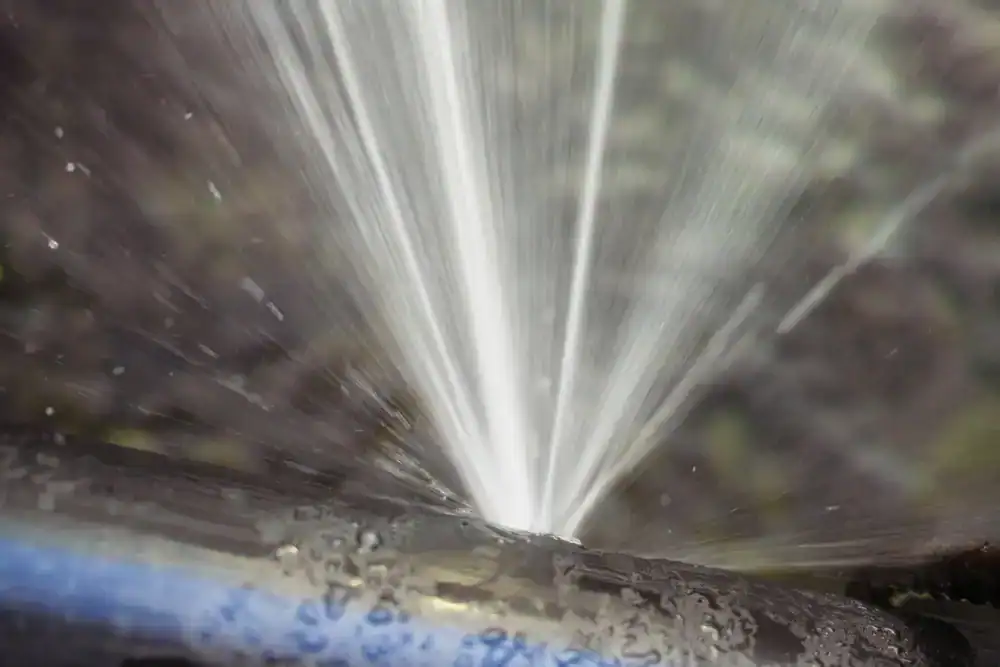
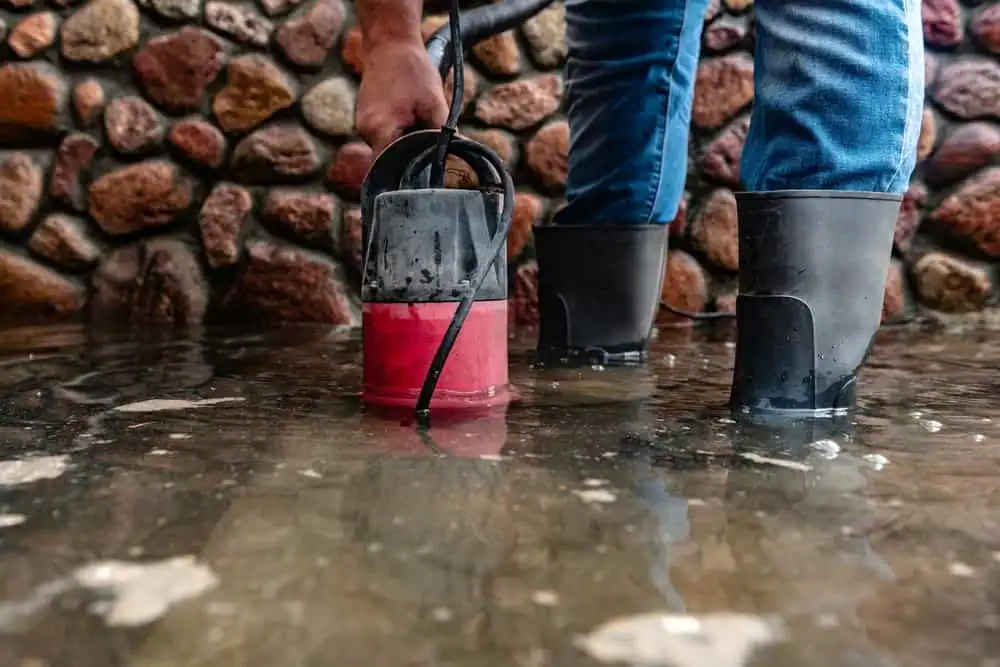
When a Pipe Bursts in Woodbury, You Need One Call to Fix All of It
We handle everything from emergency water extraction to finished reconstruction — and work directly with your insurance company so you don’t have to fight that battle alone.
I needed a professional consultation explanation of procedure for safe removal of Asbestos in my apartment complex. Without having an account yet, I was very impressed with the caring, knowledgeable and generous advice offered by Jessica, and will look forward to doing business in the future. Thank you so much! I feel much more informed about a sometimes scary endeavor. Peace. Nancy Silva Mineola, NY.
Mia Munoz
Used this company to clean up some water flood in my house. They were fast and easy to work with.very professional, Would recommend to anyone!
Nini Valle
Great company, had a flood and they responded quickly and efficiently. Billed my insurance company directly. I highly recommend this company!
joe colapietro, jr
I had pipe freeze in my basement right before a snow storm and they made to within an hour to help start the clean up process. They we by our side throughout the entire process and even helped with the insurance company. They did such a great job with the cleanup, repair, remidiation, I contracted them to perform the repairs and finishes in the basement. They came with enough manpower and material to get the job done. Leo and Jessica were nothing but a pleasure to deal with!!
Cristian Arredondo c
I had some water damage in my home and Green Island was able to take care of my issue quickly and effectively. I am very pleased with the work they did. They responded quickly and were very professional.
Michael M
Outstanding service! From the office to the field crew everyone was friendly, helpful and responsive. I highly recommend Green Island Group.
A burst pipe doesn’t just leave standing water. It soaks into wall cavities, gets under flooring, saturates insulation, and starts the clock on mold growth — all before you’ve had a chance to figure out who to call. What you actually need isn’t just someone with a shop vac. You need someone who can find every affected area, dry it correctly, and put everything back together.
For Woodbury homeowners, that window is tight. Orange County winters push temperatures into the single digits, and when a frozen pipe in an exterior wall or unheated garage finally thaws, the damage can spread fast. Homes in Woodbury — especially the older structures near the village center — often have pipe runs in places that weren’t built with modern insulation standards in mind. That’s where the real damage hides.
When the job is done right, you’re not left with open walls, a mold question mark, and a second contractor to find. You walk back into a room that looks and functions the way it did before. That’s the actual outcome — not just dry readings on a meter.
12 Years In, Every License Required, Nothing Subbed Out
We’ve been doing environmental restoration work in the Hudson Valley and Orange County for over 12 years. That’s not a tagline — it’s the reason we still have the same team, the same licenses, and the same accountability when we show up to your door in Woodbury.
We hold NYS and NYC M/WBE Certified Contractor status — a credential that requires actual documentation, financial auditing, and verification by state agencies, not a logo you buy a membership for. We work with the NYS Office of General Services. We carry full liability insurance and workers’ compensation. And we hold the New York State mold remediation contractor license required under Article 32 of the Labor Law — which means any mold work done in your Woodbury home is legal, documented, and defensible if it ever comes up in a future sale.
We serve the full stretch of Orange County, and Woodbury’s position on the local commuter routes means response time from our Hudson Valley service area is as direct as it gets.
From the Middle of the Night to the Finished Room — Here's the Sequence
The first call triggers a real dispatch — not an answering service, not a callback form. We run 24/7 emergency response, and in a burst pipe situation, that matters more than almost anything else. The 24 to 48-hour window before mold can begin growing is not a marketing stat. It’s a hard deadline, and every hour of delay narrows your options and expands your costs.
Once on-site, we do a full moisture assessment before anything else. That means thermal imaging and calibrated moisture meters — not a visual scan. Water migrates. It travels through wall cavities, under subfloors, and into insulation in ways you can’t see. Every affected area gets mapped before extraction begins, so nothing gets missed and dried over.
From there, extraction and structural drying happen in a controlled sequence. If walls need to come down — and in many Woodbury homes with older construction, they do — we handle that in-house, including asbestos testing if the structure warrants it. Once the environment is verified dry, reconstruction begins. The same company that pulled the water out puts your home back together. One contractor, one insurance conversation, one finished job.
We don’t handle the wet work and hand you a list of GCs to call for the rebuild. Our full scope covers emergency water extraction, structural drying, moisture mapping, mold remediation, asbestos abatement when required, and complete structural reconstruction — all under one roof, one contract, and one insurance claim.
The insurance piece is worth stopping on. We work directly with your carrier. We document the damage in the format adjusters need, communicate with the adjuster throughout the process, and advocate for what your policy actually covers — not what the insurer’s first offer happens to be. Real customers have described this as the most valuable part of the whole experience, and in a market where Woodbury homeowners are often navigating a major claim for the first time, having someone who knows how that process works is the difference between a fair settlement and leaving money on the table.
For situations where insurance timing creates a cash flow gap — a dispute, a deductible, a delay between when work needs to start and when the claim pays out — we offer financing up to $200,000 at 0% APR. No competitor in Orange County is offering that. Waiting on a remediation because of an insurance timing issue is one of the most expensive decisions a homeowner can make. That financing option exists specifically so you don’t have to make it.
How fast does mold actually start growing after a burst pipe in Woodbury?
Mold can begin growing within 24 to 48 hours of water exposure — and that window doesn’t care what time of day the pipe burst or how busy your week is. In Woodbury’s climate, where extended cold snaps regularly push temperatures into the single digits, a pipe that freezes overnight and thaws the next afternoon can release a significant amount of water into wall cavities and under flooring before anyone notices.
The tricky part is that the areas most at risk — inside wall cavities, behind baseboards, under subfloors — are the ones you can’t see. A surface that looks dry to the eye can have active moisture levels that support mold growth on the back side of the drywall or on the framing behind it. That’s why moisture mapping with thermal imaging matters. If a restoration company doesn’t do a full moisture assessment before they start drying, there’s a real chance something gets missed, dried over, and shows up as a mold problem six months later.
Does homeowners insurance actually cover burst pipe damage in Woodbury, NY?
In most cases, yes — sudden and accidental pipe bursts are covered under standard homeowners insurance policies in New York. What gets disputed is the scope. Insurers will often acknowledge the immediate water damage but push back on secondary damage, contents, or the full cost of reconstruction. That’s where a lot of Woodbury homeowners feel the most friction.
The documentation you submit matters enormously. Adjusters work from what’s in front of them, and a restoration company that documents damage in the format adjusters require — moisture readings, thermal images, itemized scope of work — gives you a much stronger claim than a company that hands you a one-page estimate. We handle that documentation process and communicate directly with your carrier throughout the job. If the adjuster’s first offer doesn’t reflect what your policy covers, you want someone in your corner who knows how to push back with evidence, not just frustration.
What's the difference between a plumber and a water damage restoration company?
A plumber fixes the pipe. A water damage restoration company handles everything the water did after the pipe broke. These are two completely different scopes of work, and you typically need both — in that order.
Once the pipe is repaired and the water is shut off, you’re left with saturated walls, wet insulation, soaked flooring, and a mold clock that’s already running. That’s where restoration begins. The process involves extracting standing water, mapping moisture with specialized equipment, running controlled structural drying, and then assessing whether any materials need to come out — drywall, insulation, flooring, framing. In older Woodbury homes, that assessment may also include checking for asbestos-containing materials in the walls before anything gets disturbed. A plumber isn’t equipped for any of that, and a restoration company that stops at drying isn’t equipped to put your home back together. The full scope — from extraction through reconstruction — is what we cover.
How do I know if my Woodbury home has hidden water damage after a burst pipe?
The short answer is that you probably can’t tell just by looking. Water travels. It follows the path of least resistance through wall cavities, under flooring, along framing, and into insulation — and it does all of that before it shows up as a visible stain or a soft spot in the floor. By the time something looks wrong on the surface, the damage behind it is usually more extensive than the surface suggests.
The reliable way to find hidden moisture is with thermal imaging cameras and calibrated moisture meters. Thermal imaging picks up temperature differentials in walls and ceilings that indicate moisture presence — areas that look fine visually will show up clearly on a thermal scan if they’re wet. Moisture meters give you actual readings to confirm. This equipment-based assessment is standard in our restoration process, and it’s the only way to be confident that everything affected has been identified before drying begins. Skipping this step is how you end up with a mold problem months after the initial repair.
Can I dry out burst pipe water damage myself instead of hiring a company?
You can manage surface water with fans and a dehumidifier, but that’s not the same as structural drying — and the difference matters a lot. Consumer-grade equipment doesn’t generate the airflow or the drying capacity to pull moisture out of wall cavities, insulation, and subfloor assemblies. What it does is dry the surface while leaving the moisture inside the structure, which creates exactly the conditions mold needs to grow.
There’s also a documentation issue. If you’re planning to file an insurance claim — which most Woodbury homeowners with significant damage will be — self-remediation without professional documentation can complicate or reduce your payout. Insurers want to see a professional moisture assessment, a documented drying process, and post-drying verification readings. Without that paper trail, you’re relying on the adjuster’s assessment alone, which is rarely in your favor. For minor surface spills, DIY cleanup is reasonable. For anything that involved water inside walls, under floors, or in insulation, professional restoration is the financially smarter call.
How much does burst pipe water damage restoration typically cost in Woodbury, NY?
The range is wide because the scope varies significantly. A contained burst in a single room with no structural damage and fast response might run $3,000 to $6,000. A pipe that went undetected — common in homes with unoccupied spaces, finished basements, or pipes running through exterior walls in older Woodbury properties — can push well past $20,000 once mold remediation and reconstruction are factored in. The single biggest cost driver is time. Every hour between when the pipe burst and when extraction begins is more moisture inside the structure, more potential mold growth, and more material that may need to come out rather than just dry out.
Insurance typically covers sudden and accidental burst pipe damage under standard homeowners policies in New York, which means most of these costs shouldn’t come entirely out of pocket. What you pay out of pocket is primarily your deductible — unless the claim gets disputed, in which case having a restoration company that documents and advocates on your behalf becomes a direct financial benefit. We also offer financing up to $200,000 at 0% APR for situations where the insurance timeline creates a gap between when work needs to start and when payment arrives.