When a Yorktown Heights Pipe Freezes and Breaks, We Stop the Damage Cold
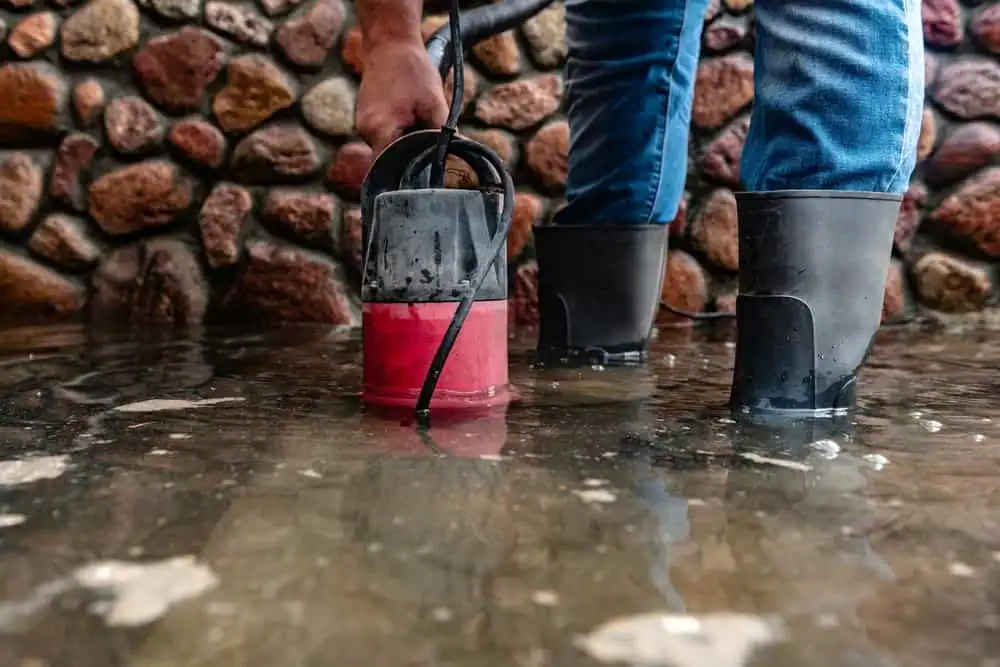
One call gets you a live crew, not a voicemail — handling everything from water extraction to finished walls so you’re not managing two contractors while your home is still wet.
I needed a professional consultation explanation of procedure for safe removal of Asbestos in my apartment complex. Without having an account yet, I was very impressed with the caring, knowledgeable and generous advice offered by Jessica, and will look forward to doing business in the future. Thank you so much! I feel much more informed about a sometimes scary endeavor. Peace. Nancy Silva Mineola, NY.
Mia Munoz
Used this company to clean up some water flood in my house. They were fast and easy to work with.very professional, Would recommend to anyone!
Nini Valle
Great company, had a flood and they responded quickly and efficiently. Billed my insurance company directly. I highly recommend this company!
joe colapietro, jr
I had pipe freeze in my basement right before a snow storm and they made to within an hour to help start the clean up process. They we by our side throughout the entire process and even helped with the insurance company. They did such a great job with the cleanup, repair, remidiation, I contracted them to perform the repairs and finishes in the basement. They came with enough manpower and material to get the job done. Leo and Jessica were nothing but a pleasure to deal with!!
Cristian Arredondo c
I had some water damage in my home and Green Island was able to take care of my issue quickly and effectively. I am very pleased with the work they did. They responded quickly and were very professional.
Michael M
Outstanding service! From the office to the field crew everyone was friendly, helpful and responsive. I highly recommend Green Island Group.
Your Home Dried, Documented, and Put Back Together
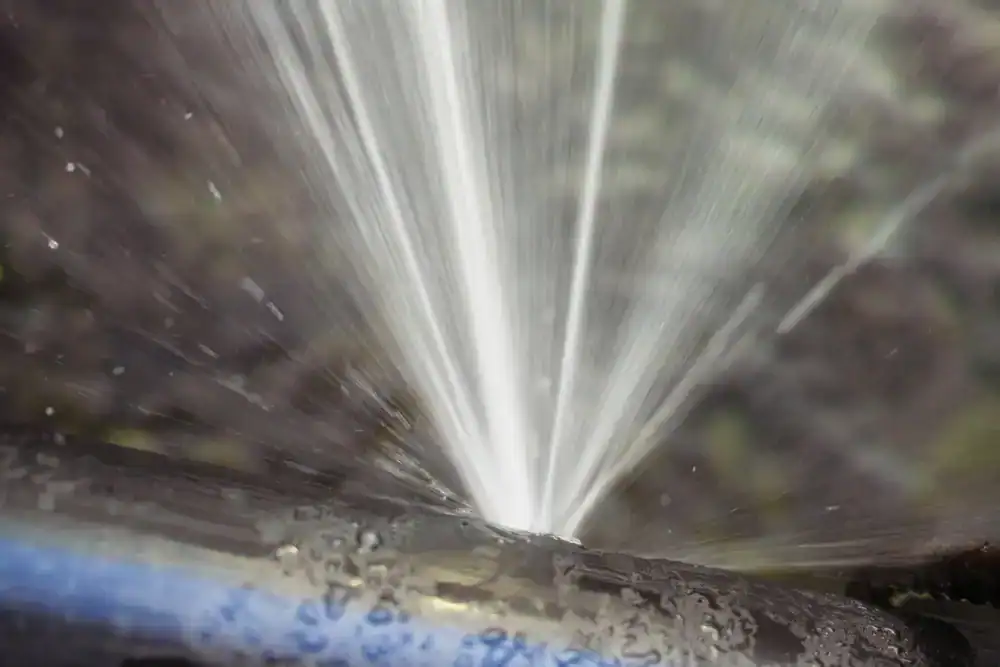
When a pipe lets go in a Yorktown Heights home — especially one of the Cape Cods or split-levels off Route 118 or tucked into the Shrub Oak neighborhoods — the water doesn’t just sit on the floor. It moves fast. It gets into wall cavities, under subfloors, and into insulation that was never meant to dry on its own. By the time you’ve turned off the water and called someone, the clock is already running.
The EPA puts it plainly: mold can begin growing on wet building materials within 24 to 48 hours. In a home with older construction — and Yorktown Heights has plenty of it — that timeline matters even more. Walls that aren’t properly dried and documented don’t just grow mold. They become a liability when you go to sell, and a headache your insurance carrier will use against you if the remediation wasn’t done right.
What you’re left with after working with us is a home that’s been moisture-mapped, fully dried, properly remediated, and rebuilt — with documentation your insurance carrier can’t argue with. Not a half-finished job with a dehumidifier rental and a prayer.
Restoration Contractor Serving Yorktown Heights NY
12 Years In Westchester, and We Still Answer at 2 AM
We’ve been doing environmental restoration work in Westchester County for over 12 years, which means we’ve worked in the post-war ranches near Jefferson Valley, the older colonials close to the New Croton Reservoir, and the homes along the Taconic corridor that take the worst of northern Westchester’s winters. We’re not a national franchise mapping your zip code onto a template — we’re a regional operator that knows what’s inside the walls of a 1960s Cape Cod in Yorktown Heights.
We’re NYS and NYC M/WBE certified, fully insured including liability and workers’ compensation, and licensed for mold remediation under Article 32 of New York State Labor Law. Those aren’t just credentials to list — they’re the things that protect you legally and financially when walls get opened and work gets documented.
And our 0% APR financing up to $200,000 means you don’t have to wait for an insurance dispute to resolve before you start protecting your home.
From the First Call to a Finished Room — Here's How We Actually Work
It starts with a live answer, any hour. When you call, you’re talking to someone who can dispatch a crew — not a service that takes your number and schedules a morning callback. In January in Yorktown Heights, where overnight temperatures regularly drop below 20°F and a frozen pipe can release water for hours before anyone notices, that difference is the difference between a contained loss and a gutted room.
When our crew arrives, the first thing we do is assess the full scope — not just what’s visible. Moisture mapping equipment finds water that has traveled into wall cavities, under flooring, and into structural framing that looks dry from the surface. In homes built before 1978, which covers a significant portion of Yorktown Heights’ housing stock, that assessment also includes checking for asbestos-containing materials before anything gets cut or demolished. We handle abatement in-house, so there’s no delay waiting on a separate contractor.
From there, the process moves through extraction, structural drying, remediation, and reconstruction — all under one roof. Your insurance carrier gets the documentation they need, formatted the way adjusters actually use it, and we communicate directly with them throughout. You manage one company, one timeline, and one point of contact until the job is done.
This isn’t a remediation-only service that leaves you with open walls and a list of contractors to call. We cover the full scope: emergency water extraction, industrial structural drying, moisture mapping, mold remediation, asbestos abatement when needed, and complete reconstruction back to finished condition. Every phase is handled by the same company, under the same license, with the same accountability.
For Yorktown Heights homeowners specifically, the asbestos piece is worth understanding before a pipe bursts — not after. Homes built before 1978 in Westchester County have a real probability of containing asbestos in pipe insulation, floor tiles, joint compound, and ceiling materials. When walls get opened during remediation, disturbing those materials without a licensed abatement contractor is a violation of New York State law and a health risk to your family. Because we carry that capability in-house, it gets addressed as part of the job — not as a separate discovery that stops the project cold.
The insurance piece is equally hands-on. We work directly with your carrier — documenting damage in the format adjusters require, communicating on your behalf, and pushing for full coverage. Homeowners consistently describe this as the part of the experience they didn’t know they needed until they had it.
Does homeowners insurance actually cover burst pipe damage in Yorktown Heights?
In most cases, yes — but the details matter. Standard homeowners insurance policies in New York typically cover sudden and accidental water damage from a burst pipe, which includes the cost of drying, remediation, and rebuilding damaged areas. What they often don’t cover is the pipe itself, or damage that resulted from a slow leak that went unaddressed over time. Carriers draw a clear line between sudden loss and gradual damage, and they will look for evidence of which one it was.
That’s exactly why documentation matters from the first hour. If your Yorktown Heights home takes water damage at 2 AM and you wait until morning to call, your carrier may question why the response was delayed — and use that to reduce the payout. We document the damage in real time, communicate directly with your adjuster, and build the paper trail that supports a full claim. That process starts the moment our crew arrives, not after the fact.
How quickly does mold start growing after a pipe bursts in my Yorktown Heights home?
The EPA’s guidance is 24 to 48 hours, and that’s not a worst-case scenario — it’s the standard window under normal indoor conditions. In a Yorktown Heights home where a pipe has released water into wall cavities, insulation, or a subfloor assembly, the conditions for mold growth are often present well before that window closes. The materials inside older walls — wood framing, paper-faced drywall, fiberglass insulation — absorb moisture quickly and don’t release it without mechanical drying.
The problem is that none of this is visible from the surface. A wall can look and feel dry while holding enough moisture inside to support active mold growth. That’s why moisture mapping is a non-negotiable part of the process, not an optional add-on. By the time mold is visible or you can smell it, you’re looking at a significantly larger remediation scope — and a much harder conversation with your insurance carrier about what was done, when, and by whom.
What should I do immediately after a pipe bursts in my Yorktown Heights home?
Shut off the water at the main valve first — that stops the source. If you’re not sure where your main shutoff is, it’s typically located near the water meter, which in most Yorktown Heights homes is in the basement or utility area. Once the water is off, don’t run fans or try to dry things yourself with household equipment. Consumer fans move air, but they don’t remove moisture from wall cavities or subfloor assemblies — and they can actually spread contaminated water further if the source was a drain line rather than a supply line.
Call a licensed restoration contractor before you call your insurance company. That order matters. When you have a professional assessment and documentation in hand before the adjuster gets involved, you’re in a far stronger position. We can be on-site in Yorktown Heights the same night, assess the full scope with moisture mapping equipment, and begin extraction before the damage compounds. That documentation becomes the foundation of your claim — not something you’re trying to reconstruct after the fact.
Do I need to worry about asbestos if walls are opened in my older Yorktown Heights home?
If your home was built before 1978 — and a large portion of Yorktown Heights’ housing stock was, given the post-war Cape Cod and split-level construction that defines neighborhoods like Shrub Oak and the areas around Jefferson Valley — then yes, asbestos is a real consideration before any wall gets opened. Asbestos was commonly used in pipe insulation, floor tiles, ceiling tiles, joint compound, and plaster in homes built during that era. Disturbing those materials without a licensed abatement contractor is a violation of New York State law and creates genuine health risk.
This is one of the most overlooked parts of burst pipe remediation, and it’s where hiring the wrong contractor can create a much bigger problem than the water damage itself. We carry in-house asbestos abatement capability, which means the assessment happens before demolition begins — not as a surprise midway through the job. If abatement is needed, it’s handled as part of the project without stopping the timeline or adding a separate contractor to coordinate.
How long does burst pipe restoration take from start to finish in Westchester County?
The honest answer is that it depends on how much water got in, how long it was there, and what materials were affected. A contained loss — say, a supply line failure caught within a few hours in a finished basement — might move through extraction, drying, and reconstruction in one to two weeks. A loss that went undetected overnight, or that involved water traveling through multiple floor assemblies in a two-story home, can take three to four weeks or more once you factor in structural drying time, any mold remediation, and reconstruction.
In Yorktown Heights specifically, older homes with crawl spaces or unheated basement areas can complicate the drying timeline because those spaces hold moisture longer and require more aggressive drying equipment. New York State’s mold remediation licensing requirements also mean that remediation work has to be performed by a licensed contractor and documented to state standards — which adds a layer of process that shortcuts can’t skip. We manage that timeline transparently, keep you informed at each phase, and coordinate directly with your insurance carrier so you’re not chasing updates from two directions at once.
Can you handle both the remediation and the rebuild, or do I need a separate contractor?
You don’t need a separate contractor — that’s one of the clearest advantages of working with us. Most restoration companies stop at remediation. They dry things out, remove damaged materials, and hand you back a home with open walls and a referral list. You then have to find, vet, schedule, and manage a separate general contractor to put everything back together — while living in a partially demolished house and still managing your insurance claim.
We handle the full arc from emergency response through finished reconstruction. For a Yorktown Heights homeowner managing a household, a commute, and a disrupted living situation, that single-contractor model removes a significant amount of coordination burden. It also protects the quality of the outcome — there’s no gap between the remediation contractor and the rebuild contractor where things get missed, misrepresented, or left undocumented. One company owns the job from the first call to the last coat of paint, and one company is accountable for the result.