Amagansett properties carry real history and real complexity. We handle demolition, hazmat abatement, and permitting so your project moves forward clean.
I needed a professional consultation explanation of procedure for safe removal of Asbestos in my apartment complex. Without having an account yet, I was very impressed with the caring, knowledgeable and generous advice offered by Jessica, and will look forward to doing business in the future. Thank you so much! I feel much more informed about a sometimes scary endeavor. Peace. Nancy Silva Mineola, NY.
Mia Munoz
Used this company to clean up some water flood in my house. They were fast and easy to work with.very professional, Would recommend to anyone!
Nini Valle
Great company, had a flood and they responded quickly and efficiently. Billed my insurance company directly. I highly recommend this company!
joe colapietro, jr
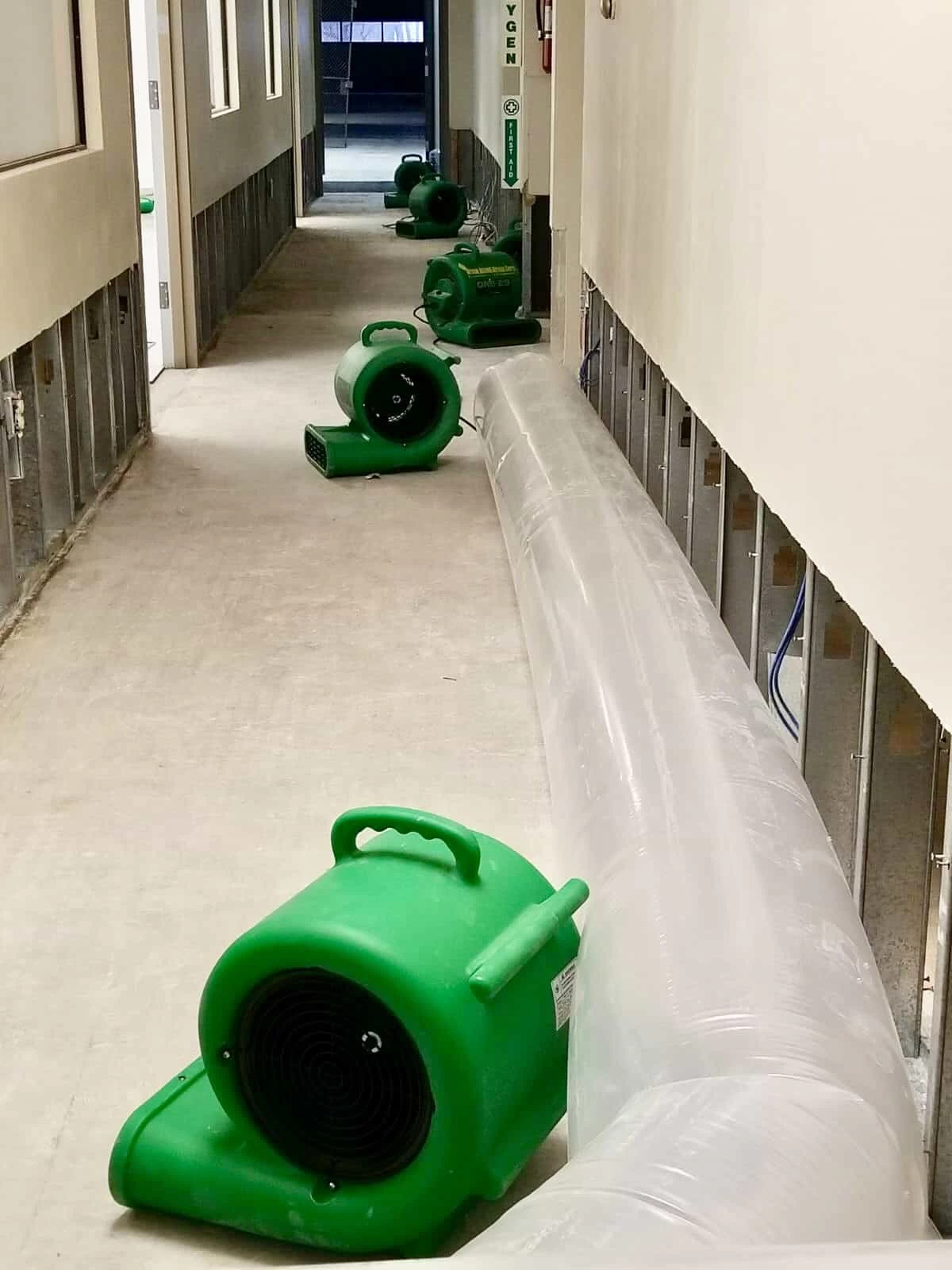
I had pipe freeze in my basement right before a snow storm and they made to within an hour to help start the clean up process. They we by our side throughout the entire process and even helped with the insurance company. They did such a great job with the cleanup, repair, remidiation, I contracted them to perform the repairs and finishes in the basement. They came with enough manpower and material to get the job done. Leo and Jessica were nothing but a pleasure to deal with!!
Cristian Arredondo c
I had some water damage in my home and Green Island was able to take care of my issue quickly and effectively. I am very pleased with the work they did. They responded quickly and were very professional.
Michael M
Outstanding service! From the office to the field crew everyone was friendly, helpful and responsive. I highly recommend Green Island Group.
Amagansett isn’t a typical demolition market. The homes here many built before 1980, some dating back to the early 1700s often contain asbestos in insulation, flooring, drywall, and pipe wraps. When you hire a demolition contractor who can’t handle that in-house, the project stops the moment it starts. You’re suddenly coordinating a second licensed firm, watching your timeline fall apart, and managing a problem you didn’t expect.
When demolition and abatement are handled under one roof, the project stays on track. No second mobilization. No gap between who found the asbestos and who’s legally allowed to remove it. For property owners managing a renovation or teardown from New York City which describes a large share of Amagansett’s homeowner base that kind of seamless coordination isn’t a luxury. It’s what keeps a high-value project from becoming a high-cost headache.
There’s also the coastal reality. Properties along Atlantic Avenue, Bluff Road, and the Amagansett Dunes face storm exposure that the rest of Long Island simply doesn’t. When a nor’easter or hurricane-related surge damages a structure, the window to respond matters. Delayed demolition of a compromised building compounds the damage and complicates the insurance claim. Having a contractor who responds fast and documents everything correctly from the start puts you in a far better position with the property and with your insurer.
We’re a Suffolk County-based demolition and environmental remediation contractor with over 12 years of experience and more than 5,000 completed projects across Long Island and New York City. We already serve Amagansett directly with a dedicated presence in the East Hampton area and a track record that includes the specific regulatory environment East Hampton Town requires.
What makes the difference isn’t just experience it’s scope. We hold active NYS Department of Labor asbestos certifications, carry over $2,000,000 in general liability coverage, and handle everything from pre-demolition environmental testing to debris removal and site prep. That means one contractor, one point of contact, and no handoff gaps on your project.
For property owners in Amagansett dealing with older structures near Devon Colony, the Amagansett Historic District, or anywhere along the Route 27 corridor, that integrated capability isn’t a selling point it’s the practical requirement for getting the job done right in this hamlet.
It starts with a site assessment. Before any work begins, the structure is evaluated for scope, access, and environmental conditions. For pre-1980 properties in Amagansett which covers a significant portion of the hamlet’s housing stock bulk sampling for asbestos is conducted and sent to a certified lab. This step isn’t optional under New York State law, and skipping it creates serious liability. The assessment usually runs $600–$1,800 depending on the number of samples required.
Once the environmental picture is clear, permitting begins. In Amagansett, that means filing with the Town of East Hampton Building Department. If your property sits within the Amagansett Historic District, there’s an additional layer: the Architectural Review Board requires approved plans for the proposed new construction before demolition approval is granted. That’s a step that catches contractors unfamiliar with East Hampton Town’s process off guard and it’s one we’ve navigated before.
After permits are secured and any required abatement is complete, demolition proceeds. Debris is removed, materials are sorted for recycling where applicable, and the site is left prepared for whatever comes next whether that’s new construction, a foundation pour, or a clean handoff to your general contractor or architect. The whole process is documented throughout, which matters especially if you’re managing an insurance claim alongside the project.
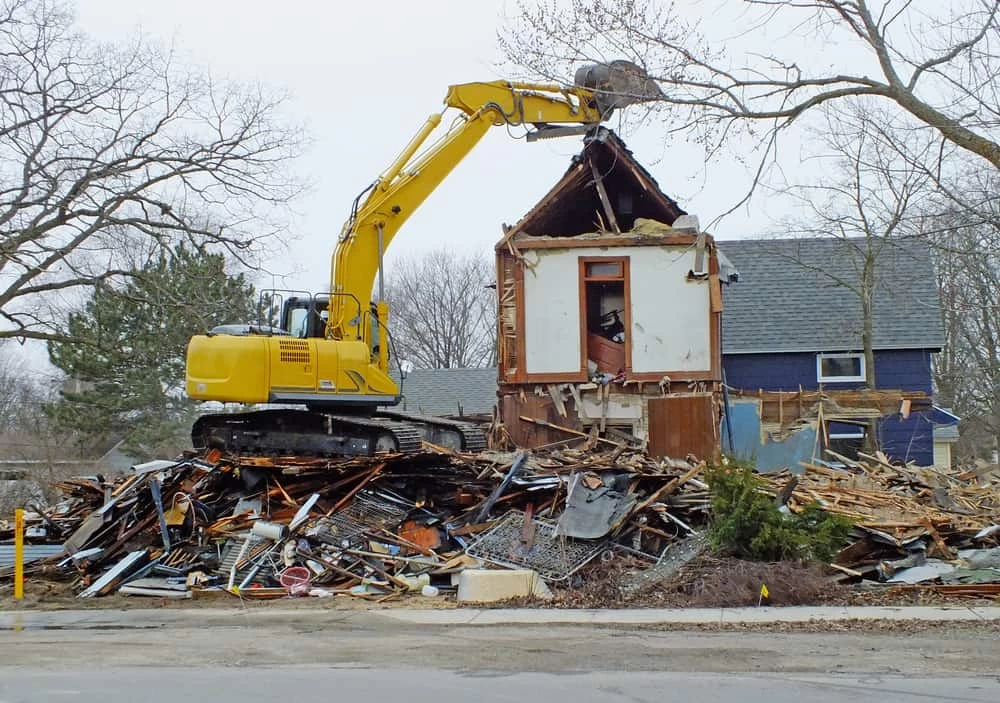
We handle the full range of demolition work that comes up in a community like Amagansett residential teardowns, interior gut demolitions, commercial property work, and emergency demolition following storm or water damage. Whether you’re tearing down a mid-century cottage in Beach Hampton to build new construction, gutting the interior of a commercial space along Amagansett Square, or responding to structural damage after a coastal storm, the scope of work is covered.
For residential projects, that means handling the pre-demolition asbestos and lead paint inspection, securing the East Hampton Town building permit, completing any required abatement, executing the demolition itself, and clearing the site. For properties within the Amagansett Historic District, the ARB process is built into the timeline from the start not treated as an afterthought. Coastal properties near the Dunes or along Gardiner’s Bay may also require NYSDEC review depending on their proximity to tidal wetlands or coastal erosion hazard areas, and that’s factored in accordingly.
Emergency demolition is available 24/7. When storm damage creates an urgent situation a structurally compromised wall, a flood-damaged foundation, a roof collapse the response time matters. We have documented response times under one hour in emergency situations, and our team is experienced in working alongside insurance adjusters to ensure the damage is properly documented before and during the work.
Do I need a permit to demolish a building in Amagansett, NY?
Yes every demolition in Amagansett requires a building permit from the Town of East Hampton Building Department. There are no size exemptions that allow you to skip the permit process for residential or commercial structures. The application needs to include the scope of work, and for properties within the Amagansett Historic District, you’ll also need Architectural Review Board approval before the demolition permit can be issued.
The ARB step is one that surprises a lot of property owners and out-of-area contractors. The board doesn’t just review the demolition they require that plans for the proposed new construction or site use be submitted and approved first. That means your demo permit is tied to your build plan, and the timeline needs to account for both reviews. Working with a contractor who’s already familiar with East Hampton Town’s specific process keeps that from becoming a costly delay.
What happens if asbestos is found during demolition of my Amagansett home?
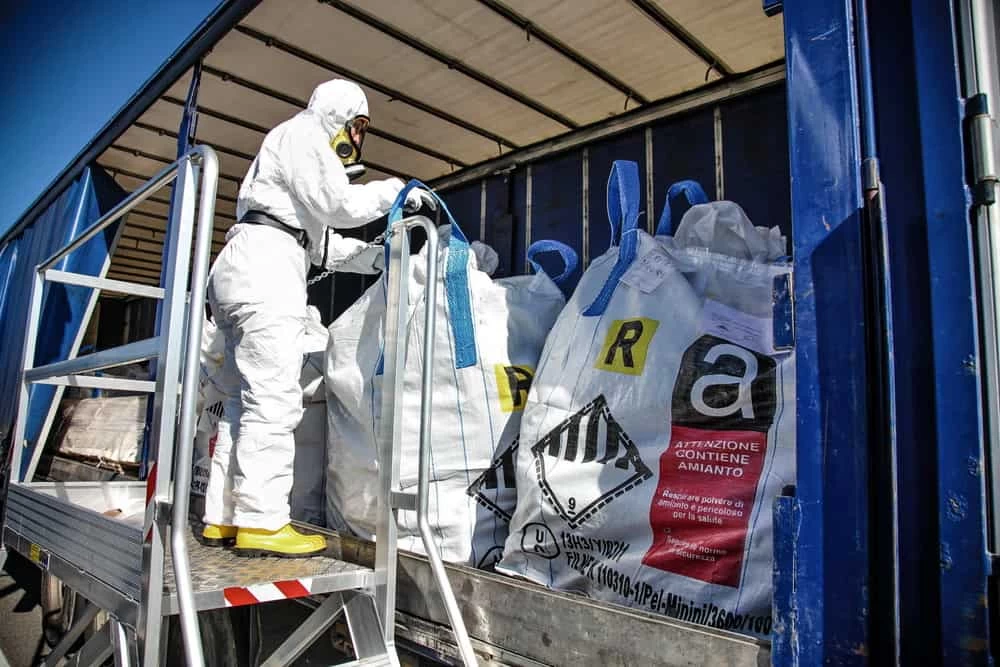
If asbestos-containing materials are identified during pre-demolition inspection which is required by New York State law before any demolition of a structure that may contain them work cannot proceed until licensed abatement is completed. For a pre-1980 home in Amagansett, that’s a realistic scenario. Asbestos commonly turns up in pipe insulation, floor tiles, textured drywall, roofing materials, and joint compound in homes built during that era.
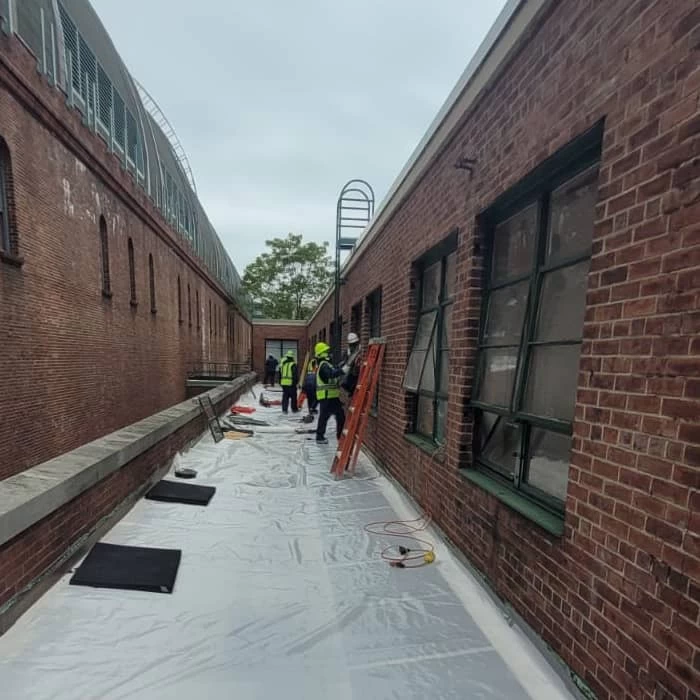
The abatement process involves containing the affected areas, removing the materials under negative air pressure, and disposing of them through licensed hazardous waste channels. With a contractor who handles abatement in-house, this doesn’t require stopping the project and bringing in a second firm it’s handled by the same licensed team already on site. Pre-demolition bulk sampling for a residential property in the East End typically runs $600–$1,800 for a full survey, and the abatement cost varies based on the type and quantity of materials found. Asbestos and lead paint removal can add 10–45% to the overall demolition cost, but there’s no legal way to skip it.
How much does it cost to demolish a house in Amagansett?
Full residential demolition in the Hamptons area typically ranges from $15,000 to $40,000 or more depending on the size of the structure, the presence of hazardous materials, access conditions, and disposal requirements. Interior-only demolition often called a gut demo generally runs $2 to $7 per square foot. Those ranges can shift significantly based on what’s found during the pre-demolition environmental inspection.
In Amagansett specifically, a few factors tend to push costs toward the higher end. The age of the housing stock means asbestos and lead paint are common, and abatement adds to the total. Properties in coastal zones or near tidal wetlands may require additional permitting through NYSDEC, which adds time and cost. Because many Amagansett properties are high-value estates with adjacent structures, landscaping, or proximity to protected land, the demolition work requires more precision and planning than a straightforward suburban teardown. The best way to get an accurate number is a site assessment costs are hard to estimate accurately without seeing the structure.
Does the Amagansett Historic District affect my demolition project?
It does, and it’s worth understanding before you start the permitting process. Properties within the Amagansett Historic District are subject to Architectural Review Board oversight under the East Hampton Town Code. The ARB’s role in demolition isn’t just advisory they require that plans for the new construction or proposed use of the site be submitted and approved before demolition approval is granted. That means you can’t pull a standalone demo permit for a historic district property without a build plan already in hand.
The practical implication is that your timeline needs to be sequenced correctly. If you’re planning a teardown-rebuild, your architect’s plans need to be far enough along to satisfy the ARB before demolition work can legally begin. For property owners working from outside the area which is common in Amagansett this is the kind of local procedural detail that can set a project back by weeks or months if it’s not anticipated. A contractor who knows East Hampton Town’s process builds that sequence into the project plan from the first conversation.
Can you handle emergency demolition after storm damage in Amagansett?
Yes, and it’s one of the more common calls that comes in from Amagansett property owners. The South Shore of Long Island’s East End takes a direct hit from Atlantic storms, nor’easters, and hurricane-related surge and Amagansett’s oceanfront and bayfront properties are among the most exposed. When a storm compromises a structure, the decision about what needs to come down often has to happen quickly, before secondary damage makes the situation worse.
We operate 24/7 for emergency situations. Our response times in emergency calls have been documented under one hour, including during off-hours and adverse weather conditions. For second-home owners who may not discover storm damage until days after an event, that availability matters but so does what happens next. Emergency demolition in an insurance claim context requires thorough documentation: photos, scope assessments, and clear records of what was damaged and why it needed to come down. Our team is experienced in working alongside insurance adjusters and helping property owners build a clean claim record from the start of the remediation process.
How do I find a reliable licensed demolition contractor near Amagansett, NY?
The most important credentials to verify are NYS licensing for any asbestos abatement work, general liability insurance at $2,000,000 or higher, and direct familiarity with the Town of East Hampton’s permit process. A contractor who’s done work in the broader Long Island market but hasn’t navigated East Hampton Town’s Building Department or the ARB process for historic district properties will be learning on your project. That’s a real risk on a high-value job.
Beyond credentials, look for a contractor who handles the full scope in-house: environmental testing, abatement if needed, permitting, demolition, and site clearing. In a community like Amagansett, where properties often have pre-1980 construction, coastal zone considerations, and high land values, fragmenting that work across multiple vendors creates coordination gaps that cost time and money. We serve the Amagansett and East Hampton area directly, hold the required NYS certifications, and carry the insurance coverage the work demands with over 5,000 completed projects and 12 years of operational history behind us.