When Aquebogue's Older Homes Need to Come Down Right
Aquebogue properties come with history and sometimes that history includes asbestos, aging materials, and a permit process that can stall your project before it starts. We handle all of it, so you don’t have to.
I needed a professional consultation explanation of procedure for safe removal of Asbestos in my apartment complex. Without having an account yet, I was very impressed with the caring, knowledgeable and generous advice offered by Jessica, and will look forward to doing business in the future. Thank you so much! I feel much more informed about a sometimes scary endeavor. Peace. Nancy Silva Mineola, NY.
Mia Munoz
Used this company to clean up some water flood in my house. They were fast and easy to work with.very professional, Would recommend to anyone!
Nini Valle
Great company, had a flood and they responded quickly and efficiently. Billed my insurance company directly. I highly recommend this company!
joe colapietro, jr
I had pipe freeze in my basement right before a snow storm and they made to within an hour to help start the clean up process. They we by our side throughout the entire process and even helped with the insurance company. They did such a great job with the cleanup, repair, remidiation, I contracted them to perform the repairs and finishes in the basement. They came with enough manpower and material to get the job done. Leo and Jessica were nothing but a pleasure to deal with!!
Cristian Arredondo c
I had some water damage in my home and Green Island was able to take care of my issue quickly and effectively. I am very pleased with the work they did. They responded quickly and were very professional.
Michael M
Outstanding service! From the office to the field crew everyone was friendly, helpful and responsive. I highly recommend Green Island Group.
No Surprises. No Stop-Work Orders. No Second Contractor.
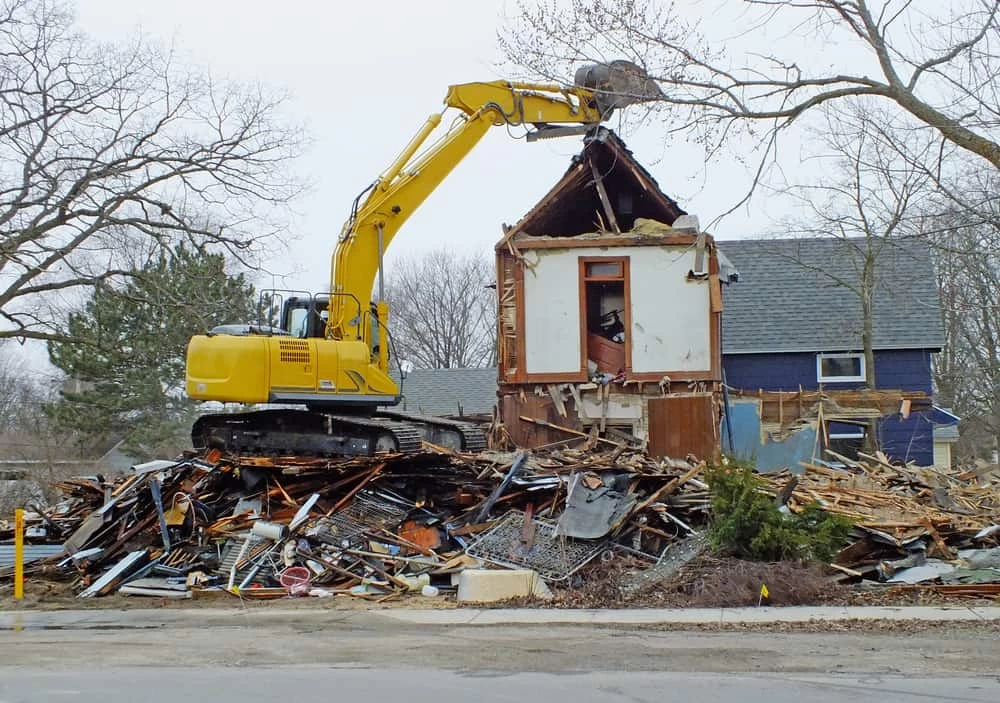
A lot of demolition projects in Aquebogue start the same way someone pulls a wall, finds something they weren’t expecting, and suddenly the job is on hold while they scramble for answers. That’s the version of this process you want to avoid. When you hire a contractor who handles demolition and hazardous materials under one roof, that scenario doesn’t happen. The work keeps moving.
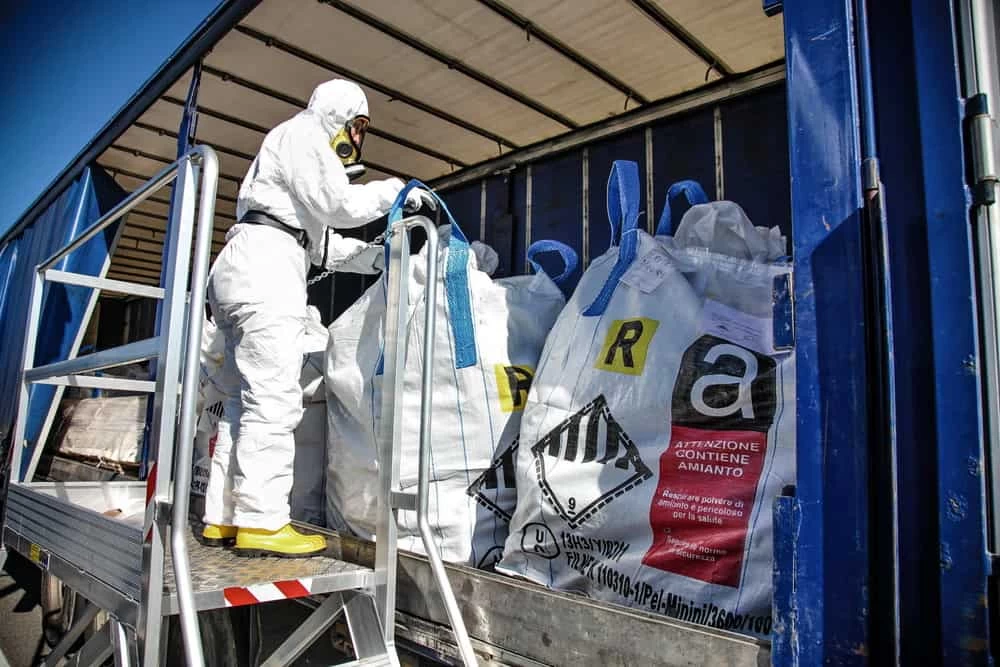
Many of the homes along Main Road and in the surrounding Aquebogue area were built before 1980. That means asbestos-containing materials in insulation, flooring, pipe wrapping, and ceiling tiles are a real possibility not a remote one. New York State law requires a licensed asbestos inspection before demolition can legally proceed, and if regulated materials are found, they have to be abated before a single wall comes down. We are NYS DOL certified for asbestos abatement and handle it in-house, so there’s no gap between the abatement phase and the demolition phase.
For properties near Meetinghouse Creek, Flanders Bay, or the BayWoods waterfront community, there’s an added layer wetlands compliance, flood zone considerations, and the reality that nor’easters have specifically flooded roads in this area. Whether you’re dealing with storm damage or planning a full teardown, having one contractor who understands the local geography and the Town of Riverhead’s permit requirements makes the entire process faster and far less stressful.
Licensed Demolition Contractors Serving Aquebogue, NY
12 Years In, 5,000 Projects Deep We Know Aquebogue
We’re based in Bohemia, NY about 30 to 40 minutes from Aquebogue via the LIE and Route 58. That proximity matters. When a nor’easter rolls through and Meetinghouse Creek Road floods, we can actually get to Aquebogue properties the same day. Our 24/7 availability isn’t a line on a website customers have written reviews specifically calling out response times under an hour during emergency events.
Over 12 years and more than 5,000 completed projects across Suffolk County, we’ve worked on everything from mid-century ranches and Cape Cods to commercial structures and agricultural outbuildings. We hold active NYS DOL asbestos contractor certification, carry $2 million or more in general liability insurance, and are registered with the NYC Department of Buildings. We’re also a certified MWBE which means we’ve been vetted at a level most contractors haven’t.
What that means for Aquebogue homeowners: one contractor, one point of contact, and a team that has done this exact type of work in this exact market before.
From First Call to Clear Site Here's What to Expect
It starts with a site assessment. Before anything else, we walk the property, evaluate the scope of work, and determine what’s required before demolition can begin. For most Aquebogue properties especially those built before 1980 that means a pre-demolition asbestos inspection. This isn’t optional in New York, and skipping it creates real legal and financial exposure. We handle the inspection, and if abatement is needed, we complete it in-house before the demolition phase begins.
Next comes permitting. In Aquebogue, that means working directly with the Town of Riverhead Building Department. Demolition permits here run $75 for structures under 1,000 square feet and $110 for structures over that threshold. They expire after six months, so timing matters. If your property sits near Meetinghouse Creek or the Peconic Bay shoreline, wetlands compliance under the Town’s Chapter 295 adds another step we know that process and handle the documentation so it doesn’t become a bottleneck for you.
Once permits are in hand, demolition proceeds. We manage debris removal, site cleanup, and any required utility disconnections. If you’re dealing with an insurance claim alongside the physical work common after storm damage on the North Fork we can work directly with your insurer to document the damage and keep the process moving on both sides.
Full-Scope Demolition Built for North Fork Properties
We handle residential demolition, commercial demolition, interior selective demolition, and full structural teardowns. For Aquebogue homeowners planning a gut renovation or teardown-and-rebuild, we manage the entire pre-construction phase asbestos abatement, mold remediation if needed, structural demolition, debris removal, and site preparation. You don’t need to coordinate three separate contractors to get from an existing structure to a cleared lot.
For commercial and agricultural properties the kind you find throughout the North Fork wine country corridor, from farm outbuildings near Paumanok Vineyards to older commercial structures along Route 25 we bring the same regulatory depth. Agricultural structures often contain hazardous materials from decades of use and require the same pre-demolition assessment as any residential property. We’re equipped for it.
Waterfront properties in BayWoods and along Peconic Bay Boulevard require particular attention to flood zone regulations and wetlands setbacks. Any structure in or adjacent to a designated wetland area in the Town of Riverhead triggers additional compliance requirements before a demolition permit is issued. We know which properties in Aquebogue are likely to trigger those requirements, and we build that into the project plan from the start so it doesn’t catch you off guard three weeks in.
Do I need a permit to demolish a structure in Aquebogue, NY?
Yes all demolition work in Aquebogue requires a permit issued by the Town of Riverhead Building Department. The fee structure is straightforward: $75 for structures under 1,000 square feet and $110 for structures over 1,000 square feet. Both are non-refundable, and the permit expires after six months, so if your project timeline stretches, you’ll need to account for that.
Beyond the permit fee itself, there are documentation requirements that catch people off guard. If your Aquebogue property is connected to the Riverhead Sewer District, you’ll need a disconnect letter before the permit is issued. Properties near tidal or freshwater wetlands which includes a meaningful number of Aquebogue properties given the proximity to Meetinghouse Creek and Flanders Bay require wetlands compliance under Chapter 295 of the Town Code before any permit can move forward. We handle the permit application and all supporting documentation as part of our process, so you’re not navigating the Building Department on your own.
Is asbestos testing required before demolition on an older Aquebogue home?
Under New York State law, yes a licensed asbestos inspection is required before any structure is demolished. If the inspector finds regulated asbestos-containing materials above threshold quantities, abatement must be fully completed and documented before demolition can legally begin. This applies to every property, regardless of size.
For Aquebogue specifically, this matters more than it might in a newer suburb. Many homes in this area were built before 1980, which is the general cutoff for widespread asbestos use in residential construction. Insulation, vinyl floor tiles, pipe wrapping, textured ceilings, and certain siding materials from that era routinely test positive. Local home inspectors who work in the Riverhead and Aquebogue area have specifically flagged older homes here for aging systems and materials that may be nearing or past their expected lifespan. The inspection isn’t just a legal requirement it’s genuinely useful information before you start swinging a hammer. We are NYS DOL certified for asbestos abatement and handle it in-house, so there’s no handoff to a separate company and no gap in your project timeline.
What happens if asbestos is found mid-project during a demolition in Aquebogue?
If asbestos is discovered after demolition has already started, work must stop in the affected area immediately. The site needs to be contained, the material needs to be tested, and if it’s regulated asbestos-containing material above the legal threshold, a licensed abatement contractor has to complete removal before work can resume. That’s where projects get expensive and timelines fall apart especially when the demolition contractor isn’t equipped to handle abatement and has to bring in a separate company.
This is one of the most common ways demolition projects in older communities like Aquebogue go sideways. A contractor starts the job, finds something unexpected, and suddenly you’re coordinating two companies, waiting on scheduling, and watching your timeline stretch by weeks. Because we handle both demolition and asbestos abatement in-house, we can contain the material, abate it, and continue without stopping work for days while you wait on a second contractor to show up. The pre-demolition inspection we complete before the project starts is specifically designed to prevent this scenario from happening at all.
How much does a residential demolition typically cost in Aquebogue, NY?
Demolition costs vary based on the size of the structure, the scope of work, site access, and whether hazardous materials are present. For a straightforward residential demolition of a modest single-family home in Aquebogue, costs generally range from $8,000 to $20,000 or more, depending on those variables. Larger structures, commercial buildings, or properties requiring asbestos abatement before demolition will fall at the higher end of that range.
A few Aquebogue-specific factors can affect cost. Properties near Meetinghouse Creek, Flanders Bay, or Peconic Bay may require additional wetlands compliance documentation, which adds to the pre-demolition process. Agricultural structures barns, outbuildings, storage facilities often require more labor-intensive debris removal depending on construction materials and site conditions. If asbestos abatement is required, that’s a separate line item that varies based on the type and quantity of materials found. The clearest way to get an accurate number for your specific property is a site visit and a written estimate we don’t quote demolition projects off a price list because no two properties in Aquebogue are the same.
Can we handle storm damage demolition on the North Fork after a nor'easter?
Yes and this is one of the more common calls we get from North Fork property owners. Nor’easters have specifically caused coastal flooding along Meetinghouse Creek Road and Peconic Bay Boulevard in Aquebogue, and waterfront structures, decks, outbuildings, and compromised foundations are a recurring casualty of those events. When that happens, you usually need someone on-site quickly both to assess whether the structure is safe and to begin the process of documenting damage for an insurance claim.
We operate 24 hours a day, seven days a week. That’s not a forwarding service it’s actual emergency availability, with documented response times that customers have specifically noted in reviews. For storm-damaged properties, we work alongside your insurance company, help document the damage properly, and manage the demolition and remediation work simultaneously. If you’re also dealing with mold from water intrusion which is common after a coastal flooding event we handle mold remediation in-house as well. You don’t need to manage multiple contractors while also navigating an insurance claim.
Do we handle demolition of barns and farm structures in Aquebogue?
Yes. Agricultural and farm structure demolition is a specific category of work we handle, and it’s particularly relevant on the North Fork. As vineyard and farmland properties in and around Aquebogue have appreciated in value and changed hands, old barns, equipment storage buildings, and agricultural outbuildings have increasingly needed to come down either to clear land for new use or because the structures have deteriorated beyond repair.
These buildings require the same pre-demolition assessment as any residential property. Older agricultural structures often contain asbestos-era materials, lead paint, and other hazardous materials from decades of use sometimes more than a typical residential home because of the industrial materials used in farm construction. The debris removal process is also more involved, since agricultural structures tend to be larger and less standardized than residential buildings. We bring the same licensed, insured, permit-managed process to farm and agricultural demolition that we bring to every other project type and we’re familiar with the specific land use and zoning considerations that apply to agricultural properties within the Town of Riverhead’s jurisdiction.