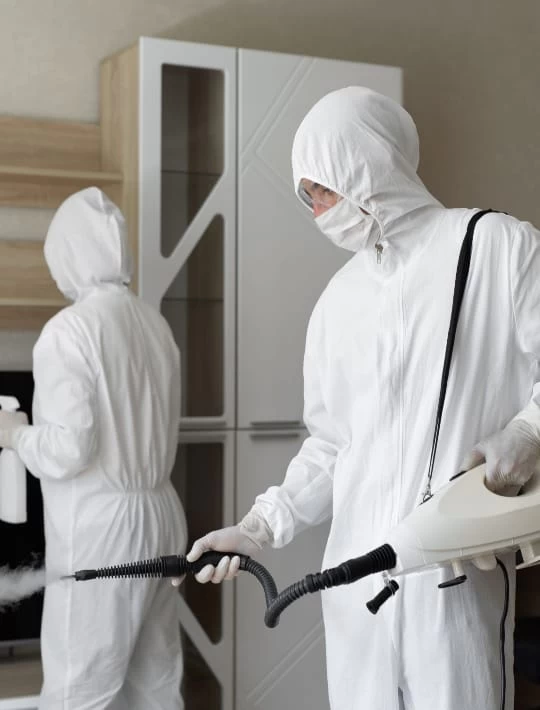
Most of the homes along Reynolds Channel were built in an era that routinely used asbestos, lead paint, and materials that can’t legally be touched without the right license. We handle the full scope — hazardous materials and all — so your demolition project doesn’t stop halfway through.
I needed a professional consultation explanation of procedure for safe removal of Asbestos in my apartment complex. Without having an account yet, I was very impressed with the caring, knowledgeable and generous advice offered by Jessica, and will look forward to doing business in the future. Thank you so much! I feel much more informed about a sometimes scary endeavor. Peace. Nancy Silva Mineola, NY.
Mia Munoz
Used this company to clean up some water flood in my house. They were fast and easy to work with.very professional, Would recommend to anyone!
Nini Valle
Great company, had a flood and they responded quickly and efficiently. Billed my insurance company directly. I highly recommend this company!
joe colapietro, jr
I had pipe freeze in my basement right before a snow storm and they made to within an hour to help start the clean up process. They we by our side throughout the entire process and even helped with the insurance company. They did such a great job with the cleanup, repair, remidiation, I contracted them to perform the repairs and finishes in the basement. They came with enough manpower and material to get the job done. Leo and Jessica were nothing but a pleasure to deal with!!
Cristian Arredondo c
I had some water damage in my home and Green Island was able to take care of my issue quickly and effectively. I am very pleased with the work they did. They responded quickly and were very professional.
Michael M
Outstanding service! From the office to the field crew everyone was friendly, helpful and responsive. I highly recommend Green Island Group.
What Changes When the Right Crew Shows Up in Bay Park
Bay Park isn’t a typical Long Island demolition job. The housing stock here is almost entirely pre-1980 — Cape Cods and bungalows built in the 1940s, 50s, and 60s, many of which have been through at least one major flooding event. When you’re gutting a basement that took on sewage-laced water during Sandy, or opening up walls in a 1958 kitchen, you’re not just dealing with old drywall. You’re dealing with materials that require a licensed abatement contractor before a single sledgehammer swings. Most demolition crews aren’t set up for that. When they find something, the project stops.
When you work with us — a contractor who holds the NYS Department of Labor Asbestos Handling Contractor License and handles mold remediation in-house — the project keeps moving. There’s no waiting on a third party, no scrambling to find someone who can legally deal with what’s behind the walls, and no surprise invoices that show up after the fact. You get a clear scope upfront, and the work gets done.
That matters even more in a community like Bay Park, where home values are averaging well over $600,000 and a paper trail — permits pulled, disposal manifests documented, clearance testing completed — directly affects what happens when you sell, refinance, or file an insurance claim. The right contractor protects the asset, not just the project.
We’re a full-service environmental contracting and demolition company based on Long Island, serving residential and commercial clients across Nassau and Suffolk counties. The work we do in Bay Park is the same work we do throughout the South Shore — and we know what that means. We know what the Town of Hempstead Building Department requires before a permit gets issued. We know what pre-1980 construction in Bay Park actually looks like behind the walls. And we know what flood damage does to a home that’s been sitting south of Sunrise Highway for sixty years.
What sets us apart isn’t a pitch — it’s licensing. Demolition, asbestos abatement, mold remediation, lead paint removal, and post-project restoration all fall under one contractor, one contract, and one project manager. You’re not coordinating three different crews. You’re making one call.
Before anything gets touched, we assess. That means a site walkthrough to understand the scope, identify any hazardous materials present, and confirm what the project actually requires — not what it looks like on the surface. In Bay Park, that step almost always matters. Homes built before 1980 have a high probability of containing asbestos in floor tiles, ceiling compounds, pipe insulation, or roofing materials. We test before we demo, not after.
Once the assessment is complete, we handle permitting. For Bay Park properties, that means filing with the Town of Hempstead Building Department under Chapter 86 — which requires sewer and water utilities to be disconnected at the street main before a permit is even issued. We manage that process. You don’t have to navigate it.
From there, any regulated materials are abated by our licensed team before structural demolition begins. When the demo is done, we provide disposal manifests that document exactly where every hazardous material went — from your property to a licensed disposal facility. If restoration work follows, that stays under our roof too. The whole job, start to finish, without handing you off to someone else.
Whether you’re doing a full structural teardown, gutting a flood-damaged interior, or clearing a single room before a renovation, the process is the same: licensed, documented, and done right the first time. For Bay Park homeowners, that typically means we’re handling more than just demolition. Asbestos abatement, mold remediation, and lead paint removal are services we perform in-house — not subcontracted out — because in a community where nearly every home was built before 1980 and many have experienced water intrusion, those services aren’t optional add-ons. They’re part of the job.
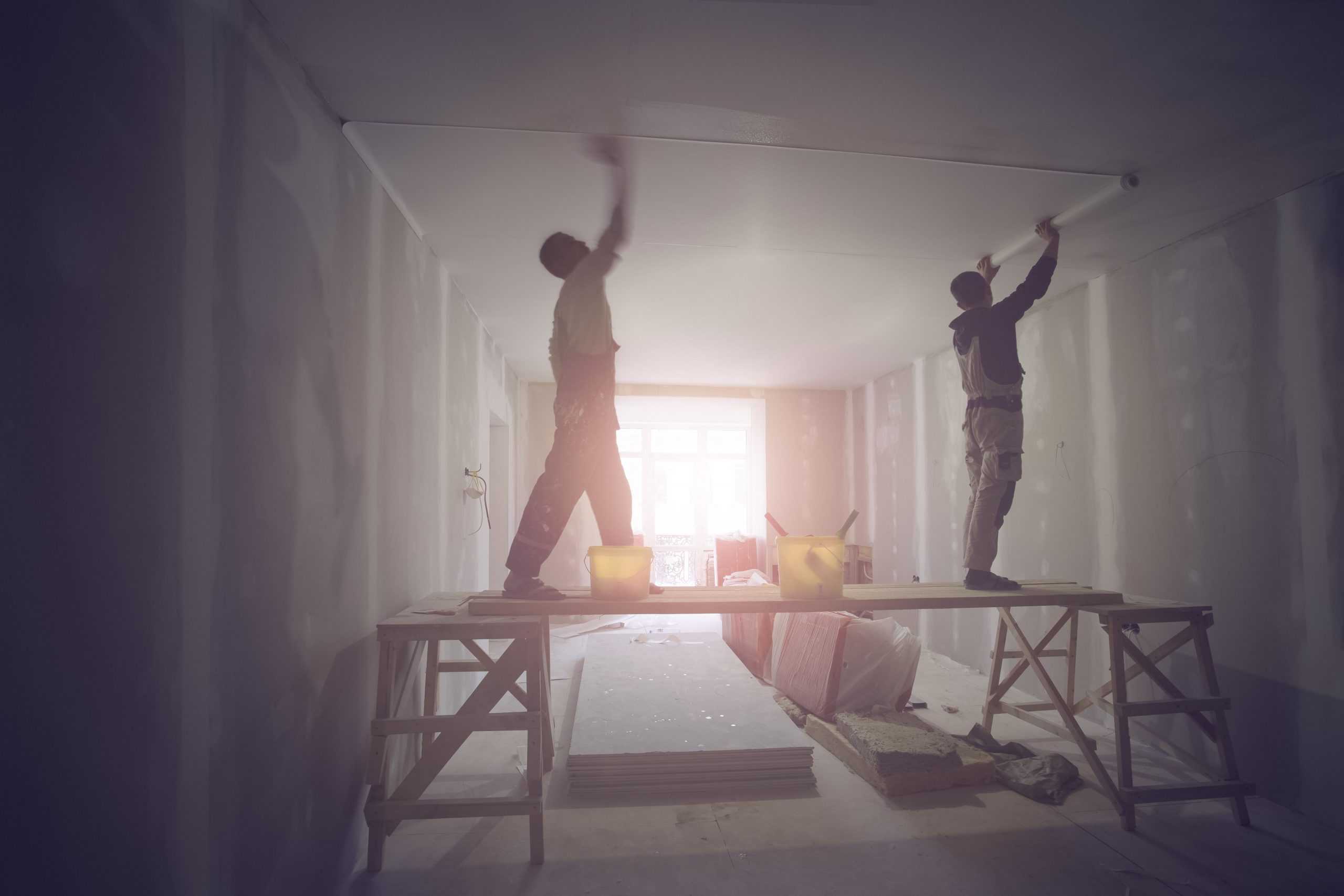
On the residential side, we handle everything from interior room demolition and gut renovations to full house teardowns. On the commercial side, we work with property owners along the Sunrise Highway corridor and throughout Nassau County on larger-scale structural projects that require the same regulatory compliance and documentation standards. Every project — residential or commercial — comes with a written scope of work before we start, permits pulled in our name, and disposal documentation you can actually use when you need it.
If your property is in a FEMA flood zone — and much of Bay Park is — we understand how demolition scope intersects with elevation requirements, flood insurance documentation, and Nassau County floodplain regulations. That’s not something most demo contractors think about. We do.
Do I need a permit to demolish part of my home in Bay Park, NY?
Yes — and the permit process in Bay Park has a specific requirement that catches a lot of homeowners off guard. Bay Park falls under the Town of Hempstead Building Department’s jurisdiction, and under Chapter 86 of the Town Code, no demolition work can legally begin without a permit filed with the Building Inspector. What most people don’t realize is that the Town also requires sewer and water services to be disconnected at the street main before that permit will even be issued. That’s not something you can skip or work around.
We pull demolition permits in our own name as the licensed contractor of record. We handle the utility disconnection verification and manage the documentation from start to finish. For Bay Park homeowners who’ve dealt with Sandy-related rebuilding, FEMA requirements, or flood insurance claims, you already know what unpermitted work can do to a sale or a claim. We make sure that doesn’t happen on our watch.
How do I know if my Bay Park home has asbestos before starting demolition?
The honest answer is: you don’t know until you test. And in Bay Park, where the majority of homes were built between the 1940s and 1960s, the probability is high enough that you should assume it’s present until testing says otherwise. Asbestos shows up in places people don’t always expect — floor tiles, the adhesive under those tiles, textured ceiling compounds, pipe and boiler insulation, joint compound, roofing materials. None of it is visually distinguishable from non-asbestos material. The only way to know is laboratory testing.
Under NYS Department of Labor regulations, any contractor disturbing asbestos-containing materials above threshold quantities must hold an Asbestos Handling Contractor License. We hold that license. We conduct the assessment before demolition begins, test materials that present risk, and — if asbestos is found — our licensed abatement team handles removal and disposal with the documentation to prove it. You’ll receive a disposal manifest that tracks those materials from your property to a licensed facility. That paper trail matters when you sell.
What does demolition cost for a home in Bay Park, NY?
It depends on the scope, and in Bay Park, the scope is rarely just demolition. Interior room demolition — a single bathroom, kitchen, or basement gut — typically runs somewhere between $500 and $2,500 depending on the size of the space and what materials are present. A full structural demolition of a post-war home in the 1,500 to 2,000 square foot range, particularly one with hazardous materials that need to be abated first, can run anywhere from $15,000 to $30,000 or more.
The variable that moves the number most significantly in Bay Park is hazardous materials. Asbestos abatement, mold remediation, and lead paint removal each carry their own cost — but they also carry a legal requirement. Skipping them isn’t a cost savings; it’s a liability. We provide a written scope and cost estimate before any work begins so you know exactly what you’re looking at. No surprises mid-project, no invoices that don’t match the quote.
Can a demolition contractor legally handle asbestos removal in New York?
Not unless they hold a specific license for it. In New York State, asbestos abatement is regulated separately from general contracting and demolition. The NYS Department of Labor issues an Asbestos Handling Contractor License — and holding a general contractor’s license does not authorize a company to legally disturb, remove, or dispose of asbestos-containing materials. This is a distinction that matters enormously in Bay Park, where pre-1980 construction is the rule, not the exception.
If a demolition contractor finds asbestos mid-project and isn’t licensed to handle it, your project stops. They legally cannot continue until a licensed abatement contractor comes in — which means delays, additional costs, and a gap in accountability between two separate companies. We hold the NYS DOL Asbestos Handling Contractor License and perform abatement in-house. There’s no handoff, no delay, and no gray area about who’s responsible for what.
My Bay Park home flooded — does that change what's involved in the demolition?
It does, and significantly. When a pre-1980 home takes on floodwater — especially the kind of sewage-contaminated water that entered Bay Park homes when the South Shore Water Reclamation Facility was overwhelmed during Sandy — the demolition scope becomes a remediation scope at the same time. Water-damaged drywall, insulation, and flooring need to come out. But in a home built before 1980, removing those materials means disturbing what’s behind them — and what’s behind them often includes asbestos, lead paint, or both.
On top of that, mold typically follows within 24 to 72 hours of water intrusion. A gut demolition after a flooding event in Bay Park almost always involves mold remediation running alongside or preceding the structural demo work. We handle all of it — water damage assessment, mold remediation, asbestos abatement, and demolition — under one project. If your property is also in a FEMA flood zone, we understand how that affects documentation requirements and can help you navigate what’s needed for your insurance claim or elevation project.
How long does a demolition project typically take in Bay Park?
The timeline depends on what the project involves, but the permit process is usually the first thing that sets the pace. In Bay Park, that means filing with the Town of Hempstead, coordinating utility disconnections at the street main, and waiting for permit issuance before any structural work begins. That process alone can take one to two weeks depending on current volume at the Building Department. Factoring that in from the start — rather than treating it as an afterthought — keeps the overall project on track.
For a straightforward interior gut demolition with no significant hazardous materials, the physical work itself might take two to five days. When asbestos abatement or mold remediation is involved, add time for the abatement work itself plus post-clearance testing, which must come back clean before demolition can proceed in those areas. A full structural teardown of a Bay Park home typically runs one to two weeks of active work once permits are in hand. We give you a realistic timeline at the start — not an optimistic one that falls apart the moment something shows up behind a wall.