Bay Terrace's 1950s Buildings Deserve More Than a Guess
When your co-op was built in 1952, nobody was thinking about what a contractor would find behind those walls 70 years later. We handle the asbestos assessment, the abatement, and the demolition so you’re not managing three separate crews through a process that should be one.
I needed a professional consultation explanation of procedure for safe removal of Asbestos in my apartment complex. Without having an account yet, I was very impressed with the caring, knowledgeable and generous advice offered by Jessica, and will look forward to doing business in the future. Thank you so much! I feel much more informed about a sometimes scary endeavor. Peace. Nancy Silva Mineola, NY.
Mia Munoz
Used this company to clean up some water flood in my house. They were fast and easy to work with.very professional, Would recommend to anyone!
Nini Valle
Great company, had a flood and they responded quickly and efficiently. Billed my insurance company directly. I highly recommend this company!
joe colapietro, jr
I had pipe freeze in my basement right before a snow storm and they made to within an hour to help start the clean up process. They we by our side throughout the entire process and even helped with the insurance company. They did such a great job with the cleanup, repair, remidiation, I contracted them to perform the repairs and finishes in the basement. They came with enough manpower and material to get the job done. Leo and Jessica were nothing but a pleasure to deal with!!
Cristian Arredondo c
I had some water damage in my home and Green Island was able to take care of my issue quickly and effectively. I am very pleased with the work they did. They responded quickly and were very professional.
Michael M
Outstanding service! From the office to the field crew everyone was friendly, helpful and responsive. I highly recommend Green Island Group.
What Changes When One Contractor Owns the Whole Job
Most of the delays and cost overruns on Bay Terrace renovation projects don’t come from the demolition itself. They come from the gap between contractors the abatement company finishes, the demo crew isn’t scheduled, the co-op board needs updated insurance certificates, and the project sits. When one licensed team handles the environmental assessment, the abatement, and the demolition under a single contract, that gap disappears.
Bay Terrace’s housing stock was built almost entirely between 1952 and the mid-1960s. That puts virtually every cooperative unit, garden apartment, and mid-rise building in this neighborhood inside both the asbestos and lead paint risk windows. That’s the reality of the construction era, and it means your project almost certainly involves a mandatory ACP-5 asbestos assessment before the NYC Department of Buildings will issue a permit. Having a contractor who handles that step as a standard part of the process, rather than a surprise detour, keeps your timeline intact.
For residents dealing with water intrusion and given how Bay Terrace sits between Little Neck Bay, Little Bay, and the East River, that’s a real and recurring scenario the clock starts the moment moisture gets in. Mold begins within 24 to 48 hours. A demolition contractor who can respond immediately, remove the damaged materials, and bill your insurance carrier directly is a different experience than one who shows up two weeks later with a clipboard.
We’ve been operating in the New York metro area for over 12 years, with more than 340 completed demolition projects across all five boroughs. We’re based in Bohemia, NY, and have dedicated service coverage throughout northeastern Queens Bay Terrace, Bayside, Whitestone, Beechhurst, College Point, and the surrounding communities are all named service areas, not afterthoughts.
What makes the difference here isn’t just longevity. It’s that we hold every credential the job actually requires: NYC Department of Buildings demolition licensing, NYS Department of Labor compliance under Industrial Code Rule 56, NYC DEP certification, and USEPA NESHAP compliance. When a Bay Terrace co-op board asks for contractor documentation before granting building access and they will we can produce it immediately.
Our 4.7-star rating across verified reviews reflects something specific: people mention the phones get answered, the staff explains things clearly, and the process doesn’t feel like a mystery. For a neighborhood where residents have been in their units for decades and are undertaking major work for the first time, that matters more than almost anything else.
Residential Demolition Contractor Process Bay Terrace
How a Bay Terrace Demo Project Actually Gets Done
It starts with a site assessment. Before any permits are pulled or walls touched, we evaluate the space and identify what’s there asbestos-containing materials, lead paint, mold, anything that affects how the work gets done and what it costs. In Bay Terrace’s cooperative buildings, which were constructed in a tight window between 1952 and the mid-1960s, this step almost always turns up something that requires documentation. Better to know upfront than mid-project.
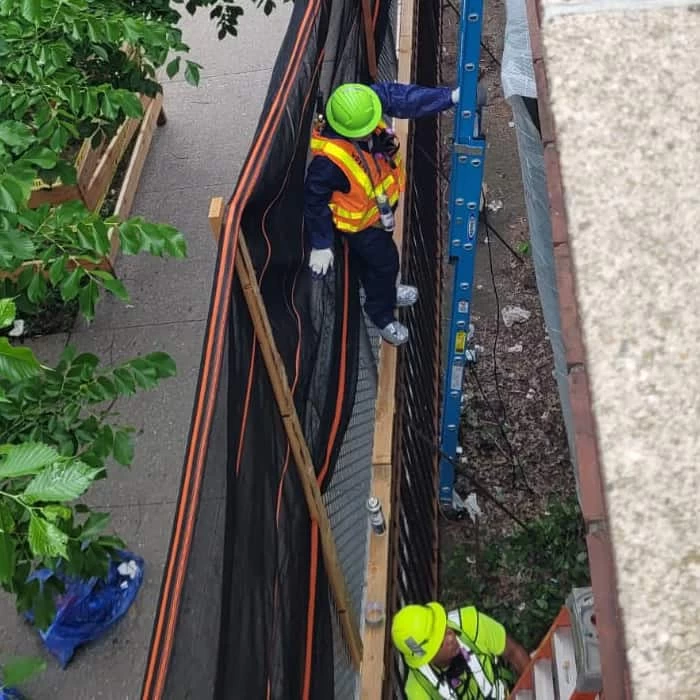
From there, we handle the ACP-5 asbestos assessment filing with the NYC Department of Buildings. If abatement is required, that gets completed and cleared before demolition begins not after, not around it. The DEP notification, the permit application, the air clearance testing following abatement: all of it moves through one project manager, not three separate vendors you’re trying to coordinate by phone.
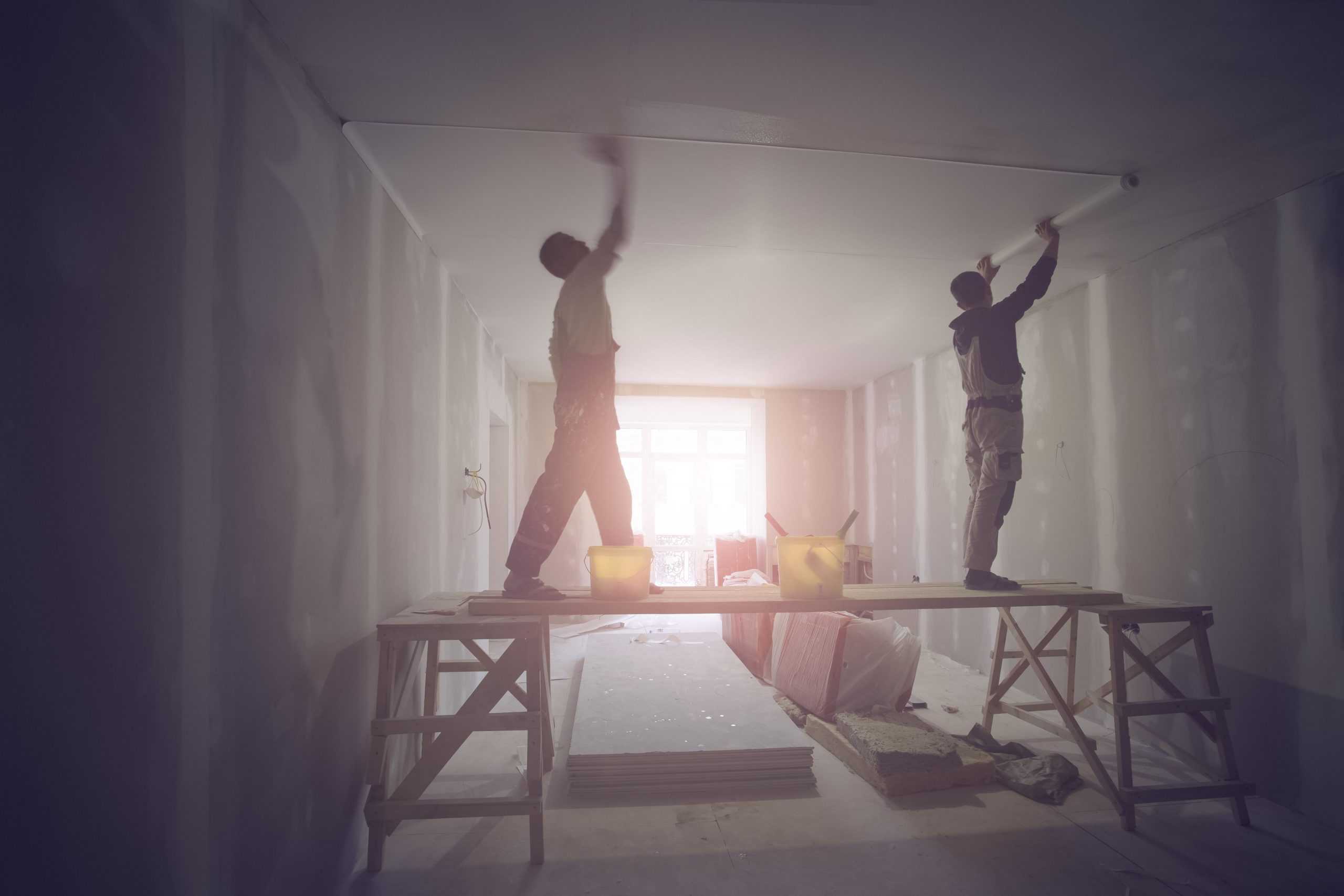
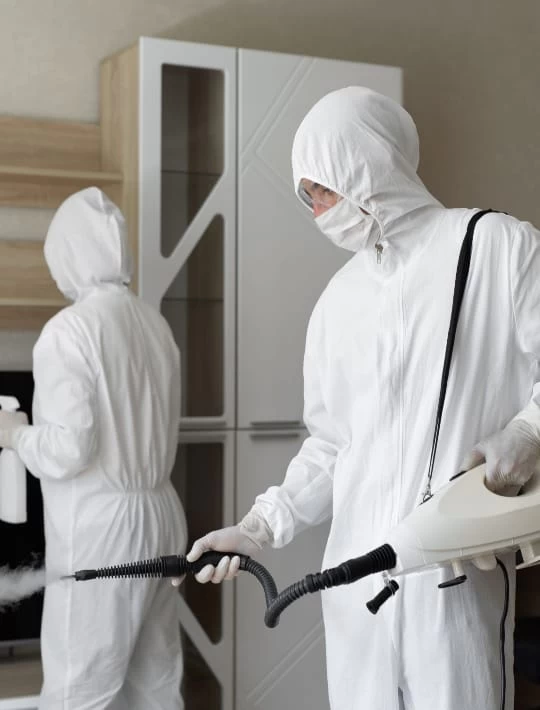
The demolition itself is executed with the constraints of cooperative and condominium buildings in mind. That means negative air pressure containment during hazardous material work, debris removal that moves through the building’s freight elevator on a schedule that building management has approved, and noise compliance within the hours your co-op board allows. When the job is done, the space is clear, documented, and ready for whatever comes next. You’re not left managing the cleanup or chasing paperwork.
Commercial and Residential Demolition Contractors Queens NY
Every Credential the Job Requires, Already in Place
Our demolition services in Bay Terrace cover the full range of what this neighborhood actually needs. Interior gut demolition for cooperative and condominium units kitchens, bathrooms, full-floor removals is the most common project type here, and it’s executed with the specific protocols that occupied mid-rise buildings demand. Selective structural demolition, emergency demolition following water or fire damage, and commercial demolition for properties like those at the Bay Terrace Shopping Center are all within scope.
Every project in the five boroughs that requires a DOB permit triggers the NYC Local Law 76 asbestos investigation requirement. We handle that investigation as part of our intake process not as an add-on you discover later. If asbestos or lead is found, abatement is completed under our NYS DOL Industrial Code Rule 56 licensing before demolition proceeds. The entire sequence assessment, abatement, demolition, debris removal is managed under one contract.
For emergency response situations, which are genuinely relevant in a coastal neighborhood that experienced over six inches of rainfall in a single hour as recently as July 2025, we operate around the clock and work directly with insurance carriers. You don’t have to front the cost and wait for reimbursement. The documentation, the billing, and the coordination with your insurer are handled on our end.
Do I need an asbestos test before renovating my Bay Terrace co-op apartment?
Yes and it’s not optional. Under NYC Local Law 76, any renovation or demolition project in a building constructed before April 1, 1987 requires an ACP-5 Asbestos Assessment Report before the Department of Buildings will issue a permit. Bay Terrace’s cooperative sections were built between 1952 and the mid-1960s, which means virtually every unit in the neighborhood falls under this requirement. There are no exceptions based on the scope of the work or the size of the project.
The ACP-5 must be completed by a NYC DEP-Certified Asbestos Investigator. If asbestos-containing material is identified, an ACP-7 notification must be filed with the DEP and abatement must be completed before demolition can begin. Contractors who skip this step or who aren’t licensed to handle it put you at risk of DOB permit holds, stop-work orders, and fines. We handle the ACP-5 assessment as a standard part of our process, so the permit pathway is clear before any work starts.
What permits are required for interior demolition in a New York City co-op building?
For any interior demolition that involves structural changes removing walls, altering plumbing or electrical systems, modifying the layout of a unit you’ll need a permit from the NYC Department of Buildings. The permit application requires you to declare the asbestos status of the space, which is why the ACP-5 assessment has to come first. Without it, the DOB won’t process the permit.
On top of the DOB requirements, cooperative buildings have their own layer of approval. Your co-op board will typically require a licensed contractor, a certificate of insurance that names the building corporation as an additional insured, and a signed alteration agreement before work can begin. We’re familiar with this process and can produce the required documentation quickly which matters because delays in board approval are one of the most common reasons renovation timelines slip in Bay Terrace’s cooperative buildings.
How much does interior demolition typically cost for a Queens apartment or co-op unit?
The cost of interior demolition in a Queens co-op or condo unit depends on the scope of the work, the size of the space, and what’s found during the pre-demolition assessment. A straightforward kitchen or bathroom gut in a mid-size unit typically runs in the range of a few thousand dollars for the demolition labor and debris removal alone. If asbestos abatement is required which is common in Bay Terrace’s pre-1980 building stock that adds to the total, and the range can vary significantly depending on the type and quantity of material involved.
What matters most is getting an accurate assessment upfront. The projects that blow budgets are almost always ones where hazardous materials were discovered mid-demo rather than identified before the first wall came down. Our intake process includes a full pre-demolition evaluation, so the quote you receive reflects the actual scope of the job not an optimistic estimate that changes once work begins.
What happens if water damage in my Bay Terrace unit requires emergency demolition?
Water damage moves fast. Mold begins growing within 24 to 48 hours of moisture intrusion, and in a cooperative building, that timeline is compressed further because water can travel through shared walls, ceilings, and plumbing chases into adjacent units. The longer water-damaged materials stay in place, the larger the remediation scope becomes and the more likely it is that neighboring units get involved.
We operate 24 hours a day, seven days a week, specifically because emergency demolition doesn’t wait for business hours. When we arrive, the process is to remove water-damaged materials drywall, flooring, insulation, cabinetry down to clean structural surfaces, contain the affected area to prevent cross-contamination, and document everything for your insurance claim. We bill insurance carriers directly, which means you’re not out of pocket waiting for reimbursement while you’re dealing with displacement. Given Bay Terrace’s documented flooding vulnerability the area experienced over six inches of rainfall in a single hour during July 2025 this kind of rapid-response capability is essential.
Can a demolition contractor work inside an occupied cooperative building in Queens?
Yes, but it requires a contractor who actually understands how cooperative buildings work not just one who shows up with a demo crew. In an occupied mid-rise building, interior demolition has to account for noise ordinances and building-approved work hours, dust containment that protects hallways and adjacent units, freight elevator scheduling with building management, and insurance documentation that satisfies the co-op board’s requirements before access is even granted.
We have 12 years of experience working in New York City’s cooperative and condominium buildings. We use negative air pressure containment systems during hazardous material work, coordinate debris removal to minimize impact on building common areas, and operate within the work-hour restrictions that co-op boards set. This isn’t something we figure out on your project it’s the standard way we operate in the building types that define Bay Terrace’s residential landscape.
How do I verify that a demolition contractor in Bay Terrace is actually licensed for this work?
There are several credentials worth verifying before you hire anyone for demolition work in Bay Terrace. The contractor should hold a NYC Department of Buildings license for demolition work this is searchable through the DOB’s online portal. For any project involving asbestos, they need to be licensed under NYS Department of Labor Industrial Code Rule 56, which covers asbestos abatement and related work. If asbestos abatement is part of the scope, NYC DEP certification is also required for work within the five boroughs.
The reason this matters specifically in Bay Terrace is that the neighborhood’s 1950s and 1960s cooperative buildings make asbestos and lead paint involvement nearly certain on any permitted renovation. A contractor who holds demolition licensing but not the environmental credentials is going to hit a wall the moment the ACP-5 assessment comes back positive and you’ll be back to square one finding someone who can handle the abatement before demo can proceed. We hold all of these credentials simultaneously, which is why we can take a Bay Terrace project from the first assessment call through final debris removal without stopping to hand off to another company.