Bayswater's Older Homes Demand More Than a Wrecking Crew
When your home was built before 1960 and sits a block from Jamaica Bay, demolition isn’t a simple call. We handle the asbestos survey, the permits, the abatement, and the teardown so you don’t have to manage three contractors and a regulatory maze on your own.
I needed a professional consultation explanation of procedure for safe removal of Asbestos in my apartment complex. Without having an account yet, I was very impressed with the caring, knowledgeable and generous advice offered by Jessica, and will look forward to doing business in the future. Thank you so much! I feel much more informed about a sometimes scary endeavor. Peace. Nancy Silva Mineola, NY.
Mia Munoz
Used this company to clean up some water flood in my house. They were fast and easy to work with.very professional, Would recommend to anyone!
Nini Valle
Great company, had a flood and they responded quickly and efficiently. Billed my insurance company directly. I highly recommend this company!
joe colapietro, jr
I had pipe freeze in my basement right before a snow storm and they made to within an hour to help start the clean up process. They we by our side throughout the entire process and even helped with the insurance company. They did such a great job with the cleanup, repair, remidiation, I contracted them to perform the repairs and finishes in the basement. They came with enough manpower and material to get the job done. Leo and Jessica were nothing but a pleasure to deal with!!
Cristian Arredondo c
I had some water damage in my home and Green Island was able to take care of my issue quickly and effectively. I am very pleased with the work they did. They responded quickly and were very professional.
Michael M
Outstanding service! From the office to the field crew everyone was friendly, helpful and responsive. I highly recommend Green Island Group.
Most Bayswater homeowners don’t realize that before any wall comes down, New York City requires a DEP-certified asbestos investigator to complete an ACP-5 assessment. Until that form is filed and cleared, the NYC Department of Buildings won’t issue your demolition permit. If asbestos is found and in a pre-1978 home on Healy Avenue or Bayswater Court, it very likely will be abatement has to happen first, fully documented, before a single structural element is touched. That’s the actual sequence the city requires.
What you get when you work with us is a project that moves in the right order, on the right timeline, without you chasing down separate vendors for the survey, the abatement, and the demo. The permit gets pulled correctly. The DEP gets notified seven days before abatement begins, as required. The job doesn’t stop halfway through because someone skipped a step.
For a neighborhood with Bayswater’s coastal exposure, there’s another layer worth naming. When a nor’easter pushes water into your home off Mott Basin, the clock starts immediately. Mold begins growing within 24 to 48 hours of water intrusion. Having a demolition contractor who can respond fast and who already knows how to work on the Rockaway Peninsula isn’t a luxury. It’s the difference between a contained project and a much larger one.
12 Years, 340+ Projects, and We Know Bayswater's Regulatory Environment Cold
We’ve been doing this work across Long Island and New York City for over 12 years. More than 340 completed demolition projects. That volume matters because New York City’s permitting process DOB, DEP, NYS DOL Industrial Code Rule 56 is genuinely complex, and experience is the only thing that makes it predictable. We’ve navigated it enough times to know where the delays come from and how to avoid them.
We already serve Queens County, and the Rockaway Peninsula is not unfamiliar territory. The logistics of crossing Jamaica Bay, working in a waterfront neighborhood near Bayswater Point State Park, and coordinating with Community District 14 that’s not something we’re figuring out on your job. We’ve worked in coastal Queens communities, we understand the Victorian-era housing stock of Bayswater, and we know what pre-war construction looks like once you’re inside it.
The work is fully licensed, fully insured, and built around one straightforward goal: you end the project knowing exactly what happened, what was found, and what was done about it.
The first thing that happens on any Bayswater demolition project is an asbestos assessment. A DEP-certified investigator surveys the property and completes the ACP-5 form required by New York City before a demolition permit can be issued. In a neighborhood where the majority of homes predate 1960, this step almost always turns something up pipe insulation, floor tile adhesive, ceiling texture, or roofing material. Knowing what’s there upfront is what keeps the project on budget and on schedule.
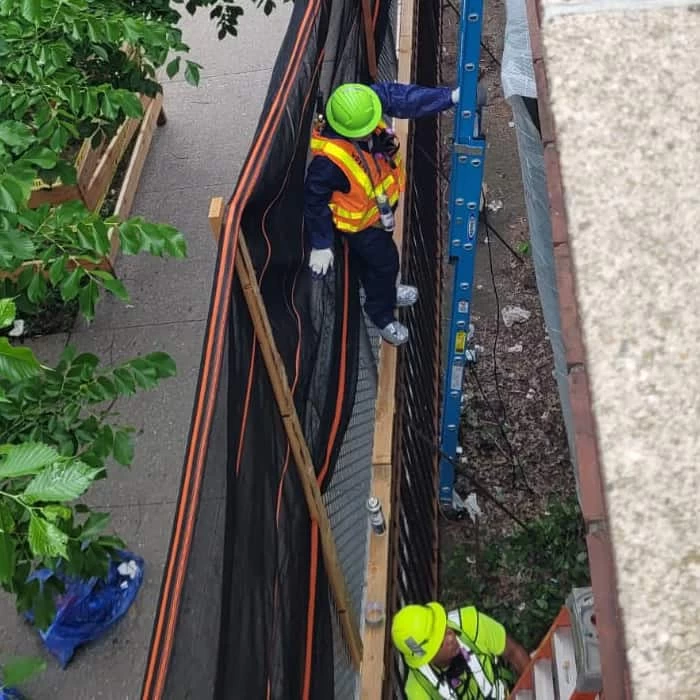
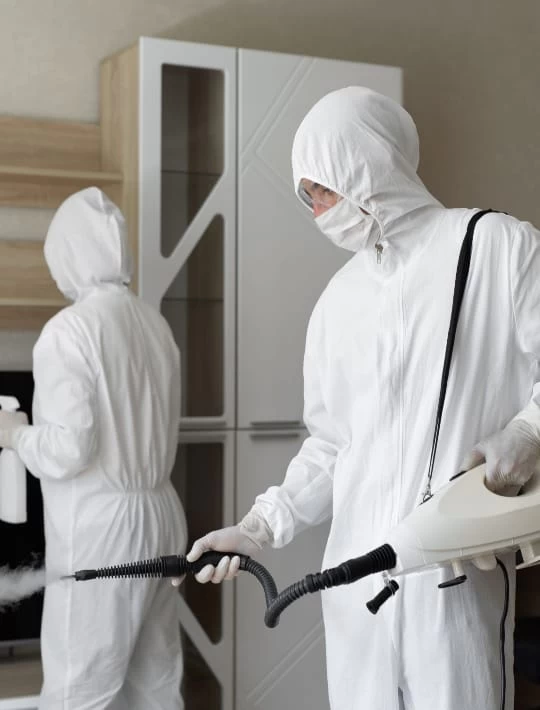
If abatement is needed, NYC DEP gets notified at least seven days before work begins that’s a legal requirement, not a preference. The abatement gets completed under NYS DOL Industrial Code Rule 56, documented, and cleared. Then the DOB demolition permit is pulled. Then the actual demolition begins. It’s a specific sequence, and skipping or reversing any part of it creates legal exposure for you as the property owner.
Once demolition is underway, debris is sorted, hauled, and disposed of properly concrete, metal, and wood separated for recycling where applicable. The site gets left clean and ready for whatever comes next, whether that’s a new build, a renovation, or a sale. You’re not left managing a second contractor to clean up after the first one.
One Contractor Covers the Whole Scope Start to Finish
What makes our approach different in a place like Bayswater is that demolition doesn’t exist in a vacuum here. The neighborhood’s Victorian-era homes, its mid-century colonials on oversized lots, and its proximity to Jamaica Bay all create conditions that a demolition-only contractor isn’t equipped to handle. You need someone who can identify hazardous materials, manage the abatement, coordinate with the city’s permitting agencies, and then execute the physical work without handing off pieces of the project to subcontractors you’ve never met.
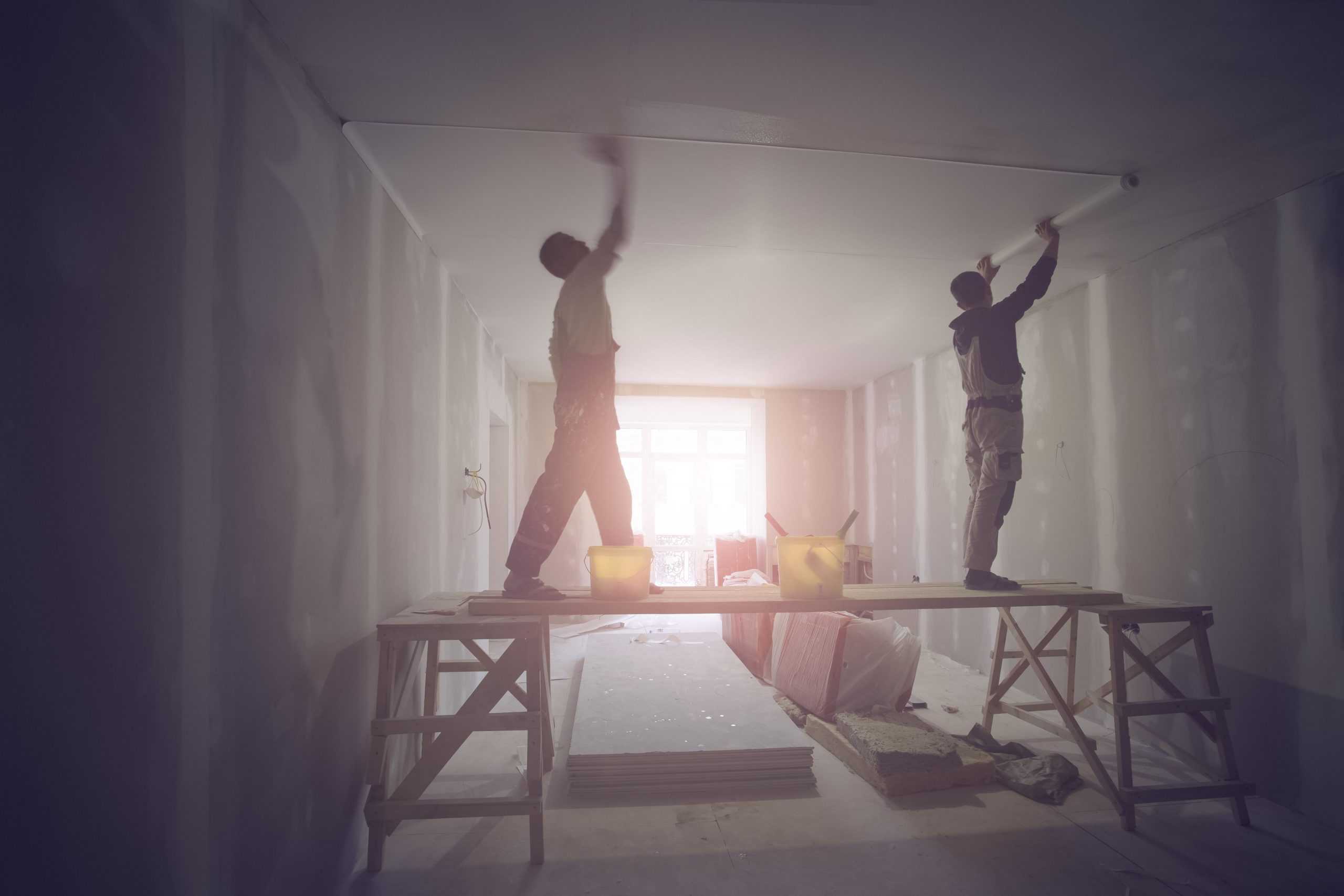
Our scope of services covers interior demolition, full structural teardown, post-flood emergency demolition, and gut renovations requiring hazardous material removal. If your project started as a water damage situation a flooding event off Mott Basin, a burst pipe in a 1920s colonial, a storm surge that got into the foundation we handle that too. Our emergency response line is available 24 hours a day, because coastal flooding doesn’t wait for business hours.
For homeowners working through an insurance claim after storm or flood damage, we bill carriers directly. You don’t have to front the cost and wait for reimbursement. Bayswater properties along the bay-facing side of the Rockaway Peninsula have real coastal exposure, and if you’ve filed a claim before, you already know how much easier the process is when your contractor handles the billing side.
Do I need an asbestos survey before demolition on my Bayswater home?
Yes and it’s not optional. New York City requires a DEP-certified asbestos investigator to complete an ACP-5 Asbestos Assessment Report before the NYC Department of Buildings will issue a demolition permit. This applies to any building in the five boroughs, regardless of size. In Bayswater specifically, where the majority of the housing stock was built before 1960 and a significant portion before 1940, asbestos-containing materials are present in the vast majority of homes. That includes pipe and boiler insulation, floor tile and its adhesive, roofing materials, textured ceilings, and joint compound.
The practical impact is that you cannot legally begin demolition in Bayswater without this step completed first. If asbestos is found, abatement must be fully completed and documented before the demo permit is issued. Trying to skip it or work around it creates personal legal liability for you as the property owner not just the contractor. A licensed contractor who handles the ACP-5 process, the DEP notification, and the abatement as part of the same project scope is the only way to move through this correctly.
How long does it take to get a demolition permit in New York City?
The timeline depends heavily on whether asbestos abatement is required first. If the ACP-5 comes back clean, the DOB permit process itself can move relatively quickly often within a few weeks for a straightforward residential project. But if abatement is needed, you’re looking at the DEP’s mandatory seven-day advance notification period before abatement can begin, the abatement work itself, and then the documentation and clearance process before the DOB permit can be issued. Realistically, a project in a pre-1978 Bayswater home should be planned with four to six weeks of pre-demolition regulatory work built into the timeline.
The biggest source of delay isn’t the agencies themselves it’s projects that arrive at the permit stage without the prior steps completed correctly. An ACP-5 filed by a non-certified investigator, or abatement documentation that doesn’t meet DOL requirements, sends the project back to the beginning. Working with a contractor who knows the exact sequence and the specific documentation requirements for NYC and Queens Community District 14 is what keeps the timeline predictable.
What happens if asbestos is found during a demolition project in Bayswater?
Work stops until the asbestos is properly abated. That’s the legal requirement under NYS DOL Industrial Code Rule 56, and it applies to every building in New York State regardless of age or size. The abatement has to be performed by a licensed contractor, with NYC DEP notified at least seven days in advance. Air monitoring is required during the abatement process, and clearance testing is required after. Once all of that is documented and filed, the project can move forward.
For Bayswater homeowners, the most important thing to understand is that finding asbestos mid-project after demolition has already started is a much worse outcome than finding it during the mandatory pre-demolition survey. A mid-project discovery triggers an immediate stop-work order, potential fines, and a longer remediation process than if the material had been identified and abated before any work began. The ACP-5 survey exists precisely to prevent that scenario. Starting with a thorough survey from a DEP-certified investigator is genuinely the most cost-effective approach for any pre-1978 home on the Rockaway Peninsula.
Does homeowners insurance cover demolition after flood damage in Bayswater, NY?
It depends on the type of policy and the source of the water. Standard homeowners insurance typically covers sudden and accidental water damage a burst pipe, an appliance failure and the resulting demolition work needed to access and remediate the damage. Flood damage from storm surge or rising bay water, which is the more common scenario in Bayswater given the neighborhood’s position along Mott Basin and Jamaica Bay, is generally covered under a separate flood insurance policy, not a standard homeowners policy. Many Bayswater residents carry both, particularly those in FEMA-designated flood zones.
When a claim is active, the documentation timeline matters. Insurance carriers require evidence of the damage before demolition begins, which means photos, moisture readings, and an adjuster visit often need to happen first. A contractor who understands the claims process and who can bill the carrier directly rather than requiring you to pay out of pocket and seek reimbursement removes a significant amount of stress from an already difficult situation. If you’re not sure what your policy covers, the first call should be to your carrier. The second call can be to us.
Can I do a partial interior demolition without a permit in Queens, NY?
Some minor interior work like removing non-load-bearing drywall in a single room may fall below the threshold that triggers a formal DOB permit in New York City. But the asbestos survey requirement is separate from the permit question. Under NYS DOL Industrial Code Rule 56, any demolition or renovation work that disturbs building materials in any structure requires a certified asbestos survey before work begins. That rule applies regardless of whether a DOB permit is required. In a Bayswater home built before 1978, disturbing drywall, plaster, flooring, or ceiling materials without first confirming they’re free of asbestos-containing material is a legal violation even if the scope of work is small.
The practical answer is: if you’re planning any interior demolition in a pre-1978 Bayswater home, assume a survey is required. The cost of the survey is minor compared to the cost of a stop-work order, a DEP violation, or a remediation project triggered by disturbing asbestos without proper containment. It’s a step that protects you legally and financially, not just a regulatory formality.
How much does demolition cost for a home in Bayswater, Queens?
National pricing averages don’t apply in New York City, and Bayswater homeowners planning a project should understand why. The regulatory overhead alone DEP-certified asbestos investigation, NYS DOL licensed abatement if materials are found, air monitoring, licensed hazardous waste disposal, and NYC DOB permit fees adds real cost above what you’d see quoted in markets without this layer of compliance. That’s not contractor markup. It’s the actual cost of doing the job legally in New York City.
For a full residential demolition in Queens, total project costs typically range from $15,000 to $50,000 or more depending on structure size, the extent of hazardous materials found, and whether the project involves emergency response or insurance coordination. Interior gut demolitions on a single floor run considerably less. The most accurate way to understand your specific cost is to get a scope-based estimate that accounts for the asbestos survey results, not a flat per-square-foot number that ignores what’s actually inside the walls. In Bayswater’s older housing stock, what’s inside the walls matters and knowing upfront is what keeps the final number from being a surprise.