When Your 1960s Belle Terre Home Needs to Come Down Right
Most homes in Belle Terre were built before 1980. That means asbestos is a real possibility and the village has its own permit process that most contractors don’t know exists. We handle all of it, so your demolition project doesn’t stall halfway through.
I needed a professional consultation explanation of procedure for safe removal of Asbestos in my apartment complex. Without having an account yet, I was very impressed with the caring, knowledgeable and generous advice offered by Jessica, and will look forward to doing business in the future. Thank you so much! I feel much more informed about a sometimes scary endeavor. Peace. Nancy Silva Mineola, NY.
Mia Munoz
Used this company to clean up some water flood in my house. They were fast and easy to work with.very professional, Would recommend to anyone!
Nini Valle
Great company, had a flood and they responded quickly and efficiently. Billed my insurance company directly. I highly recommend this company!
joe colapietro, jr
I had pipe freeze in my basement right before a snow storm and they made to within an hour to help start the clean up process. They we by our side throughout the entire process and even helped with the insurance company. They did such a great job with the cleanup, repair, remidiation, I contracted them to perform the repairs and finishes in the basement. They came with enough manpower and material to get the job done. Leo and Jessica were nothing but a pleasure to deal with!!
Cristian Arredondo c
I had some water damage in my home and Green Island was able to take care of my issue quickly and effectively. I am very pleased with the work they did. They responded quickly and were very professional.
Michael M
Outstanding service! From the office to the field crew everyone was friendly, helpful and responsive. I highly recommend Green Island Group.
What Changes When the Right Contractor Handles Your Belle Terre Demolition
When demolition is handled correctly in Belle Terre, you’re not just getting a structure taken down you’re getting a clean slate that’s fully documented, legally permitted through the village office, and ready for whatever comes next. No stop-work orders. No surprise violations. No certificate of occupancy problems when you go to sell or refinance a property worth well over a million dollars.
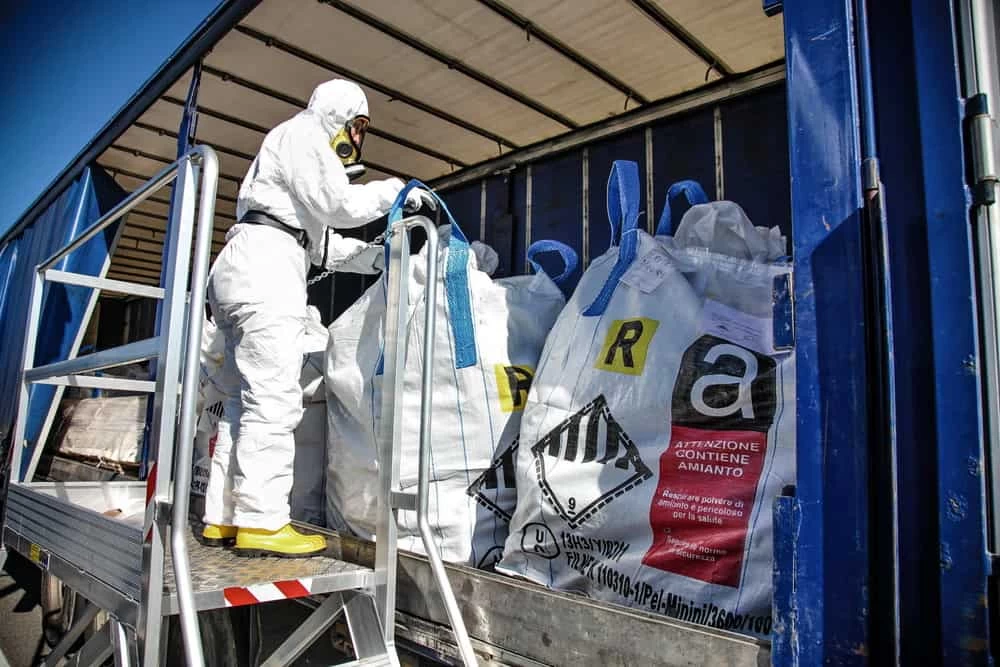
Belle Terre’s housing stock is older. A lot of it was built between 1940 and 1979, which is exactly the era when asbestos was standard in insulation, floor tiles, pipe wrap, and joint compound. If a contractor without asbestos abatement capability runs into that mid-project, your whole timeline stops. We handle abatement in-house, so the project keeps moving.
The village also sits on a peninsula with one road in and one road out through Port Jefferson. Coastal storms, nor’easters, and harsh winters hit this area directly and when water or wind damage creates an emergency, you need a contractor who can actually respond. Not one who calls you back three days later.
Suffolk County-Based, and We Know Belle Terre's Rules Inside Out
We’re based in Bohemia, NY right here in Suffolk County, about 20 miles from Belle Terre. Over the past 12 years, we’ve completed more than 5,000 demolition, abatement, and remediation projects across Long Island and New York City. That kind of volume means the permit process, the regulations, and the real-world complications aren’t surprises to us they’re just part of the job.
Belle Terre is an incorporated village with its own building inspector, its own permit process, and a noise ordinance that limits demolition to Monday through Friday, 8 AM to 6 PM no exceptions. A lot of contractors don’t know that until they get a complaint. We plan around it from day one.
We hold active NYS Department of Labor asbestos contractor certification, carry over $2,000,000 in general liability insurance, and are MWBE-certified through New York State. When you hire us, you’re not taking a chance on an unknown you’re working with a company that’s already been vetted at the state level.
It starts with a site assessment. Before anything is scheduled or priced, we walk the property, evaluate the structure, and identify what’s there including any materials that require testing before demolition can legally begin. For homes built before 1980 in Belle Terre, that means an asbestos survey under NYS Industrial Code Rule 56. This isn’t optional, and any contractor who skips it is putting you at legal and financial risk.
Once we have a clear picture, we handle permitting. That includes the village-level demolition permit from the Belle Terre Building Inspector not just a Town of Brookhaven permit plus tree permits under Chapter 99 if any trees outside the demolition footprint need to be removed. If your property falls within a coastal erosion or flood zone area near the Sound, we factor that into the regulatory review as well.
Then the physical work begins. Crew, equipment, and debris removal all move through the single access point via Port Jefferson, so we coordinate logistics accordingly. If asbestos or other hazardous materials are present, abatement happens first, on the same project timeline, without handing you off to a separate company. When the site is cleared, it’s documented, cleaned, and ready for your next step whether that’s new construction, a renovation, or a final inspection.
Residential Demolition Contractor in Belle Terre, NY
Full-Scope Demolition Built for Belle Terre's Older Homes
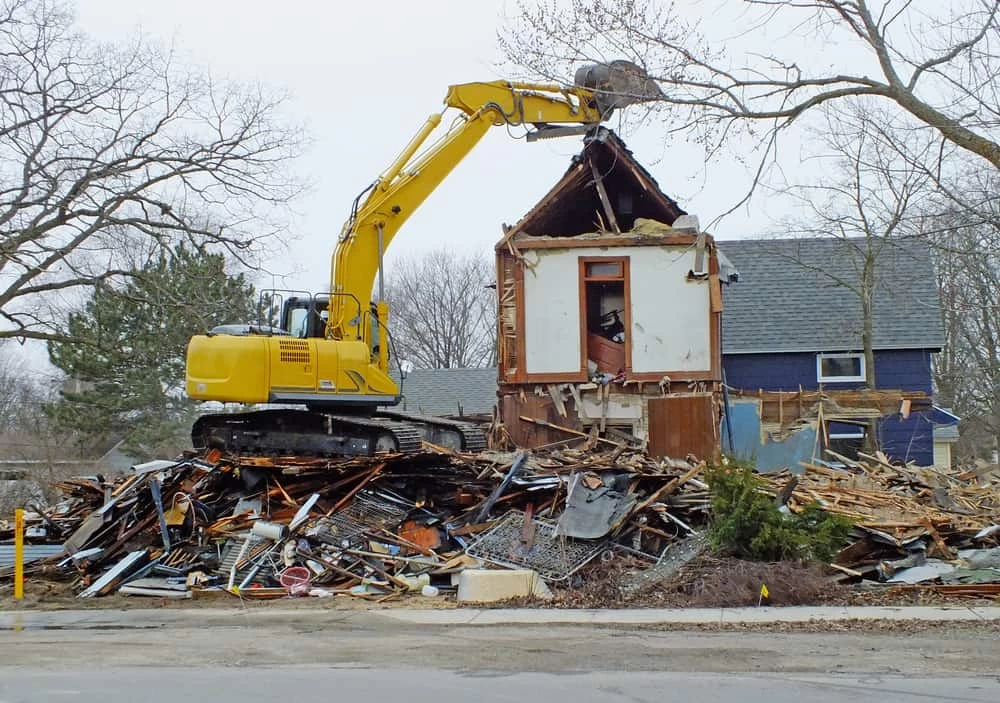
Every demolition project we take on in Belle Terre is treated as a complete scope not just the physical teardown. That means the asbestos survey, the village permit, the tree permit if needed, the debris removal, and the site documentation are all part of what you get. You’re not managing five different vendors or chasing down paperwork on your own.
For full structural demolition teardowns on lots where the land value has outgrown the home we handle the utility disconnection coordination, the structural takedown, and the site grading prep. For selective or interior demolition, where you’re gutting a kitchen, bathroom, or basement before a renovation, we work within Belle Terre’s weekday-only work hour restrictions and keep the surrounding structure and landscaping intact. The village’s tree preservation ordinance under Chapter 99 means we’re careful about what’s adjacent to the work zone, not just what’s inside it.
If your project involves storm or water damage which is a real scenario for any home this close to the Long Island Sound we also work directly with insurance carriers to document the damage, scope the demolition, and keep the claim process moving alongside the physical work. That’s not something most demolition contractors offer, and it makes a significant difference when you’re already dealing with a stressful situation.
Do I need a separate village permit to demolish a structure in Belle Terre?
Yes and this is one of the most common things homeowners don’t realize until it causes a delay. Belle Terre is an incorporated village with its own building inspector and its own permit process, separate from the Town of Brookhaven. Before any demolition can begin, you need a permit issued directly by the Village of Belle Terre not just a county-level approval.
On top of that, if any trees outside the footprint of the structure being demolished need to be removed, a separate tree permit is required under Chapter 99 of the village code. The village takes vegetation preservation seriously, and work that touches trees beyond the immediate demolition zone needs to go through that process before anything is cut. We handle both permit applications as part of the project you don’t have to navigate the village office on your own.
Is asbestos testing required before demolition in Belle Terre, NY?
For any home built before 1980 which covers the majority of Belle Terre’s housing stock yes, an asbestos survey is legally required before demolition begins. This comes from NYS Industrial Code Rule 56, which applies statewide regardless of what the local village code says. The survey has to be conducted by a certified inspector, and if asbestos-containing materials are found, a licensed abatement contractor has to remove them before the demolition work can proceed.
The reason this matters so much in Belle Terre specifically is that most of the homes here were built between 1940 and 1979 right in the window when asbestos was commonly used in insulation, floor tiles, popcorn ceilings, pipe wrap, and HVAC duct tape. It’s not a remote possibility; it’s something you should expect to address on any significant project. We hold active NYS Department of Labor asbestos contractor certification and handle abatement in-house, so finding asbestos doesn’t stop your project it just becomes the next step in the same timeline.
Can demolition work happen on weekends in Belle Terre?
No. Belle Terre’s noise ordinance under Chapter 103 of the village code restricts all construction and demolition activity to Monday through Friday, between 8:00 AM and 6:00 PM only. No weekend work is permitted, and no work on legal holidays. This is enforced, and in a village of roughly 800 residents where neighbors are close and the community is tight-knit, violations don’t go unnoticed.
This is something every contractor working in Belle Terre needs to plan around from the start not discover mid-project. It affects crew scheduling, equipment rental windows, and overall project timelines. When we scope a demolition job in Belle Terre, the weekday-only schedule is built into the plan from day one, so there are no surprises and no pressure to rush work into hours that aren’t permitted.
How much does residential demolition typically cost in Belle Terre, NY?
The cost depends heavily on the scope of the project, the size of the structure, and what’s found during the pre-demolition inspection. A full structural teardown of a mid-century home in Belle Terre will cost more than an interior gut renovation and if asbestos-containing materials are present, abatement adds to the total. Most residential demolition projects on Long Island’s North Shore fall somewhere between $8,000 and $40,000 depending on those variables, with full teardowns on larger homes running higher.
What often surprises homeowners is the additional cost layers that come with Belle Terre specifically village permit fees, tree permit fees if applicable, and the mandatory asbestos survey before work begins. These aren’t hidden costs if you’re working with a contractor who’s upfront about them, but they are real line items. We walk through every cost factor during the initial assessment so you have a complete picture before you commit to anything.
What happens if asbestos is discovered after demolition has already started?
If asbestos is discovered mid-project, work in that area has to stop until the materials are properly assessed and abated by a licensed contractor. This is where the choice of contractor really matters. If you hired a demolition company without in-house abatement capability, you’re now waiting for them to bring in a separate company, coordinate schedules, and restart which can add weeks to your timeline and significant cost.
Because we handle both demolition and asbestos abatement under one roof, discovery mid-project doesn’t mean a handoff or a long wait. Our team pivots to abatement, documents everything required under NYS Industrial Code Rule 56, and continues the project once the affected materials are cleared. For older Belle Terre homes where asbestos is a genuine possibility in multiple locations not just one this integrated capability is what keeps your project on track.
Can you handle demolition after storm or flood damage in Belle Terre?
Yes, and this is a situation that comes up regularly in Belle Terre given its location on the Long Island Sound. The village sits on a peninsula with direct exposure to nor’easters, coastal storm surge, and winter weather and when a storm causes structural damage or flooding, the demolition need is urgent, not scheduled. We operate with 24/7 availability and have a documented track record of responding to emergency situations quickly, including working directly with homeowners and their insurance carriers throughout the process.
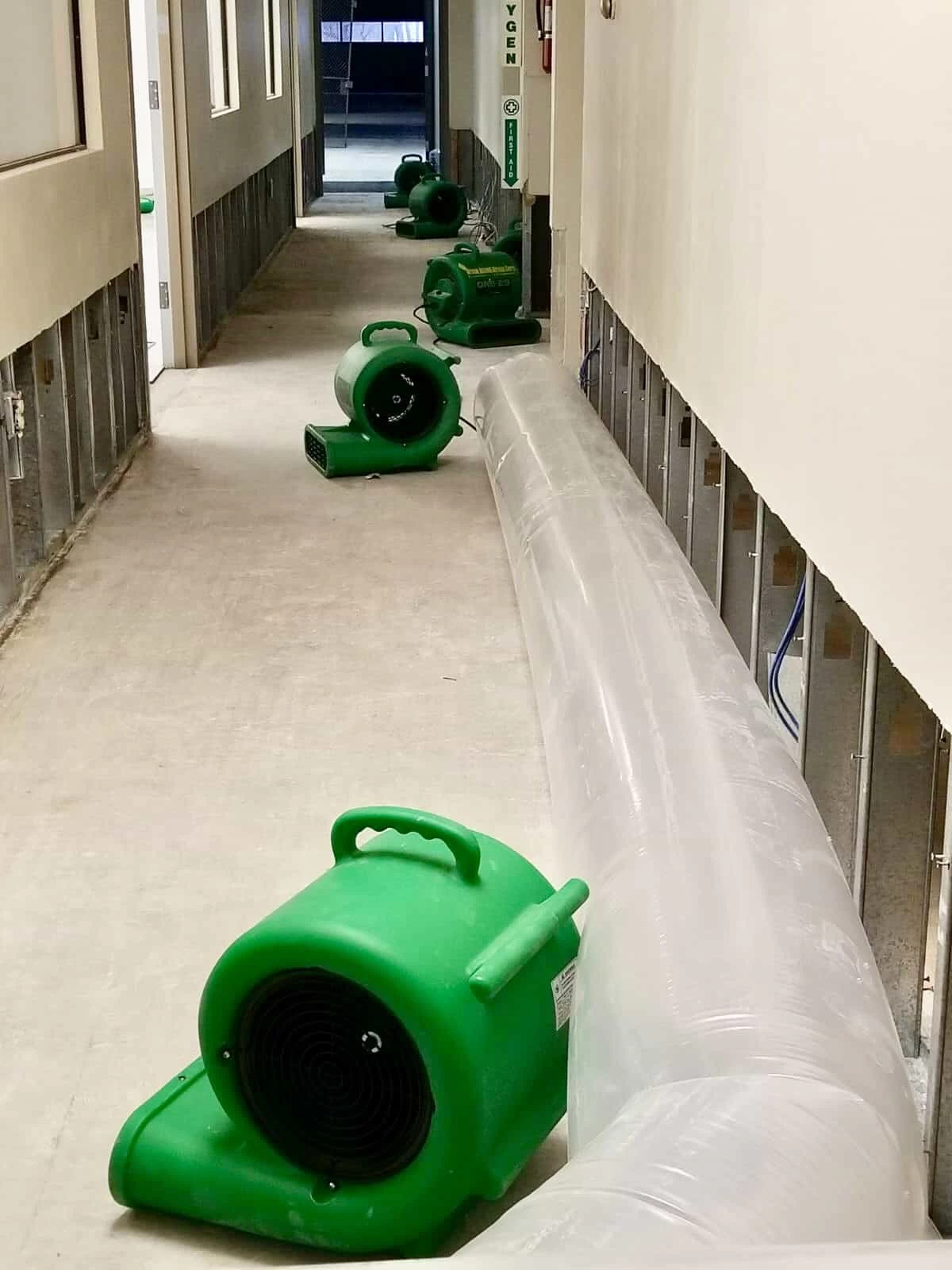
Belle Terre’s village code includes a dedicated Flood Damage Prevention chapter, which reflects how seriously the municipality takes the real risk that coastal storms pose to homes here. When water damage requires gut demolition of a basement, a flooded living space, or a compromised structural area, we scope the work, document the damage for the insurance claim, and handle the demolition so you’re not managing two separate processes during an already stressful event. We know the village’s permit requirements apply even in emergency situations, and we handle that coordination as part of the response.