When Your Bellmore Home Hides More Than You Bargained For
Most demolition projects in Bellmore turn up something behind the walls. We’re the licensed demolition contractor that handles all of it — without stopping the job.
I needed a professional consultation explanation of procedure for safe removal of Asbestos in my apartment complex. Without having an account yet, I was very impressed with the caring, knowledgeable and generous advice offered by Jessica, and will look forward to doing business in the future. Thank you so much! I feel much more informed about a sometimes scary endeavor. Peace. Nancy Silva Mineola, NY.
Mia Munoz
Used this company to clean up some water flood in my house. They were fast and easy to work with.very professional, Would recommend to anyone!
Nini Valle
Great company, had a flood and they responded quickly and efficiently. Billed my insurance company directly. I highly recommend this company!
joe colapietro, jr
I had pipe freeze in my basement right before a snow storm and they made to within an hour to help start the clean up process. They we by our side throughout the entire process and even helped with the insurance company. They did such a great job with the cleanup, repair, remidiation, I contracted them to perform the repairs and finishes in the basement. They came with enough manpower and material to get the job done. Leo and Jessica were nothing but a pleasure to deal with!!
Cristian Arredondo c
I had some water damage in my home and Green Island was able to take care of my issue quickly and effectively. I am very pleased with the work they did. They responded quickly and were very professional.
Michael M
Outstanding service! From the office to the field crew everyone was friendly, helpful and responsive. I highly recommend Green Island Group.
Bellmore’s housing stock tells a story the moment you open a wall. The overwhelming majority of homes here were built between the late 1940s and early 1970s — the exact era when asbestos floor tiles, textured ceilings, and pipe insulation were standard materials on every South Shore job site. That’s just what’s in there. And when you’re gutting a kitchen or finishing a basement in a 1962 Cape Cod off Newbridge Road, you need a contractor who can legally handle whatever turns up — not one who has to stop the clock and call someone else.
The south Bellmore waterfront zone adds another layer entirely. If your home sits south of Sunrise Highway or anywhere near the canal streets, there’s a real chance that Sandy-era or post-storm water intrusion left mold behind walls that look perfectly fine from the outside. Water doesn’t announce itself. It settles into subfloor cavities, insulation, and framing — and it stays there until someone opens things up. Having a contractor who can assess, remediate, and demolish under one contract means your project doesn’t stall at the worst possible moment.
Beyond the hazmat piece, Bellmore homeowners are renovating in a tight market. With median detached home values approaching $870,000 and almost no inventory to buy into, most people here are choosing to improve the home they have rather than move. That means gut renovations, basement conversions, and full-floor overhauls are happening all over the Bellmores right now. When you’re investing that kind of money into a home worth that much, the demolition phase isn’t where you cut corners.
We’re a full-service environmental contracting and demolition firm serving Nassau and Suffolk counties and the broader New York metro area. What sets us apart in a market full of demo-only crews isn’t a tagline — it’s a license. We hold the NYS Department of Labor Asbestos Handling Contractor License, which is the specific credential required by New York State law to legally disturb, remove, and dispose of asbestos-containing materials. Most demolition contractors operating on Long Island do not hold it. That means they either skip the abatement step or hand it off to a subcontractor you’ve never met.
When we work in Bellmore — whether it’s a selective interior demo on a canal-side home in south Bellmore or a full structural teardown further north near the Southern State Parkway — you’re dealing with one team from the first call to the final clearance test. Our clients consistently mention responsiveness and clear communication as the reasons they’d call again. That’s how we run.
No Guesswork — Here's Exactly How a Bellmore Project Runs
It starts with a site assessment. Before anything gets touched, our team evaluates the structure, identifies materials that may require testing or abatement, and determines what the project actually involves — not just what it looks like on the surface. For any Bellmore home built before 1980, that assessment includes looking for asbestos-containing materials in the floors, ceilings, walls, and mechanical systems. This isn’t optional under New York State law, and any contractor who skips it is putting you at risk.
From there, we handle the permitting. Bellmore falls under the Town of Hempstead Building Department, and their demolition permit process has specific requirements — including a Nassau County Department of Health Certificate of Rodent Free Inspection that expires just 10 days from issuance, documented utility disconnections including a PSEG electric disconnect, and elevation surveys for the structure. We know this process. We’ve done it. You don’t have to figure out which office to call or how to time the rodent inspection with the permit application — that’s handled.
Once permits are pulled and any required abatement is complete, demolition proceeds. Selective interior work, full structural teardown, or anything in between — the scope is managed by the same project team throughout. When the work is done, you receive disposal manifests, clearance documentation, and permit records. In a community where homes are worth close to $870,000 and buyers’ attorneys look for exactly this kind of paperwork, that documentation isn’t a formality. It’s protection.
Every Scope Covered — From One Room to the Whole Structure
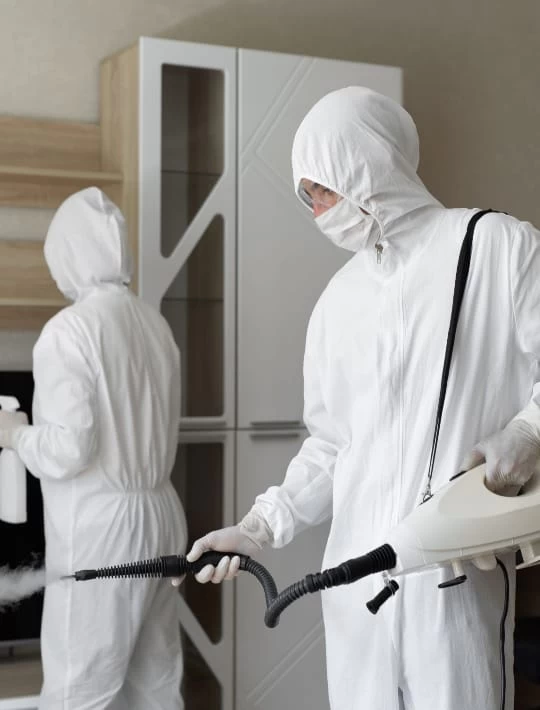
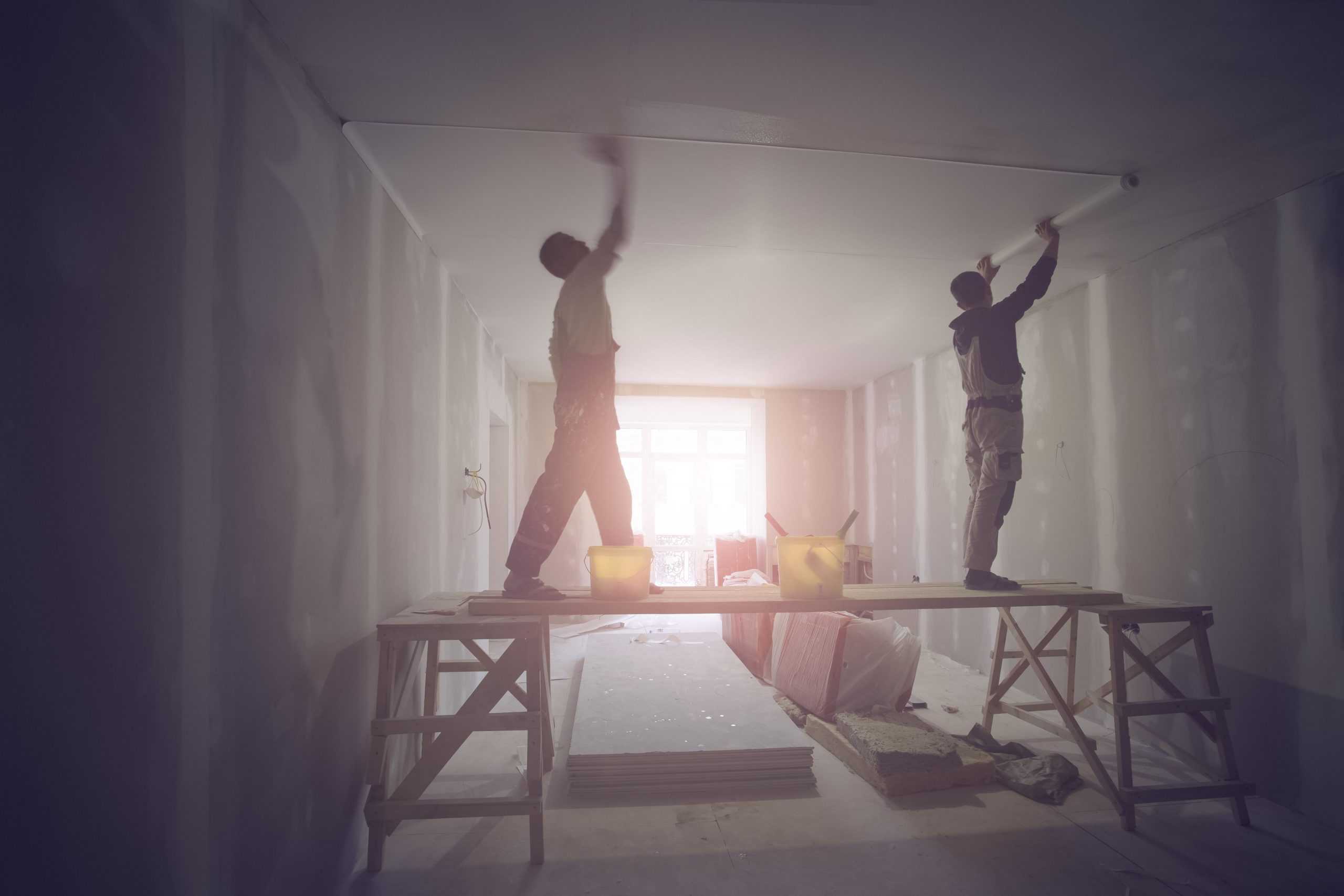
We handle the full range of demolition work that Bellmore homeowners and commercial property owners actually face. Interior selective demolition for kitchen and bathroom gut renovations. Full structural demolition for properties that have reached the end of their useful life or suffered severe storm damage. Post-flood wall and subfloor demolition for south Bellmore homes that took on water during Sandy or subsequent coastal flooding events. Asbestos abatement before or during demolition, lead paint removal, and mold remediation — all performed under the same license, by the same crew, without a subcontractor gap in the middle.
For commercial work along the Merrick Road corridor, we handle interior demolition for tenant buildouts, space conversions, and commercial renovations — with the same permitting discipline and documentation standards applied to every residential project.
What you’re getting isn’t just a crew with a sledgehammer. It’s a licensed contractor who understands that a 1960s split-level in the Bellmores almost certainly has layered materials that require a specific legal process before demolition can proceed — and who has the credentials, the experience, and the project management infrastructure to move through that process without losing weeks of your time. One call, one contract, one team that sees it through.
Do I need a permit to demolish walls in my Bellmore, NY home?
Yes — and the permit process in Bellmore is more involved than most homeowners expect. Bellmore falls under the jurisdiction of the Town of Hempstead Building Department, and a demolition permit is required before any structural demolition begins, including interior wall removal that affects load-bearing elements or major systems. The permit application requires photographs of all elevations of the structure, a survey with spot elevations at each corner, proof of utility disconnections — including a documented PSEG electric disconnect — and a Nassau County Department of Health Certificate of Rodent Free Inspection, which expires just 10 days from issuance. That last requirement catches a lot of homeowners off guard, because the timing of the inspection has to align with when you’re actually ready to pull the permit.
We handle the permitting process as part of every project. The permit is pulled in our name as the licensed contractor of record. You don’t have to navigate the Town of Hempstead Building Department on your own or figure out how to coordinate a rodent inspection with a permit application timeline. We’ve done this in Nassau County before, and we manage it so the project doesn’t stall on paperwork.
My Bellmore house was built in the 1960s — does it have asbestos?
Probably, in some form. Homes built in Bellmore and North Bellmore between the late 1940s and early 1970s — which describes the overwhelming majority of the community’s housing stock — were constructed during the peak era of asbestos use in residential building. The most common locations are 9×9 inch vinyl floor tiles (and the adhesive underneath them), textured “popcorn” ceiling material, pipe insulation in the utility room or basement, and joint compound used behind drywall. These materials don’t necessarily pose a risk if they’re undisturbed and in good condition. The problem starts when you begin demolition.
Under New York State law, any contractor who disturbs asbestos-containing materials must hold the NYS Department of Labor Asbestos Handling Contractor License. That’s a separate, specific credential — not just a general contractor license. Before any demolition work begins in a pre-1980 Bellmore home, an asbestos assessment should be completed. If regulated materials are found above threshold levels, abatement must happen before or during demolition, performed by a licensed contractor with individually certified workers. We hold that license and handle both the assessment and the abatement, so the project doesn’t stop when something turns up.
What happens if mold or asbestos is found during demolition — does the project stop?
It depends entirely on who you hired. If you hired a demolition-only contractor who isn’t licensed for asbestos abatement or mold remediation, yes — the project stops. They have to bring in a separate licensed company, coordinate schedules, and wait. In a community like south Bellmore, where post-Sandy water intrusion left mold in wall cavities and subfloor systems that weren’t always caught at the time, this scenario plays out more often than people expect. A project that seemed straightforward on the surface opens up to reveal compromised materials that require a different legal process before demolition can continue.
When you work with us, that scenario doesn’t derail the project. We’re licensed for demolition, asbestos abatement, and mold remediation. When something turns up mid-project — whether it’s asbestos tile adhesive under the kitchen floor or mold in a wall cavity that took on water years ago — the work continues under the same contract, managed by the same project team. No scheduling gap. No mystery subcontractor. No waiting weeks for a separate crew to get on-site before your demo can resume.
How much does interior demolition typically cost in Bellmore, NY?
The honest answer is that it depends on the scope, and in Bellmore specifically, the scope almost always includes more than just the demolition labor itself. A straightforward interior selective demo — gutting a single kitchen or bathroom in a post-war Cape Cod — might run anywhere from $3,000 to $8,000 depending on size, access, and debris volume. But in a home built before 1980, which covers the vast majority of the Bellmores housing stock, that number needs to account for asbestos testing and potentially abatement, which adds to the cost but is legally required before the demo crew can proceed.
What you want to avoid is a quote that looks cheap on paper but doesn’t include the abatement step — because that step will happen one way or another. If the contractor you hired isn’t licensed to do it, you’ll be paying a second company to come in, and the coordination cost and schedule delay will cost you more than the difference in the original quote. A realistic, all-in estimate for a kitchen gut renovation in Bellmore that includes asbestos testing, any required abatement, demolition, and debris removal typically lands in the $6,000 to $15,000 range depending on what’s found. Get a detailed scope in writing before any work begins.
Can a demolition contractor in Bellmore also handle mold remediation after storm damage?
Most cannot — at least not legally under one license. Demolition and mold remediation are separate scopes, and a contractor who isn’t specifically licensed and equipped for remediation work shouldn’t be doing it. The reason this matters in Bellmore more than in most Nassau County communities is the flood history. Hurricane Sandy sent floodwaters three to six feet deep through parts of south Bellmore in 2012, and the Shore Road area has experienced chronic flooding in the years since. Many homes in the canal-side neighborhoods south of Sunrise Highway had water intrusion that wasn’t fully remediated at the time — either because the damage wasn’t visible, the remediation was incomplete, or the homeowner made repairs without fully opening the affected areas.
When you’re now doing a renovation or demolition in one of those homes, opening walls and floors can reveal mold that’s been sitting in cavities for years. If your demolition contractor can’t handle what they find, the project stops. We provide both demolition and mold remediation services, which means our team can assess what’s behind the walls, remediate what needs to be remediated, and continue with the demolition scope without a break in the project timeline. For south Bellmore homeowners dealing with post-storm or post-flood work, that integrated capability isn’t a nice-to-have — it’s what keeps the project moving.
How do I know the demolition work in my Bellmore home was done safely and legally?
Documentation. After any asbestos abatement or mold remediation project, the law requires a chain-of-custody manifest that tracks removed materials from your property to a licensed disposal facility. Beyond that, a properly completed project should include post-abatement clearance testing — independent air quality verification that confirms the work was done correctly and the space is safe to reoccupy. These aren’t extras. They’re the professional standard, and they’re what protects you when you go to sell, refinance, or pass the property on.
In Bellmore, where median detached home values are approaching $870,000, this documentation carries real financial weight. A buyer’s attorney will ask whether asbestos was properly removed. A bank appraiser will note whether the work was permitted. If you can hand over disposal manifests, clearance certificates, and Town of Hempstead permit records, that’s a clean answer that protects your sale and your home’s value. If you can’t, it becomes a negotiating problem. We provide all of this documentation as standard practice on every project — not because it’s required, but because it’s the right way to close out a job in a community where your home is one of your most significant financial assets.