Breezy Point runs on referrals, cooperative rules, and a very short list of contractors who actually know how to work here. We’re a licensed demolition contractor serving Breezy Point homeowners who need the full scope handled asbestos, permits, debris, and all.
I needed a professional consultation explanation of procedure for safe removal of Asbestos in my apartment complex. Without having an account yet, I was very impressed with the caring, knowledgeable and generous advice offered by Jessica, and will look forward to doing business in the future. Thank you so much! I feel much more informed about a sometimes scary endeavor. Peace. Nancy Silva Mineola, NY.
Mia Munoz
Used this company to clean up some water flood in my house. They were fast and easy to work with.very professional, Would recommend to anyone!
Nini Valle
Great company, had a flood and they responded quickly and efficiently. Billed my insurance company directly. I highly recommend this company!
joe colapietro, jr
I had pipe freeze in my basement right before a snow storm and they made to within an hour to help start the clean up process. They we by our side throughout the entire process and even helped with the insurance company. They did such a great job with the cleanup, repair, remidiation, I contracted them to perform the repairs and finishes in the basement. They came with enough manpower and material to get the job done. Leo and Jessica were nothing but a pleasure to deal with!!
Cristian Arredondo c
I had some water damage in my home and Green Island was able to take care of my issue quickly and effectively. I am very pleased with the work they did. They responded quickly and were very professional.
Michael M
Outstanding service! From the office to the field crew everyone was friendly, helpful and responsive. I highly recommend Green Island Group.
If your Breezy Point home was built before 1980 and a lot of the surviving bungalow stock in Roxbury and Rockaway Point was there’s a real chance it has asbestos somewhere. Floor tiles, pipe insulation, ceiling material, joint compound. Under NYC law, that has to be identified and removed before a demolition permit can even be issued. Most demolition contractors can’t do that part. They’ll hand you a referral and tell you to sort it out first. That gap costs you time, money, and coordination headaches you didn’t sign up for.
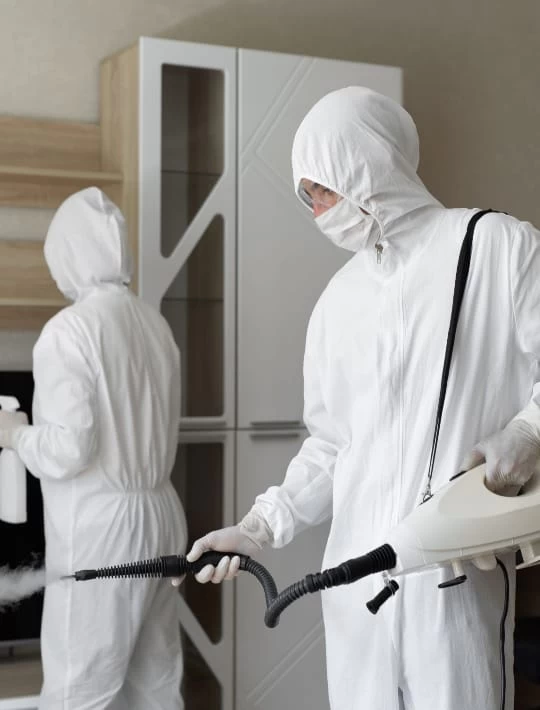
We handle asbestos abatement, lead abatement, and full demolition under one contract. The investigation happens first, the abatement gets done if it’s needed, and then the structural work follows all with the same crew, the same timeline, and one clear scope from the start. No revolving door of subcontractors. No mid-project cost explosions because something was “discovered” after the walls came down.
For Breezy Point specifically, that matters more than it does almost anywhere else in Queens. This community has been through Sandy, through the rebuilding delays, through contractors who didn’t know the gate protocols or couldn’t get access cleared. When you hire someone who’s already worked inside the cooperative and knows what this process actually looks like here, the project moves. That’s the difference.
We’ve been doing demolition and environmental remediation work across New York City and Long Island for over 12 years. More than 340 completed demolition projects. That volume builds a kind of pattern recognition you can’t fake the structural issues that hide behind post-Sandy repairs, the asbestos configurations common in 1960s Queens bungalows, the permit complications that come with working in a FEMA Special Flood Hazard Area.
Breezy Point isn’t a new market for us. We have documented service history in this community, including both demolition and fire damage work. We know the cooperative’s gate registration process. We know how to plan a project timeline around the board’s contractor access rules the same restrictions that left dozens of homeowners in limbo for years after Sandy while they waited for access slots to open up.
When you call, you’re talking to people who’ve already worked through the problems you’re about to face. That’s not a pitch. It’s just what 12 years and 340 projects in this market looks like.
From First Call to Cleared Site Here's the Real Sequence
It starts with a site assessment. We come out, look at the structure, and identify what’s there age of the building, likely hazardous materials, proximity to neighboring homes. In Breezy Point’s bungalow colony layout, homes sit close together. That affects how demolition is sequenced and what containment is needed to protect adjacent structures. We factor that in before anything else.
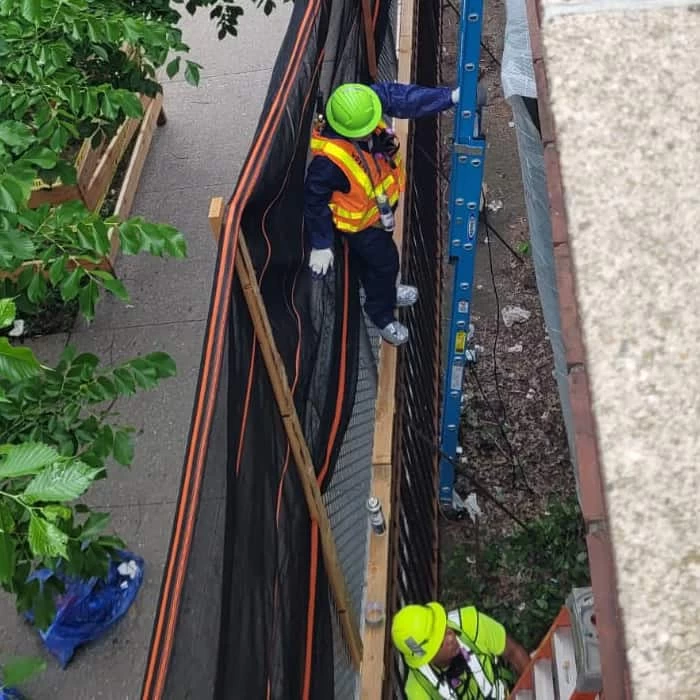
If the home was built before 1987, NYC Local Law 76 requires a formal asbestos investigation before a demolition permit can be issued. We handle that. If asbestos or lead is found, abatement comes next with proper NYC DEP notification filed at least seven days in advance, as required. Once clearance is confirmed, we file the ACP-5 form with the NYC Department of Buildings and pull the demolition permit. Nothing gets skipped, because a missed step means a stop-work order, and nobody wants that.
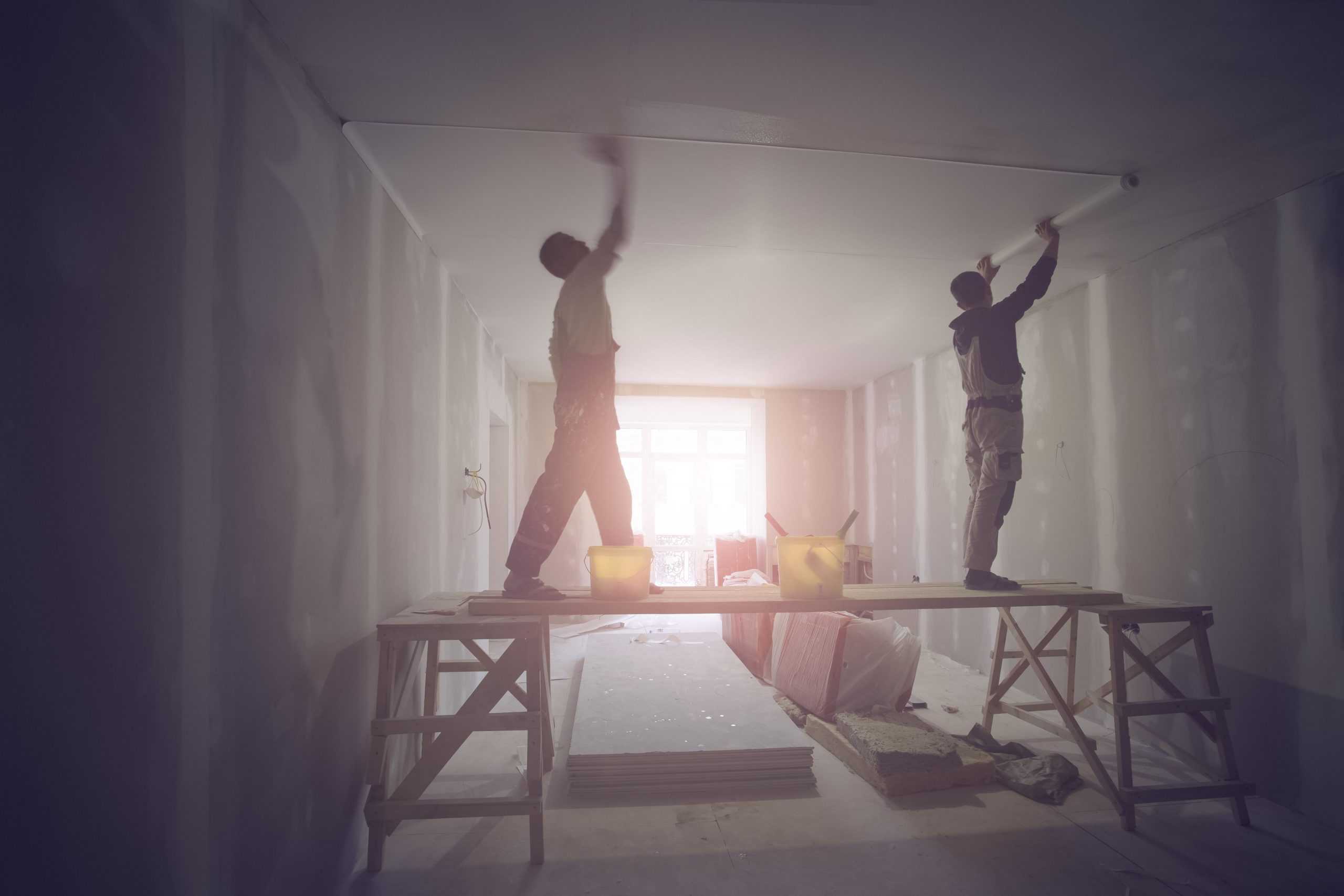
Then the structural work begins. Controlled demolition, debris removal, and site cleanup all coordinated with the cooperative’s gate access schedule so your project doesn’t stall waiting for an access slot. If your project is tied to flood damage or an insurance claim, we document everything correctly and can bill your carrier directly. When we’re done, the site is clean, the permits are closed, and you’re ready for whatever comes next.
Everything the Job Legally Requires Handled in One Scope
Demolition in Breezy Point isn’t just a teardown. It’s a regulatory process that runs through the NYC Department of Buildings, the NYC Department of Environmental Protection, the New York State Department of Labor, and depending on project size federal EPA notification requirements. Every one of those layers has to be satisfied before, during, and after the physical work. We’re licensed and compliant across all of them.
For residential projects, that typically means a pre-demolition hazardous material assessment, asbestos and lead abatement if required, ACP-5 filing, DOB permit, and coordinated debris disposal. For homes in the FEMA flood zone which covers the entire Breezy Point cooperative we also factor in what the site will need to support a compliant rebuild, including elevation and flood-resistant construction requirements under NYC Building Code Appendix G. A contractor who doesn’t account for that leaves you with a cleared lot that creates problems at the next permit stage.
Beyond planned teardowns, we handle emergency demolition for fire-damaged and flood-damaged structures, which is a real and recurring need in a community that NOAA projects will face Sandy-level storm surges ten times more frequently over the next 30 years. Whether it’s a full structural demolition, selective interior demo, or post-disaster emergency response, the scope is built around what your specific property and situation actually requires not a one-size package.
Do I need an asbestos test before demolishing my Breezy Point home?
Yes, and it’s not optional. Under NYC Local Law 76, an asbestos investigation is required before any demolition permit can be issued in New York City no exceptions. If your home was built before 1987, the NYC Department of Buildings will not process your demolition permit application without an ACP-5 form confirming either that the structure is free of asbestos-containing materials or that abatement has already been completed.
For Breezy Point specifically, this matters a lot. Much of the surviving pre-Sandy bungalow stock in Roxbury and Rockaway Point was built in the 1950s through 1970s, which means asbestos is a realistic finding not a remote possibility. Common locations include floor tiles, ceiling tiles, pipe insulation, roofing materials, and joint compound. The investigation has to happen first, before any walls come down. We conduct the assessment, handle abatement if it’s needed, file the ACP-5, and move the project forward without you having to coordinate between separate contractors.
How does the Breezy Point Cooperative affect the demolition process and timeline?
The cooperative adds a layer that doesn’t exist in any other Queens neighborhood. All contractors working within Breezy Point must be registered with the cooperative and cleared through the security gate on Rockaway Point Boulevard. Beyond that, the board has historically controlled how many contractors can work inside the community simultaneously a restriction that became a serious issue during the post-Sandy rebuilding period, when the cooperative was allowing only a limited number of crews in per day. That created years-long delays for some homeowners trying to complete repairs.
What this means practically is that your demolition timeline isn’t just about permit processing and crew availability it’s also about cooperative scheduling. A contractor who’s never worked inside Breezy Point before may not know this until they show up at the gate and can’t get in. We have existing service history in the community. We know the access registration process, we plan project timelines with the cooperative’s scheduling environment in mind, and we don’t leave you to figure out the gate logistics on your own.
What permits are required for a full demolition in Breezy Point, NY?
A full demolition in Breezy Point triggers multiple permits across different agencies. First, you need a NYC Department of Buildings demolition permit and that application requires an ACP-5 asbestos clearance form before the DOB will process it. If asbestos abatement is required, the NYC Department of Environmental Protection must be notified at least seven days before abatement work begins, and a separate DEP abatement permit is required. For larger projects, federal EPA NESHAP notification may also apply.
On top of the standard NYC regulatory stack, Breezy Point sits in a FEMA Special Flood Hazard Area. That designation doesn’t add a permit to the demolition itself, but it directly affects what happens after any new construction on the cleared site must comply with NYC Building Code Appendix G flood-resistant construction standards, including elevation requirements tied to the Base Flood Elevation for your specific lot. It’s worth understanding that before demolition starts, not after, so the site prep aligns with what the rebuild will require. We manage all permit filings as part of the project scope.
Can my homeowner's insurance cover demolition costs after storm or flood damage?
It depends on your policy and how the damage is documented, but in many cases, yes demolition of a storm-damaged or fire-damaged structure is a covered cost under homeowner’s insurance, particularly when the structure is deemed unsafe or unsalvageable. The key is documentation. Insurance adjusters need to see clear evidence of the damage, the scope of work required, and proper cost itemization. A contractor who doesn’t document correctly can leave money on the table or worse, give the carrier a reason to dispute the claim.
We bill insurance carriers directly for disaster-related demolition and remediation work. Given that Breezy Point is one of the highest-concentration Repetitive Loss insurance claim areas in New York City a designation it holds alongside Belle Harbor and Broad Channel in the NYC Hazard Mitigation Plan this isn’t an edge-case situation here. It’s a routine one. We know how to document damage for insurance purposes, how to communicate with adjusters, and how to move the claim forward so you’re not stuck managing paperwork while also trying to figure out where you’re living.
How long does a residential demolition project typically take in Breezy Point?
The physical demolition of a single-family home can often be completed in a day or two once all the pre-work is done. The real timeline driver is everything that comes before the crew shows up the asbestos investigation, abatement if needed, ACP-5 filing, DOB permit processing, and cooperative gate registration. In New York City, permit processing alone can take several weeks depending on the project and current DOB workload. If asbestos abatement is required, the NYC DEP notification period adds at least seven days on top of that.
For Breezy Point, add the cooperative’s contractor access scheduling to that picture. Projects that aren’t planned with the cooperative’s access protocols in mind can sit waiting for a gate slot even after permits are in hand. The honest answer is that a full residential demolition project in Breezy Point from initial assessment to cleared site typically runs four to eight weeks from start to finish when everything is sequenced correctly. We map out that full timeline upfront so you know what to expect before the project starts, not mid-process.
Is a bungalow demolition in Breezy Point different from a standard Queens teardown?
In several meaningful ways, yes. The original Breezy Point bungalow colony was built largely in the 1950s through 1970s, which means the surviving pre-Sandy structures carry a higher probability of asbestos-containing materials than newer construction. That makes the pre-demolition assessment phase more consequential here than it might be in a neighborhood with more recent housing stock.
The site conditions also differ. Breezy Point’s bungalow layout puts homes close together, often with narrow clearances between structures. That requires more precise demolition sequencing and dust and debris containment to avoid affecting neighboring properties and in a cooperative community where your neighbor is also your fellow shareholder, that’s not a detail you want to overlook. Add the FEMA flood zone designation, which affects how the cleared site needs to be prepared for a compliant rebuild, and the cooperative’s gate access requirements, and you’re looking at a project that has more moving parts than a standard Queens teardown. That’s not a reason to hesitate it’s a reason to hire a contractor who’s already worked through those moving parts before.