Bridgehampton Teardowns Done Right No Surprises, No Delays
When a multi-million-dollar rebuild is waiting on the other side, your demolition contractor can’t afford to get it wrong. We handle everything permits, asbestos, debris so your Bridgehampton project starts clean and stays on schedule.
I needed a professional consultation explanation of procedure for safe removal of Asbestos in my apartment complex. Without having an account yet, I was very impressed with the caring, knowledgeable and generous advice offered by Jessica, and will look forward to doing business in the future. Thank you so much! I feel much more informed about a sometimes scary endeavor. Peace. Nancy Silva Mineola, NY.
Mia Munoz
Used this company to clean up some water flood in my house. They were fast and easy to work with.very professional, Would recommend to anyone!
Nini Valle
Great company, had a flood and they responded quickly and efficiently. Billed my insurance company directly. I highly recommend this company!
joe colapietro, jr
I had pipe freeze in my basement right before a snow storm and they made to within an hour to help start the clean up process. They we by our side throughout the entire process and even helped with the insurance company. They did such a great job with the cleanup, repair, remidiation, I contracted them to perform the repairs and finishes in the basement. They came with enough manpower and material to get the job done. Leo and Jessica were nothing but a pleasure to deal with!!
Cristian Arredondo c
I had some water damage in my home and Green Island was able to take care of my issue quickly and effectively. I am very pleased with the work they did. They responded quickly and were very professional.
Michael M
Outstanding service! From the office to the field crew everyone was friendly, helpful and responsive. I highly recommend Green Island Group.
What Sets Bridgehampton Demolition Apart When Everything Depends on It
Bridgehampton moves fast. Buyers are purchasing older farmhouses and dated cottages along Montauk Highway not to renovate them but to tear them down and build something new. When that’s the plan, the demolition phase sets the tone for everything that follows. A permit error stalls your architect. An undisclosed asbestos find stops work entirely. A contractor who can’t handle both means you’re paying two crews and losing weeks.
That’s the reality of doing demolition in a market where carrying costs on a property are real money. What you actually need is a contractor who handles the full scope environmental assessment, abatement, permitting with Southampton Town, demolition, and site cleanup without handing pieces of the job off to someone else. When everything runs through one team, there are no gaps, no finger-pointing, and no surprises buried in the final invoice.
Bridgehampton’s older building stock pre-1980 farmhouses, historic outbuildings, equestrian structures north of Montauk Highway frequently contains asbestos-containing materials and lead paint. Discovering that mid-project with a contractor who isn’t certified to handle it is a costly, avoidable problem. We hold active NYS Department of Labor asbestos contractor certification and handle the survey and abatement in-house, so the project keeps moving from day one.
Green Island Group is a Suffolk County-based demolition and environmental contractor with over 12 years of experience and more than 5,000 completed projects across Long Island and New York City. That’s not a number pulled from a brochure it’s the kind of volume that means we’ve seen what goes wrong, we know how to prevent it, and we don’t learn lessons on your property.
We’re based in Bohemia, NY, which puts us squarely within Suffolk County and well within working distance of Bridgehampton and the South Fork. We know Southampton Town’s permit requirements the notarized Hold Harmless Form, the PSEG Long Island disconnect letter, the certified deed from the Suffolk County Clerk because we’ve handled them repeatedly for Bridgehampton properties. We hold active NYS Department of Labor asbestos contractor certification, carry $2,000,000 in general liability insurance, and are MWBE-certified for public and commercial work. We operate 24/7, including emergency response, because coastal properties near Mecox Bay don’t always wait for business hours.
From Permit to Clear Site Here's the Exact Process in Bridgehampton
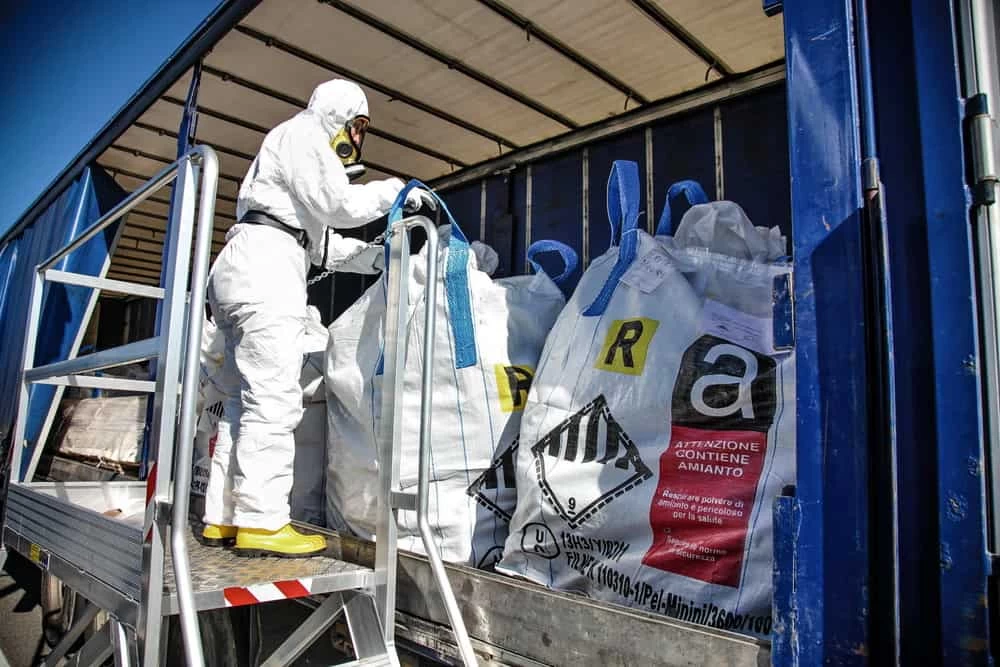
Every project starts with a site assessment. Before anything is scheduled or quoted, we evaluate the structure its age, materials, condition, and any environmental concerns. For pre-1980 buildings, which make up a significant portion of Bridgehampton’s teardown inventory, that means a thorough inspection for asbestos-containing materials, lead paint, and other regulated substances. If anything is found, we handle abatement in-house before demolition begins. No outside contractors. No project pauses.
Once the environmental picture is clear, we manage the permit process with Southampton Town’s Building Division. That means preparing and submitting the full demolition permit application including the notarized Hold Harmless Form signed by all deed owners, the electrical disconnect letter from PSEG Long Island, and the gas disconnect letter before a single piece of equipment is mobilized. Southampton Town charges $200 per 100 square feet of demolition, and the application has to be complete and correct the first time. We’ve done this enough to get it right.
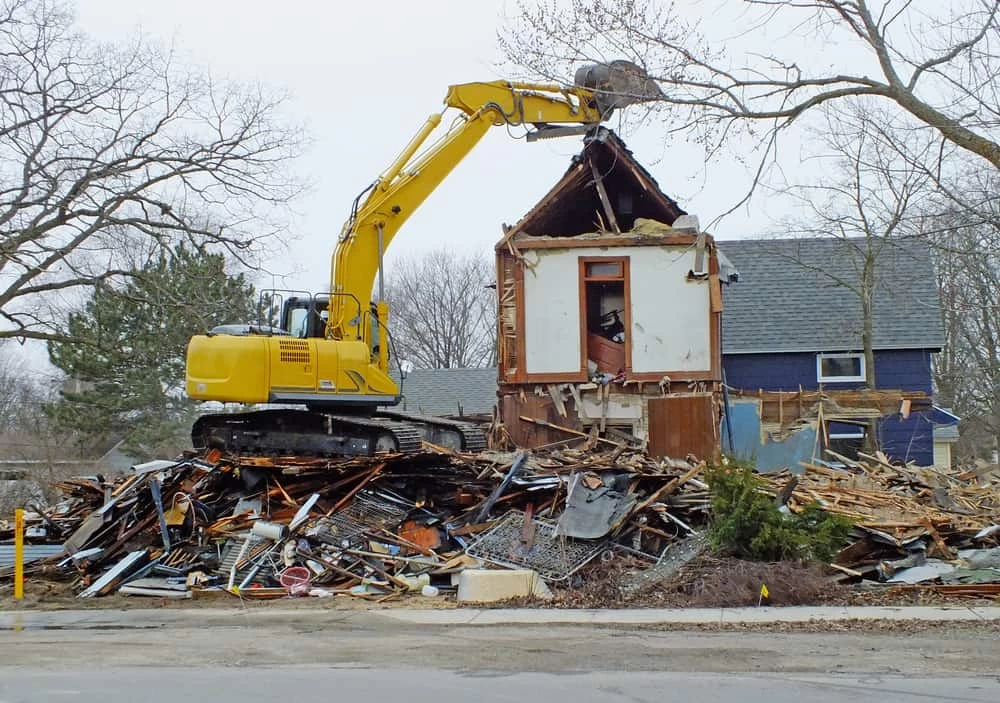
When permits are in hand, demolition proceeds. We handle structural takedown, debris removal, and site preparation leaving the lot clean and ready for your builder. For Bridgehampton projects, we’re mindful of the seasonal window: most major teardowns happen in the off-season, between October and May, when Route 27 traffic is manageable and the hamlet’s summer residents have cleared out. If your project has a tight timeline heading into spring, that’s a conversation worth having early.
Commercial and Residential Demolition Bridgehampton, NY
Full-Scope Demolition Built for the Bridgehampton Market
We offer complete residential and commercial demolition services across Bridgehampton and the surrounding South Fork communities including Water Mill, Sagaponack, Wainscott, and Sag Harbor. Whether you’re doing a full teardown on an oceanfront lot off Ocean Road, removing a barn or stable on an equestrian property north of Montauk Highway, or gutting the interior of an estate home ahead of a major renovation, the scope of work is handled end-to-end.
Residential demolition covers whole-structure teardowns, selective demolition, interior gut-outs, detached garage and outbuilding removal, pool demolition, and foundation work. Commercial demolition covers retail, hospitality, and mixed-use structures along and near Montauk Highway. Every project includes pre-demolition environmental assessment, in-house asbestos and lead abatement if required, full permit management with Southampton Town, structural demolition, debris hauling, and site clearing.
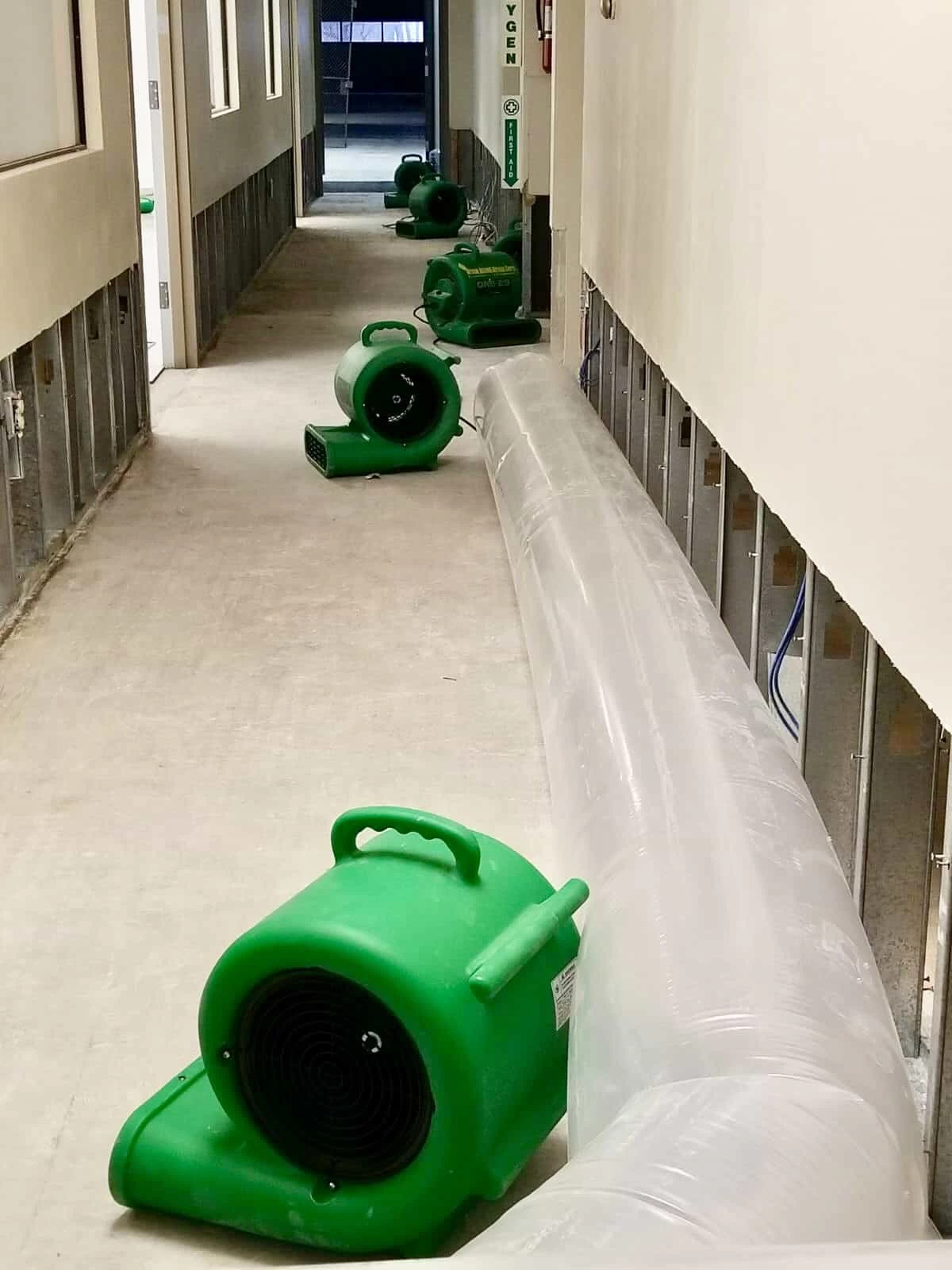
For properties near Mecox Bay or the ocean that have sustained storm or water damage, we also work directly with insurance companies handling documentation and coordinating with adjusters so you’re not managing that process on top of everything else. We’re available 24/7 for emergency response, and for Bridgehampton property owners managing their homes remotely from the city during the off-season, that matters more than most people expect until the moment they need it.
What permits are required for demolition in Bridgehampton, NY?
Bridgehampton falls under the jurisdiction of the Town of Southampton Building Division, which has specific and detailed requirements for demolition permits. For a whole-structure demolition, you’ll need to submit a complete permit application that includes a certified copy of the most recent deed recorded with the Suffolk County Clerk, a signed and notarized Hold Harmless Form executed by every owner listed on that deed, an electrical disconnect letter from PSEG Long Island, and a gas disconnect letter from your utility provider. The permit fee is $200 per 100 square feet of demolition area, and the application must be submitted and approved before any work begins.
Missing a document or getting a signature wrong can delay your permit by weeks and in a market where your architect and builder are already scheduled, that delay has a real cost. We manage the entire permit submission process on your behalf. We know what Southampton Town requires, we prepare the documentation correctly, and we don’t let a paperwork error become your problem.
Is an asbestos survey required before demolishing a house in Bridgehampton?
Yes and for good reason. Under New York State regulations and federal EPA NESHAP rules, structures of a certain size require a pre-demolition asbestos survey before work can begin. If regulated asbestos-containing material (RACM) is found above threshold quantities, it must be removed by a licensed abatement contractor before any demolition proceeds. This isn’t optional, and skipping it exposes you to significant fines and legal liability.
In Bridgehampton specifically, this matters because a large portion of the hamlet’s teardown inventory consists of pre-1980 farmhouses, cottages, and outbuildings the exact building stock most likely to contain asbestos in floor tiles, pipe insulation, roofing materials, and joint compounds. Discovering asbestos mid-project with a contractor who isn’t certified to handle it means work stops, emergency abatement costs mount, and your timeline falls apart. We hold active NYS Department of Labor asbestos contractor certification and handle the survey and abatement in-house, so the project keeps moving from day one.
How long does the demolition process take from start to finish?
The honest answer is that it depends on the scope, but for a typical residential teardown in Bridgehampton, you’re generally looking at two to four weeks from permit submission to cleared site assuming there are no significant environmental findings and the permit application is complete and correct the first time. Larger structures, historic buildings, or properties with asbestos or lead paint requiring abatement will add time to the front end of the project.
One thing that’s specific to Bridgehampton worth planning around: the practical construction window on the South Fork runs roughly October through May. Summer traffic on Route 27 makes equipment mobilization slower, and many Southampton Town contractors and the Building Division itself operate on a seasonal rhythm. If you’re planning a teardown ahead of a spring or summer build, getting the permit process started in early fall gives you the best chance of hitting your timeline. We’re happy to walk through your specific schedule during an initial consultation.
What does a full residential demolition in Bridgehampton typically cost?
Demolition costs in Bridgehampton vary based on the size of the structure, the materials involved, access conditions on the property, and whether hazardous materials like asbestos or lead paint require abatement before work begins. For a standard single-family residential teardown, costs typically range from $15,000 to $40,000 or more depending on those factors. Properties with asbestos abatement requirements, difficult site access, or large footprints will fall toward the higher end of that range.
What’s important to understand in a market like Bridgehampton is that a low demolition quote that doesn’t include environmental assessment, permit fees, utility disconnect coordination, or debris removal isn’t actually a low quote it’s an incomplete one. When those costs surface later, they surface at the worst possible time. Our quotes reflect the full scope of the project: assessment, abatement if needed, permits, demolition, and site clearing. What you’re quoted is what you pay.
Can you handle demolition on oceanfront or storm-damaged properties near Bridgehampton?
Yes, and this is a scenario we handle regularly. Bridgehampton’s oceanfront and near-ocean properties particularly those along Ocean Road and the Mecox Bay area are exposed to nor’easters, coastal flooding, and the structural damage that follows. When a storm event compromises a structure and emergency demolition is required, the situation is often time-sensitive, the insurance picture is complicated, and the property owner is frequently managing everything remotely from New York City.
We operate 24 hours a day, seven days a week, including emergency response. We also work directly with insurance companies handling documentation, coordinating with adjusters, and making sure the demolition scope aligns with the claim. Southampton Town’s environmental sensitivity requirements near coastal areas and wetlands add another layer of regulatory complexity, and we’re familiar with those constraints. If you’re dealing with a storm-damaged structure on the South Fork, the sooner you call, the better your options.
Do you handle demolition of barns, stables, and outbuildings in Bridgehampton?
Absolutely. Bridgehampton’s agricultural and equestrian character means a significant number of demolition projects involve structures that aren’t standard residential homes barns, horse stables, equipment sheds, and outbuildings on larger acreage properties, particularly north of Montauk Highway in the areas around Hayground Road and Snake Hollow Road. These structures come with their own set of considerations: older construction methods, potential for asbestos or lead in roofing and paint, irregular footprints, and sometimes limited equipment access on rural lots.
We handle these projects the same way we handle any other: with a site assessment first, environmental evaluation for any pre-1980 materials, permit coordination with Southampton Town, and a clear scope before any work begins. Separate building permits are required for structures other than the principal building under Southampton Town’s rules, so outbuilding demolitions aren’t simply add-ons to a main structure permit they need their own documentation. We manage that process as part of the job, not as an afterthought.