When the Walls Open Up in a 1969 Ranch, You Need More Than a Demo Crew
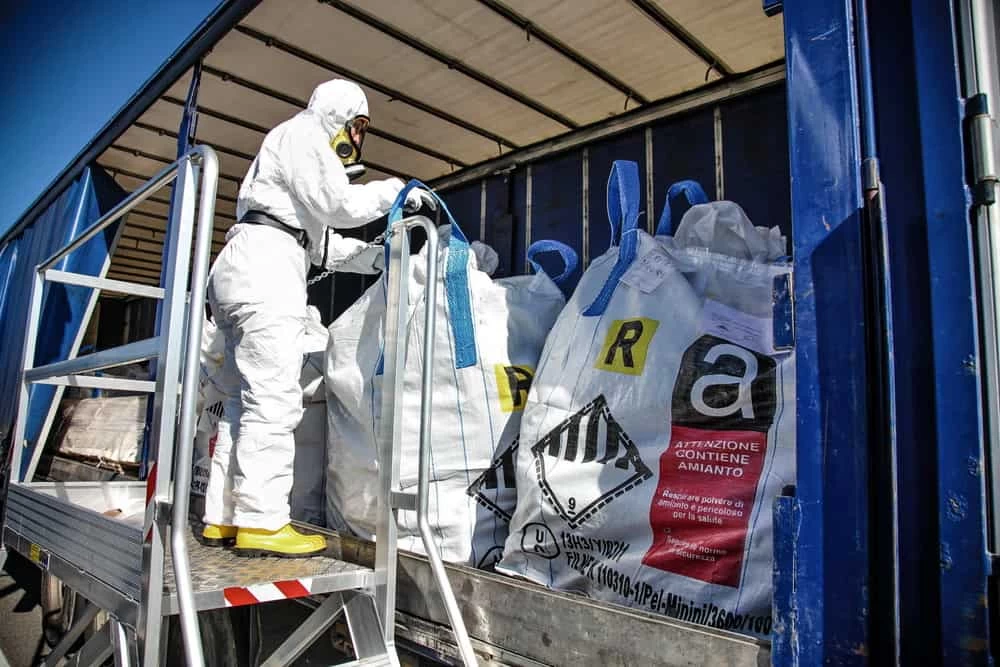
Most Centereach homes were built when asbestos was standard. We’re a licensed demolition contractor and certified asbestos abatement company so when something turns up behind the drywall, your project keeps moving.
I needed a professional consultation explanation of procedure for safe removal of Asbestos in my apartment complex. Without having an account yet, I was very impressed with the caring, knowledgeable and generous advice offered by Jessica, and will look forward to doing business in the future. Thank you so much! I feel much more informed about a sometimes scary endeavor. Peace. Nancy Silva Mineola, NY.
Mia Munoz
Used this company to clean up some water flood in my house. They were fast and easy to work with.very professional, Would recommend to anyone!
Nini Valle
Great company, had a flood and they responded quickly and efficiently. Billed my insurance company directly. I highly recommend this company!
joe colapietro, jr
I had pipe freeze in my basement right before a snow storm and they made to within an hour to help start the clean up process. They we by our side throughout the entire process and even helped with the insurance company. They did such a great job with the cleanup, repair, remidiation, I contracted them to perform the repairs and finishes in the basement. They came with enough manpower and material to get the job done. Leo and Jessica were nothing but a pleasure to deal with!!
Cristian Arredondo c
I had some water damage in my home and Green Island was able to take care of my issue quickly and effectively. I am very pleased with the work they did. They responded quickly and were very professional.
Michael M
Outstanding service! From the office to the field crew everyone was friendly, helpful and responsive. I highly recommend Green Island Group.
One Contractor Handles What Others Have to Stop For
Here’s what most homeowners in Centereach don’t find out until it’s too late: a standard demolition contractor isn’t licensed to handle asbestos. So when it shows up mid-project and in a home built around 1969, there’s a real chance it will work stops. You’re now coordinating a second contractor, waiting on availability, watching your timeline stretch and your budget climb.
We eliminate that problem entirely. Demolition and asbestos abatement happen under one license, one contract, and one crew. Whether you’re gutting a kitchen in Holiday Park, tearing out a drop ceiling in a hi-ranch off Middle Country Road, or doing a full teardown before a rebuild, your project doesn’t stall because something unexpected turned up. It gets handled.
The other thing worth knowing: Brookhaven demolition permits are only valid for 90 days from the date of issue. That clock starts whether your contractor is ready or not. A crew that moves efficiently and knows the local permit process isn’t just a convenience it’s the difference between finishing on time and starting the application over.
Licensed Demolition Contractors Serving Centereach, NY
Based 10 Miles Away in Bohemia Which Means We Actually Show Up Fast
We’re headquartered in Bohemia, NY about 10 miles from Centereach via the Long Island Expressway. That’s not a detail we throw in to sound local. It means when you call about a burst pipe in January or a storm-damaged structure that needs to come down fast, someone is actually close enough to respond the same day. Our customers in Centereach have cited under-an-hour response times in reviews, and that proximity matters when you’re dealing with an emergency.
We’ve been operating for over 12 years with more than 5,000 completed projects across Long Island and New York City. We carry $2,000,000 in general liability insurance, hold active NYS Department of Labor asbestos certifications, and are a certified MWBE which matters for commercial and public-sector clients in the Town of Brookhaven who have procurement requirements. We’ve done this work in homes and buildings just like yours, in Centereach and the surrounding communities, more times than most contractors in Suffolk County.
No Surprises Here's Exactly What Happens From Start to Finish
It starts with an assessment. Before anything gets torn down, we evaluate the scope of your project and identify any hazardous materials asbestos, lead paint, or other environmental concerns that are common in Centereach’s older housing stock. This step isn’t optional, and it isn’t a formality. It’s what allows everything that follows to go smoothly.
From there, we manage the permit process with the Town of Brookhaven’s Building Division. That includes the initial application, any required coordination with the Suffolk County Department of Health Services, and keeping your project on track within the 90-day permit validity window. If asbestos abatement is needed, it happens first under our own NYS DOL certification before demolition begins. You don’t have to find a second contractor or wait for one to become available.
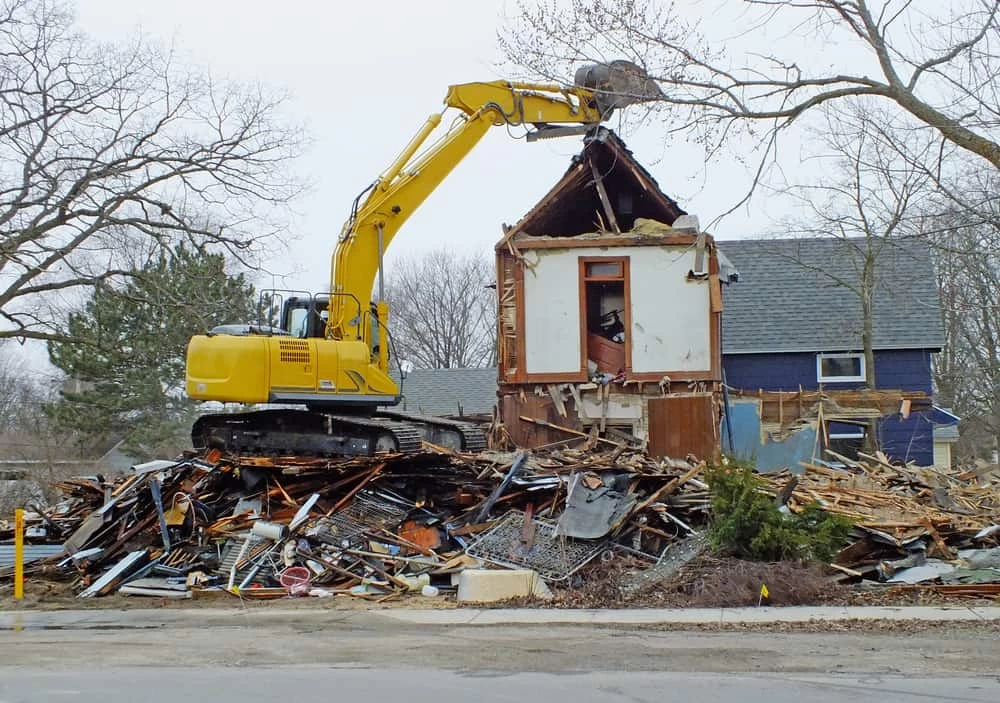
Once abatement is clear, demolition proceeds: selective interior work, structural teardown, or full site clearance depending on your project. Debris removal is part of the process, not an add-on you have to arrange separately. When the work is done, the site is clean and ready for whatever comes next whether that’s a renovation crew, a foundation pour, or a final inspection.
Demolition Specialists for Suffolk County Homes and Businesses
What's Actually Included When You Hire Us
We handle the full range of demolition work that Centereach homeowners and commercial property owners actually need. That means residential demolition full teardowns, garage demo, addition removal as well as selective interior demolition for renovation projects: gutting kitchens and bathrooms, removing walls, tearing out flooring and drop ceilings in the ranch homes and split-levels that make up the majority of the local housing stock. For commercial clients along the Middle Country Road corridor or anywhere in the Town of Brookhaven, we also handle interior commercial demolition and tenant improvement work.
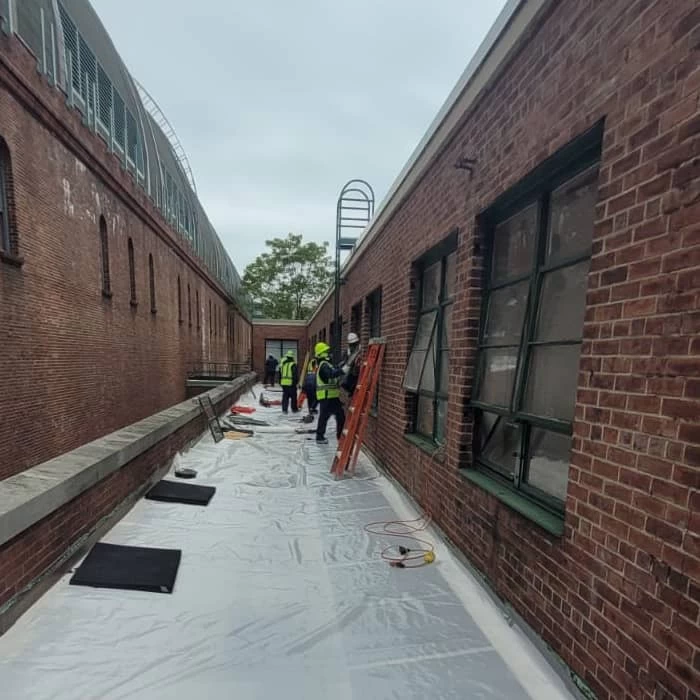
What separates us from a standard demo job is everything that runs alongside it. Asbestos abatement, lead paint removal, mold remediation, and environmental cleanup are all performed in-house not subcontracted out. If your project involves water damage or fire damage that requires demolition before restoration can begin, we also work directly with insurance adjusters to document the damage and support your claim. That’s a service most demolition contractors simply don’t offer, and it matters when you’re dealing with a pipe burst in the middle of winter and trying to manage an insurance process at the same time.
For commercial clients and public-sector projects in the area, our MWBE certification means we meet procurement requirements that most local demolition contractors can’t satisfy. One call covers more ground than you’d expect.
Do I need a demolition permit in Centereach, NY before work starts?
Yes any demolition work in Centereach requires a permit from the Town of Brookhaven’s Building Division before work can legally begin. The application can be submitted through Brookhaven’s online project portal, but depending on the scope of your project, you may also need approvals from the Suffolk County Department of Health Services or other agencies before the permit is issued.
One thing most homeowners in Centereach don’t realize until they’re in the middle of it: Brookhaven demolition permits are only valid for 90 days from the date of issuance. That’s a shorter window than a standard building permit, which is valid for a full year. If the project runs long or the contractor is slow to start, you can find yourself with an expired permit before the work is done which means reapplying and paying again. We manage the entire permit process and work within that 90-day window from the start, so you’re not scrambling at the back end.
My Centereach home was built in the 1960s is asbestos testing required before demolition?
It’s not always legally required to test before every project, but it’s strongly advisable and in many cases, NYS regulations effectively require it. Under New York State Industrial Code Rule 56, asbestos-containing materials must be abated before demolition or renovation work disturbs them. The NYS Department of Labor’s Asbestos Control Bureau actively inspects demolition sites, and if asbestos is disturbed without proper abatement, the consequences include stop-work orders and significant fines.
In Centereach, where the median home was built around 1969, the odds of finding asbestos in floor tiles, pipe insulation, joint compound, roof shingles, or ceiling texture are real not remote. A pre-demolition inspection that identifies what’s there before work starts is what keeps your project on schedule and on budget. We conduct that assessment upfront and handle abatement in-house if it’s needed, so you’re not finding out mid-project that the work has to stop.
How much does residential demolition typically cost in Centereach, NY?
Demolition costs vary depending on the size of the structure, the type of work involved, and what’s found during the pre-demolition assessment. For selective interior demolition gutting a kitchen, removing a bathroom, tearing out walls costs typically range from a few thousand dollars into the low five figures depending on scope. A full residential teardown of a single-family home in Centereach generally runs between $15,000 and $40,000 or more, depending on the size of the home, site access, and whether hazardous materials are present.
The number that surprises most homeowners is what happens when asbestos or lead paint is discovered by a contractor who isn’t licensed to handle it. Work stops, a second contractor has to be scheduled, and the original timeline and budget fall apart. When you hire a contractor who handles abatement in-house, those variables are identified and priced upfront not added on as surprises after demolition has already started.
What's the difference between selective demolition and a full teardown?
Selective demolition sometimes called interior demolition means removing specific elements of a structure without taking down the whole building. In Centereach’s ranch homes and split-levels, this comes up constantly during renovation projects: removing a load-bearing wall to open up a floor plan, gutting a kitchen or bathroom down to the studs, tearing out old tile flooring or a drop ceiling, or clearing out a finished basement. The goal is precision taking out what needs to go without disturbing what stays.
A full teardown is exactly what it sounds like: the entire structure comes down to the foundation or grade level, usually because the building is beyond renovation, the owner is rebuilding, or the site is being cleared for new construction. Both types of work require permits from the Town of Brookhaven, and both carry the same risk of encountering asbestos or lead paint in older homes. The process, timeline, and cost differ significantly which is why a proper assessment before any work begins is the starting point for either type of project.
A pipe burst and caused serious water damage does demolition have to happen before restoration?
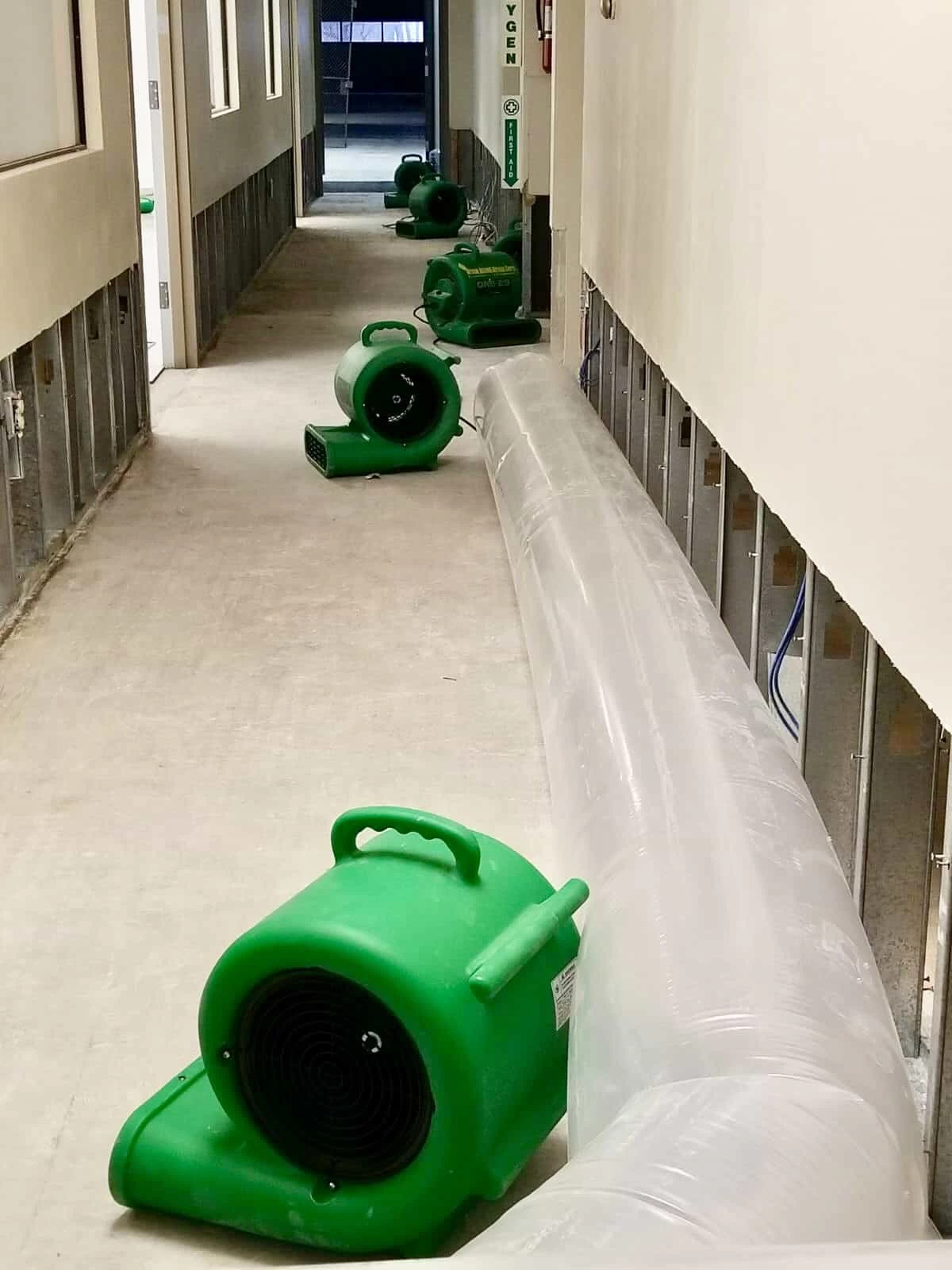
In most cases involving significant water damage, yes some level of demolition has to happen before restoration can begin. Wet drywall, saturated insulation, and water-damaged flooring can’t simply be dried out and rebuilt over. They have to come out first, both to stop the spread of mold and to give the restoration team a clean, dry surface to work from. In Centereach’s older ranch-style homes, where basements and older plumbing systems are common, pipe bursts during harsh Long Island winters are a real and recurring problem.
We handle emergency demolition as part of water damage response, and we work directly with insurance adjusters to document the damage, support your claim, and keep the process from becoming more complicated than it already is. If you’re dealing with a water damage situation and trying to manage an insurance claim at the same time, having one contractor who handles both the physical work and the insurance communication makes a significant difference in how quickly and smoothly things get resolved.
Can Green Island Group handle both the demolition and asbestos removal in Centereach, or do I need separate contractors?
You only need one contractor. We hold active NYS Department of Labor asbestos certifications alongside our demolition license, which means we legally perform both scopes of work under one contract. That’s not the case with most demolition contractors in the Centereach area the majority are licensed for demolition only, and when asbestos turns up, they have to stop work and hand off to a separate abatement company.
In a community where the dominant housing stock was built in the late 1960s and early 1970s the exact era when asbestos was routinely used in floor tiles, pipe lagging, joint compound, and roof materials the integrated model isn’t a luxury. It’s a practical necessity. Coordinating two separate contractors adds time, adds cost, and creates gaps in accountability when something goes wrong. With us, abatement and demolition are sequenced and managed by the same team, which keeps your project moving and keeps you from being caught in the middle when the walls reveal something unexpected.