One Contractor. Every Layer. No Loose Ends on the Island.
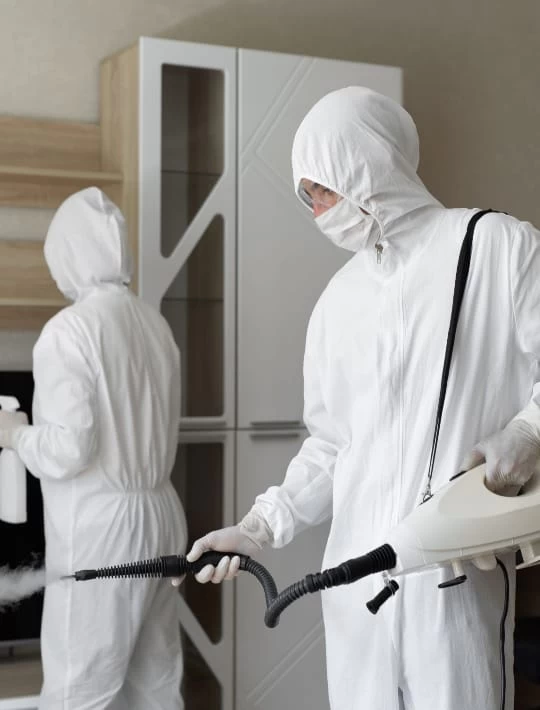
Centre Island’s estate properties don’t come apart like a standard renovation job — and the contractor you hire needs to understand that before they touch a wall. We handle demolition, asbestos abatement, and hazardous material removal under one license, one contract, and one crew.
I needed a professional consultation explanation of procedure for safe removal of Asbestos in my apartment complex. Without having an account yet, I was very impressed with the caring, knowledgeable and generous advice offered by Jessica, and will look forward to doing business in the future. Thank you so much! I feel much more informed about a sometimes scary endeavor. Peace. Nancy Silva Mineola, NY.
Mia Munoz
Used this company to clean up some water flood in my house. They were fast and easy to work with.very professional, Would recommend to anyone!
Nini Valle
Great company, had a flood and they responded quickly and efficiently. Billed my insurance company directly. I highly recommend this company!
joe colapietro, jr
I had pipe freeze in my basement right before a snow storm and they made to within an hour to help start the clean up process. They we by our side throughout the entire process and even helped with the insurance company. They did such a great job with the cleanup, repair, remidiation, I contracted them to perform the repairs and finishes in the basement. They came with enough manpower and material to get the job done. Leo and Jessica were nothing but a pleasure to deal with!!
Cristian Arredondo c
I had some water damage in my home and Green Island was able to take care of my issue quickly and effectively. I am very pleased with the work they did. They responded quickly and were very professional.
Michael M
Outstanding service! From the office to the field crew everyone was friendly, helpful and responsive. I highly recommend Green Island Group.
Most demolition projects on Centre Island don’t start with a wrecking crew — they start with a question: what’s actually inside these walls? Properties here carry decades of construction history. Early 1900s builds, mid-century additions, layers of renovation stacked on top of each other. Before any structural work begins, you need to know what materials are present, where they are, and what the removal protocol requires. That’s not a precaution — in New York State, it’s the law.
When you work with a contractor who handles the full scope, you’re not managing handoffs between an abatement company, a demo crew, and a permit runner. You have one team that assesses, removes, documents, and clears — and one point of contact who can answer your questions without transferring you to someone else. For a property on a private, single-access peninsula like Centre Island, that kind of coordination isn’t a luxury. It’s the only way a project like this runs cleanly.
The other thing that matters here is documentation. Centre Island properties change hands at multi-million-dollar values. The clearance certificates, disposal manifests, and Town of Oyster Bay permit records that come out of a properly managed project are part of your property’s history — and future buyers, their attorneys, and their inspectors will ask for them. You want that file to be complete.
The Licensing, the Bonding, and the Track Record to Back It Up
We are a full-service environmental contracting and demolition firm based on Long Island, serving residential, commercial, and municipal clients across Nassau and Suffolk Counties. The work we do requires more than a general contractor license — and we hold every credential the job demands. That includes the NYS DOL Asbestos Handling Contractor License and the Nassau County EHRP license required to legally perform abatement work in Centre Island.
The Town of Oyster Bay requires a performance bond before any demolition permit is issued. We carry the bonding capacity and insurance coverage to satisfy that requirement — and we pull the permit in our name, as the licensed contractor of record. That’s not something every contractor advertising demolition services in this area can say.
We’ve worked on estate-scale properties across the North Shore, including communities governed by the Town of Oyster Bay’s Building Division at 74 Audrey Avenue. We know the permit process, the regulatory layers, and what it takes to move a project from assessment to final clearance without creating problems for you along the way. Centre Island’s controlled access through Bayville and the peninsula’s unique infrastructure mean that logistics planning starts before mobilization — and we factor that into every project timeline and estimate.
From the First Assessment to the Final Clearance — Here's the Sequence
It starts with a site assessment. Before any demolition work can legally begin on a Centre Island property, New York State law requires a mandatory asbestos survey by a NYS DOL-certified inspector. We conduct that survey as part of the project scope — identifying what’s present, where it is, and what the abatement protocol requires. In homes with Gold Coast-era construction, that survey almost always turns something up, and it’s far better to find it before work begins than mid-project.
Once the hazardous materials assessment is complete, we handle abatement first. Asbestos-containing materials, lead paint, and any other regulated substances are removed, packaged, and transported to a licensed disposal facility with full manifest documentation. Every load that leaves your property leaves with a paper trail. After abatement clears, we move into the structural demolition phase — whether that’s a selective interior gut, a targeted structural removal, or a full building takedown.
Throughout the project, we manage the permit process with the Town of Oyster Bay’s Building Division, including the asbestos certification and Affidavit of Excavation or Demolition required before a permit is issued. We also coordinate access logistics from the start — Centre Island’s single-road entry through Bayville means equipment delivery, dumpster placement, and debris removal all need to be planned in advance, not figured out on the fly. When the work is done, you receive a complete documentation package: clearance certificates, disposal manifests, and permit records.
What's Included When You Hire a Contractor Who Covers the Full Scope
Centre Island isn’t a community where you can separate the demolition from the environmental work and expect things to go smoothly. The housing stock here — large, older estates, many with construction histories dating back to the early 1900s — almost guarantees that regulated materials will be present. What you need is a contractor licensed to handle all of it without subcontracting the complicated parts to someone else.
Our scope covers hazardous materials assessment and inspection, asbestos abatement under NYS DOL and Nassau County EHRP certification, lead paint removal, mold remediation, structural demolition — selective or full — and post-project site restoration. If your property has a detached carriage house, a guest cottage, a pool house, or a boat house with its own construction history, those structures fall within our scope as well. Coastal properties along Oyster Bay Harbor and Cold Spring Harbor also face specific challenges: flood-damaged materials, water-saturated wall cavities, and mold growth behind finished surfaces that weren’t visible before a storm event. We handle all of it under one contract.
Every project ends with complete documentation — clearance certificates, disposal manifests, and all Town of Oyster Bay permit records. Whether you’re preparing a property for a major rebuild, managing an estate transfer, or dealing with post-storm damage on a waterfront structure, the paperwork that proves the work was done correctly is a standard deliverable, not an add-on.
Does the Town of Oyster Bay require a permit to demolish a structure in Centre Island?
Yes — and the permit process in the Town of Oyster Bay has specific requirements that go beyond what many property owners expect. Before a demolition permit is issued, you’ll need to submit an asbestos certification, an Affidavit of Excavation or Demolition, and documentation showing that letters of disconnection have been obtained for all utilities — gas, electric, water, sewer, and any oil tanks on the property. The Town also requires a performance bond or certified check to be filed before the permit is issued, which serves as financial assurance that the site will be cleared and returned to a safe condition after demolition is complete.
The permit application is processed through the Town of Oyster Bay Building Division, located at 74 Audrey Avenue in Oyster Bay. We manage this entire process on your behalf — from the initial asbestos survey through permit submission and final sign-off. You don’t have to navigate the Building Division or track down the required documentation on your own.
What licenses does a demolition contractor need to legally work in Centre Island, NY?
This is one of the most important questions to ask before hiring anyone, and the answer has more layers than most people realize. In New York State, a general contractor license does not authorize asbestos abatement work. To legally disturb, remove, or dispose of asbestos-containing materials, a contractor must hold a separate NYS DOL Asbestos Handling Contractor License under Industrial Code Rule 56. That’s the state-level requirement.
Nassau County adds another layer. Abatement contractors working in the county must hold an EHRP (Environmental Hazard Remediation Permit) license, and individual technicians on the job must hold EHRT (Environmental Hazard Remediation Technician) certifications. These are Nassau County-specific credentials that exist on top of the state licensing — meaning a contractor needs both to legally perform abatement work in Centre Island. We hold all required credentials at the federal, state, and county levels. Before you sign a contract with any demolition contractor for a Centre Island property, ask them to show their NYS DOL asbestos license and their Nassau County EHRP certification. If they can’t produce both, they shouldn’t be touching pre-1980 building materials on your property.
Does my Centre Island property need an asbestos survey before demolition can begin?
Yes — and this isn’t optional. New York State law under Industrial Code Rule 56 requires a mandatory asbestos survey by a NYS DOL-certified Asbestos Inspector before any renovation or demolition work that could disturb suspect materials. The survey has to be completed before physical work begins, not during or after. The Town of Oyster Bay also requires an asbestos certification as part of the demolition permit application, so there’s no pathway to a legal permit without it.
For Centre Island properties specifically, this survey almost always finds something. Homes with construction histories dating to the early 1900s — and most properties on the island have at least some original structure or materials from that era — routinely contain asbestos in floor tiles, pipe insulation, roof shingles, plaster, joint compound, and textured ceiling finishes. That’s the expected baseline for this housing stock. We conduct the pre-demolition asbestos survey as part of the project scope, so you’re not sourcing a separate inspector and waiting for a separate report before work can begin.
How does the single-road access to Centre Island affect a demolition project?
It affects everything related to logistics, and contractors who haven’t worked on the island before consistently underestimate it. Centre Island is accessible by one road through Bayville, through a police-staffed gate that controls access to residents and approved vehicles. Every piece of heavy equipment, every dumpster, every debris removal truck, and every hazardous waste transport vehicle has to enter and exit through that same point. If you haven’t coordinated access in advance — with the right vehicle information, the right scheduling, and the right staging plan — you’re creating delays before the project even starts.
We plan for this from the beginning of every Centre Island project. We coordinate equipment delivery windows, debris removal schedules, and hazardous waste transport logistics before mobilization, so the access constraint doesn’t become a source of disruption for you or your neighbors. For large-scale demolition projects — full building takedowns, estate gut renovations, post-storm structural removals — this kind of advance planning isn’t a minor detail. It’s what separates a project that runs on schedule from one that doesn’t.
What happens if asbestos or other hazardous materials are found after demolition has already started?
Work stops — that’s the short answer. Under OSHA 29 CFR 1926 Subpart T and EPA NESHAP regulations, if asbestos-containing materials are encountered during demolition that weren’t identified in the pre-demolition survey, the affected area has to be secured and abatement has to be completed before structural work can resume. If the contractor who made the discovery isn’t licensed to perform abatement, they have to stop entirely and wait for a licensed abatement contractor to be sourced and scheduled — which can add days or weeks to your project timeline.
This is exactly why the pre-demolition survey matters so much, and why working with a contractor who holds both the demolition and abatement credentials under one roof matters even more. When we conduct your pre-demolition asbestos survey, we’re doing everything we can to identify what’s present before work begins. But if something unexpected turns up mid-project, we don’t have to stop and call someone else. Our licensed abatement crew handles it immediately, documents it properly, and keeps the project moving. For a property on Centre Island where project timelines are tied to seasonal windows or real estate transactions, that continuity has real value.
How much does a full demolition project typically cost for a large estate property in Centre Island?
There’s no single number that applies to every project, but for estate-scale demolition on Centre Island — which typically involves large, older structures with complex construction histories, regulated materials, and full permit coordination — you should expect the total project cost to reflect the scope of what’s actually required. A straightforward interior gut demolition on a smaller structure might fall in the range of $15,000 to $35,000. A full building demolition with comprehensive asbestos abatement, lead paint removal, utility disconnections, permit fees, debris removal, and site restoration on a large estate property can run significantly higher — often $75,000 to $150,000 or more depending on the size of the structure, the volume of hazardous materials present, and the complexity of the site.
What drives cost on Centre Island specifically is the combination of factors that apply to almost every project here: older building stock with a high likelihood of regulated materials, the Town of Oyster Bay’s performance bond and permit requirements, Nassau County’s EHRP licensing requirements for abatement work, and the logistical realities of working on a private peninsula with controlled access. A contractor who quotes you a number without accounting for all of these factors is either planning to cut corners or planning to add change orders later. We provide detailed, transparent estimates that explain what’s included and what could affect the final cost — before any work begins.